
A 6061 vs 6063 aluminum cutting review needs more than the alloy number. Record the temper, section shape, surface condition and finished-part requirements.
Then ask the equipment supplier to review representative material and the intended production route. Alloy information helps define the trial; it does not select the complete saw setup by itself.
Three things to remember
- Retain the full material designation, including temper when specified.
- Use the actual section and finished-part drawing to define the cutting task.
- Compare measured samples under a documented setup and acceptance method.
On this page
6061 vs 6063 aluminum: what does the comparison tell you?
Material selection belongs to the part’s design requirements. Hydro describes 6061 in structural, marine and automotive applications, including profiles intended for later welding or machining. Its guidance also positions 6063 for surface appearance and anodizing considerations.
Hydro’s 6063 overview gives further extrusion and finishing context. These are broad material-selection descriptions. The permitted material for your component still comes from its design specification, supplied material condition and applicable requirements.
For the cutting quotation, explain the actual material rather than asking the saw supplier to choose an alloy from an application name. A structural member, a visible frame and a machined blank can require different reviews, even when they are all called aluminum profiles.
Do not treat a general alloy comparison as a delivered-part test result. It does not prove the required burr condition, finished length or surface appearance for your particular geometry and setup. Those belong in the sample review.
Why should the temper appear beside the alloy?
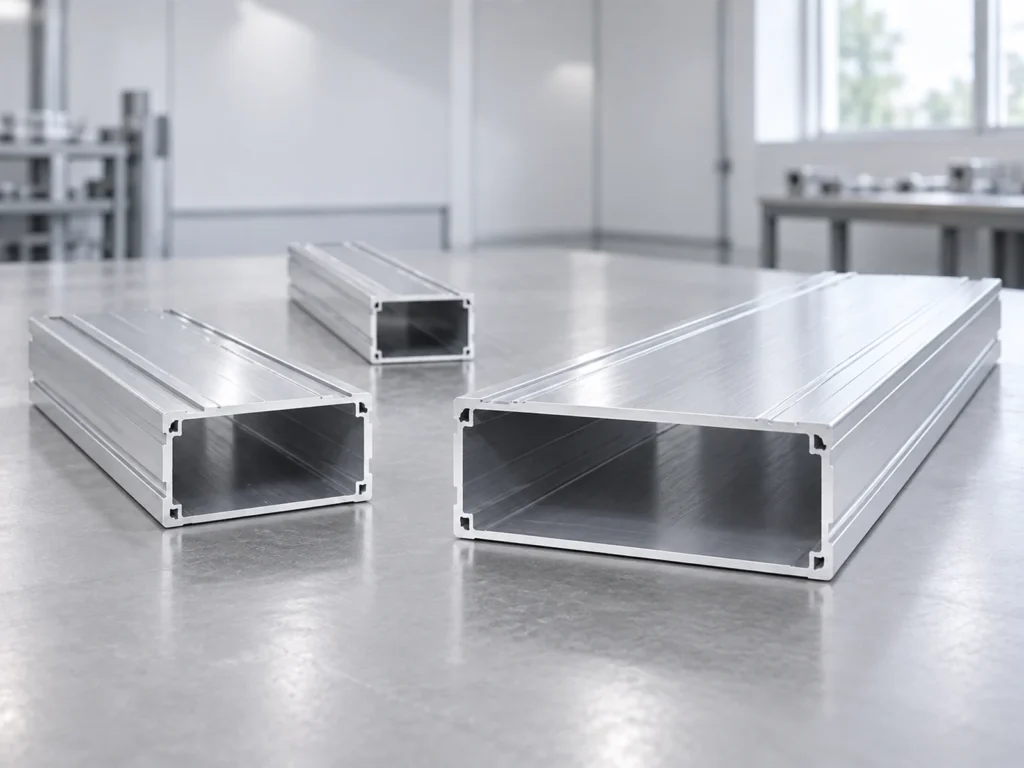
The alloy designation and temper describe different material information. Hydro explains temper as the condition after processing, including cooling and heat treatment. Keep it in the inquiry when the material specification provides it.
A request that says only “6061” may omit a condition important to the part design and later operations. Copy the full specified designation from the approved record. If it is unavailable, mark it as unknown and ask the material supplier to confirm it.
Keep the material lot linked to the sample pieces. If trial material and production material differ, state that clearly. A result on one supplied condition should not silently become approval for a different one.
The cutting review does not authorize a material substitution. If a proposed alternate alloy or temper affects the component specification, take it to the responsible design or material approval process before changing the order.
How does the actual section change the cutting review?
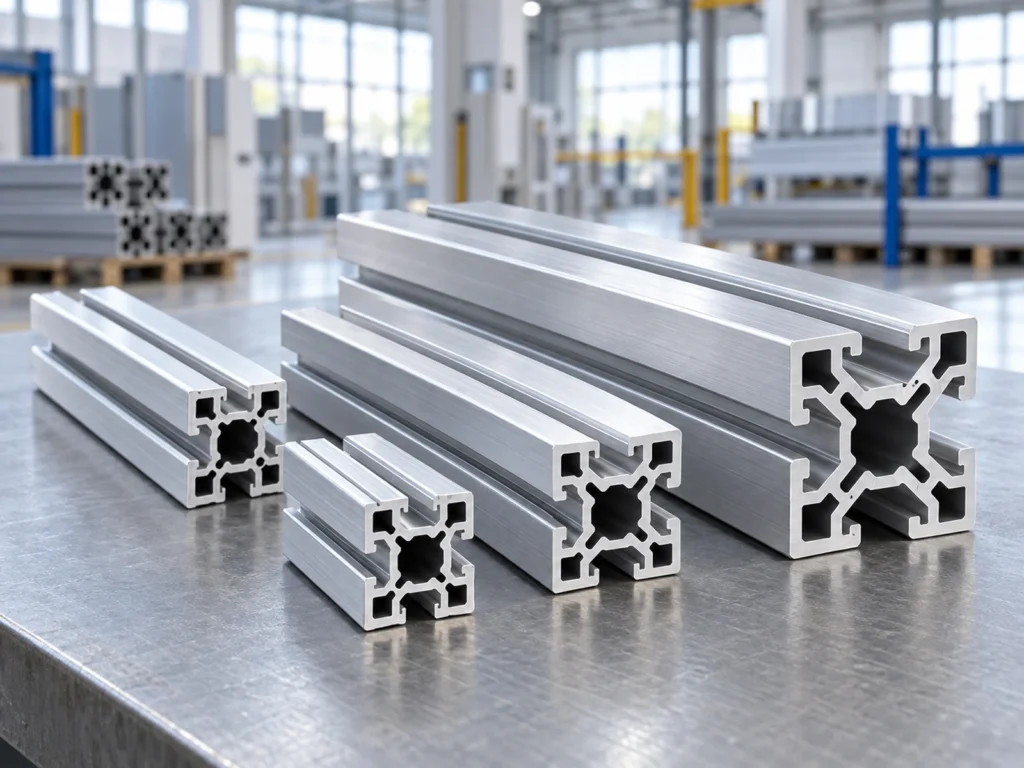
Show the end-view drawing and dimensions, including walls, cavities, fins and any protruding features. Overall width and height help describe the envelope, but they do not show every place that a fixture may contact. Use the real geometry when discussing supports and clamps.
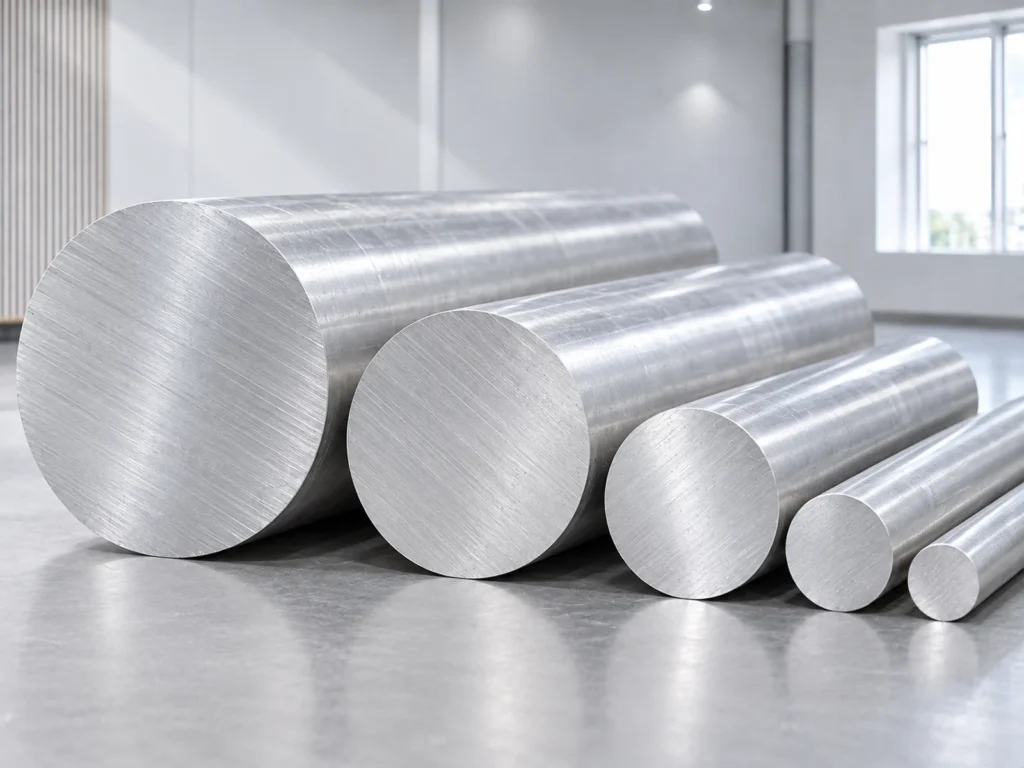
A solid bar and a thin hollow section present different part shapes. Explain how incoming stock is supported, where locating occurs and what faces matter after handling. Ask the supplier to identify the proposed arrangement for each profile family.
State the shortest and longest finished pieces, required angles and batch pattern. Mark any mirrored member or special end condition. These inputs belong beside the alloy record because the equipment has to deliver the complete finished-part requirement.
Where do finishing and later operations fit?
Record whether the stock arrives with its final visible finish or receives finishing after cutting. Identify the faces that the customer will see. Explain whether temporary protection is present and who specifies its removal, so sample handling represents the intended production route.
For a prefinished profile, review contact marks and cut-end appearance separately. For a blank that will be machined later, state the required allowance and locating faces from the approved drawing. A clean-looking saw cut does not confirm either requirement without the agreed checks.
Include later drilling, machining, welding or assembly when they affect the blank specification. Ask the responsible process owner to define what the saw operation must deliver. Do not assume that choosing one alloy settles every downstream requirement.
The guide to protecting visible aluminum surfaces helps organize contact and handling questions. Use it alongside the material record, rather than treating surface protection as proof of the correct alloy or temper.
A two-job example: same length, different review
The following example is invented to show how to organize an inquiry. It is not a recommended material specification or a machine test. Both jobs require a nominal 500 mm finished length, but the shape, supplied condition and later work differ.
| Job | Information supplied for review |
|---|---|
| A: 40 rails | Drawing specifies 6063-T5 hollow rails, supplied anodized. Review visible faces, joint ends and handling marks. |
| B: 20 blanks | Drawing specifies 6061-T6 solid bars. Review locating faces and the approved allowance for later machining. |
The shared length is one input. It does not establish a shared fixture, blade arrangement or accepted setup. Send each job’s section drawing, material record and acceptance method. Ask the supplier which settings or arrangements differ and how changes will be recorded.
Keep the samples and inspection results separated by job. If a rail passes its visual and joint-end checks, that result says nothing about the machining allowance on the solid-bar blank. Each release decision should refer to its own drawing and inspection criteria.
What should a 6061 vs 6063 aluminum trial record?
Start with representative material and a documented setup. Ask the equipment supplier to confirm the proposed blade and fixture configuration for the specific task. The alloy number alone is not a feed, speed or clamping instruction.
- Material identity: full designation, supplied lot, section drawing and surface condition.
- Trial scope: finished lengths, angles, quantities and any change between profile families.
- Inspection method: length datums, cut-end checks, visible-face review and drawing-based acceptance limits.
- Handling route: how pieces leave the machine, remain identified and reach the next operation.
Retain identified first and later sample pieces when checking consistency through the trial. Record any setup change beside the resulting pieces. This makes the review easier to follow and prevents a result from being attributed to the wrong material or configuration.
For a structured supplier discussion, use the sample cutting trial checklist. Agree what the trial can establish before it starts. A cutting trial evaluates its stated cutting scope; it does not certify the component’s structural or finished-system performance.
Common questions
Can I choose saw settings from 6061 or 6063 alone?
No. Provide the material condition, actual geometry and finished-part requirements. The equipment and blade suppliers should confirm the proposed configuration for that task. Do not turn a general alloy comparison into an operating instruction.
Can a photograph confirm the alloy and temper?
A photograph helps explain shape and visible condition. Use the supplied material documentation and your approved identification process to establish the designation. The illustrative images in this article do not verify alloy, temper or material test results.
Can I substitute 6061 for 6063 to simplify purchasing?
Only through the applicable design and material approval process. A cutting quotation or successful sample cut does not authorize a different component material. Confirm the permitted specification before requesting a production setup for the substitute.
Does a good cut prove that the finished product meets its design?
It proves only the checks actually performed on the identified samples. Later machining, joining, finishing and assembly may have their own requirements. Keep those approvals separate and traceable to the responsible process.
Prepare a clear material and cutting inquiry
Send JiurunCut the full material designation, section and part drawings, supplied finish, batch pattern and later-operation requirements. We can review the cutting task and discuss a representative sample trial with you.