
ALUMINUM PROFILE CUTTING
Match Your Cutting Setup to the Profiles You Use
Tubes, open channels and asymmetric aluminum profiles need different support and clamping. Show us the sections you use most often so we can discuss how to hold, cut and collect your parts.
ALUMINUM CUTTING MACHINE QUOTE
Which Machine Fits?
What Will It Cost?
Tell us what you need to cut. We’ll confirm the details with you, recommend a machine and prepare a quote.
- A machine for your partsWe review your aluminum material, size and cutting needs.
- Machine proposal and pricingSee the recommended machine, included equipment and price.
- Help with your cutting problemDiscuss burrs, material waste, slow cutting or too much manual work.
No model or drawing needed to get started.
Prefer to chat?
Chat on WhatsAppSend Your Inquiry
WhatsApp / phone and email are required. Your name or company, cutting details and drawings are optional.
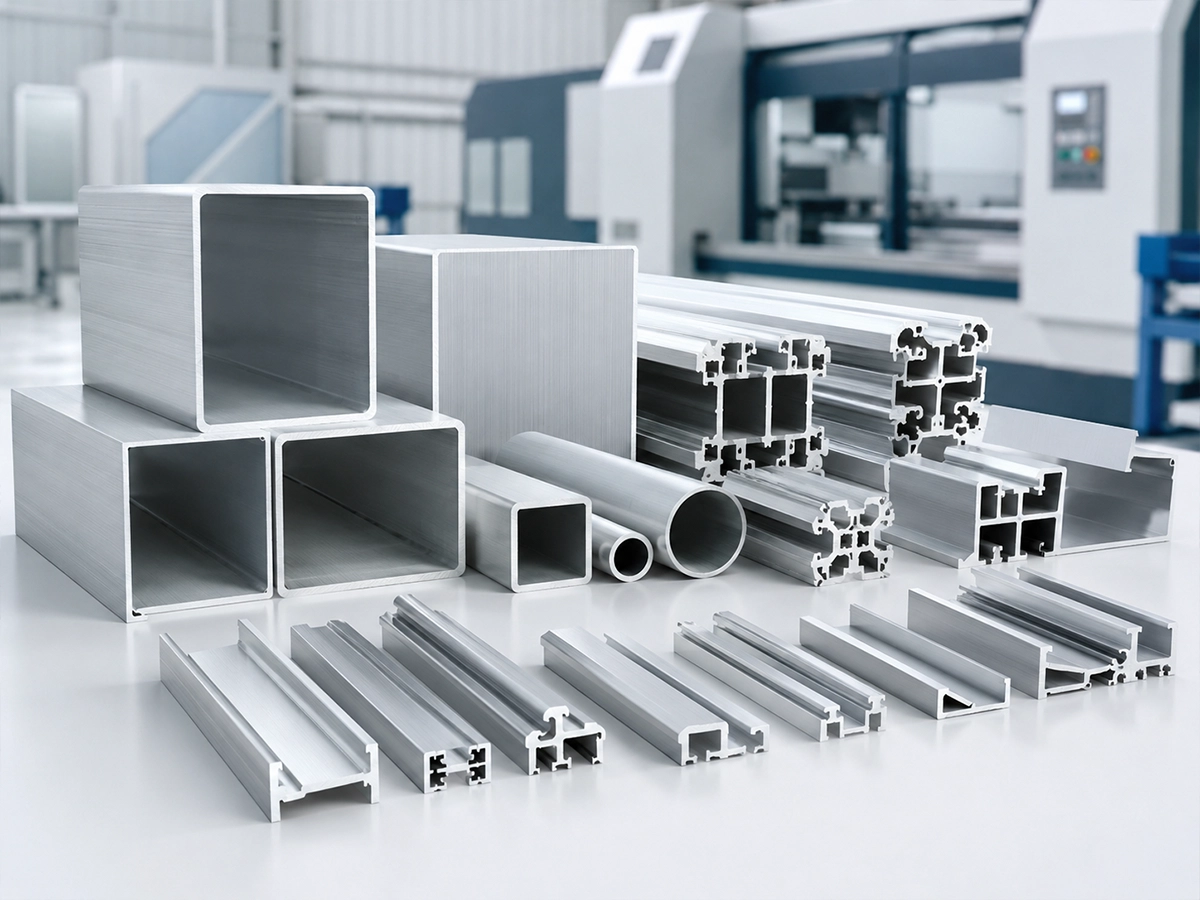
Review the whole section in its cutting position, including the surfaces that need protection.
Start with the section and its surfaces
Show your range of profiles
Include the sections that are difficult to support as well as the ones you cut most often. A drawing or clear end-on photo helps show open faces, thin walls and internal ribs.
Plan support and clamping together
The setup should hold the part without pressing on a weak or visible surface. Identify the faces that can take clamping force and the surfaces that need protection.
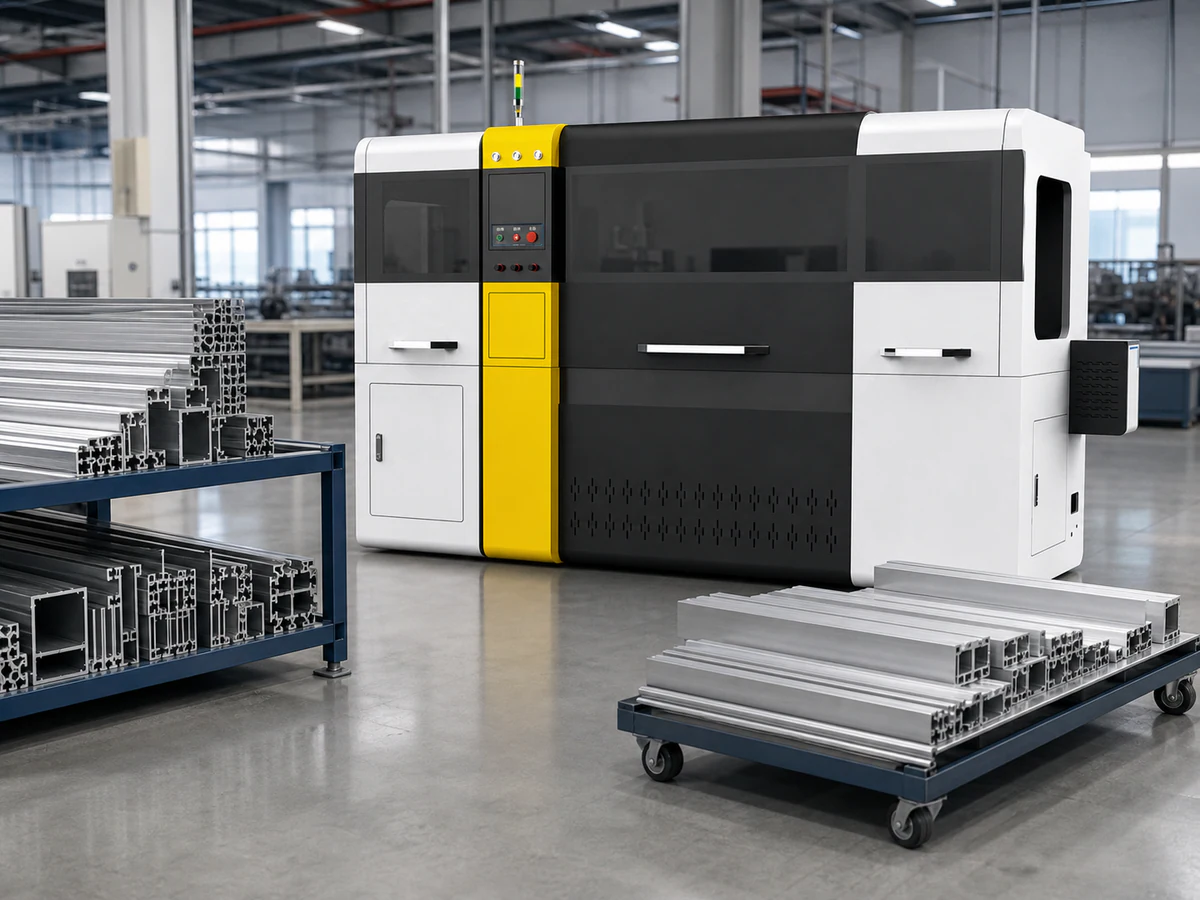
Plan for your everyday job changes
Make changes between jobs clear
Changing a length on the control screen may be different from changing the supports or fixtures. Discuss what changes automatically and what an operator adjusts for your regular profiles.
Check the part after normal handling
Define where the finished length is measured and what matters to the next operation. Review the cut face and visible surfaces after the part has been collected, especially when it will be joined, coated or displayed.
Questions before you enquire
Planning your profile setup
You can start with the information you have and add the remaining details as the discussion develops.
Can one machine cut all of my profiles?
Each relevant section, orientation and cut needs to be reviewed. Send your profile range so the proposed machine and fixtures can be checked against your jobs.
Does the maximum height and width prove my profile will fit?
No. Those figures may describe separate limits. The complete section, its orientation and the required cut angle must be checked together.
Will a program change also adjust the clamps?
That depends on the configuration. The proposal should state which adjustments are automatic and which need operator setup.
What if I do not know the tolerance yet?
You can still contact us. Explain how the part will be used or assembled, and add the drawing or tolerance when it is available.
Review the profiles you actually cut
Start with a photo, drawing or short description. Add more detail when you are ready.