
Medical cart push-rail aluminum cutting starts with a stock-form question. A finished cart may have an aluminum top rail that doubles as a push handle, but another cart may mold its handle into a polymer top. A saw supplier cannot quote a cut aluminum blank from the finished-cart label alone. The OEM first needs to release the actual rail section, connection method and acceptance boundary.
This guide is for buyers sourcing straight, cut-to-length aluminum rail members for a cart they design or assemble. It does not specify a complete clinical cart, validate a handle load or claim a particular manufacturer uses Jiurun equipment.
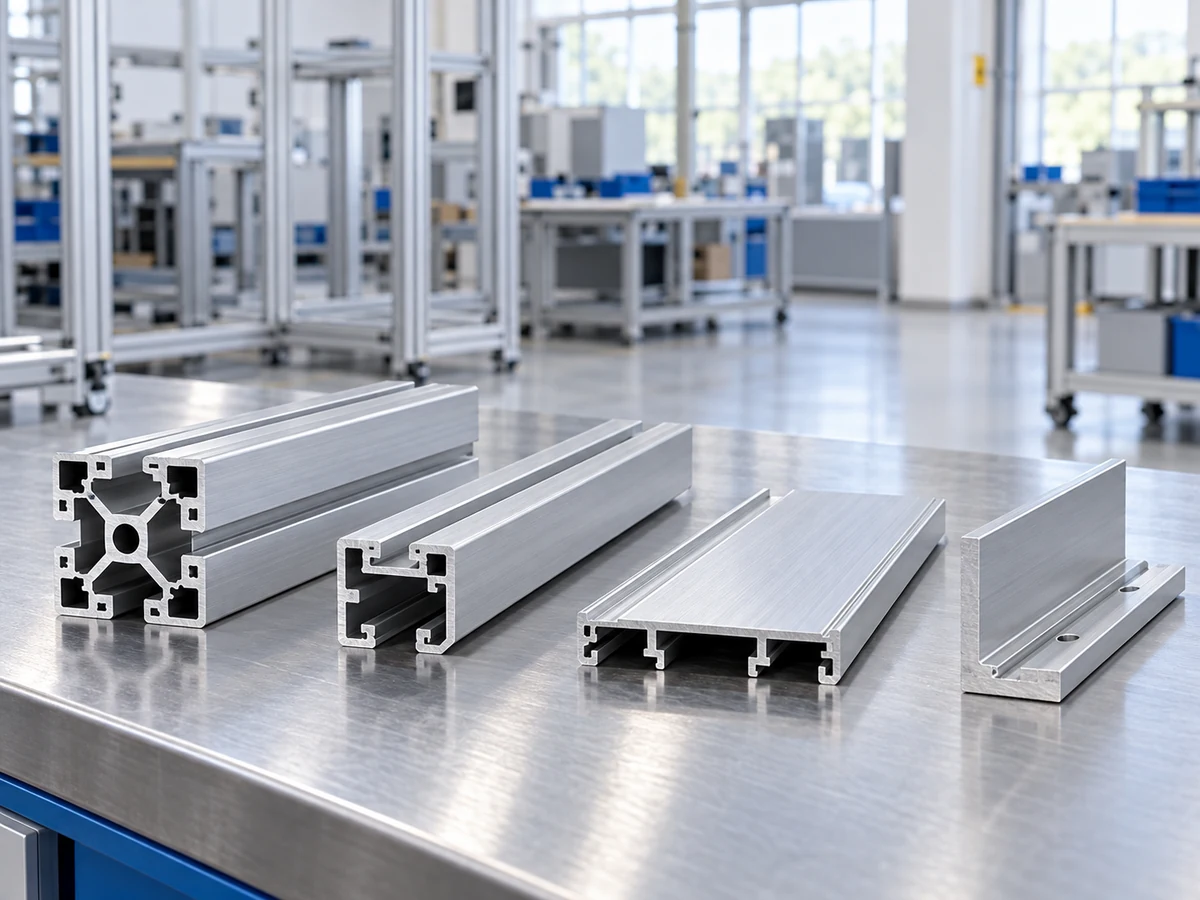
Medical cart push-rail aluminum cutting begins with stock form
A Harloff medication-cart specification lists a painted aluminum top rail/push handle. By contrast, Metro’s general-use cart range includes models with handles molded into the cart top. These are manufacturer examples of different constructions, not interchangeable drawings or evidence of a Jiurun project. A purchasing request must state whether the part is an extruded aluminum blank, a formed rail, a finished handle assembly or no separate metal part at all.
1. Identify the rail profile and mating cart revision
Attach a section drawing or approved physical sample, the cart model revision and the material and finish specification. Name the profile’s visible face, underside and mounting face. Do not quote a photograph of a complete cart as though it defines wall thickness, internal cavities or tolerances. If a paint or powder-coat process follows cutting, record whether the drawing dimensions apply before or after coating.
Keep right-hand, left-hand and shared rails as separate part numbers until the OEM confirms interchangeability. A symmetric appearance in a sales image does not prove that hole positions, end caps or fastener access are symmetric.
2. Define the actual cut members and length datum
List each straight member, cut length and quantity per cart. State whether length is measured over the outside profile, between mating shoulders or to a finished end cap. Show the datum face and the inspection method. A supplier needs to know whether any final trim happens after a corner is fitted, and which operation owns that trim.
Ask whether a long push rail is one member or a joined kit. A splice or corner connector changes the useful cut length and the number of exposed ends. Put connector insertion depth and end clearance on the released drawing rather than leaving them for the saw operator to infer.
3. Release end conditions before selecting a saw setup
Specify square or angled ends, deburr direction, edge-break requirements and any localized notch or relief. Keep drilling, tapping, bending and finish operations in the routing sheet as distinct steps. A clean saw cut does not automatically satisfy a mounting-hole pattern or a finished handle’s touch-surface requirement.
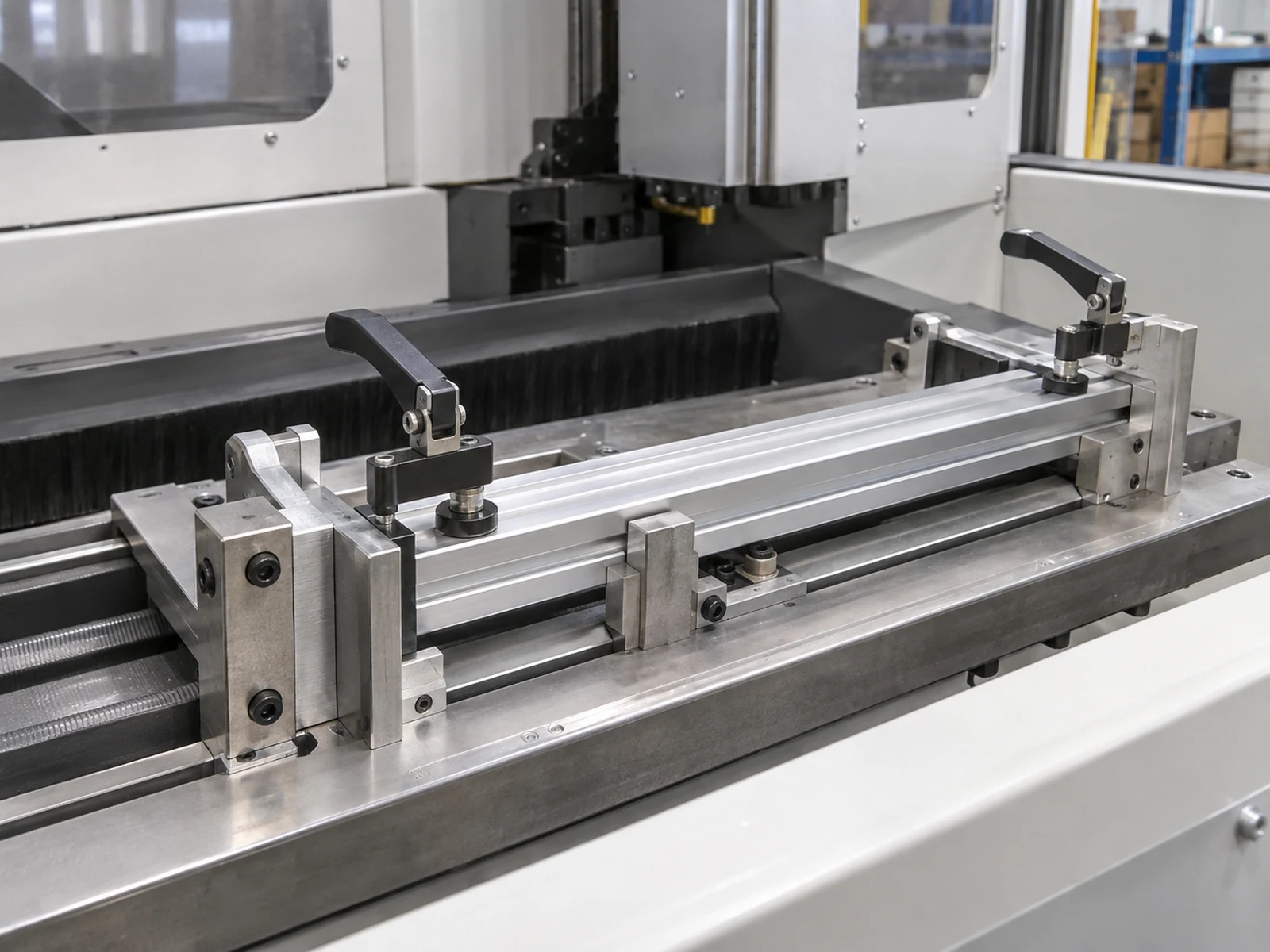
If a hollow section can deform under a clamp, document the supported faces and the first-off check. Quote trials against the actual released rail section, not against a more rigid substitute. The buyer should specify inspection criteria; the trial result must be recorded separately before any production promise is made.
4. Separate mounting features from the cut blank
A top rail may attach through screws, brackets, end plugs or a formed interface. State who supplies each connector, who drills or machines the rail and where final assembly takes place. Identify the protected finish areas and any contact surfaces that must stay free of chips or handling marks.
The RFQ should distinguish three possible deliverables: straight saw-cut blanks; cut and machined rail components; or a complete rail-plus-hardware kit. Ask for a quote against only the approved deliverable. This prevents a price for loose stock from being compared with a price for a mount-ready assembly.
5. Inspect the first-off part at the joint
Before releasing a batch, compare a first-off cut against the drawing and a real mating connector. Check overall length, end squareness or specified angle, burrs, section distortion and the way the part seats on the cart interface. Record the gauge, the acceptance range and the disposition of any nonconforming end.
A useful first-off record identifies the part number and revision, stock lot, setup reference and measured result. It is evidence for that run, not a blanket statement that a different cart revision will fit. For broader record design, see our aluminum cutting traceability guide.
6. Keep finishes and kit labels tied to the revision
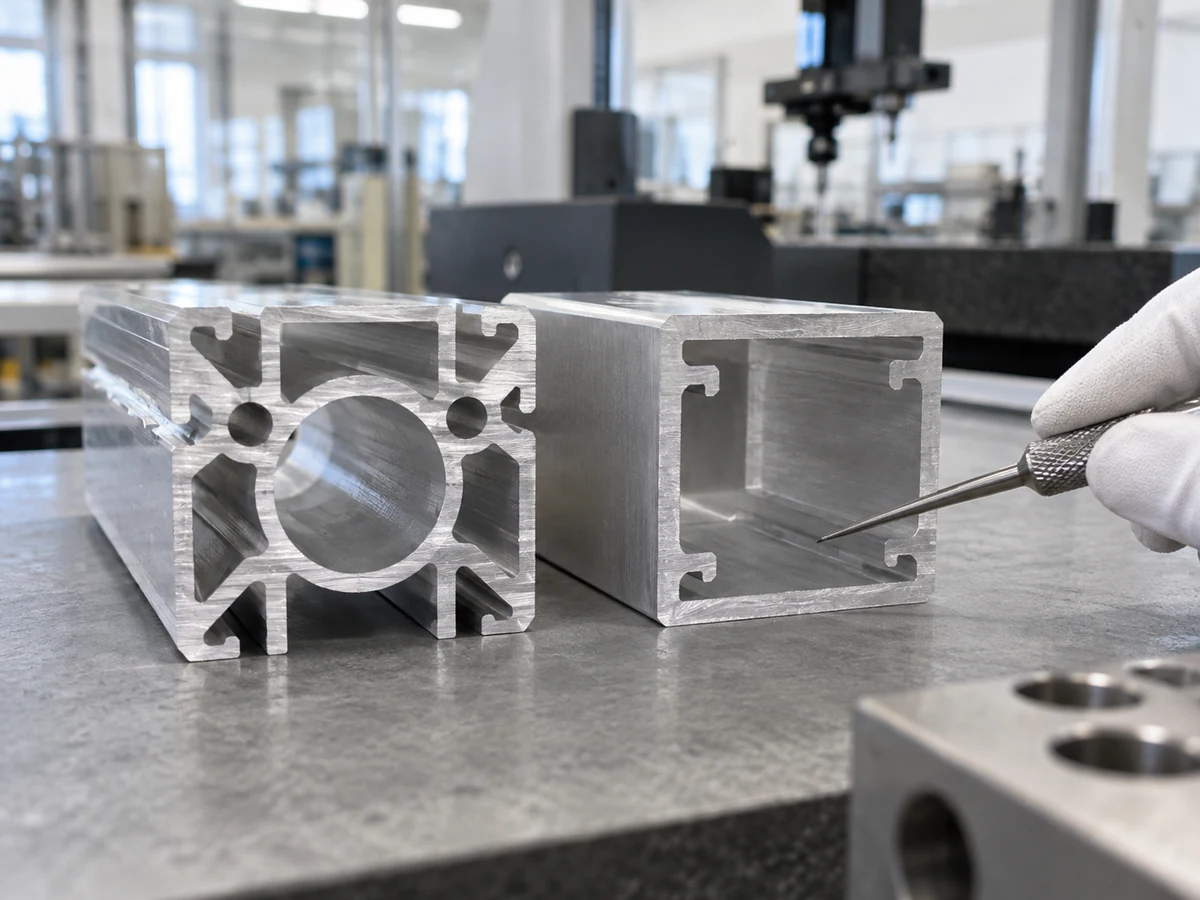
If rails are cut before coating, protect the intended finish route in the traveler. If they arrive prefinished, define permissible clamp and handling contact. Ask how cut ends are treated, whether an end cap covers them and who checks the visible condition after assembly. Do not assume a coating thickness or clinical-cleaning performance from a generic profile image.
Pack the released rail by cart variant and part number. For a two-side kit, label left and right even when both pieces are the same length. Include connector and hardware counts only if the supplier’s scope includes those items. A bag count is not an assembly approval; the cart OEM still owns final build and use requirements.
7. Ask for a quote that names exclusions
Send a short RFQ pack: the rail drawing and revision; stock-form confirmation; cut and end details; annual and batch quantities; first-off acceptance method; finish routing; packaging; and the explicit deliverable boundary. Request separate prices for any optional machining or kitting. Name what the saw supplier is not being asked to certify, including cart stability, clinical use, load rating and complete-cart conformity.
For a related member-level comparison, our medical equipment cart column cutting guide addresses a different structural part. A column, push rail and molded handle should not share one drawing merely because they appear on the same cart.
Related machine demonstration
The following Jiurun channel video shows a cutting-machine operation as related equipment context. It does not demonstrate this medical-cart rail, its profile or revision, a customer trial or any measured performance for this article.
Send the released rail scope
For medical cart push-rail aluminum cutting, first confirm that the push rail is a separate aluminum member. Then send Jiurun the section drawing, mating interface and cut-blank scope. We can discuss the saw-cutting requirement against those files; final cart design, fit approval and application claims remain with the cart OEM.