
Aluminum drawer slide rail cutting is a narrower purchasing task than ordering an aluminum profile saw. A telescopic drawer slide may arrive as a complete paired assembly with outer, middle and inner rails, bearings and retention features. A factory making the product may instead have a separately released rail blank to cut before machining, finishing and assembly. Those two purchases require different evidence. A saw quotation should begin with the exact unfinished part the factory is authorized to make, not the outside dimensions of a finished slide.
This guide is for an OEM or approved slide manufacturer comparing a bought finished slide, a prepared rail, and an in-house cut blank. It does not instruct a user to shorten or modify an assembled slide. Confirm the actual rail design, stock form, drawing revision, machine configuration and acceptance method with the responsible product owner and saw supplier.
1. Decide whether the deliverable is a complete slide or a rail blank
List each item purchased today: a complete left-and-right slide pair, an individual prepared rail, a raw profile, or a kit of unfinished rail members. Record who owns the bearings, cages, stops, locks, mounting features and final assembly. A buyer should not compare the price of a bare cut rail with that of a tested complete slide as though both were the same deliverable.
Schock’s technical description distinguishes outer, middle and inner rails, a ball cage and optional functions in telescopic slides. Its product range also includes aluminum slide versions, but those catalog examples do not establish that the user’s particular slide is made from an extrusion or can be shortened on a saw. If the plant buys a completed slide, request the approved length and mounting option from that slide supplier. If the plant actually makes a rail, obtain the released drawing for that separate member.
2. Release the real stock form and every member identity
An RFQ needs the incoming material description for each rail member, not simply “aluminum slide.” Ask whether the approved input is a rolled profile, a milled bar, an extrusion, or a prepared semi-finished part. Record alloy and condition from the product drawing, cross-section, supplied length, surface condition, protected running faces, datum face and revision. Do not substitute an attractive catalog photograph for the stock that will enter the saw.
A three-member full-extension slide can have different rail shapes and end treatments. The outer rail, middle rail and inner rail may not share a cut length or downstream route. Put a separate line in the cut list for every released member and hand. If the design uses an already populated or hardened part, the product owner must decide whether any post-supply cutting is permitted at all. The generic guide rail blank purchasing guide covers the broader rail-versus-carriage boundary; this checklist addresses the specific multi-member drawer-slide route.
3. Translate finished-slide length into approved blank lengths
Request the finished slide’s stated installation length, drawer or chassis interface, extension type and mounting layout, then ask engineering for each corresponding rail-blank length. Do not assume the catalog length is the length of every individual rail. The factory drawing should show which end is the measurement datum, whether the cut face is later machined, and which end features must remain intact. For replacement orders, include the exact slide family and revision so a nominally similar length does not hide a changed interface.
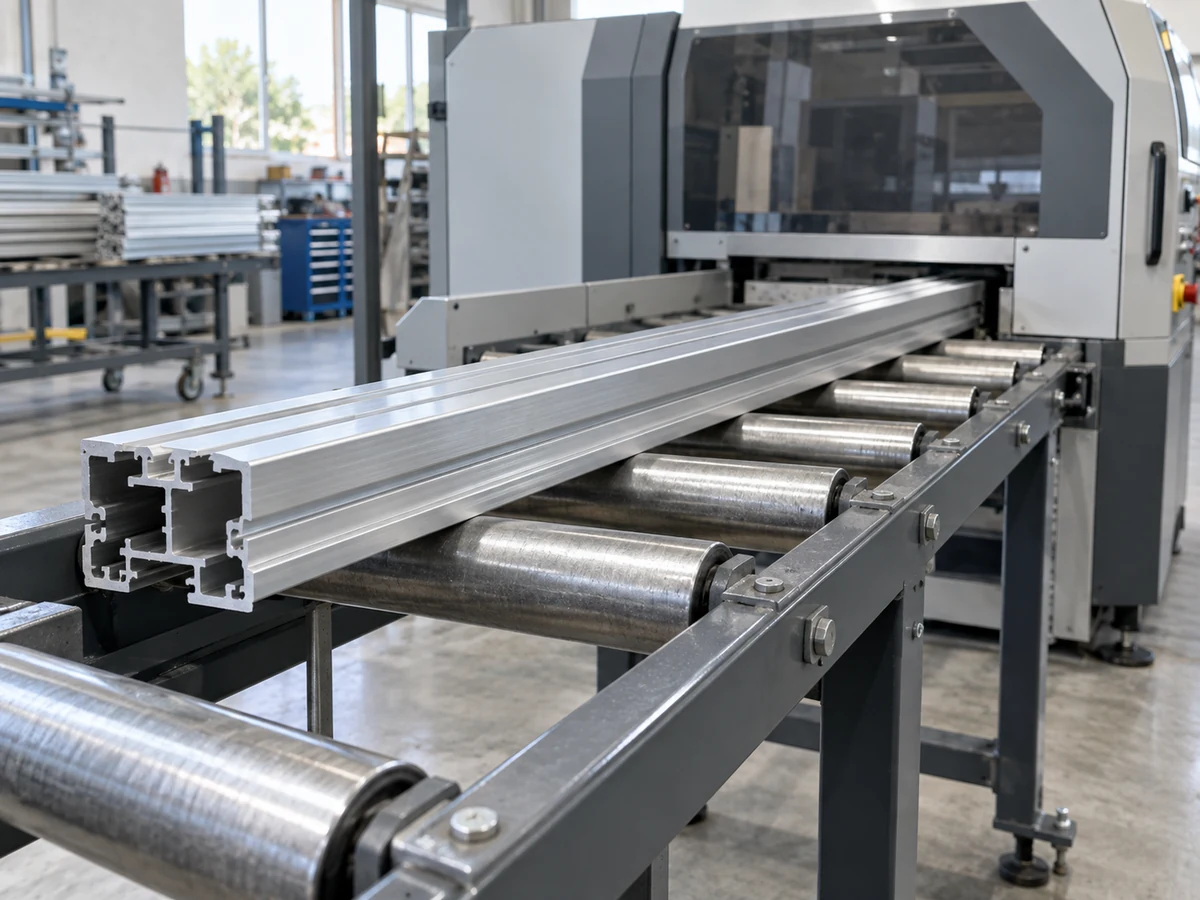
Before quoting throughput, have the supplier demonstrate the longest and shortest approved blanks in the actual stock form. Record the infeed and outfeed support needed for slender sections, the available cut length, the planned cut sequence and the handling of short residual stock. The buyer should compare complete accepted rail sets per shift, rather than a theoretical saw stroke or cut-cycle number.
4. Prove the clamp and support arrangement on the released section
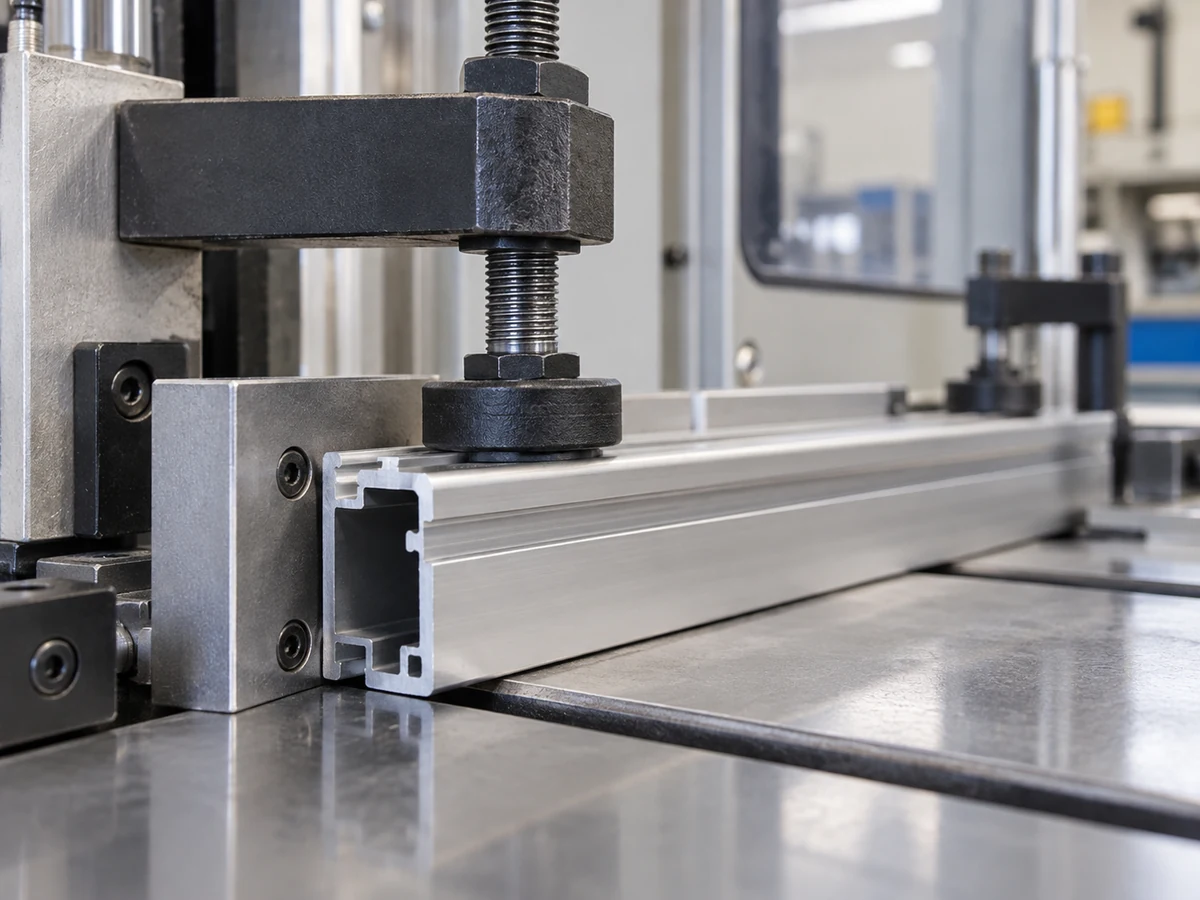
A narrow rail may have an open channel, a thin lip, a finished running surface, or a local feature that should not be crushed or marked. Supply the actual cross-section and the faces approved for contact. Ask the saw supplier how the quoted fixture will locate and support that shape for each required orientation. The answer should identify the workholding included in the price and any special insert or changeover component.
Run a witnessed trial on representative approved stock. Inspect the rail after clamping and cutting for distortion, marks on functional surfaces, end burrs, and retained section shape against the released drawing. The product owner defines acceptance criteria; no universal force, blade, feed rate or tolerance can be inferred from another rail or machine photo. The related thin-wall cut-end approval guide explains why a cut end and section shape both deserve inspection.
5. Separate saw acceptance from slide function
A saw trial can show an approved rail blank’s length, cut-face condition and repeatable handling under stated conditions. It cannot by itself establish that the assembled slide locks, disconnects, travels smoothly, carries its rated load or survives its intended environment. Those outcomes depend on the complete slide design and its subsequent manufacturing and verification. Request a named handoff point: cut blank; prepared rail after machining and finish; assembled slide; or installed drawer system.
Keep bearing paths, cages, stops, holes, coatings and lubrication in the responsible process plan. If a purchaser proposes cutting a finished slide after delivery, require written approval from its manufacturer and a product-specific validation route. Accuride’s industrial catalog notes that an aluminum slide can have aluminum members with stainless steel bearing components, and advises application testing. That is a reminder to distinguish member material from the whole slide’s performance, not permission to alter an assembled product.
6. Count the right unit and preserve its identity
Specify whether a quoted quantity means cuts, individual rails, matched rail sets, complete slide pairs or accepted installed assemblies. A cut counter alone cannot tell the buyer how many good paired slides are ready. Keep a simple traveler with slide family, revision, rail identity, hand if applicable, material lot, cut length, first-off decision, rejected pieces and downstream destination. If rails from different jobs look similar, define physical segregation and labels before the trial.
When samples are held for inspection, record whether they enter the shipment count. Link any rejected rail to its replacement blank and receiving decision. The useful comparison is the cost and elapsed time to deliver the same accepted unit under each supply route, including bought components, preparation, inspection, handling and assembly that the saw does not perform. Ask for a sample output record before accepting a digital-counting claim; the production-data export checklist shows how to specify that record.
7. Send an aluminum drawer slide rail cutting RFQ that a supplier can test
Provide one released drawing and representative stock for each rail family to be cut, with the complete slide family and revision used only for context. State blank quantity by member, acceptable contact faces, protected features, first-off and batch inspection criteria, downstream operations, requested packaging and the receiving unit. Ask the supplier to identify the exact machine and fixture configuration, included loading and outfeed, trial method, exceptions, and who signs off the rail blank.
Do not turn a successful aluminum-profile demonstration into a claim of drawer-slide approval. A responsible decision compares finished-slide procurement with separately released rail manufacture and assigns the remaining product work to named owners. If the drawing or stock form is not released, obtain it before choosing a saw.
Watch a related saw-feeding example
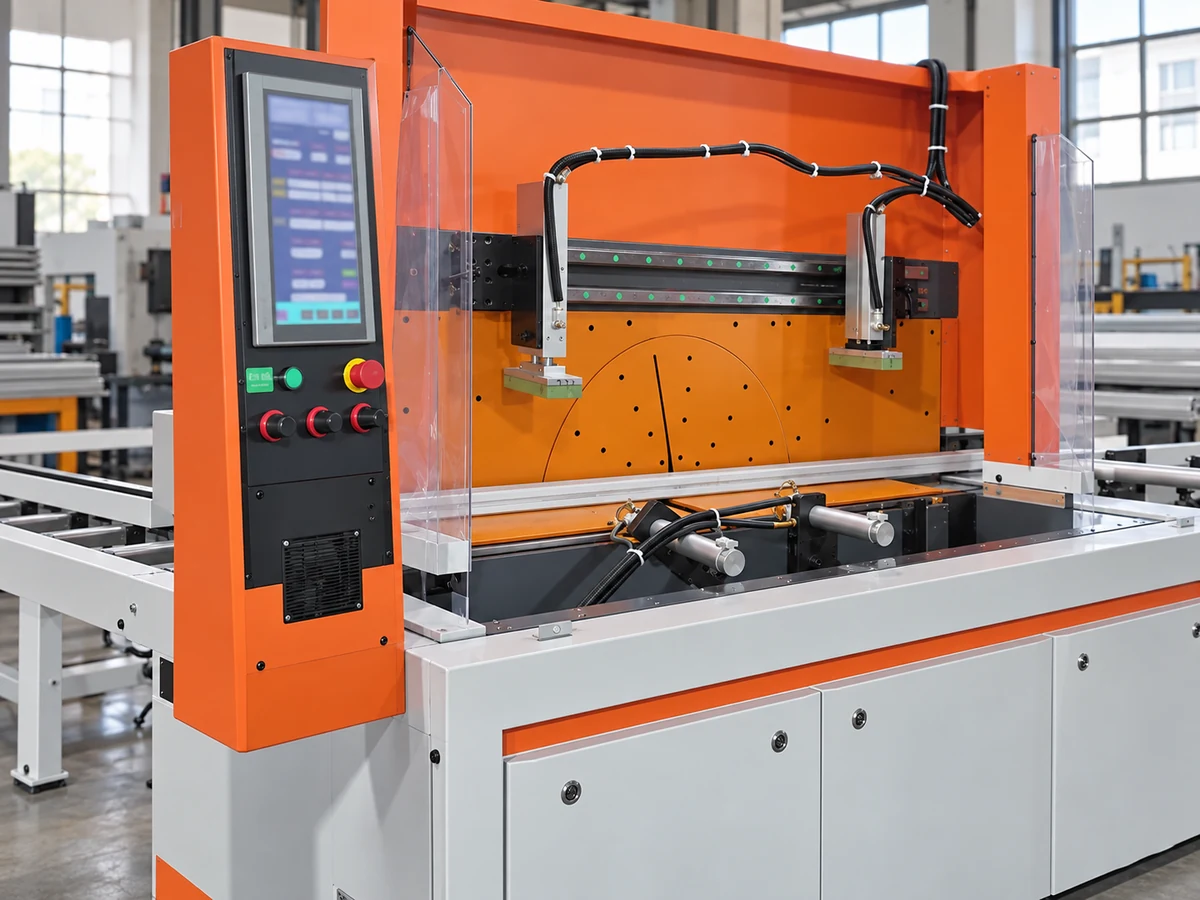
This video is from Jiurun’s own machinery channel and shows long aluminum stock feeding toward a saw. It illustrates one general material-handling stage. It does not show a drawer slide rail, its released material, a specific quoted configuration, an accepted trial or complete-slide performance.
Request a configuration-specific quote
Send JiurunCut the released rail drawings, actual incoming stock, lengths, section orientation, required accepted quantities and trial criteria. Ask which saw, fixture, support and handoff the quotation includes. For aluminum drawer slide rail cutting, send only the approved rail blanks into a witnessed trial. If the plan is to buy complete slides, keep the finished-slide supplier’s specification and validation as the purchasing baseline.
Sources and scope
- SCHOCK technical details describe the outer, middle and inner rails, ball cage and extension types of telescopic slides.
- SCHOCK aluminum telescopic slide examples show that aluminum versions exist; they are not specifications for the reader’s product.
- Accuride industrial catalog separates member and bearing materials and calls for application-specific testing.
These external product descriptions establish the category and assembly boundary only. All rail dimensions, stock forms, cutting permissions, process steps and acceptance limits must come from the buyer’s approved product and the quoted machine configuration.