
Wet-cut aluminum parts need a defined pack-out condition. A cut-length tolerance does not describe the condition of an aluminum part when it reaches a packing station. If a cutting process uses fluid, one quotation may end at the saw outfeed while another includes a separate drain, dry, clean, inspect and pack step. Both can satisfy the same length drawing, yet deliver different work to the receiving team. A useful RFQ therefore states the condition at the handoff point and names who owns the steps between cutting and packing.
This is a purchasing and process-planning guide. It does not assert that every aluminum saw uses coolant, that a particular Jiurun model has a given cleaning system, or that one pack-out method suits every alloy and finish. Ask the supplier to confirm the actual cutting process and agree on a representative sample before setting acceptance limits.
First, define where the supplier’s scope ends
Write the physical handoff point into the quotation: saw exit, an intermediate staging rack, a separate finishing station, or a sealed shipping package. Then state the condition expected there. “Cut to length” describes geometry. It does not by itself promise a dry bore, a clean cut face, a stain-free appearance after storage, or packaging suitable for direct assembly.
For example, a buyer of hollow extrusions might request 1,200 mm blanks for a later assembly operation. This is a hypothetical example, not a Jiurun trial or customer order. A saw-only supplier could hand over dimensionally correct blanks with process fluid still on the cut end. A supplier quoting ready-to-pack parts would need a defined downstream treatment, inspection point and packaging method. Compare the two offers on the same deliverable before comparing cycle time or unit price.
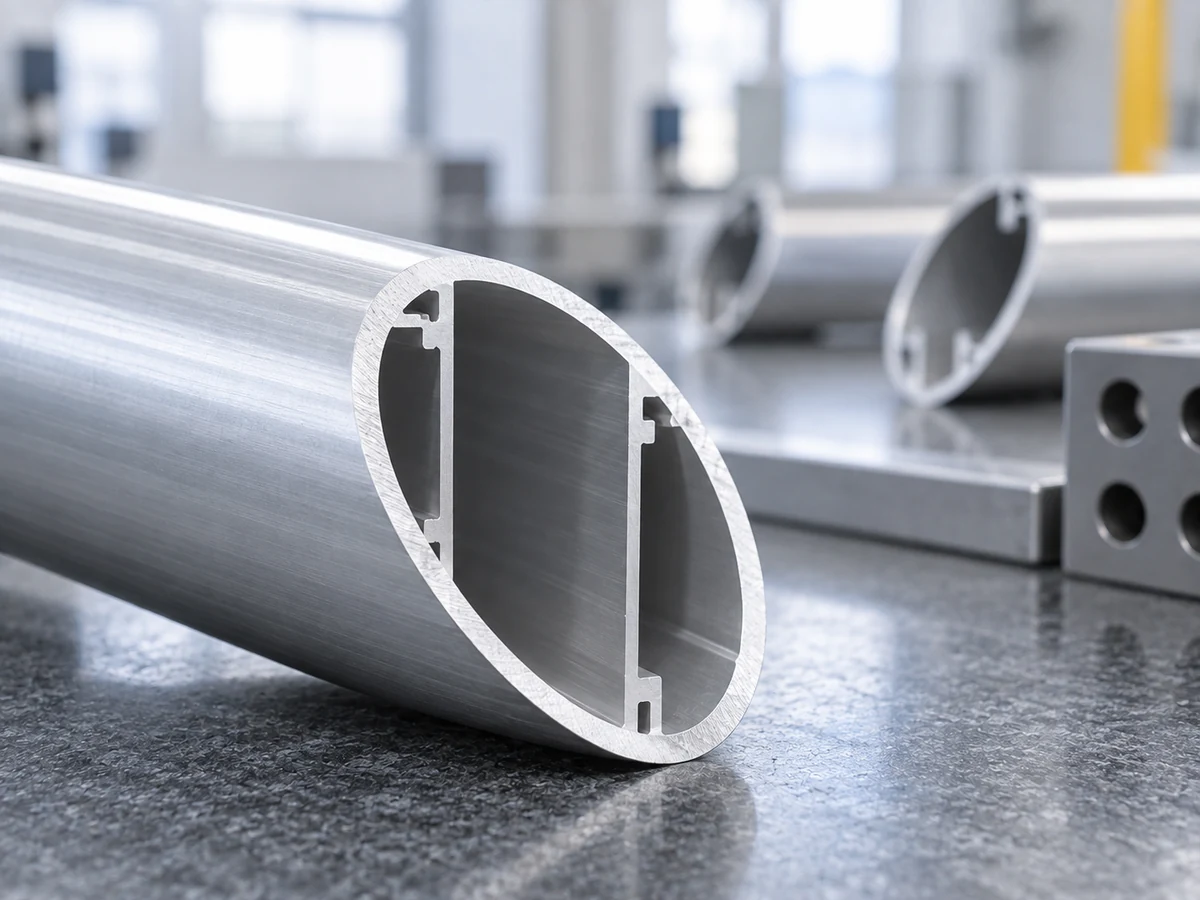
Wet-cut aluminum parts: what does “dry” mean?
Do not let “dry” stand alone. Identify the surfaces that matter: exposed faces, saw kerfs, hollow interiors, grooves, contact faces and any area that will later be bonded, finished or assembled. Specify whether the requirement is no visible free liquid at the defined inspection point, no transferable residue under an agreed wipe check, or another measurable condition. A visual check cannot prove a surface is chemically clean; if the next operation needs that assurance, define its own qualified test.
The fluid and alloy matter. Castrol notes that metalworking-fluid residue can depend on fluid use and operating conditions. That observation supports asking what residue may remain; it does not supply a universal allowable value for every aluminum cut part. Have the actual fluid supplier and process owner confirm compatibility and control limits where appearance or downstream finishing is sensitive.
Moisture can also become a packaging issue when metal surfaces remain in contact. The Aluminum Association’s water-staining guidance discusses moisture and storage/contact conditions for aluminum products. Its examples are not a pass/fail standard for a particular sawed extrusion. Use it to frame a trial of the actual profile, finish, contact materials and expected storage period.
Specify the cut-to-pack sequence
A practical specification follows the part, rather than assuming the saw completes every operation:
- At saw exit: record the cutting method, whether fluid is used, the profile orientation and the condition of the cut face and cavities.
- At intermediate handling: state who drains, moves or stages the pieces, how long they may dwell, and what surfaces touch one another or the rack.
- Before packing: define any approved drying or cleaning step, the inspection method, the responsible person and the exact observation point.
- At dispatch: identify separators, wrap or containers and the planned storage and transport conditions. Confirm that the selected packaging does not trap an unacceptable condition against the part.
These are scope questions, not a prescribed machine configuration. A saw vendor may supply only the cutting equipment; another station or the buyer’s own line may complete the remaining work. Make that division explicit in the purchase specification and in the acceptance record.
Use a small acceptance matrix
Ask both the supplier and the receiving team to sign off on a short matrix before production. The same drawing should be used for each quoted scope.
| Decision | State in the RFQ | Evidence to collect |
|---|---|---|
| Delivered state | As-cut, drained, dried, cleaned or packed; define each term for this part. | Process route and named handoff point. |
| Critical surfaces | Cut faces, external finish, grooves and internal cavities that must be checked. | Marked drawing or inspection photographs of the agreed surfaces. |
| Inspection timing | At saw exit, before packaging and, if relevant, after an agreed hold period. | Time-stamped observations under agreed lighting and handling conditions. |
| Acceptance rule | Visible liquid, transferable residue, appearance or next-process test as applicable. | Pass/fail record with method and sample size agreed in advance. |
| Owner | Who performs treatment, inspection, packing and corrective action. | Quotation line items and sign-off by the responsible teams. |
Do not invent a numerical residue threshold simply to make the RFQ look precise. If the downstream operation requires a measured cleanliness limit, have that operation define its test method, sampling plan and acceptable result. A supplier can then quote a process that is capable of being evaluated against that target.
Run the sample on the actual profile
Choose the real alloy, geometry and finish, including a hollow or recessed feature if the production part has one. Agree on the cutting fluid or other process conditions that will be used for the order. Inspect at the saw exit and at the specified pre-pack point. If shipping or storage could change the condition, add a representative hold and reinspection agreed by both parties. Record the profile orientation, handling and packaging used in the trial so a later change can be recognized.
A trial of wet-cut aluminum parts does not prove a production line will behave identically forever. It does expose ambiguous scope: if free liquid is found at the agreed handoff, is the answer a downstream step, a changed handling route, or a changed deliverable? Decide that before making a production price comparison. For a separate question about loose material left in cavities after wet processing, see our cut-part drying media guide. For parts destined for adhesive bonding, see the lubricant-residue bonding handoff.
Compare quotes by delivered condition
For wet-cut aluminum parts, request separate prices for (A) saw-cut blanks at the outfeed, (B) cut blanks plus a documented downstream condition step, and (C) parts inspected and packed to the agreed condition, if those are services a supplier actually offers. Include handling time, inspection, rejected-part disposition and packaging in the comparison. The lowest saw-only unit price may still be the right choice when the buyer already owns the subsequent process; the quote should make that ownership visible.
The related JiurunMachinery saw video below shows a saw equipment scene. It is not a demonstration of this article’s fluid, drying, cleaning, packing or acceptance test.
RFQ wording you can adapt
Quote the specified aluminum profile cut to the attached drawing. State whether the cutting process uses fluid. Identify the handoff point and price the as-cut and ready-to-pack scopes separately where available. For the ready-to-pack scope, propose a documented process and inspection method for the marked external surfaces and internal cavities. Confirm the permitted time and handling before packing, the packaging contact materials and the responsible party for each step. Acceptance limits and the sample plan will be agreed on the actual profile before production.
Send Jiurun your profile drawing and target handoff condition to discuss which cutting equipment and downstream responsibilities should be evaluated. Ask for confirmation of the actual model configuration and process route before treating any illustrative image or video as a production promise.