
Include aluminum saw lubricant residue in the assessment of what reaches your established bonding process. Decide whether the new saw’s output still passes through the established preparation stage or is proposed for direct bonding. Equal cut dimensions do not make those deliveries equivalent, and removing a transfer step does not establish bonding readiness.
Aluminum saw lubricant residue belongs in the handoff
Hypothetical purchasing example: a tooling factory bonds an aluminum cover member to a bracket. The cover’s designated cut end is the bonding face. Its existing route includes sawing, a separately approved surface-preparation stage and a defined handoff to bonding. The factory now wants to add a saw and reconsider that transfer.
Assume the existing route has been approved for its established combination. No approval is assumed for the additional saw, its actual cutting process or the surface it produces. This is an invented purchasing discussion, not a JiurunCut customer, demonstration or bonding result.
Two cover pieces could meet the same length and section requirements while reaching bonding through different routes. One passes through the preparation stage; the other arrives directly from cutting. A tidy appearance is not evidence that the designated end has the same bonding-relevant surface condition.
Keep the discussion on that end, not the whole cover described vaguely as clean. If another product bonds along an outside wall instead, identify that actual region and its handling and preparation history. Do not assume where fluid reaches or what remains on an unseen surface.

A new saw changes the input being considered
Proposal A retains the existing preparation route. The additional saw supplies cut pieces to the established next stage. This keeps preparation in the production plan, but the responsible process team still needs to determine whether the new material, tooling and fluid conditions fall within the route’s confirmed scope.
The same preparation equipment and adhesive may remain in use, yet their incoming cut part now comes from another process. Establish which conditions the existing route already covers and which new ones need review. Merely retaining the stage on the production plan does not establish equivalent input.
Leitz’s discussion of aluminum block and plate machining distinguishes added coolants and lubricants from tool designs intended for dry machining. This is a process-and-tool distinction in that stated material-form context, not permission to switch off lubrication on another saw or proof of dry-cut profile suitability.
Proposal B removes the preparation handoff. The cover would move from the new saw directly to bonding. The buyer’s reason is to eliminate an intervening transfer, but this also removes a process stage. Until the direct route is assessed, preparation cannot be counted as work the new purchase has made unnecessary.
B is not declared a failed route. It is a different, unconfirmed requirement. Neither a low-fluid description nor the word dry supplies the missing conclusion about the chosen face and adhesive.
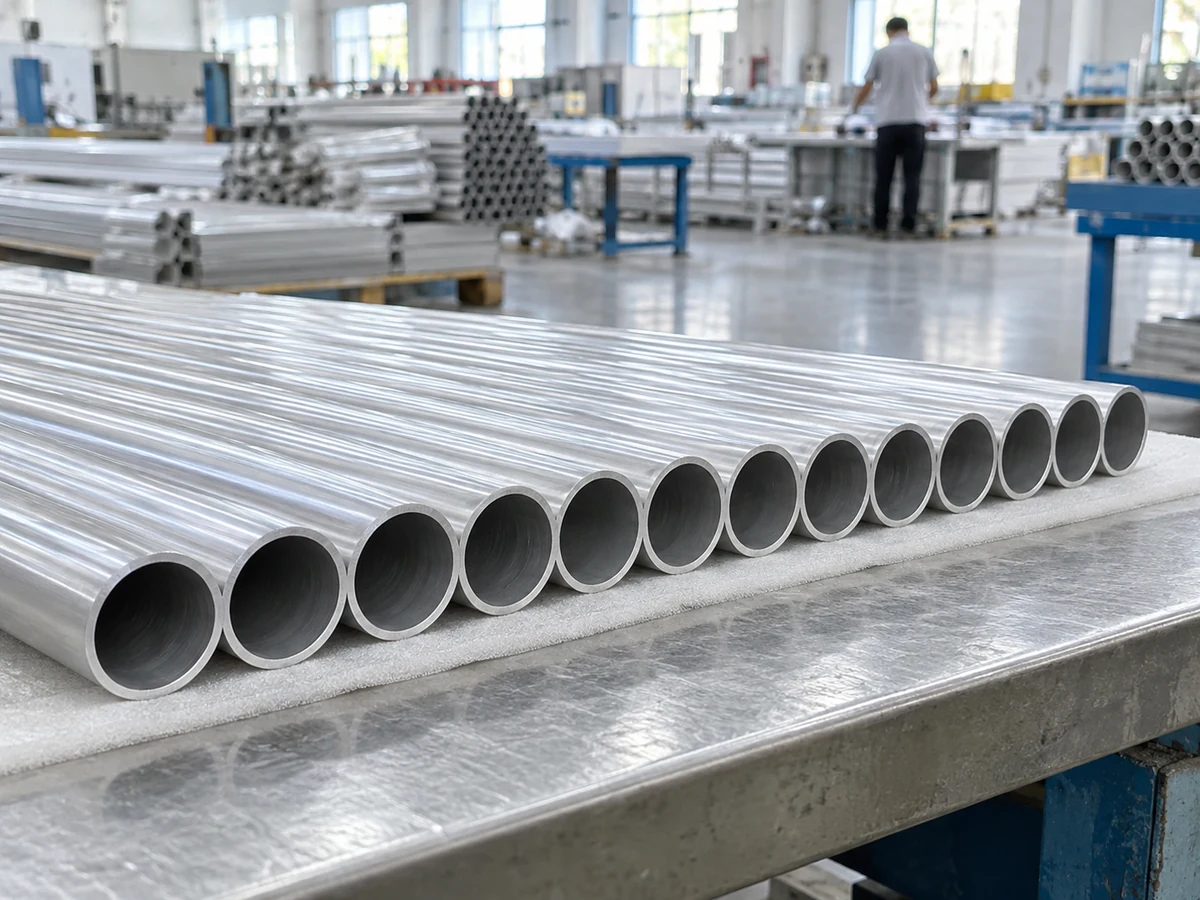
Compare what reaches the bonding station
Proposal C changes the upstream process instead. Another provider suggests a different cutting process or fluid to reduce residue. That is a proposal to assess, not evidence that residue is absent or that the existing preparation can be omitted. It also needs a cutting-tool and process assessment for the actual part.
| Hypothetical handoff | What changes physically? | Procurement consequence |
|---|---|---|
| A — Retain post-cut preparation | Output from the new saw still passes through the established preparation stage. | Confirm whether that stage’s accepted scope covers the new input; retaining it is not automatic approval. |
| B — Send the as-cut piece directly to bonding | The designated end bypasses the preparation stage in the proposed route. | Direct bonding remains to be confirmed. Do not compare it as though preparation has already been eliminated successfully. |
| C — Propose a different cutting process or fluid | The cutting process and the surface delivered downstream may differ. | Assess the actual process and bonding combination before deciding which preparation work remains. |
Compare these offers at the same endpoint: the condition accepted by the established bonding operation. A retains separate preparation; B removes it; C changes the cutting process. A saw-only price or a shortened flow diagram cannot resolve their different remaining work.
This is not a requirement to purchase a cleaning machine. The existing preparation may remain suitable, may need review, or a different route may be accepted by the responsible parties. Keep that decision separate from the equipment supplier’s confirmation of cut dimensions. No method or additional equipment is selected here.
Keep approval with the actual combination
Sika’s surface-preparation white paper explains why material specifications alone do not establish bonding-relevant surface condition. It discusses clean surfaces and qualification of the substrate, preparation and adhesive combination, including review when manufacturing conditions change. This is general application guidance, not approval of the fictional cover or any JiurunCut output.
The factory can use its existing confirmed route as the comparison baseline without treating it as an answer for every new input. What needs resolution is the designated face produced by the proposed cutting process and accepted by the chosen bonding route.

A focused purchasing reply could read:
Our cover’s cut end enters an established bonding process after a confirmed preparation stage. Please distinguish a cutting-only offer that retains that handoff from any proposal for direct bonding. Identify the actual cutting process and fluid proposed so our responsible application team can assess the changed input. Keep removal of preparation unconfirmed until that team accepts the relevant combination.
This requests the missing production decision, not an adhesive recommendation or a test procedure. Unknown residue is not proof of failure, and an output called clean is not proof of acceptance.
For equipment-category context, see the aluminum profile cutting machine and CNC aluminum cutting machine pages. These references do not establish dry-cutting suitability, cleaning services or bonding readiness.
Discuss the cut part and its next process
Share the confirmed aluminum section, required cut and designated bonding face with JiurunCut. State whether post-cut preparation remains in your route and which proposed changes still require your application team’s confirmation.
Discuss My Cutting and Bonding Handoff
Ask about the specific saw scope. This article does not establish JiurunCut dry-cutting suitability, cleaning, adhesive support, bonding approval or trial services.