
Tennis umpire chair aluminum cutting is a sensible saw enquiry only after the chair maker separates straight metal blanks from the completed, approved chair. A chair includes a ladder-like access route, an elevated seat, supports and sometimes a writing board, wheels or canopy. The length of the finished chair does not tell a saw supplier which stock section arrives, where each piece is measured, or who will make the connections. This guide turns those questions into a cut-list and trial plan for a buyer who actually retains aluminum-member cutting.
For context, Metalu Plast’s chair range includes aluminum variants with a ladder and a separate polypropylene seat and writing tablet; its steel indoor variant is a different material route. Vermont’s aluminum umpire chair is sold as a finished court product with selectable options. Those product descriptions establish that the purchase can involve different members and bought components. They do not disclose the raw-stock route, any Jiurun machine use, or a suitable cut specification for your chair. Use your own approved design and actual stock samples for the saw RFQ.
Tennis umpire chair aluminum cutting begins with the approved assembly boundary
Ask the design owner for the current bill of materials and drawing revision. Mark each line as a straight aluminum blank cut in house, a prepared metal component bought from a fabricator, a non-aluminum or bought item, or part of the completed chair assembly. Do not assume that a photographed chair’s ladder rails, steps and seat supports all share one section or even one material. A powder-coated finished product does not prove that coated stock enters the saw; the coating may be applied later.
A useful first sheet names the two side members separately from each step or tread support, transverse brace, seat support and base member. Record part IDs, quantities per chair, handed left/right versions, stock cross-section, alloy and temper if known, incoming straight length, cut datum, required blank length, end orientation, and who owns drilling, forming, welding or bolting after the cut. If a supplier delivers a ready-made ladder module, remove those members from the in-house saw calculation. If the seat is molded or bought as a complete unit, the saw scope ends at any separately released support pieces.
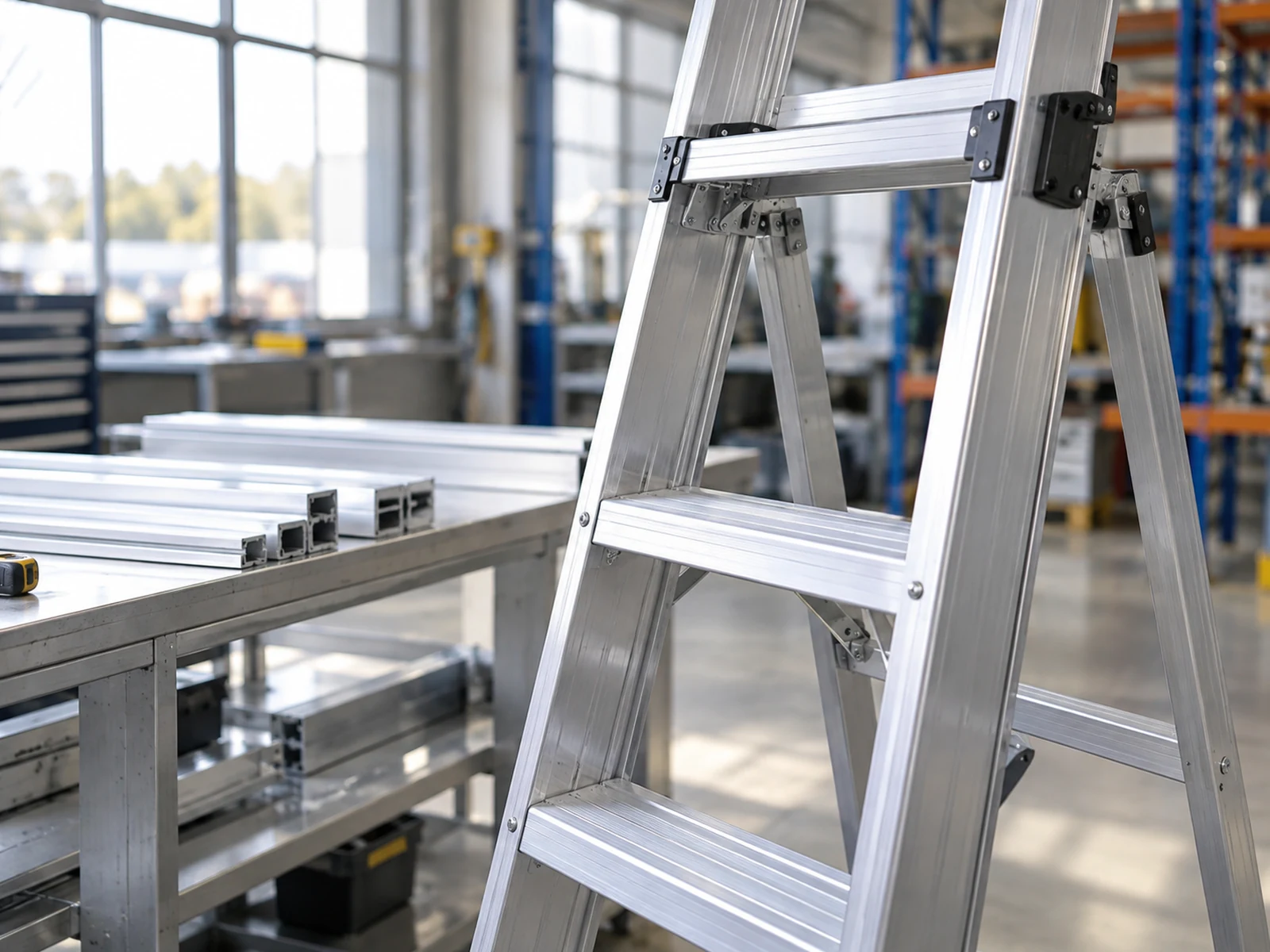
Keep rails, steps and seat support on separate drawing lines
Side rails: Identify the actual profile, contact faces and datum edge. One sloping rail can have a handed end or a joint prepared later; a simple overall ladder height cannot be converted into a saw length. State whether the saw makes both ends final, produces a stock allowance for later machining, or merely supplies a rough blank. Make the left/right naming and end orientation visible on the drawing so a mirrored pair is not confused with two identical pieces.
Steps or tread members: Distinguish an extruded tread, a hollow rung, a plated step and a bought anti-slip cover. The relevant saw input is the approved metal member, if any. Step spacing, slip resistance and attachment strength are product-design and finished-assembly matters, not claims demonstrated by a clean blank cut. Include the face that will be visible or covered, because burr and surface requirements depend on the downstream joint and exposure.
Seat and base supports: Identify each short brace, tube or bracket blank independently of the seat shell, writing board, wheels and canopy hardware. Many of those items may be bought or made by other processes. Record cut-end access for drilling or joining, and protect any finished surface that actually arrives at the saw. The chair designer must approve the complete load path and base footprint; a saw trial cannot certify either.
Specify clamping around the actual section
Give the saw supplier a physical piece of each distinct rail or step stock, not only a rendering of the completed chair. Show the wall thickness range, any projecting lips or grooves, the side used as the length datum, and surfaces that cannot be marked. A hollow or asymmetric extrusion can shift or deform if its available support faces are misunderstood. Ask the supplier to explain the proposed support, vertical and side contact, first-end reference, and cut-off collection for the specific section.

If a long rail and a short step share the same machine, the receiving, support and offcut sequence may still differ. Ask how each part is indexed, whether a second end needs another setup, and how the operator identifies the approved handed orientation. For mixed batches, agree on the changeover method and the first piece to inspect after each change. A catalog feed length or advertised accuracy is not a guaranteed finished-chair result. Only an agreed sample plan with the actual stock, configuration and measurement method can establish the cut acceptance for this job.
Separate blank acceptance from chair safety acceptance
For tennis umpire chair aluminum cutting, write one acceptance sheet for cut blanks and another for the completed chair. The blank sheet can record piece ID and revision, datum-based length, end angle or squareness where the drawing calls for it, visible burrs, finish damage, part count, and left/right segregation. It should name the gauge, reference face, sample quantity and disposition of rejected pieces. Keep any allowance for downstream hole making or joining explicit.
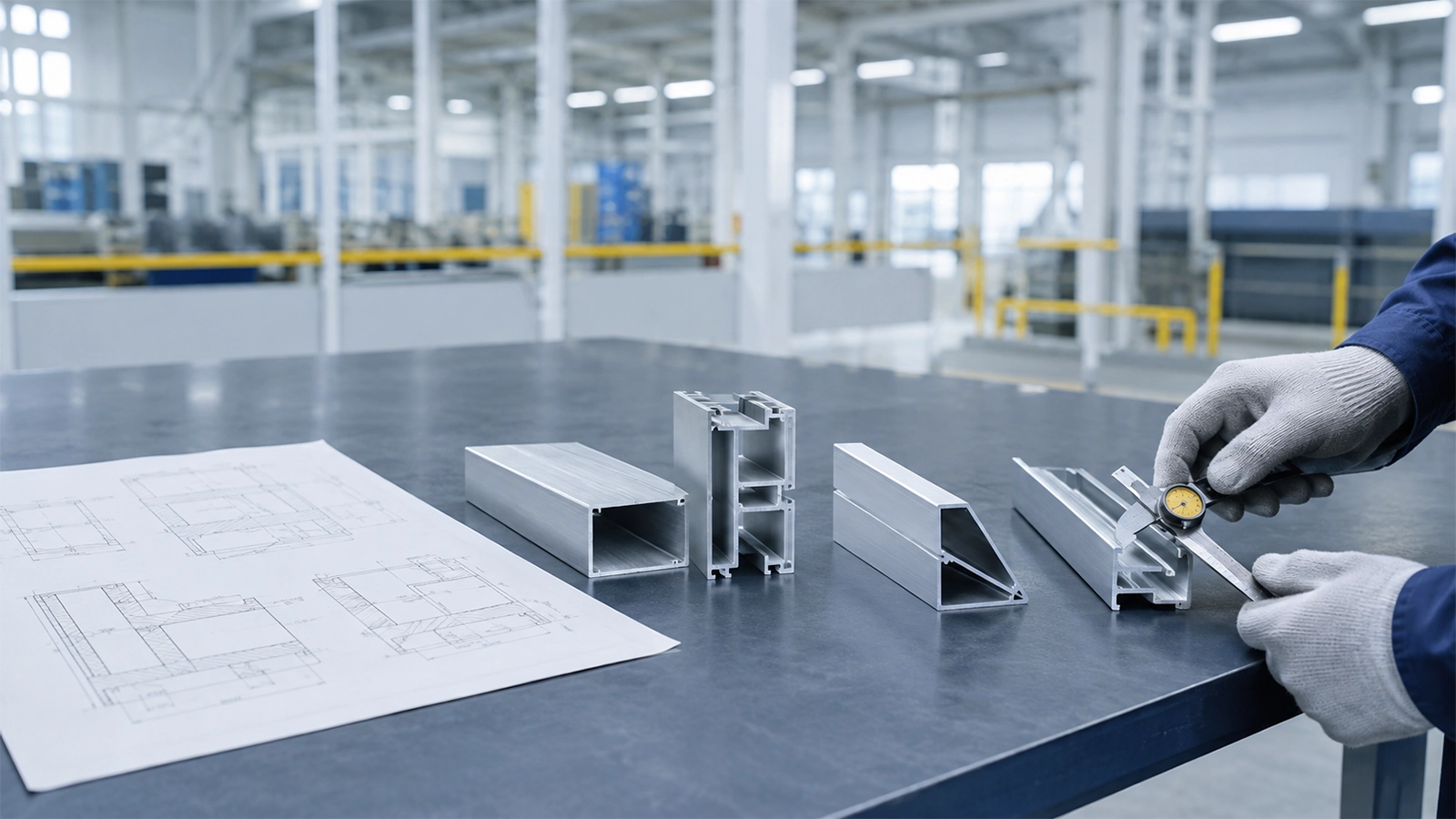
The completed-chair sheet belongs to the product owner and its qualified testers. It addresses the assembled steps, attachments, seat, stability, mobility, weather protection and any applicable specification. No saw supplier should infer those outcomes from straight blanks or a general machine video. When a chair specification cites a standard or a tournament rule, obtain the exact applicable edition and responsible approval path from the chair designer. Do not copy a finished-product vendor’s conformity statement into a cutting-machine quotation.
Compare three purchase routes on equal scope
Route A is to cut approved metal blanks in house and retain all later fabrication, joining, finishing and assembly. Route B is to buy prepared rails, steps or a ready ladder module and inspect them at a later handoff. Route C is to buy a complete umpire chair. Compare the same product revision, forecast and acceptance date for all three. In the in-house calculation include raw stock, setup and saw time, offcuts, first-article inspection, downstream operations, rework and product approval. A low cut price is not the cost of a safe finished chair.
For a hypothetical example, a request reading “cut aluminum for one umpire chair” leaves the stock and transfer point unknown. A usable request identifies rail UC-R1 revision B, supplies the extrusion section and sample, states the blank datum and two handed end requirements, lists a separate step member UC-S2, and says that holes, anti-slip treatment, seat installation and chair qualification remain outside the saw quote. Those identifiers and conditions are illustrative only; they are not a real Jiurun customer or validated chair design.
Use a machine demonstration for process context
The clip below is from Jiurun Machinery’s own channel and shows a general aluminum-saw operating scene. It helps a buyer discuss stock support and cut sequencing. It does not show an umpire-chair material, approved profile, model configuration, customer project, test result, rate, accuracy or completed-chair performance.
RFQ items to send before requesting a trial
- The approved chair and member drawing revisions, plus the party responsible for product safety and final assembly.
- One line per retained aluminum rail, step and support blank, with quantities and handed versions.
- Actual incoming stock sections, alloy and temper where known, straight lengths, finish condition and representative samples.
- Cut datums, end requirements, blank lengths and permitted variations defined by the design owner.
- Protected faces, changeover mix, packing, labeling and offcut ownership.
- Downstream hole making, joining, coating, bought hardware and finished-chair checks excluded from the saw scope.
- A sample trial with agreed measurement method, acceptance owner and nonconforming-piece treatment.
Need to evaluate the retained cutting step? Send Jiurun your approved stock sections, blank drawings, sample quantities and handoff boundary through our contact page. We can discuss a cutting setup and trial plan for those inputs. For a wider machine-selection comparison, see our ladder-manufacturing saw guide; it covers equipment across product families, while this page addresses the distinct umpire-chair cut kit and its product approval boundary.