
Lighting stand aluminum tube cutting is a useful saw inquiry only when a manufacturer actually receives unfinished aluminum members and retains their blank preparation. A finished lighting stand can contain nested columns, legs, clamps, a top attachment, and sometimes an air-cushion system. Its product page tells a buyer what the completed stand does; it does not reveal whether its maker cuts raw tubes, buys prepared columns, or buys an assembled support. Define the work that remains in your factory before selecting a saw.
For context, Manfrotto describes the 1052BAC with aluminum column sections, round legs, air cushioning, and a separate top attachment. Its 5002BL page lists aluminum for the column and base, rectangular leg sections, and no air cushioning. The 1005BAC page describes another column-section and cushioning combination. These are examples of finished-product variation, not evidence of those companies’ incoming stock, cutting method, saw supplier, or blank tolerances.
Start with the accepted supply stage
Write the exact incoming item beside every retained operation. A factory might buy raw aluminum tube and cut column blanks, buy columns already cut to an accepted length, buy a prepared telescoping riser, or receive an entire stand. Those four routes have very different saw workloads. Do not put bought assemblies in the local cutting volume merely because the finished product contains aluminum.
Separate at least four line items on the proposed bill of materials: column or riser members; legs and base members; clamps, bushings, feet, fasteners, and top attachments; and completed assemblies. Confirm the material and supply stage for each line. A finished stand specification does not prove that every leg, clamp, or base part is aluminum. If an outside supplier owns a feature or a completed subassembly, make that boundary explicit in the inquiry.
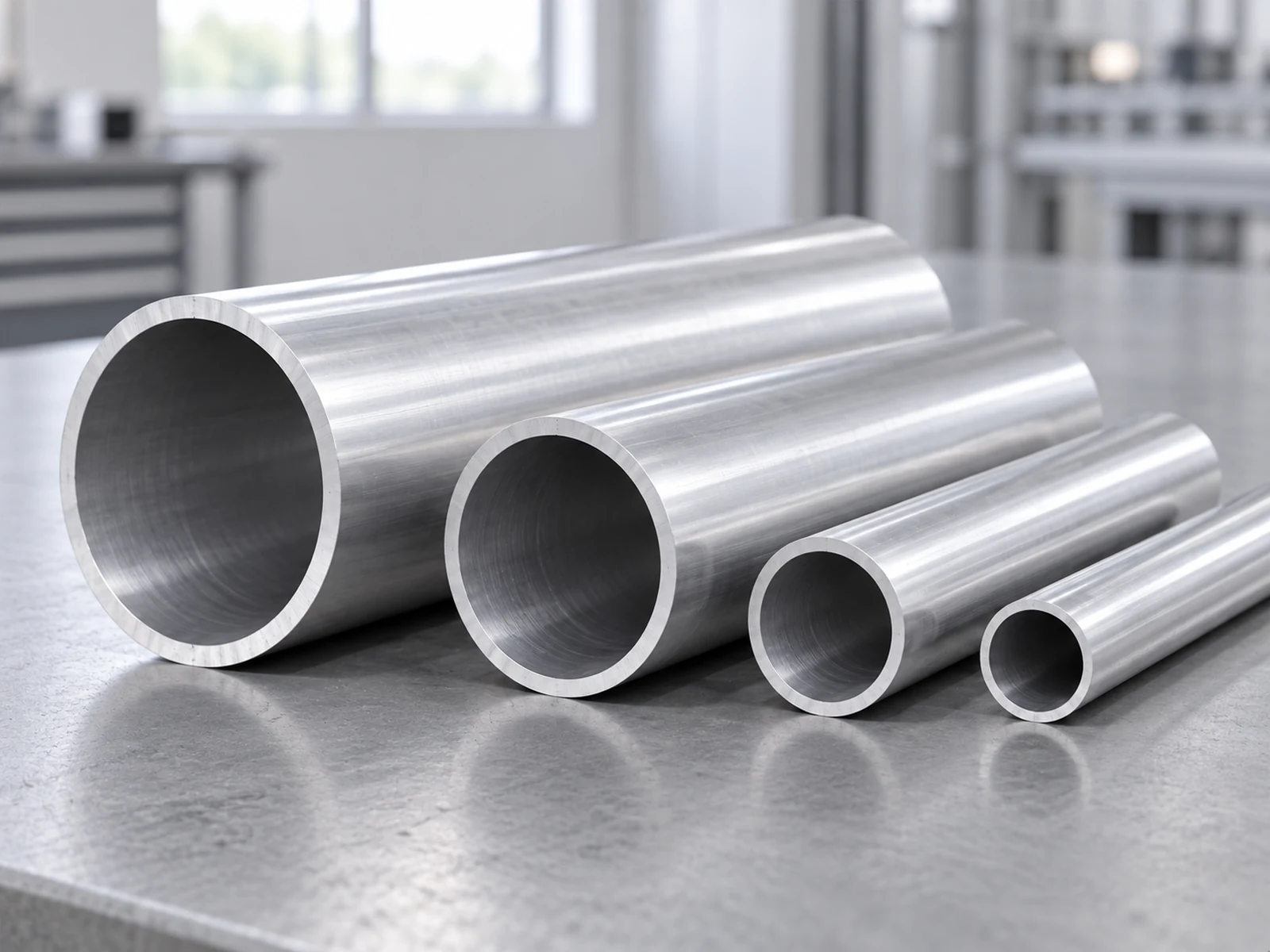
Do not turn finished stand dimensions into cut lengths
A published minimum height, extended height, or closed length is a dimension of an assembled stand. It is not a saw blank length. The column diameters shown on product pages identify an assembled family’s nominal sections; they do not disclose wall thickness, alloy, incoming temper, seam or extrusion route, cut allowance, or the datum used to inspect a blank. The buyer must release an actual member drawing and stock specification for its own project.
For each retained column, define the incoming section and condition, stock length range, unfinished blank length, batch identity, and whether the end is only a preparation face or a later mechanical interface. Specify how length, squareness, burr condition, and visible damage will be checked at the blank handoff. If later machining, a collar, or another operation establishes final fit, do not demand that the saw alone certify the assembled telescope action.
Keep the column-family mix visible. Different diameters may require different contact, support, or handling arrangements even when every member is round. A trial using one convenient sample is not a qualification of all sections. Record the released family, largest and smallest real sections, length extremes, and changeover sequence. Ask the supplier to state the tested stock and the inspection method rather than interpreting a feeder’s commanded position as accepted finished length.
Plan tube presentation before promising output
Long hollow stock needs a stable route into the cut zone and a defined route for short blanks leaving it. Describe the actual infeed length, supports, handling method, locating contact, clamp area, and safe receiving space. Ask how the proposed setup avoids marking an accepted visible surface and how a thin-walled or easily distorted section will be held for the representative trial. The answer depends on the approved tube and fixture; it cannot be inferred from a catalog stand’s payload rating.

Distinguish a blank that is ready for another operation from a completed riser. Cutting can supply an unfinished length; it does not install a bushing, make a pneumatic cushion, set a clamp force, or prove that nested sections extend safely. Define where those tasks occur and who accepts them. This is also the right place to ask whether prepared columns should be bought instead of cut in house.
Check legs separately from risers
A lighting stand may use round column sections and leg sections with a different cross-section. The two Manfrotto examples above illustrate why a single material label cannot stand in for a leg drawing: the 1052BAC lists round leg geometry, while the 5002BL lists rectangular leg geometry. Neither published product page supplies your factory’s unfinished leg blank, and its dimensions should never be copied into a saw quotation as if they were a released cut list.
If leg work is retained, specify each member’s actual material, profile, length, orientation, end condition, quantity per stand, and interface to the foot or hub. Determine whether the leg is simply cut, later pierced or formed, or bought as a prepared part. Keep those downstream features out of the saw’s claimed scope. The receiving check should compare an identified blank with its own drawing and revision, not with an assembled stand photograph.
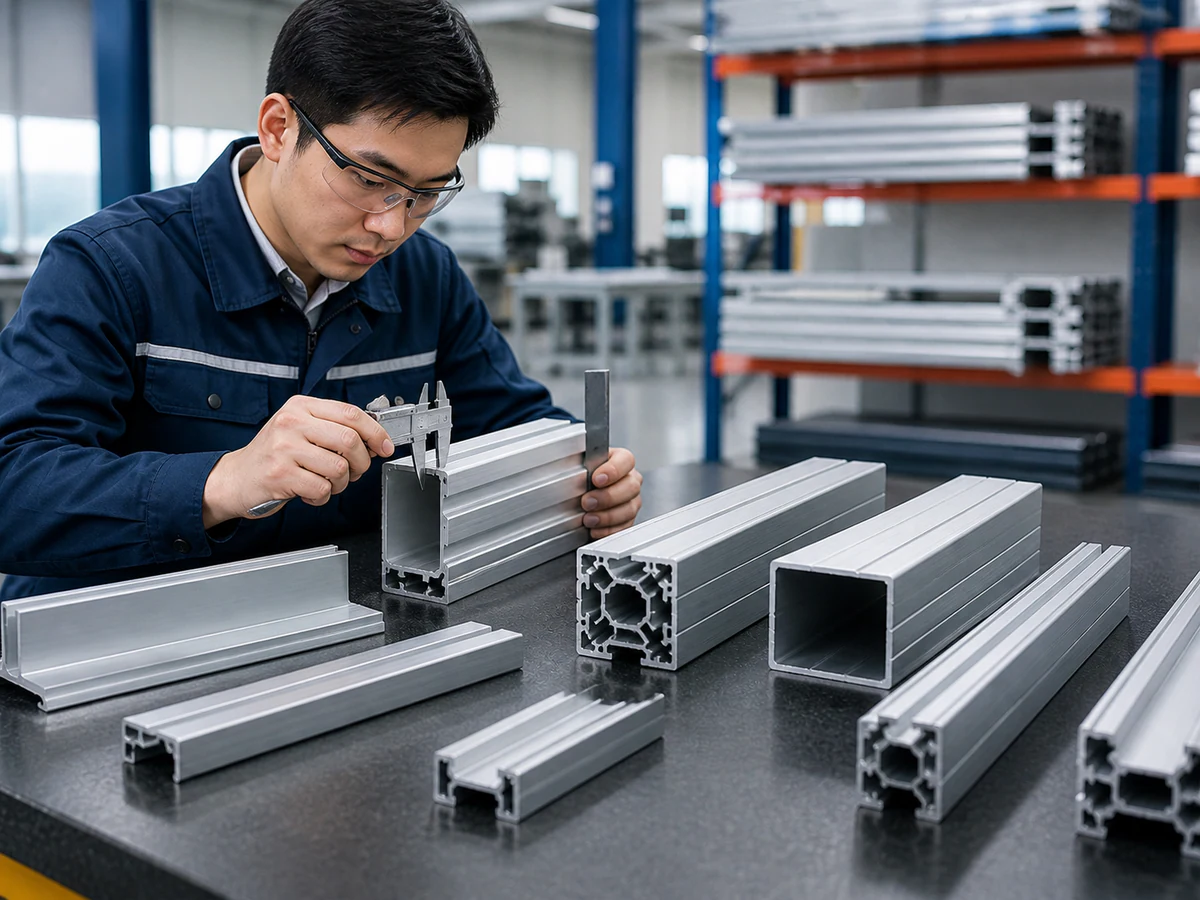
Keep cushioning, clamps, and top hardware outside the saw claim
Air cushioning and top spigot or thread arrangements are assembly features. Their presence may change the required column family, but a cutting quotation does not verify cushioning behavior, attachment compatibility, stability, payload, or safe use. Ask the product engineer to name which purchased or in-house operations establish those functions. A test on cut stock can demonstrate only the agreed blank criteria under recorded conditions.
In particular, keep a purchased clamp or connector from silently becoming a home-made saw part. If a supplier delivers a prepared riser that already includes a collar or cushion, compare that delivered stage with the local route after all remaining operations. A raw tube price and a finished riser price do not buy the same output.
Seven RFQ fields that make the purchase decision testable
- Retained members: list each column and leg by family, part number, revision, and whether the factory cuts it or buys it prepared.
- Incoming stock: state the approved material, cross-section, wall or section drawing, supplied condition, and stock length range.
- Blank handoff: give unfinished length ranges, quantity mix, cut-end requirements, inspection method, and the receiver for each member.
- Member presentation: describe loading, support, locating, clamping, handling, and accepted surface protection for the real stock.
- Representative trials: identify the sections and length extremes that must be cut and inspected, with the test conditions recorded.
- Remaining work: assign collars, bushings, feet, fasteners, top fittings, cushioning, finishing, and assembled-stand checks to their actual owner.
- Comparable output: compare equipment and bought-part routes at the same accepted stage over the same time period, including rejects and downstream constraints.
Our tripod member-supply guide addresses a related but different product family. Use its general make-or-buy logic only after the lighting stand’s own columns, legs, hardware, and acceptance owners have been defined. The two products should not share unverified dimensions or test results.
Send the member route for review
For a bounded equipment discussion, send Jiurun the approved aluminum stock drawings, the retained column and leg cut list, unfinished length and section ranges, accepted blank criteria, representative sample availability, and the stage at which bought components arrive. State separately who owns assembly, cushioning, and stand-level evaluation. Contact JiurunCut with the actual cutting job so a machine recommendation can be evaluated against real members rather than a finished-stand catalog description.