
Coated aluminum saw blades are easy to compare by color and hard to compare by result. “Coated” can refer to a treatment on the blade body, a treatment associated with the cutting tips, or simply the finish on the aluminum profile being cut. These are different specifications. For coated aluminum saw blades, a purchasing decision needs the exact blade construction, an approved machine interface and a repeatable cut trial on the buyer’s own stock. A coating claim alone does not establish cleaner cuts, longer life or compatibility with a particular saw.
This guide is for industrial circular-saw buyers preparing an RFQ for aluminum and other approved nonferrous profiles. It separates what a supplier can document from what a trial must prove. It does not recommend a universal coating or an unverified setting for a Jiurun model.
Coated aluminum saw blades: identify the treated surface
Ask the blade supplier to name the treated surface and its purpose. For example, Leitz lists a coated tool body for its thin-wall nonferrous-profile blade range and associates that feature with reduced adhesion. Freud describes an ultra-thin coating in its LU5H aluminum/PVC range separately from its carbide formula, tooth-surface design and blade-body balance. Those are manufacturer statements about specific product ranges, not a transferable performance promise for another blade or saw.
Likewise, a powder-coated or anodized workpiece is a material condition, not a saw-blade coating. State both independently in the RFQ. If the supplier offers a body coating but the quote says only “coated tips,” ask for a corrected drawing or data sheet before ordering.
Seven RFQ checks for a coated blade
1. Define the actual profile family
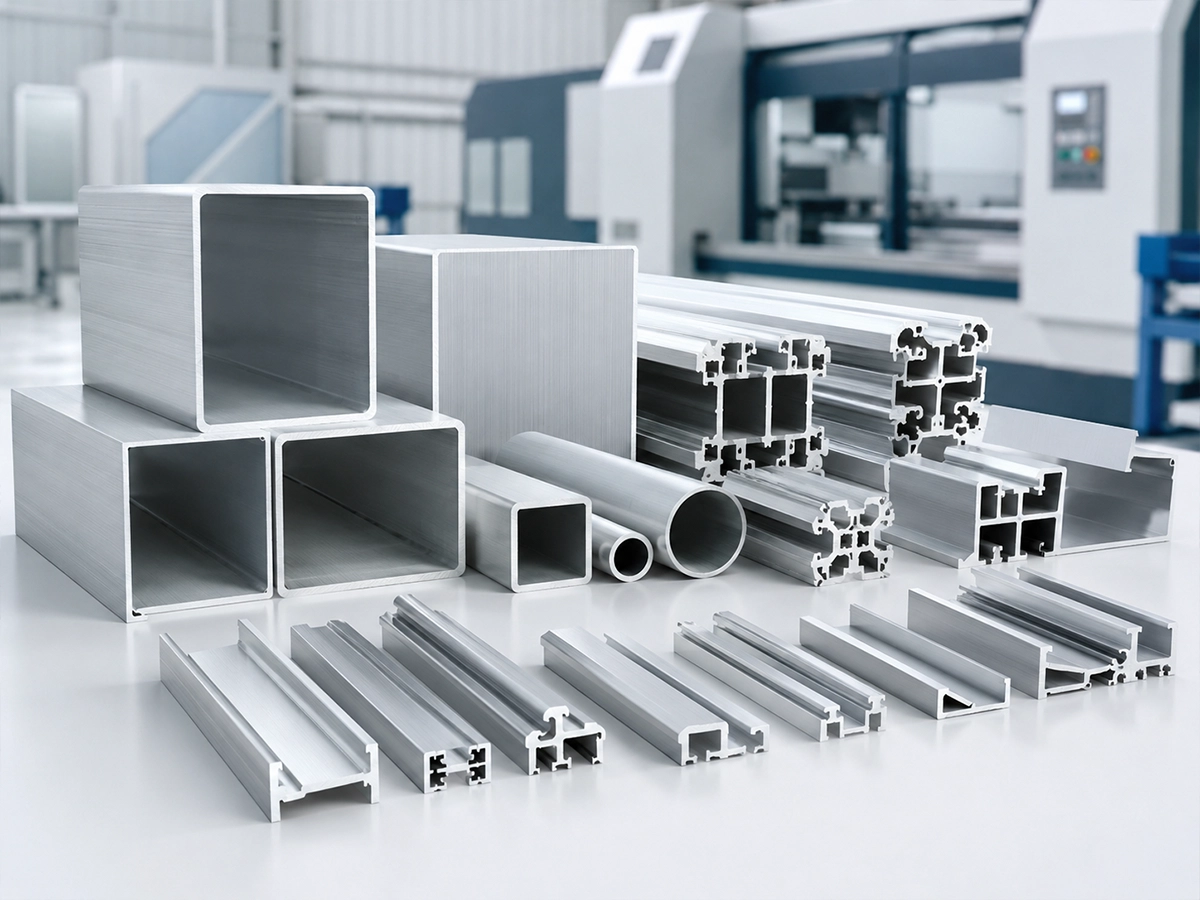
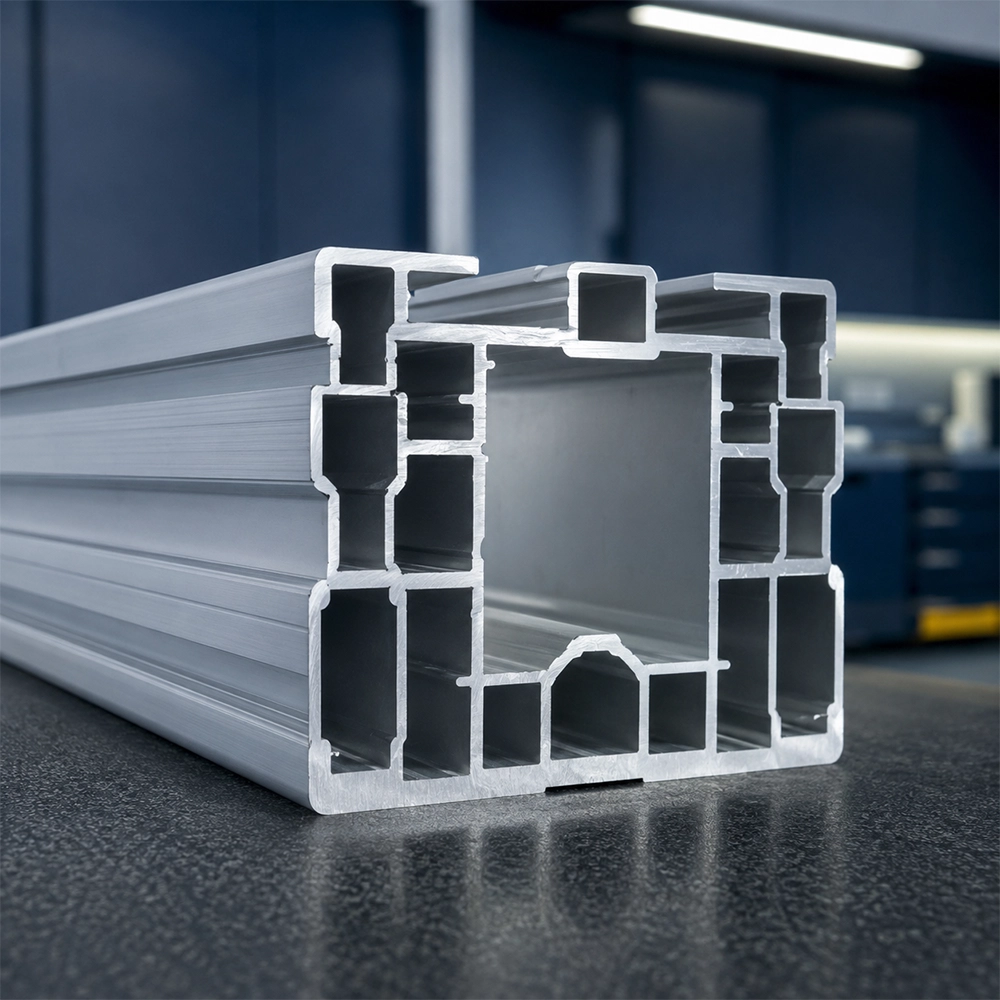
Send the section drawing and a list of thin-wall, thick-wall, hollow and solid stock that the proposed blade must cut. Include alloy/temper where known, wall range, largest cross-section, cut angle, finish condition and accepted cut-end criteria. Do not assume one blade optimized for thin-wall extrusions will suit solid bar or every finish. Leitz publishes separate ranges for thin-walled profiles and solid nonferrous material; that difference is a reason to ask for an application-specific recommendation, not to copy a catalog tooth count.
2. Require a coating description, not a color name
Request the coating trade name or technical designation, location on the blade, stated function, handling limits and whether the same treatment will be supplied on future orders. Ask whether the claim concerns reduced body adhesion, corrosion resistance, chip evacuation or some other property. Those claims cannot be substituted for one another. If “non-stick” is the only description, ask what observable condition the supplier expects to change and how it should be checked on the approved profile.
3. Freeze the mechanical interface
A coated alternative still has to match the installed saw. Put the approved outside diameter, bore, pinhole pattern if applicable, kerf, plate thickness, flange and guarding clearance, rotational direction and permissible speed on the comparison sheet. Have the machine maker or responsible technician confirm the approved range for the identified serial and configuration. Surface treatment is not a reason to bypass those checks. For independent tooling, use the third-party blade qualification checklist before a production release.
4. Compare the whole cutting tool
Record tooth material, geometry, count, hook angle, brazing or attachment, body design and sharpening route alongside the coating. A cleaner trial edge may reflect several of these variables. If two quotations change coating and tooth geometry at once, the trial can compare the complete alternatives, but it cannot attribute a result solely to the coating. The same applies to carbide-versus-diamond claims; compare the documented tool and job using the blade-material comparison fields.
5. Agree the operating conditions before the trial
List the saw, approved blade speed range, feed method, clamping/support arrangement, lubrication approach, chip removal and profile orientation. Keep the trial within the machine and blade makers’ instructions. A chip adhesion complaint can also be affected by a worn edge, inadequate chip clearance, unstable clamping or a change in stock. A coating is one candidate variable, not a repair for an unresolved setup fault.
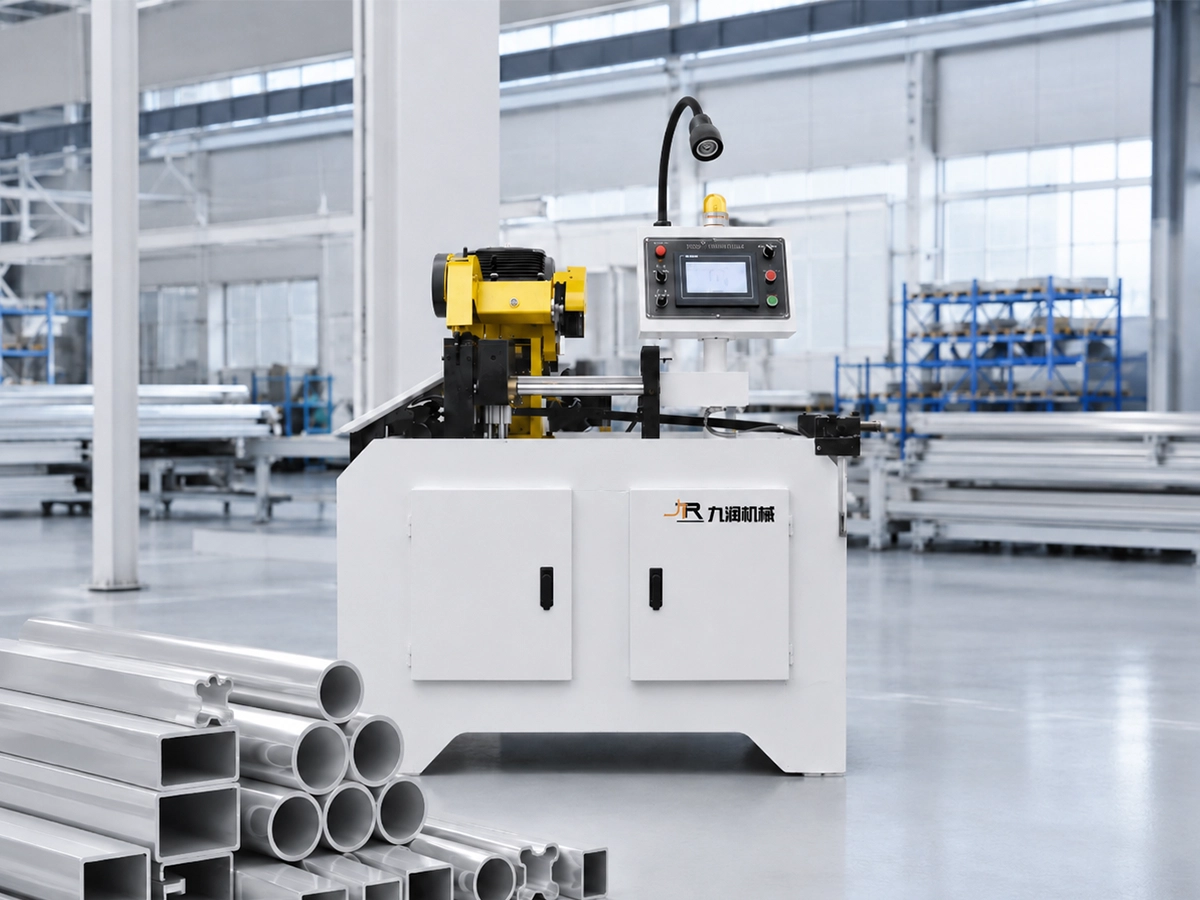
The following video from the Jiurun Machinery YouTube channel shows an automatic aluminum-saw/feed context. It does not show the coating on a blade or verify this article’s profile, blade specification, customer trial or performance.
6. Make the acceptance trial measurable
Choose a representative thin-wall and a more demanding section from the approved job mix. Record baseline blade identity and condition, batch identity, cut count, operator, settings and support method. Photograph and measure the same defined cut-end zones after each candidate. Agree pass/fail criteria for burr, edge chipping, scoring, deformation and any downstream fit before seeing the samples. A single attractive cut face or a vendor’s life estimate is not an acceptance test.
Also agree when to inspect the blade body and teeth for adhered material. Separate removable deposits from tooth wear or damage; the blade-cleaning and wear guide explains why those are different service decisions. Record both accepted and rejected cuts so the buyer can compare usable output rather than only headline cuts per blade.
7. Define service, repeat order and substitution control
Ask whether sharpening, cleaning or repair affects the coating and who is authorized to perform each service. Require a revised part number or written notice if the supplier changes coating, tooth grade, geometry or body design. A replenishment order should reference the approved drawing/revision and trial record. If the supplier cannot repeat the same construction, treat the substitute as a new qualification instead of assuming that a similar color or marketing label means equivalence.
What to send in the RFQ
| Buyer-supplied field | Supplier response required |
|---|---|
| Machine model, serial/configuration and approved blade interface | Complete blade drawing and written compatibility basis |
| Released profiles, alloy/temper, wall range and finish | Proposed application scope and exclusions |
| Baseline blade and current cut-quality issue | Coating location, function and other changed tool features |
| Trial stock and acceptance measurements | Trial method, records, service route and repeat-order revision control |
When two quotations both say “coated,” compare the above fields line by line. If one supplier cannot state which surface is treated or how the same blade will be reordered, the price comparison is incomplete.
Questions buyers commonly ask
Does a coated aluminum saw blade automatically last longer?
No general life multiplier follows from the word “coated.” The life result depends on the complete blade, stock, process and the defined rejection threshold. Ask for a controlled trial on the actual job and a written definition of end of life.
Can a coated blade solve burrs or chips sticking to the cut face?
It may be relevant when the tool supplier identifies a coating function for that application, but burrs and adhesion have several possible causes. Inspect the edge, support and chip-clearance conditions, then compare candidate blades under a documented trial.
Can a coating replace blade-fit checks?
No. Check the machine interface and permissible operating range for the installed saw before fitting any replacement blade.
Next step: Send Jiurun the saw model/configuration, released profile drawings, existing blade specification and an example of the rejected cut. We can discuss the saw-side trial boundary and the information a tooling supplier should provide; any proposed blade or performance claim still needs written compatibility and measured acceptance for your job.