
A fence maker considering an aluminum saw faces a scope decision before a machine decision: which lengths will the factory cut, and which parts will arrive as prepared kits, assembled panels, gates or bought accessories? A faster cut at one station does not create a finished fence order by itself. The purchasing case changes when the factory is responsible for posts, horizontal rails and pickets in one product family but buys finished gates or coated panels in another.
This guide is for a manufacturer comparing supply routes for its released fence portfolio. It is not an installation guide or a recommendation for a blade, speed, clamp force, section dimension or safety arrangement. Those settings require the actual drawings, machine instructions and a supervised supplier trial.
What an aluminum saw for fence manufacturing can own
Begin with a bill of parts for each fence family. Mark every straight aluminum member as a post, rail, picket, gate-frame member or other profile. Beside it, record whether the factory receives long stock, cut blanks, drilled or punched pieces, a prepared kit, an assembled panel, or a complete bought item. The saw purchase should be justified by the specific members that will remain in-house, not by the name of the finished fence.
Posts, rails and pickets can differ in wall shape, visible faces, required lengths and downstream operations. A gate may add frame members, hinges, latches and assembly work; it is not automatically in the same cutting scope as a standard panel. A supplier’s system specification can help identify the component families, but the factory’s approved drawings and order mix control the actual cut list.
Ultra Aluminum’s fence specification sheet illustrates how one product system separates posts, rails, pickets and gate posts. It is evidence of component categories, not a specification for Jiurun equipment or for every fence design.
Compare three purchase boundaries on the same fence order
Put the alternatives side by side using one representative order, rather than comparing a loose bar price with a finished-panel price. The following boundaries lead to different responsibilities:
| Supply route | Factory retains | What to confirm before quoting a saw |
|---|---|---|
| Long profiles in, cut members out | Length cutting, identification, cut-end review, batching and downstream handoff | Actual profiles and length families, feed and outfeed space, handling and scrap accounting |
| Prepared kit in, panel assembled here | Kit checking, assembly, finish protection and order completion | Whether any corrective cuts are permitted, and who owns length or hole-position errors |
| Finished panels or gates bought in | Incoming inspection, storage, packing and delivery coordination | Whether the saw has enough work elsewhere to justify its cost |
Count the full order: a panel may need multiple rail and picket lengths plus posts, connections and finish-specific items. The cutter’s capacity matters only against the retained cut-member mix. If most orders arrive as assembled panels, a proposed fence-specific saw may be idle even while the fence business grows.
Build a retained-member matrix, not one average profile
For each member family, list the released profile drawing, stock length, finished length range, number of pieces per order, visible finish, cut-end acceptance criteria and the next operation. Separate straight standard lengths from custom-length exceptions. Keep gate-frame members apart from routine panel rails until the gate assembly route is agreed.
Then note the product route after cutting. Does a rail require punching, drilling, joining, coating, panel assembly or packing? Is a picket purchased with a prepared top or made from plain stock? Are posts cut in-house but gate posts purchased in a different section? These decisions determine whether the saw feeds a complete production cell or only supplies one partial family.
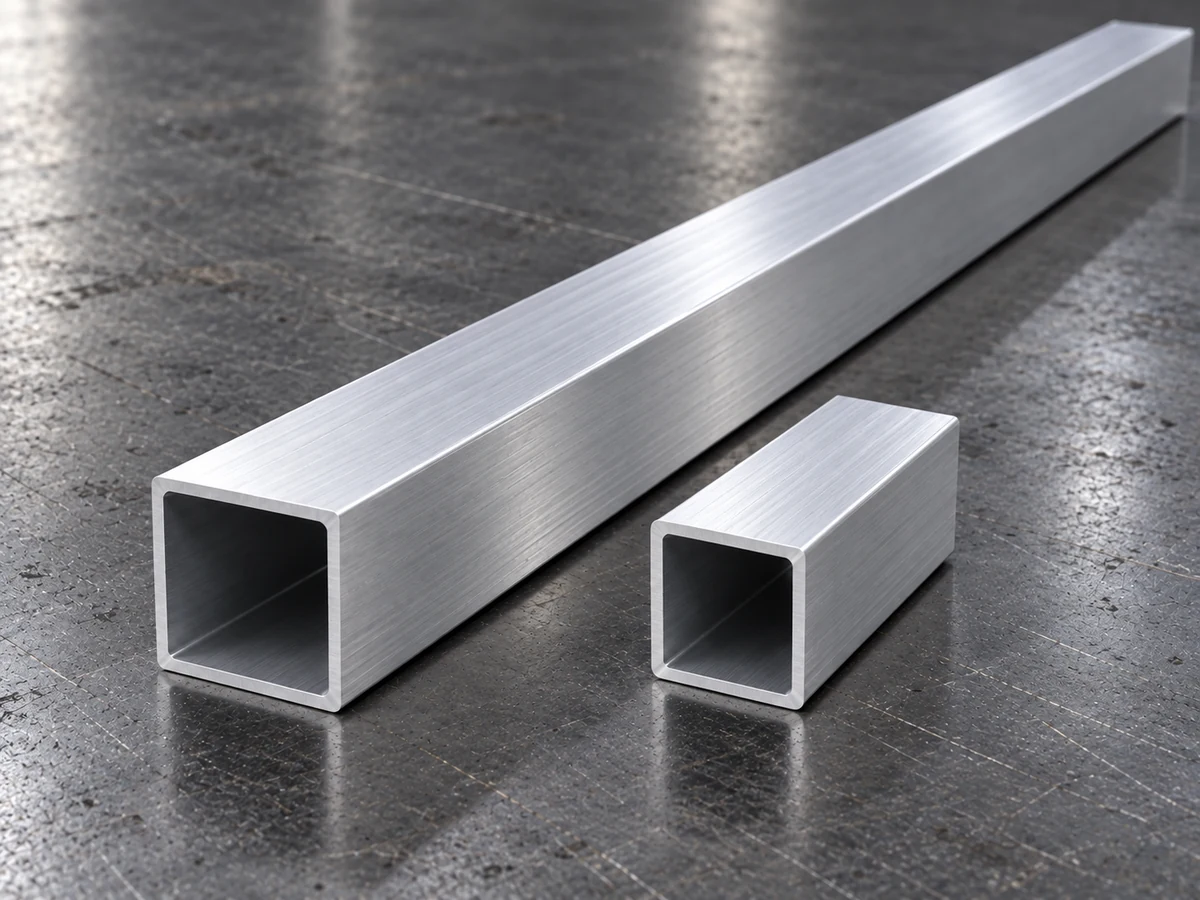
Do not turn a sketch into a machine promise. A short square tube used in a trial might be easy to support while the longest rail in the released range creates a different infeed and outfeed problem. A decorative or thin-walled section may be marked on the face that stays visible after assembly. Ask the supplier to review the actual parts and intended handling path.
Trial the real order mix from stock to panel handoff
A useful cutting trial includes representative extremes: the longest retained post or rail, a short picket, the most delicate visible surface and any unusual gate-frame profile that is genuinely in scope. Supply the released drawings and your acceptance method in advance. Identify the datum and the face that will be visible in the finished panel.
Observe loading, support, clamping, cut, unload and sorting as one sequence. Check whether the member remains stable without marking the show face. After cutting, inspect length and end condition using the factory’s own drawing and gauge plan. Trial pieces should then pass to the next real operation. If a rail will be drilled and joined, the question is whether the cut blank fits that process; a smooth-looking end alone is an incomplete acceptance test.
Keep recorded observations separate from sales claims. Ask who measured each sample, with which drawing revision, and how nonconforming pieces were handled. A trial of one tube cannot prove the entire fence portfolio. Machine settings, guarding and process qualification must be settled with the equipment supplier and the factory’s safety team for the actual application.
Price the handoff and rework, not just the cut
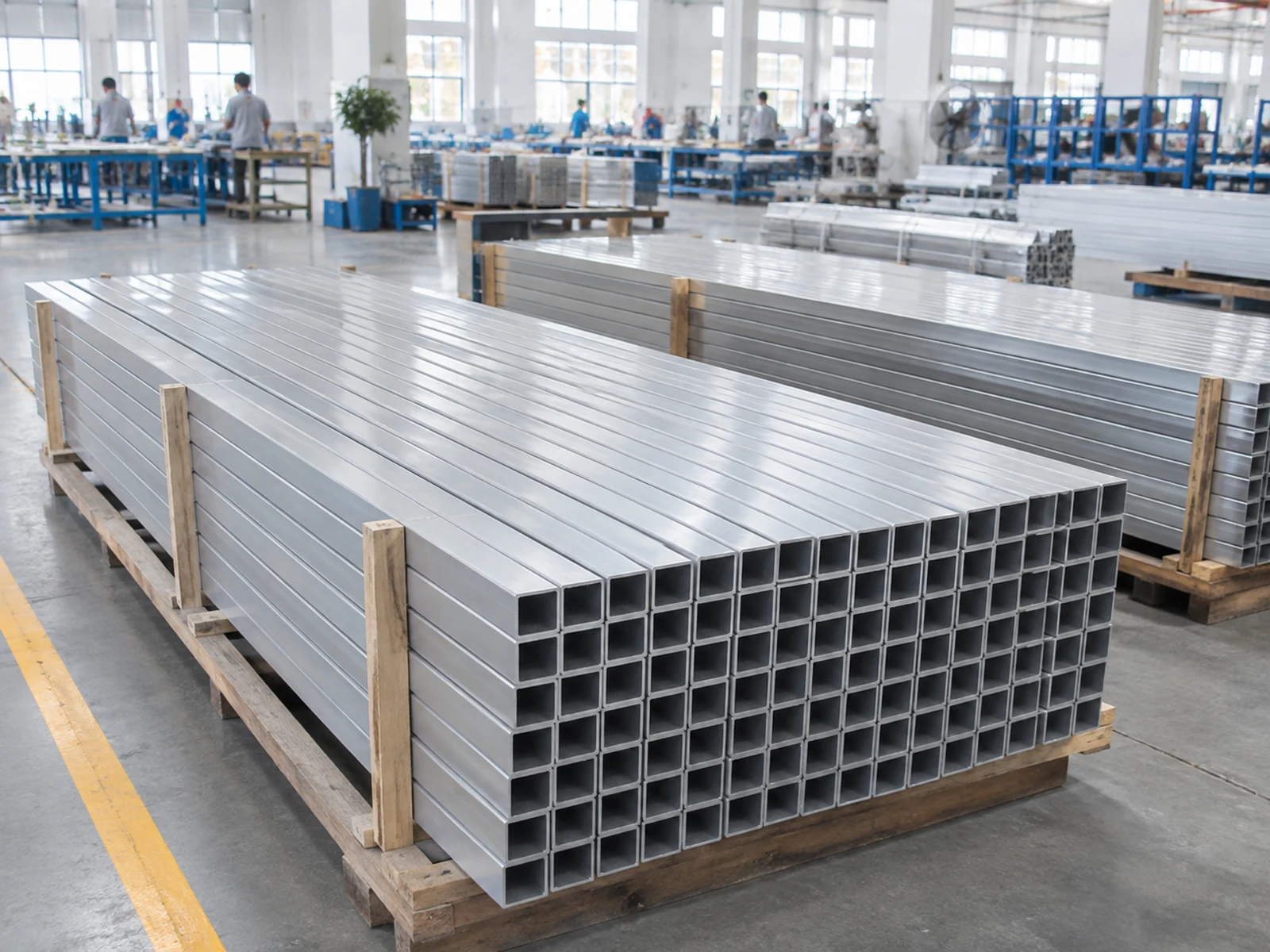
Build a simple cost model for each supply route. For the long-stock route, include incoming stock, cutting labor, consumables, handling, usable yield, inspection, downstream processing, rework and storage. For prepared kits, include supplier preparation charges, incoming checks, missing-part recovery and assembly labor. For bought panels or gates, include the quoted item, freight, damage risk, inspection, inventory and project coordination.
Use the same acceptance boundary. Comparing only machine cycle time with the price of a completed panel hides the work between them. Conversely, a kit price may look high until the factory accounts for time spent cutting and sorting dozens of repeated members. Use a representative mix of standard and custom orders; a single favorable order is not a business case.
Pay particular attention to finish sequence. If profiles are prefinished, surface protection and cut-edge treatment belong in the scope discussion. If finishing occurs after machining, the saw trial still needs to supply blanks suitable for subsequent operations. The article does not prescribe a coating or repair process.
Six checks to send with the RFQ
- Released product families: list the panel, post and gate families to be made during the planning period, and name what is excluded.
- Retained member drawings: provide profile geometry, material state, finish, length range, annual mix and drawing revision for each proposed in-house cut.
- Supply boundary: show which items arrive as long stock, cut blanks, prepared kits, panels or bought gates and accessories.
- Acceptance and handoff: define length and end criteria, show-face protection, identification, batching and the next operation after cutting.
- Representative trial: identify the long, short, delicate and exceptional profiles; agree who measures and signs off the actual samples.
- Comparable quote: request the machine and handling scope, trial assumptions, installation requirements, exclusions and support obligations in writing.
When those six checks are filled, the supplier can discuss a realistic cutting cell. An aluminum saw for fence manufacturing should be quoted against this retained-member matrix, not the label on a finished panel. If the product mix or make-versus-buy boundary is still moving, resolve that first. A generic machine brochure cannot substitute for a retained-member list.
See the equipment context, then qualify your own members
The following Jiurun Machinery channel video shows general aluminum cutting equipment footage. It is a visual example only. It does not document fence material, a particular model configuration, a customer, a fence trial or any performance result for this article.
For adjacent purchasing questions, read our guides to outfeed buffering for cut aluminum and planning setup cuts in a saw trial. Each addresses a station-level issue after the product scope is settled.
Next step: send Jiurun the retained post, rail and picket drawings, a sample order mix, target handoff state and the six RFQ checks above. Ask for a trial and quote scoped to those actual members. We can discuss the cutting route; your team remains responsible for approving the complete fence system and downstream process.
Source note: Product-family context was checked against Ultra Aluminum’s fencing overview and its linked fence specification. Component examples are illustrative; all machine and application choices require project-specific confirmation.