
Aluminum cut-part batch release should answer a simple buyer question: which evidence shows that the accepted cutting setup held from the first production piece through the end of the run? A good answer is more specific than “we checked samples.” It names the drawing revision, the part family, the inspection points, who can accept a result, and what happens when a check fails. First-off and last-off pieces are useful anchors, but neither alone proves every part in between.
Aluminum cut-part batch release starts with the batch definition
For an outsourced cutting order, the buyer and supplier should agree what counts as one release group. A purchase order can contain several profiles, lengths, cut angles or drawing revisions. Combining them into one undifferentiated inspection record makes a passing measurement hard to trace to the delivered parts. The release group should identify the stock/profile, material specification supplied by the buyer, part number and revision, programmed cut length and angle, and the production period or machine setup. If a dimension or visible-face requirement changes, the next output needs a new approval reference rather than being silently folded into the earlier group.
For aluminum cut-part batch release, physical separation matters too. Setup and adjustment pieces should not drift into the accepted count. Our guide to keeping aluminum saw setup cuts out of released batches addresses that boundary. A traveler can then link accepted stock and cut-list information to the release record; see the aluminum saw job traveler example.

What to approve on the first production piece
The first-off check starts after the operator has finished setting the saw, clamp, stop or feed program, and has removed trial pieces from the accepted stream. The buyer should specify the characteristics that matter to the next operation, not ask for a generic “good cut.” These may include finished length from a stated datum, end angle, burr condition, orientation, protective face handling, and whether an assembled mating part fits. The drawing and agreed acceptance method govern the decision. A saw feed-position claim is not a substitute for measured finished-part accuracy.
Record the measured result or a clearly defined pass/fail observation against each agreed criterion, the tool or method used, the part identifier, and the inspector’s disposition. A photo of a cut end can support a visual-condition discussion, but it cannot replace a measured length or angle result. If the buyer has several critical dimensions, the record should make it possible to distinguish which were checked and which were outside this cutting operation.
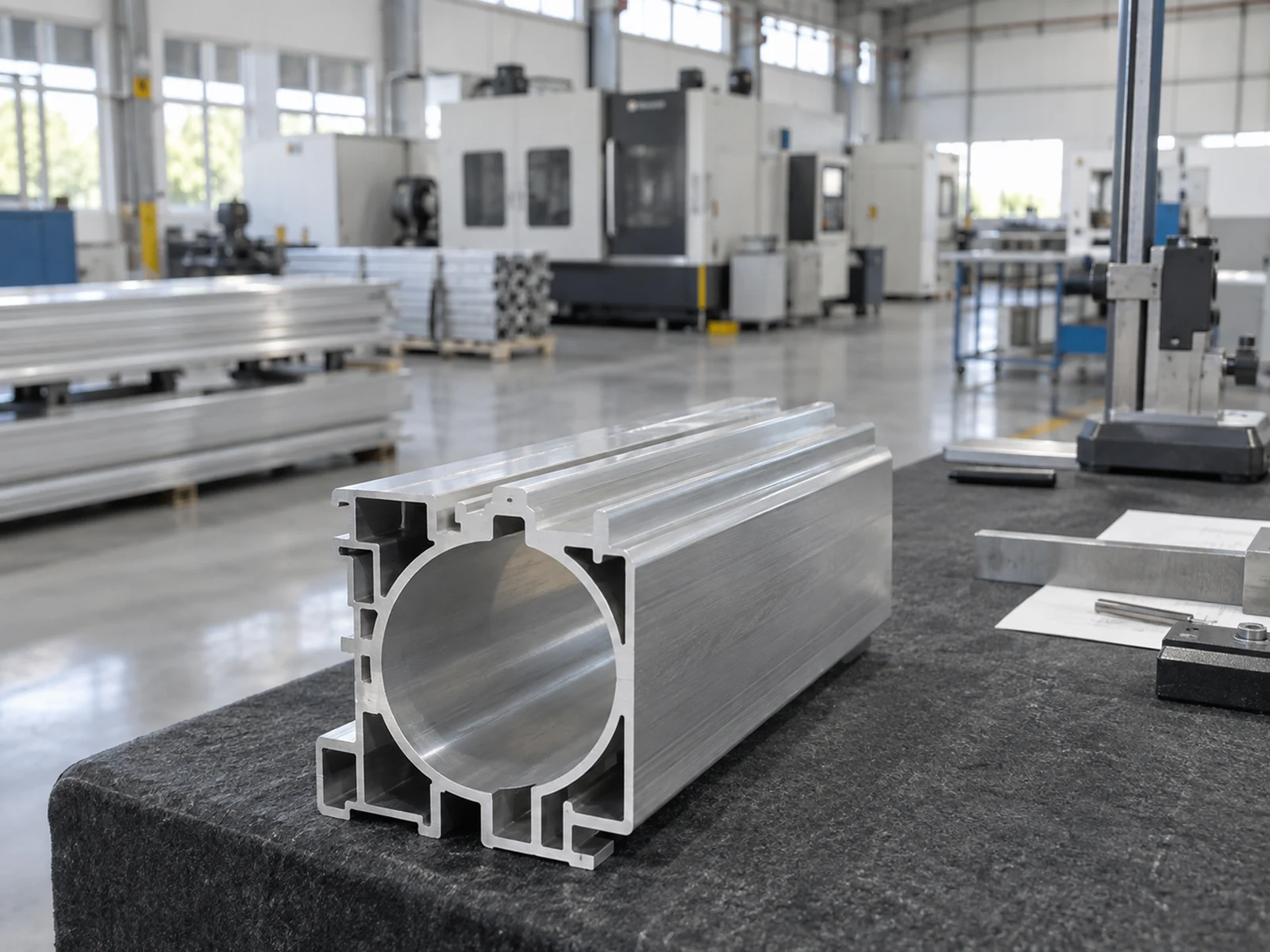
Choose in-run checks by risk, then close with last-off
First-off approval establishes the starting condition. It does not show that the condition remained stable after blade wear, a stock bundle change, a clamp adjustment, an operator handover, or a program change. Agree in advance which events require another check and which characteristics they can affect. The frequency may depend on part risk, batch size, prior process history and the buyer’s quality agreement; a universal number of pieces would be misleading.
At minimum, a sensible plan states when to inspect during the run, how to identify the pieces made since the previous accepted check, and where to place product while a questionable result is investigated. The last-off piece is a closing comparison against the accepted first-off condition and the drawing. The ASQ quality glossary includes the concept of last-off part comparison. A matching last-off is useful evidence about the end of the run; it is not proof that no intervening part changed. That is why event-triggered checks and traceability still matter.
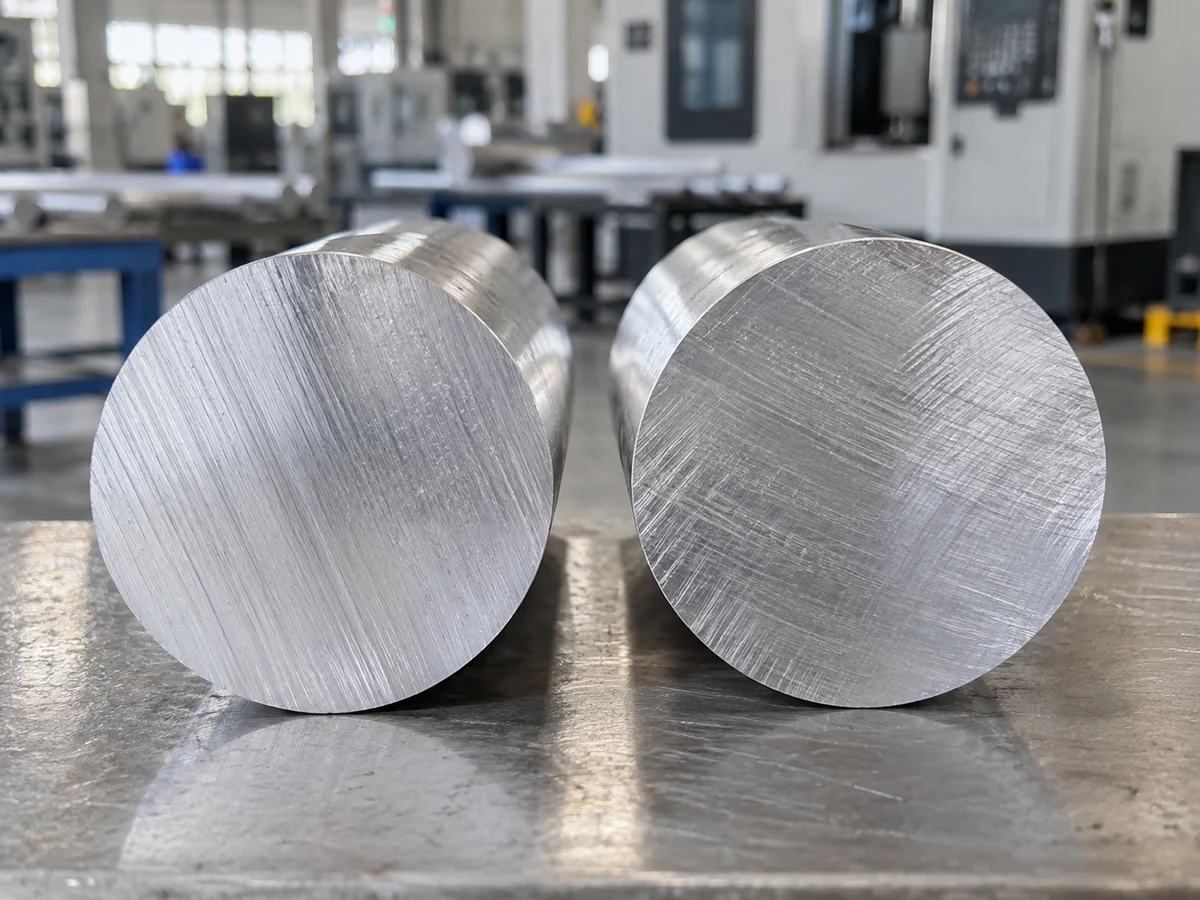
For round bar or profiles with demanding end appearance, distinguish an agreed visual comparator from a dimensional requirement. A cut face may look different while still meeting the drawing, or look acceptable while a measured dimension fails. Do not let a photograph become a pass/fail threshold unless both parties have agreed what the reference shows and how it will be judged.
Write the failure rule before a failure occurs
An aluminum cut-part batch release plan names the hold point. If an in-run or last-off check fails, the supplier should stop release of the affected group, identify the last known accepted check, and isolate parts made after it until the discrepancy is resolved. The disposition may be remeasurement, sorting, rework where allowed, concession requested from the buyer, or rejection. Which route applies depends on the drawing and purchase agreement. The supplier should not quietly change the acceptance limit, substitute a different datum, or ship a partial lot as if the original record still covered it.
When the cause is corrected, document the changed setup or method and approve the next first production piece again. Keep the failed result in the record. A clean replacement measurement without the earlier failure would hide the scope of the investigation. If the parts are grouped in containers, tie the container and quantity to the inspection disposition so the buyer can reconcile what was accepted and what remains on hold.
What to put in the purchase order or RFQ
- Identity: part number, drawing revision, aluminum stock/profile identity, finish-sensitive faces, and approved cut list.
- Acceptance: the dimensions, datums and appearance criteria the cutting supplier must verify, with the buyer’s drawing as authority.
- Timing: first-off after setup, agreed in-run/event checks, last-off at the end of each defined group, and a fresh first-off after a material setup change.
- Evidence: actual readings where required, visual disposition where appropriate, sample and container IDs, inspector/date, and any deviation approval.
- Containment: the last-known-good boundary, segregation method, buyer notification trigger, and disposition authority.
If the contract is in a regulated sector, apply the customer’s specific first-article requirements. For example, SAE AS9102 concerns aerospace first article inspection; it should not be presented as an automatic requirement for every aluminum saw order. A routine first-off production check and a contractually required first-article package are different scopes.
Equipment footage and what it can show
The video below shows general Jiurun Machinery aluminum saw equipment footage. It illustrates the type of cutting process under discussion only. It does not document the material, model configuration, customer, first-off/last-off inspection, a particular trial cut, or achieved performance for this article.
Ask for a release plan you can audit
When comparing cutting suppliers or specifying a new saw workflow, send the drawing, profile section, batch mix, acceptance criteria and expected release pattern. Ask the supplier to return a proposed check sequence and a sample record showing how a first-off, in-run exception and last-off would be tied to delivered containers. That response reveals more about control than an unsupported promise of “precision.”
Contact JiurunCut with your profile drawing and production requirement to discuss the cutting process and which first-off, in-run and last-off checks should be agreed before equipment or outsourced production is approved.