
Cleanroom frame cut parts are not automatically ready to enter a controlled environment. A saw supplier can demonstrate a cut, an end condition and a repeatable part identity; the project team still has to define cleaning, protection, transfer and installation release. If those boundaries are left inside the word “cleanroom,” quotations may appear comparable while covering different delivered units.
This guide is for buyers of aluminum frame cut parts used in controlled-environment equipment or partitions. It separates the cut-part acceptance decision from the material-entry decision, so a saw RFQ, outsourced cutting order or frame-kit purchase can name the right owner and evidence. It does not certify any pictured section or machine for a particular cleanroom.
Define the purchased unit before comparing routes
Start with the actual item at the receiving gate. Is the purchase one cut member, a labeled set of cut members, a cleaned and protected set, or a frame module ready for installation? These are different scopes. A low unit price for cut stock should not be compared directly with a prepared kit if the buyer would have to perform identification, cleaning, wrapping and inspection after receipt.
For each member family, release a drawing or controlled profile identifier, revision, material and finish callout, cut length reference, end geometry, visible-face rule and required downstream connector or panel interface. Identify handed or paired parts. Keep assembly hardware and seals in a separate line when they are outside the saw supplier’s offer. Ask every bidder to mark included, excluded and buyer-supplied work against the same schedule.
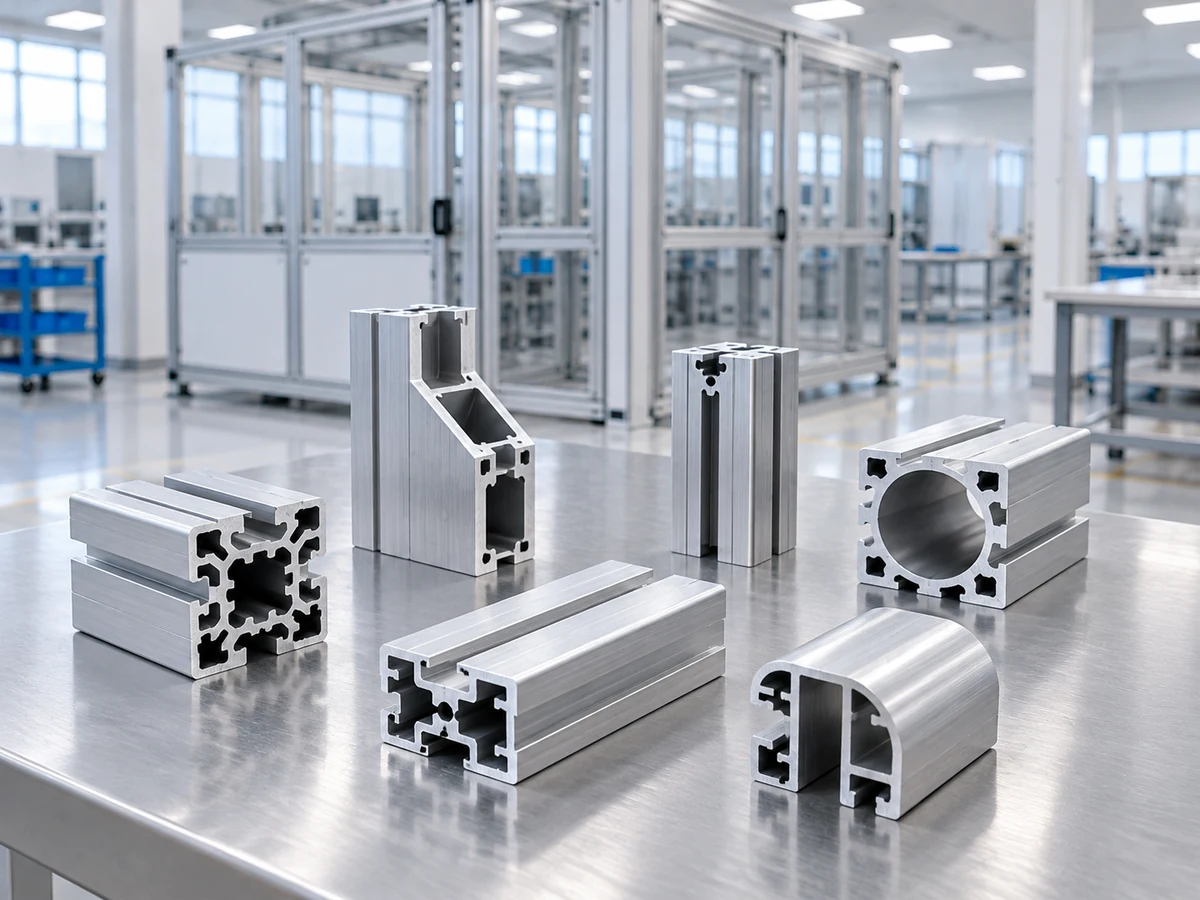
Gate 1: accept the cleanroom frame cut parts
The first gate asks whether the released input can become the specified member. Agree how stock identity follows the bar through cutting, how the datum and length are measured, which face is visible, how an angled or straight end is identified, and where a rejected piece is held. A sample cut should use a representative profile and the proposed support, clamp, blade and handling route. The buyer should witness the features that matter to the subsequent joint rather than accept a photograph of an unrelated finished frame.
Record the drawing revision, stock/lot reference, machine and tooling setup used in the trial, inspection method and the person who accepts the sample. Do not confuse a feeding-position claim with finished-part accuracy: the accepted dimension belongs to the cut part under a defined measurement method. If a supplier offers only a saw, confirm who performs post-cut deburring or cleaning and whether those steps are priced separately.
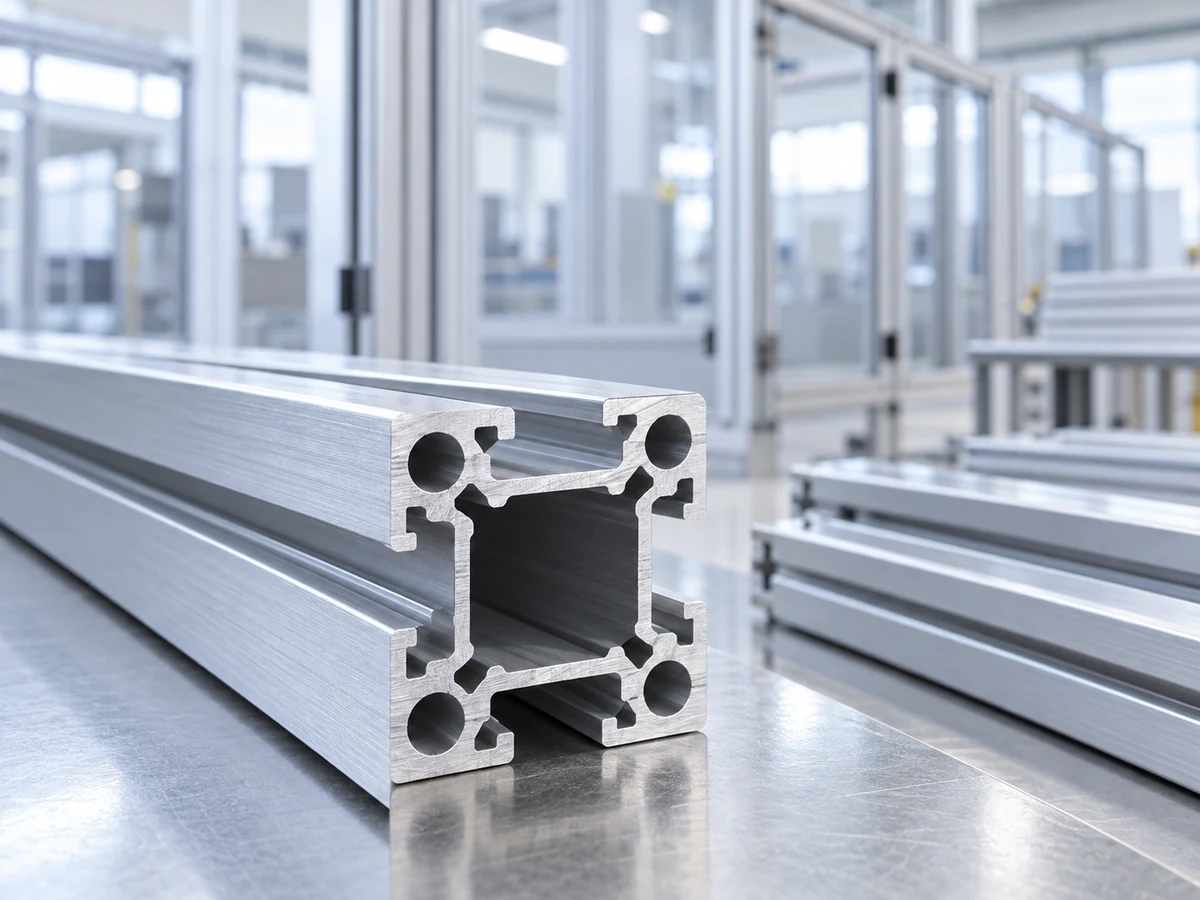
Gate 2: release the material for the receiving environment
A cut-part pass does not answer whether the material may cross the receiving boundary. Define the site’s own cleaning method, approved agents, protection or wrapping, labeling, unpacking point and receiving inspection. Decide who owns each operation and which record travels with the package. A supplier should not promise an ISO class for a frame member merely because its workshop or marketing photo looks clean.
ISO 14644-1 classifies air cleanliness by airborne particle concentration. ISO 14644-5:2025 addresses an operations control programme, including movement of materials and equipment and cleaning. Neither title alone turns an ordinary saw trial into proof that a particular cut part has met the buyer’s entry procedure. The project owner must specify that procedure and the evidence required at handover.
A practical handover record may include profile and cut-list revision, count by member ID, finish/face orientation, approved cleaning or wipe instruction where applicable, packaging configuration, package label, hold/rework route, and the receiving person’s disposition. Specify only controls the project needs and can verify. If cleaning is performed after site receipt, price it and reserve a suitable area rather than hiding it inside the cutting quote.
Keep the frame joint and protection plan connected
End damage, grit in a groove or an unprotected visible face can defeat a usable cut before assembly. Choose a pack that keeps long members supported, separates critical faces, identifies handed parts and leaves inspection points accessible at the agreed gate. A dry-fit with the released connector or panel can reveal an end or orientation mistake before a complete kit is wrapped. It is still a fit check, not a particle-class test.
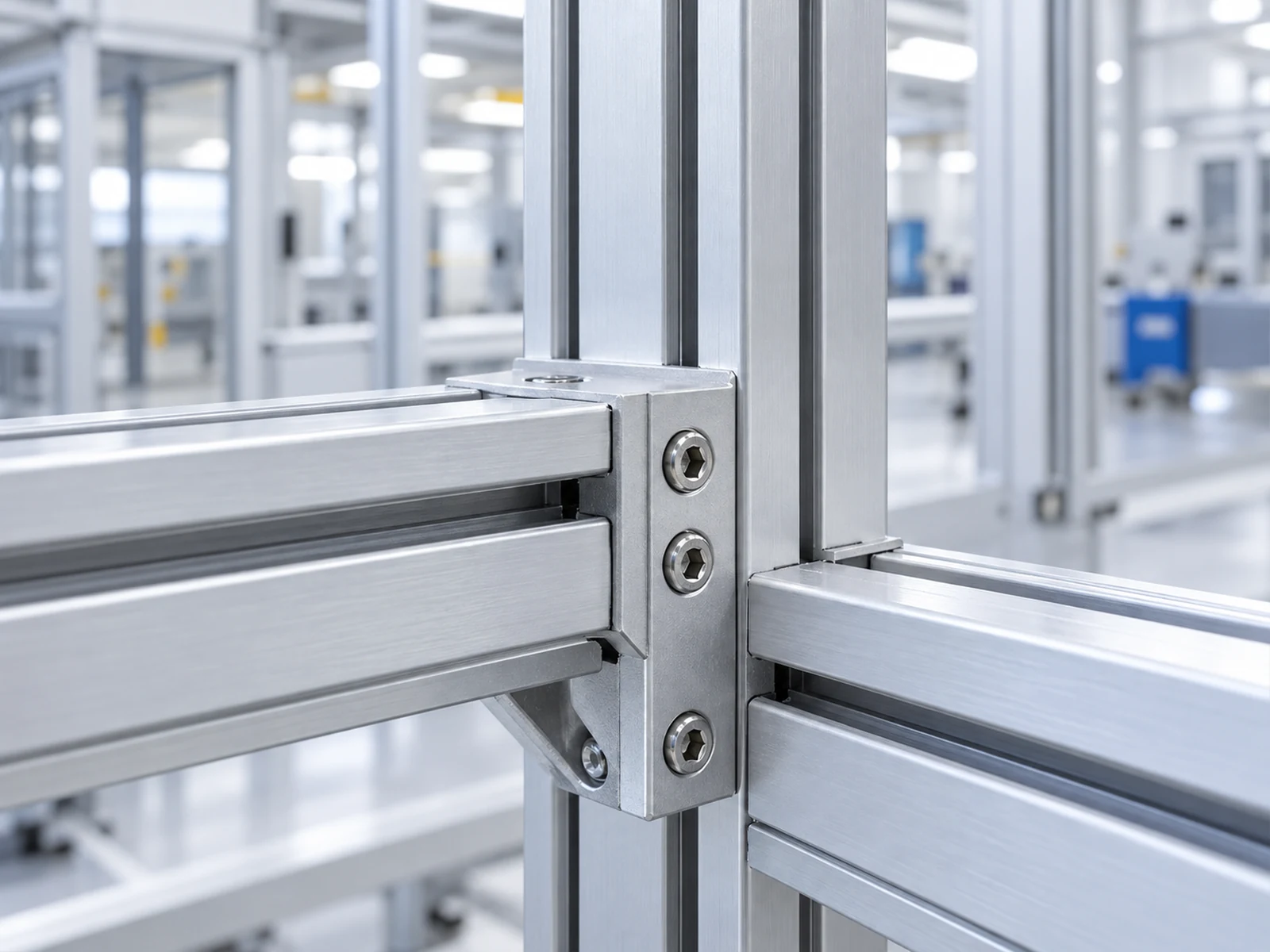
Compare three purchase boundaries
| Purchase route | What the buyer should require | Work still to assign |
|---|---|---|
| Saw or cutting service only | Released stock and part definition, representative cut trial, part inspection and reject route. | Identification after cutting, cleaning, protective packing, entry and assembly. |
| Labeled cut-member kit | Accepted cut parts, member/lot identity, quantity by frame, handedness and protected shipment. | Any controlled cleaning, site entry and final joint acceptance not expressly included. |
| Prepared frame module | Controlled member revision, joint fit, module inspection, protection and receiving handover. | Site-specific material entry, installation and environmental qualification unless explicitly contracted. |
Compare landed cost and risk at the same accepted stage. Include rework ownership if an end is damaged between the cutting bench and the receiving gate. The cheapest saw quote may still be the right route when the buyer already owns a validated cleaning and assembly process; it is a different route when those operations must be built from scratch.
Questions to put in the RFQ
- Which exact member IDs and revisions are included, and what is the purchased unit?
- What cut and end features will a buyer-witnessed trial accept, and who measures them?
- Where does the supplier’s responsibility end: at the saw, the labeled kit, the cleaned pack or the installed module?
- Which surfaces, grooves and joint ends need protection during handling and transit?
- Who owns cleaning instructions, material entry, receiving inspection and disposition of a failed package?
- How will a substitute profile, finish or connector trigger a new approval?
Equipment footage is context, not cleanroom proof
The following video from the Jiurun Machinery channel shows general aluminum-cutting equipment footage. It does not show or prove the cleanroom suitability, cleaning state, profile configuration, customer order, trial result or performance of the cut parts discussed here.
Release the boundary before requesting a price
Give each supplier the same controlled member schedule and ask them to mark exactly which acceptance gate their offer reaches. Attach the representative trial and receiving evidence to that gate. When the scope stops at saw-cut members, plan and price the downstream preparation openly. When the supplier offers a cleaned or assembled kit, ask for a handover record that the site can actually inspect.
For the broader machine-choice context, see our cleanroom system manufacturing saw guide. To discuss your released member list and cut trial, contact JiurunCut with drawings, profile revisions, quantities and the receiving boundary you need.