
A new vs refurbished aluminum saw comparison can look simple in a quotation while leaving very different work for the buyer. The useful comparison is the cost and evidence needed to put a particular saw into your production process, not the price printed beside the machine. Start with the parts, cut sequence and acceptance conditions your shop actually needs; then ask each seller to quote against the same boundary.
Start with the production requirement, not the machine label
Write a short application brief before requesting prices. Identify the aluminum forms and size range, the shortest and longest cut lengths, expected batch sizes, loading method, downstream handling, blade and finish requirements, and the way acceptable parts will be measured. State which tasks an operator must do between cuts and which tasks you expect the equipment to automate. Where finish or tolerance matters, provide a drawing and ask for a witnessed trial using representative stock. A machine specification alone cannot establish the quality of your finished part.
Separate non-negotiable requirements from preferences. Guarding, safe access and a workable isolation procedure belong in the first group. Optional automation, floor-space preferences and preferred interface features can be evaluated after the essential process is defined. If two offers assume different feeding, outfeed or inspection work, normalize those tasks before comparing their prices.
New vs refurbished aluminum saw: what each offer actually means
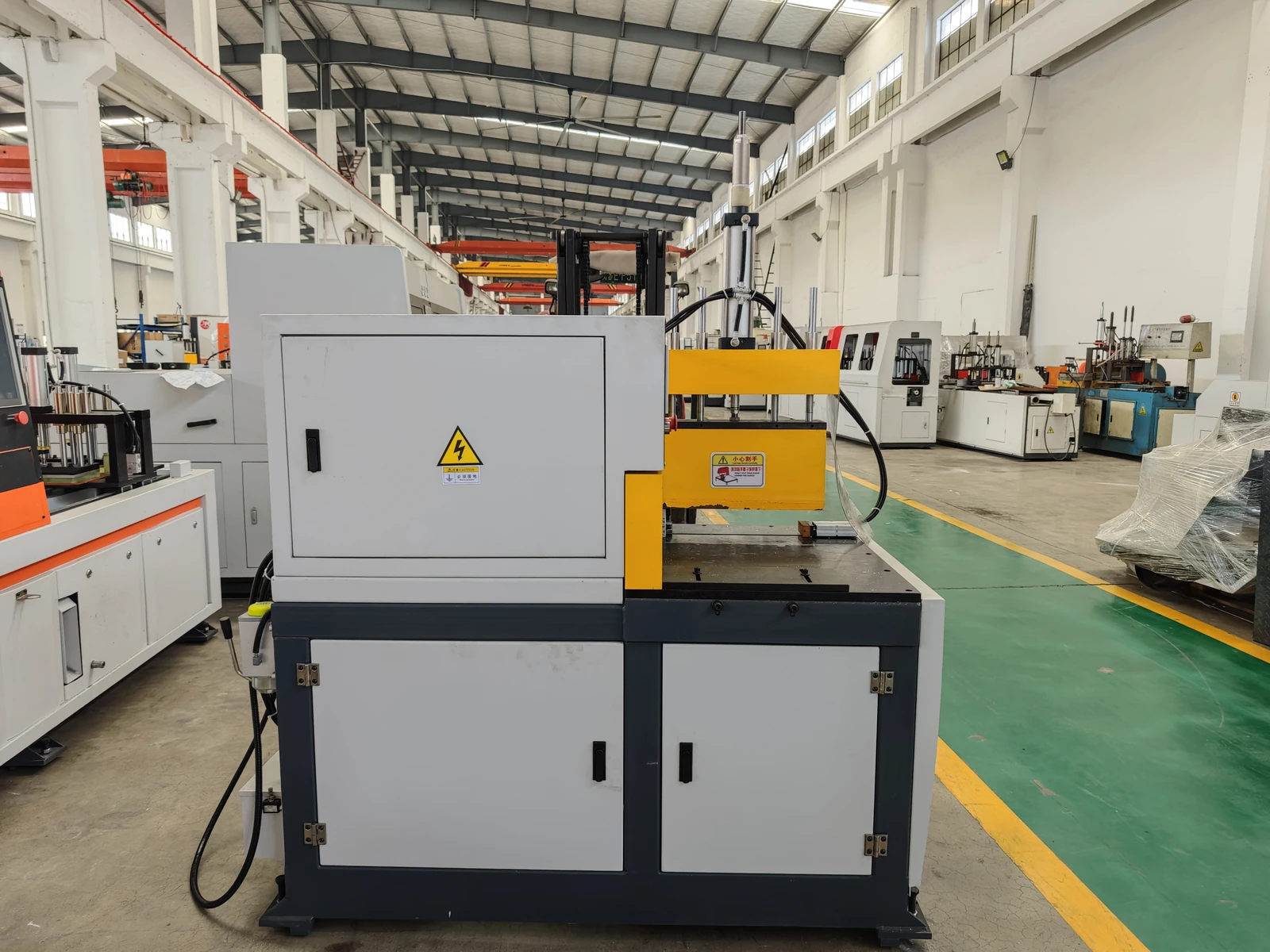
A new saw should be quoted as a defined model and configuration, with included options, site requirements and support stated in writing. A refurbished saw is a particular existing asset. The word “refurbished” does not tell you whether the work covered cosmetics, blades and wear parts, controls, drives, guarding or a complete functional checkout. Ask for its serial or other durable identifier, operating history when available, work order, parts changed, items tested, remaining known defects and the name of the party responsible for the work. A used saw sold as-is is a third category: do not silently apply a refurbishment promise to it.
For a refurbished offer, request dated photographs of the actual unit and its identification plate, not catalogue images. Have a competent person inspect the actual saw before acceptance. Record the installed controls and safety devices, software or control revision where relevant, blade system, feed and clamp condition, and the scope of any missing manuals or drawings. If the seller cannot identify the actual unit and work performed, price it as an uncertain used asset until evidence changes that assessment. Our used aluminum saw inspection guide gives a more detailed actual-unit inspection sequence.
Use one scope table for both quotations
- Identity and configuration. New offer: model, options, blade system, controls and revision. Refurbished offer: actual unit ID, installed equipment and any deviation from the original specification.
- Material handling. New offer: included loading, feeding, clamping, outfeed and scrap handling. Refurbished offer: which of those systems are present, functional and included.
- Safety and documentation. New offer: guarding, isolation provisions, manuals and site responsibilities. Refurbished offer: observed guarding, isolation provisions, available records and work needed before use.
- Site work. New offer: delivery, installation, utilities, commissioning and operator training. Refurbished offer: rigging, installation, recommissioning, missing parts and training.
- Acceptance and support. New offer: witnessed run, sample criteria, warranty terms and spare-parts route. Refurbished offer: actual-unit run, unresolved defects, written coverage and parts availability.
Ask each seller to mark every cell “included,” “excluded” or “buyer supplied,” with the corresponding price and responsible party. A quote that omits rigging, power connection, blade selection or training is not yet comparable with a quote that includes them. Treat delivery dates as dates for the agreed, production-ready scope rather than merely dates when a truck can arrive.

Make safety and recommissioning explicit
Safety needs a site-specific assessment by qualified people. For a United States installation, OSHA’s machine-guarding rule addresses point-of-operation and other machinery hazards, and its hazardous-energy rule addresses servicing and maintenance. These are US regulatory references, not a claim that any particular offered saw is compliant or certified. Applicable requirements vary by location and installation.
For either route, confirm how the operator will load stock, access the cutting zone, clear a jam, change a blade and isolate energy for maintenance. On a refurbished machine, do not treat a fresh paint finish or an unloaded cycle as evidence that guards, stops, interlocks and isolation work as required. Identify any repair or site modification in the scope, who performs it, and whether it must be completed before the acceptance run. For a new unit, confirm that the quoted option set and installed layout preserve the intended safety arrangement.
Define acceptance in two stages
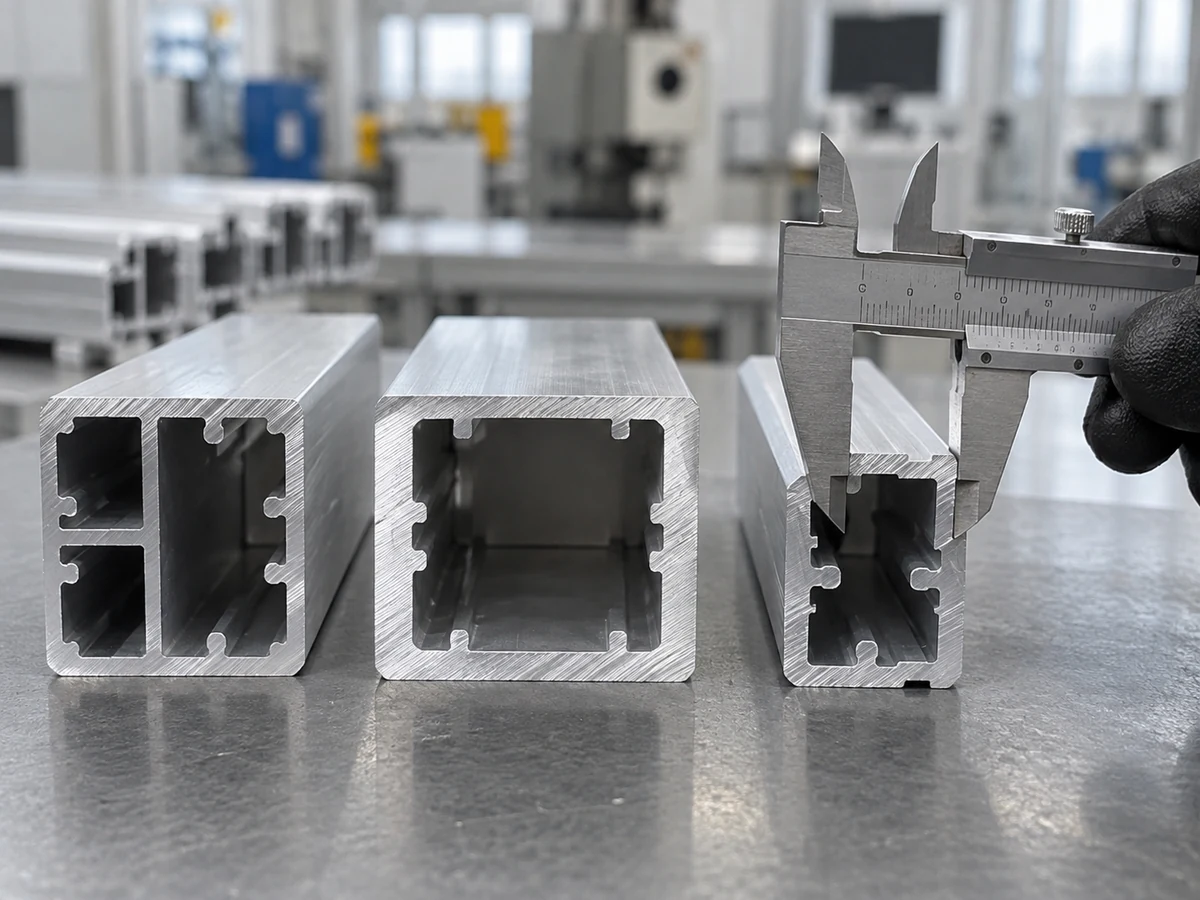
First verify the machine as delivered: identity, option list, documentation, guard and control checks by qualified personnel, utility connections, operating sequence, and agreed open items. Then verify the process with representative material, a specified blade and a documented setup. Agree how many parts to sample, where dimensions and cut-face quality will be checked, and who records the results. A single demonstration cut is useful evidence for that setup; it is not a blanket promise across all alloys, profiles and production conditions.
For a refurbished unit, acceptance should name the exact machine and distinguish defects covered by the seller’s work from items the buyer will own. For a new unit, acceptance should name the final configuration, not a base model that excludes quoted accessories. Keep any corrective work and rerun criteria written down before the final payment milestone or site handover. A post-repair release checklist is useful if a machine needs remedial work before it can enter service.
Compare the full route to productive output
Build a cost worksheet with the quoted machine, freight, rigging, utilities, installation, safety remediation, tooling, training, trial material, expected maintenance work, spare parts and the time until a qualified first batch. Do not fill missing entries with optimistic zeroes. Request written figures or mark them unresolved, then compare a conservative case for each offer. The cheaper purchase price may still be the better decision, but only after the missing work and schedule risk are visible.
New equipment may suit a buyer who needs a defined current configuration, repeatable supplier support and less uncertainty about the asset’s past. A documented refurbished unit may suit a buyer whose process matches that particular machine, who can inspect and trial it, and whose team can manage any residual work. Neither label settles the decision by itself. A demonstration unit is another distinct route; see our demonstration-saw buying guide when the quoted machine has been used for shows or trials.
Questions to put in the request for quotation
- What exact model or asset ID, installed configuration and options will be delivered?
- For a refurbished unit, what was replaced, repaired, tested and left open? Who performed and documented the work?
- Which stock sizes, loading steps, cut lengths, batch conditions and inspection criteria does the proposed setup cover?
- What guarding, isolation, manuals and site tasks are included, and who signs off on them?
- What blade, tooling, feed, clamping and outfeed equipment is included in the price?
- Can we witness an agreed trial on representative material and record part results separately from machine checks?
- What are the written delivery, installation, training, warranty, service and spare-parts terms for this exact offer?
- What remains the buyer’s responsibility before the first accepted production batch?
The NIST Manufacturing Extension Partnership’s equipment pre-purchase guide also emphasizes defining needs and involving the right people before committing to equipment. Use your own process and site constraints to turn that principle into testable quotation and acceptance criteria.
Equipment footage for orientation
Discuss your cutting requirement with Jiurun
Send Jiurun Machinery your part drawing, representative aluminum profile or stock specification, batch range, target cut lengths, handling needs and site constraints. Ask for the proposed configuration and a written acceptance approach. If you are comparing that proposal with a specific refurbished unit, include its actual-unit records and list of included work so the two routes can be assessed on the same production-ready basis. Contact Jiurun to discuss the application.