
An aluminum saw after repair needs two separate release decisions. A technician can restore the machine to a condition suitable for a controlled restart, while the first cut parts can still be unsuitable for the order. Conversely, a measured sample cannot by itself establish that guarding, controls, or the repaired fault have been properly closed. Buyers who expect one service invoice or one good-looking cut to authorize production should define both gates before the repair is needed.
This guide is for a factory buying or operating an aluminum profile cutting cell and negotiating what the machine supplier, service provider, maintenance team, production supervisor, and quality team must hand over. It is a decision framework, not a machine-specific restart instruction. Qualified people must follow the machine manufacturer’s documentation and the site’s applicable energy-control, safeguarding, and approval procedures.
Why two release gates are needed
The machine release answers whether the reported fault has been addressed, affected functions have been checked, and authorized site personnel may return the saw to a controlled production trial. The part release answers whether cut members from that trial meet the current drawing, order, and downstream assembly requirements. Record the two decisions separately, with named approvers and time stamps. Do not label a machine “production ready” merely because it powers on; do not accept a batch because the first cut looks square by eye.
A useful boundary is the first accepted production lot. Maintenance can hand over a repaired asset for a supervised trial; production can run a defined order mix; quality can then accept or hold the resulting members. If any gate fails, the record should say who stops the run, what remains quarantined, and what evidence is required for a retest. This separation also makes warranty discussions more precise: a recurring fault, a setup error, and an out-of-specification part are different claims.
Gate 1: release the aluminum saw after repair for a controlled trial
Begin with a written fault description, the machine and component identity, the symptoms observed, and the scope of work actually completed. A purchase order saying “repair saw” is too vague if the original complaint involved intermittent feed, loss of clamping, abnormal blade behavior, a guard issue, or an unexplained stop. Ask the provider to distinguish the reported symptom from the diagnosed cause and to list any part, wiring, software setting, fixture, or adjustment changed. Record what was inspected but not changed as well. This prevents a later team from assuming a wider repair than was performed.
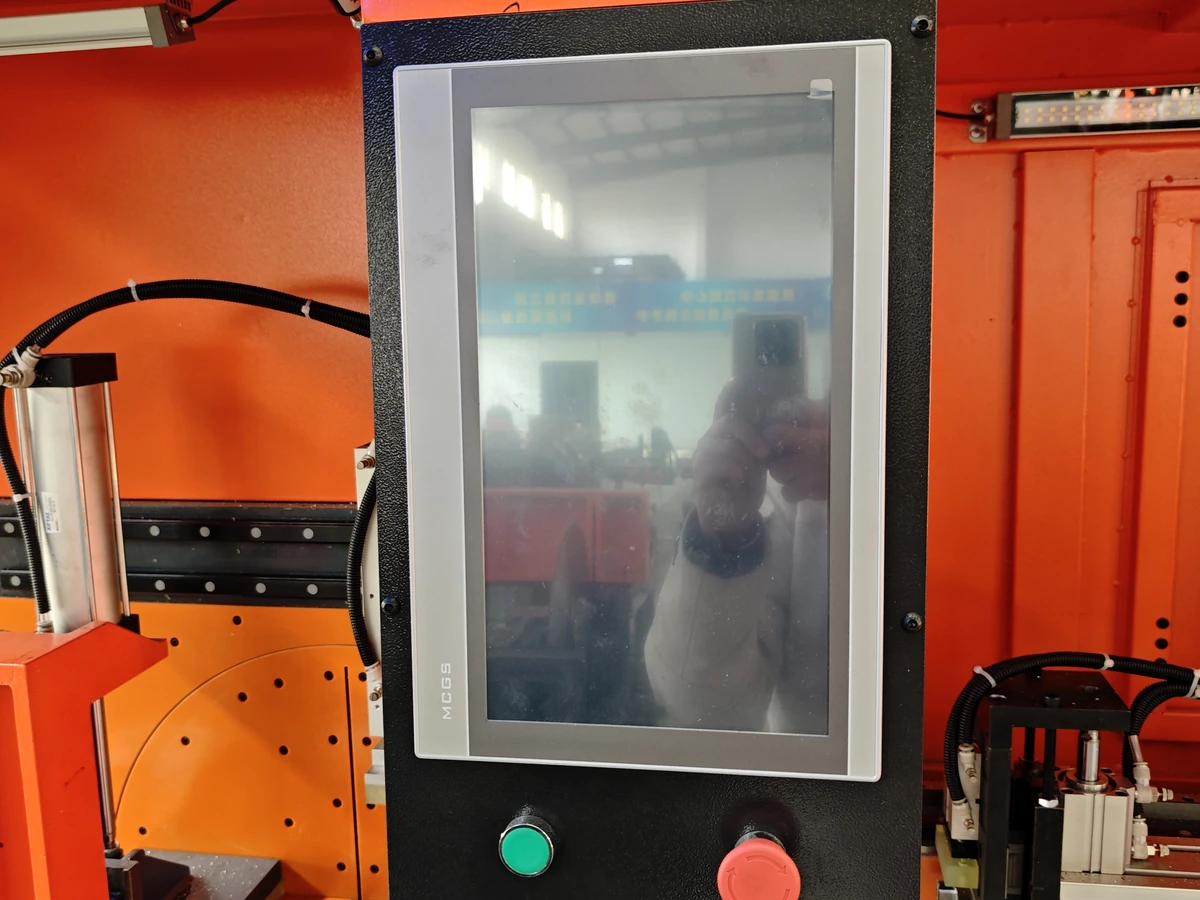
For an aluminum saw after repair, the handover should identify the person authorized under the site’s procedures to check restoration of safeguards and energy-control conditions. The service provider’s demonstration is useful evidence, but the factory remains responsible for its own permission to restart. The OSHA machine-guarding guidance is one US reference for thinking about exposure at the point of operation and during service; it does not replace local law, a risk assessment, or the machine’s instructions. Where a guard was opened or a protective component was replaced, ask for an explicit, qualified verification record. An open enclosure photograph or a successful cut is not proof that the protective function works.

Next, define a limited trial rather than an undefined “test run.” The record can state the material/profile family, cut-length range, fixture or clamp arrangement, blade identification, operator, observation period, and stop conditions that are relevant to the repaired function. These are fields to agree for the specific cell, not universal settings. If a parameter or program was changed, keep its approved version and the person who checked it. If the fault was intermittent, a single no-load cycle may be inadequate; agree a representative trial and a recurrence trigger with the repair provider before closing the ticket.
A machine-release form can be concise: original fault; work scope; changed parts and settings; inspection and safeguard signoff by qualified site staff; trial conditions and observations; residual limitations; and the name of the person releasing the asset for trial. Mark unresolved items as open. An invoice, a photo, or a video of a generic saw is not a substitute for that signed record.
Gate 2: release the cut parts against the actual order
Machine restoration does not establish part conformity. Select a first-piece or first-lot plan based on the repair’s possible effect on the cut. A blade change may shift end-face condition; a clamp or fixture repair may affect orientation or movement; a feed or control repair may affect length consistency and program selection. Those are risk hypotheses to test, not claims that a particular JiurunCut model will produce a given result. The inspection plan should name the current drawing revision, representative profile, cut length, angle or end condition, measuring method, sample identification, acceptance tolerance supplied by the buyer, and who may release the lot.
For mixed-order production, one easy profile is a poor stand-in for the whole order family. Choose samples that expose the repaired function: a thin-wall or awkward section where support matters, a relevant short or long length, and an assembly-critical end when those features are in the actual work mix. Keep separate labels for trial pieces and saleable pieces. If a sample fails, hold affected output and investigate before repeating the trial; do not silently blend experimental cuts into a customer order. Our separate first-pass-yield counting guide helps distinguish accepted parts from rework and scrap when you compare alternatives.
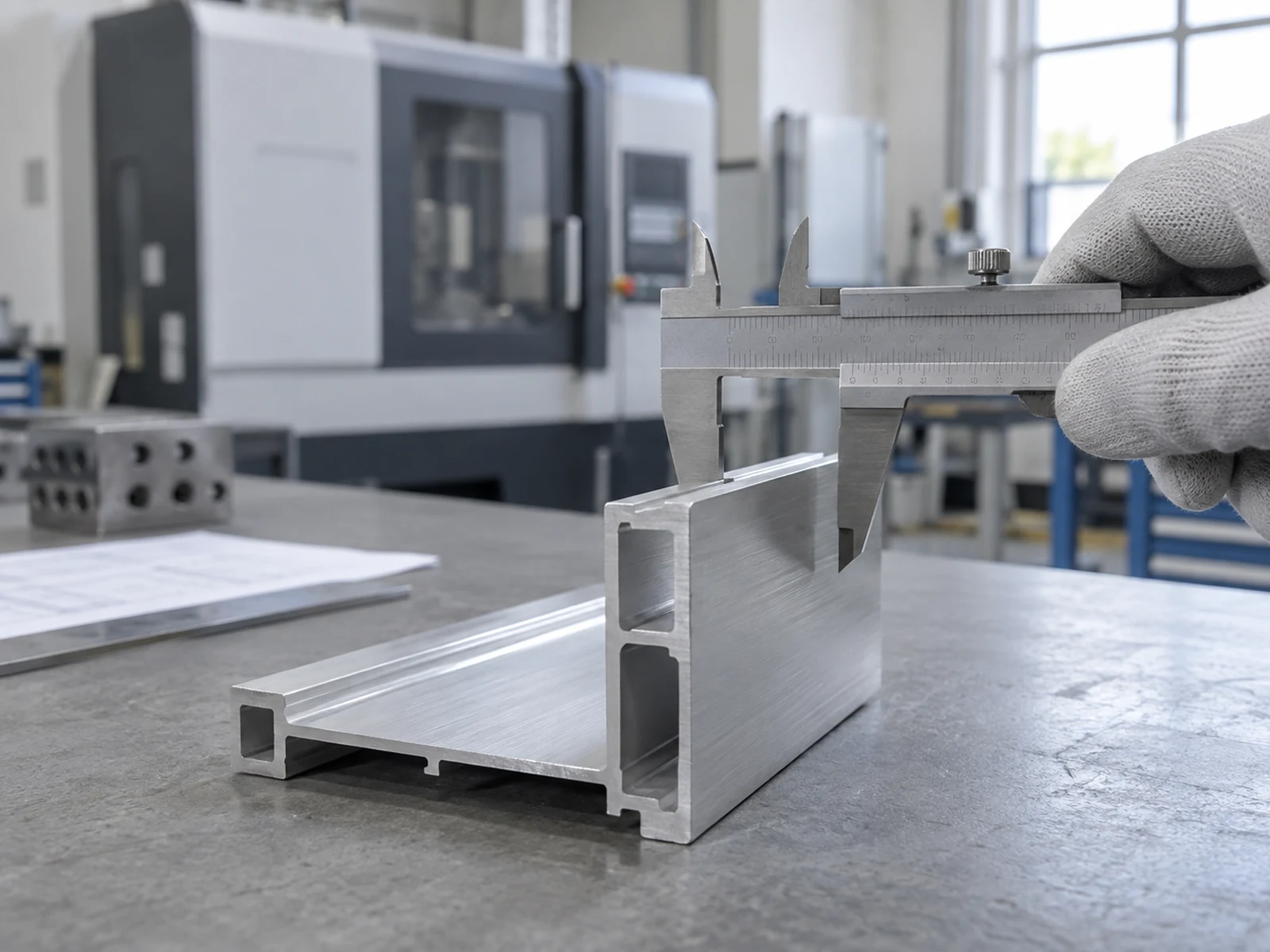
Record both the result and the conditions. “Passed” without drawing, sample, instrument, operator, program, and lot identity is difficult to audit after a complaint. If the trial calls for assembly fit, document that separate check rather than treating a single length measurement as proof of fit. A part-release decision should identify which stock and orders it covers; a successful trial on one profile does not automatically release every material, fixture, or program.
What to do when the two gates disagree
- Machine gate open, sample apparently acceptable: hold production. A sample cannot close an unresolved machine or safeguarding item.
- Machine released for trial, parts failed or unmeasured: hold affected parts and correct the setup, repair, or inspection plan before another documented trial.
- Machine released for trial, parts accepted for a defined order: release only the covered order and profile range, retaining both records.
- Fault recurs after both gates: stop under the site’s procedure, segregate the potentially affected interval, and reopen the fault review.
The last row matters commercially. Specify whether a recurrence within the agreed observation window reopens the same service case, who diagnoses it, and which parts are put on hold. Avoid vague promises of “zero downtime.” In a purchase comparison, request the evidence behind availability or uptime claims and define the observation time base and exclusions; our aluminum saw uptime claims guide shows the distinction between a quoted percentage and a usable acceptance test.
Put the release evidence into the RFQ and service agreement
Before ordering a new saw or a major repair package, attach a one-page return-to-production exhibit to the RFQ. Ask each supplier which fault categories it can diagnose on site, what evidence it supplies after work, what needs a factory or specialist visit, and whether a trial with your real profile family is included. State who supplies material, fixtures, blade, drawings, measurement tools, and a qualified operator. Define the approval authority for machine trial and part release; the service provider should not be assumed to sign for your quality department. For spares, request identification and compatibility evidence rather than relying on a photo of a similar component; see our spare-parts interchangeability RFQ guide.
Ask for a handover packet proportionate to the repair: fault and diagnosis, work order, changed-part identifiers, relevant parameter or program versions, service observations, site safeguard verification, trial plan, sample results, limitations, and signatures. Define who retains it and how the buyer can retrieve it after staff changes. If a supplier cannot provide a document it does not normally generate, decide whether the buyer’s site can produce it; do not assume a hidden control log or automated traceability feature exists. The NIST MEP equipment pre-purchase guide supports planning service, training, and maintenance needs before acquisition; it is general manufacturing guidance, not proof of a particular saw’s capabilities.
A practical buyer acceptance conversation
Send the supplier the actual fault scenario and a small, representative drawing and profile set. Ask: What exactly can the technician verify? Which items require our qualified safety and quality personnel? What would cause the repair to remain open? How will you document changed parts or settings? What is the trial’s stop condition and who pays for a retest if the same fault recurs? What first-piece checks are reasonable for the affected function? What evidence will be left with our factory? Compare written answers, scope exclusions, and response paths, not just the lowest call-out price.
The video below is general Jiurun Machinery saw and feeding footage from our own channel. It helps visualize a guarded aluminum-cutting cell and material flow. It is not a video of this article’s repair, material, model configuration, customer, release trial, safety verification, or performance outcome.
Need to compare a proposed aluminum saw cell or service scope? Send JiurunCut the profile drawings and material, required cut and assembly checks, expected order mix, the fault or replacement scope, and your site’s release responsibilities. We can discuss what evidence to request and what trial conditions to put in the quotation; any machine configuration or acceptance criterion must be confirmed for your project. Contact JiurunCut with your RFQ.