
Aluminum saw energy isolation is a buying question when the machine will be serviced, cleaned, adjusted or cleared after a jam. A stop button can end a cycle, but a buyer still needs to know which devices physically isolate each relevant source of energy on the actual offered configuration. Ask for that answer before approving the quotation, then check it against the delivered machine and the site’s own safety procedure. This article is a procurement checklist, not an instruction for anyone to perform electrical or maintenance work.
Aluminum saw energy isolation starts with the maintenance task
Write down the interventions your team expects: blade replacement, guarded-area inspection, jam clearance, cabinet service and maintenance of clamps or feed devices. The hazards and access conditions can differ. Ask the supplier to identify the energy sources associated with each task on the quoted machine, including any external services. Electrical supply is only one possibility; pneumatic, hydraulic, mechanical and stored energy depend on the design and configuration actually supplied. Do not infer a complete isolation scheme from a brochure photograph or a control-panel button.
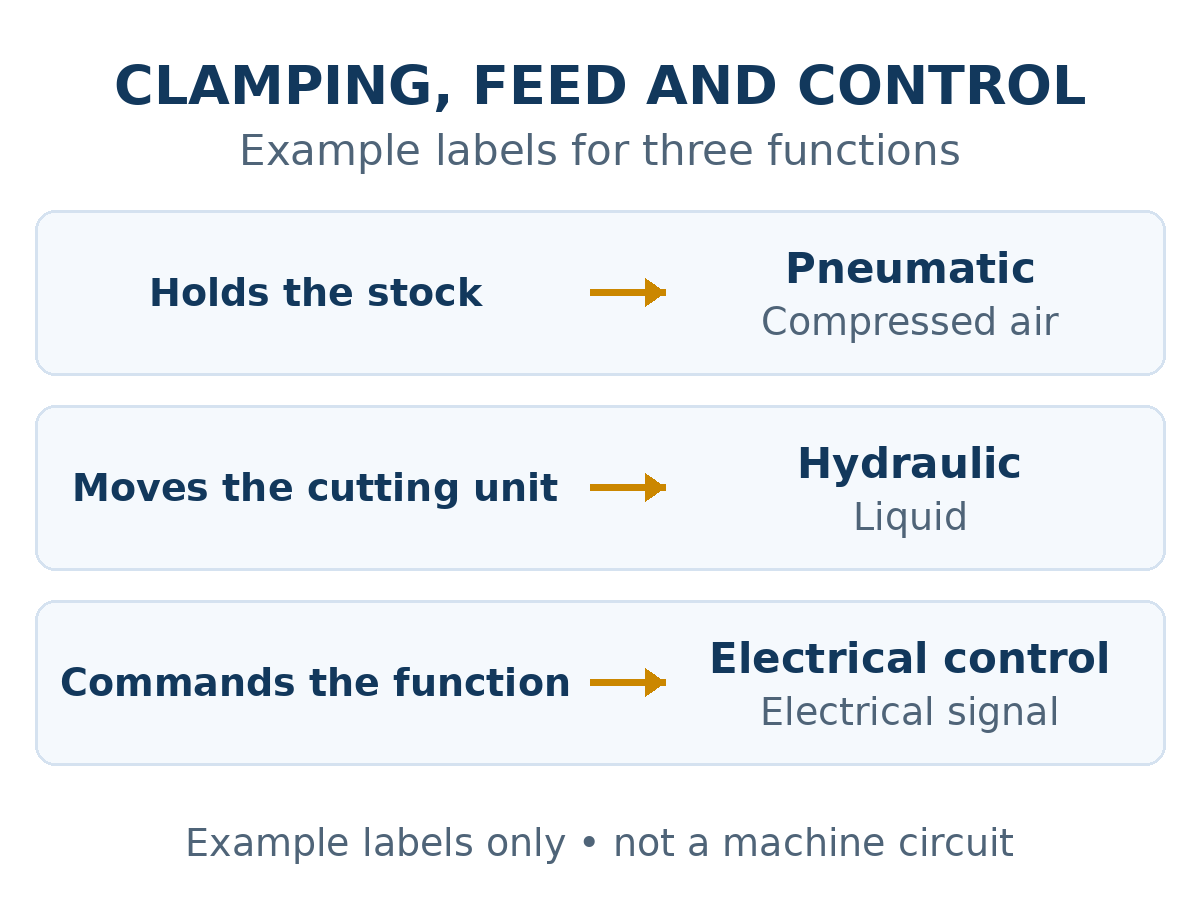
For a United States workplace where it applies, OSHA’s hazardous-energy standard distinguishes an energy-isolating device from push buttons, selector switches and other control-circuit devices. It also addresses stored energy and verification by authorized employees. Requirements in other markets and at individual sites may differ. Have a qualified safety professional determine the applicable rules and procedure; use the distinction to make the RFQ more precise.
Ask for a source-to-isolator map
For each maintenance task, request one table or marked drawing with the following fields. The goal is to expose missing interfaces while the purchase scope is still negotiable.
- Energy source and boundary: identify the machine supply, optional subsystem and any buyer-provided upstream service. State where the supplier’s responsibility ends.
- Physical isolating device: name its type and location on the as-quoted arrangement. Ask whether the device can be locked in the required position and how it will be identified on the delivered equipment.
- Residual-energy issue: identify any moving part, pressure, capacitor or supported load that the site’s qualified team must address. A main electrical disconnect alone does not describe every other source.
- Verification evidence: identify the drawing, label, manual page and demonstration that will let the buyer’s qualified personnel check the delivered arrangement.
- Owner: separate what the machine supplier provides from the plant’s lockout devices, procedures, training and authorization.
Do not ask a sales representative to certify an unspecified machine as “fully lockout ready.” Ask for the actual device list and an exception list for anything outside the quote. A proposed local isolator, a lockable handle and a documented procedure are different deliverables; record each separately.
Separate stopping, isolation and stored-energy control
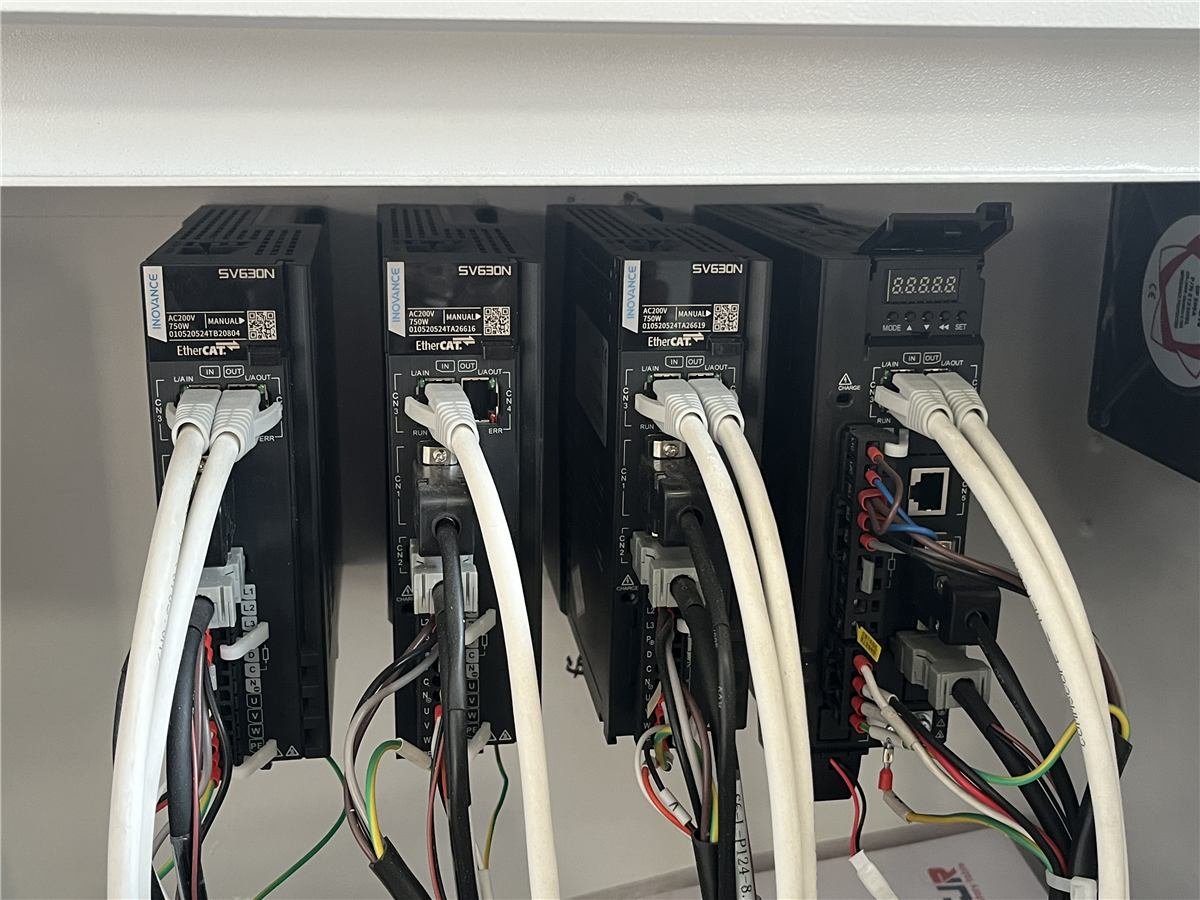
An emergency stop and guard interlock are important protective functions, but their presence does not identify a physical supply isolator. Likewise, turning off an HMI or selecting “maintenance mode” is not evidence that incoming energy has been isolated. A buyer should request a clear explanation of what the controls do, what the independent isolating devices do and which stored-energy conditions remain after shutdown. The supplier should explain this for the quoted configuration without asking an unqualified buyer to test a live circuit.
Include pneumatic or hydraulic services only when they are part of the selected machine. If they are present, ask how the supplier documents the service connection, isolation boundary and residual pressure or movement. An air regulator, venting feature or control valve cannot be assumed to fulfill the entire hazardous-energy procedure. The companion guide on jam-clearance access addresses the protected work area; this checklist focuses on the isolating devices and evidence behind that access.
Make the quotation and acceptance test specific
A useful RFQ line names the intended service tasks, lists the energy sources to be mapped, calls for the as-supplied isolator locations and identifiers, and asks for the relevant drawing/manual revision. It should name who supplies lock-compatible hardware and who provides site-specific locks, training and procedures. If the supplier cannot yet identify a final configuration, mark the item as an open engineering decision with an owner and due date; do not silently convert it into a general promise.
At factory acceptance, ask the supplier to point out the documented isolators on the completed machine and reconcile the delivered labels and drawings. The buyer’s qualified representatives can then plan any controlled demonstration under the site’s approved procedure. At site acceptance, repeat the comparison after upstream power and services have been connected. A factory photo cannot establish the final site connection, and a completed site connection cannot by itself establish a safe maintenance procedure.
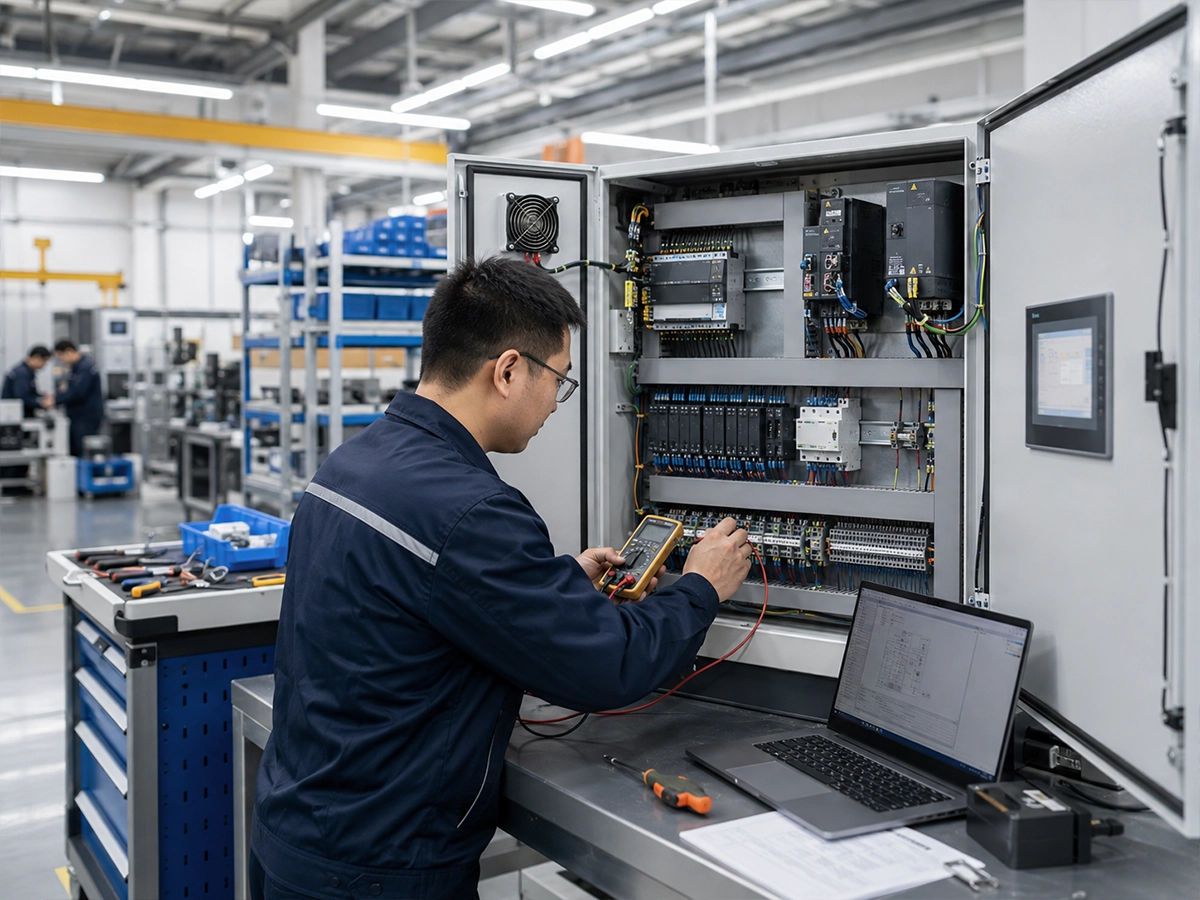
For a related but separate handover question, see the electrical-cabinet access and drawing checklist. For a stop-and-access trial, see the blade run-down buying check. Neither substitutes for identifying every source that must be controlled during the specific maintenance task.
Compare two offers on the same evidence
Suppose Offer A names one lockable electrical disconnect but does not identify the air-service boundary on a pneumatic-clamp option. Offer B supplies a marked electrical and air-interface drawing, a device schedule and a maintenance handover review. The second offer may be easier to evaluate, but its documents still need to match the built machine and the buyer’s site. Compare quoted hardware, missing upstream items, documentation work and acceptance effort on the same basis. Do not turn a lower initial price into a false assumption that the employer’s energy-control program has been completed.
A simple electrically powered saw and a saw with powered feed or clamping may need different source maps. The buyer’s decision should follow the actual configuration, service tasks and local requirements. The EU Machinery Directive text includes an essential requirement on isolation from energy sources, but legal applicability and conformity assessment belong with qualified parties for the destination market. This article makes no certification or compliance claim for a particular Jiurun model.
Buyer release checklist
- Have the supplier identify the as-quoted machine and options, intended service tasks and every energy source relevant to those tasks.
- Require a physical isolator schedule with device locations, identification and lockability where applicable.
- List stored-energy questions and the responsible party for their assessment and procedure.
- Request revised drawings, manual references and a demonstration plan tied to the delivered serial configuration.
- Leave unresolved or buyer-provided upstream items visible in the quote and site acceptance plan.
Send JiurunCut the profile, cutting job, proposed saw configuration and service-access questions through the contact page. Ask for the specific energy-isolation and documentation scope to be confirmed in the quotation. Your qualified site team must assess the final installation and govern maintenance work.
Video: general machine footage
The following video is from the Jiurun Machinery YouTube channel. It shows general JR-455Q aluminum-saw equipment footage. It does not show or prove the isolation devices, options, maintenance procedure, customer installation, material trial or performance discussed above.