
An aluminum saw for retail display frames is a buying problem about the approved system, not simply a request for four neat aluminum cuts. The panel edge, connector, visible face and store-layout revision can determine which member is usable. Before asking a saw supplier for a model or throughput figure, give them the frame-system drawings and a member-level trial plan. This guide covers saw-cut members for repeat store display frames; it does not certify a complete display assembly.
The decision: approve the cutting route only after the proposed setup can identify each profile and end condition, protect the surfaces that matter, and supply pieces that can be checked with the specified connector and panel. A photograph of a square corner is not that approval.
Aluminum saw for retail display frames: start with the system
Ask the display-system owner for the released assembly drawing, profile section, connector detail and panel or fabric-retention detail. Confirm whether the system permits saw-cut blanks, requires pre-machined members, or uses purchased finished parts. The external OCTANORM OCTAwall 40 Classic system page illustrates why the frame, connector and panel interface must be treated together. It is an example of a third-party display system, not evidence of compatibility with JiurunCut equipment.
Do not insert a 45-degree mitre into the cut list because the assembled outline is rectangular. One OCTANORM connector detail expressly describes a corner arrangement that does not need a mitre. Another approved system may specify a mitre, square end, stepped end or additional machining. Use the actual project drawing and the system supplier’s instructions. A saw quote cannot authorize a change to a proprietary connection.
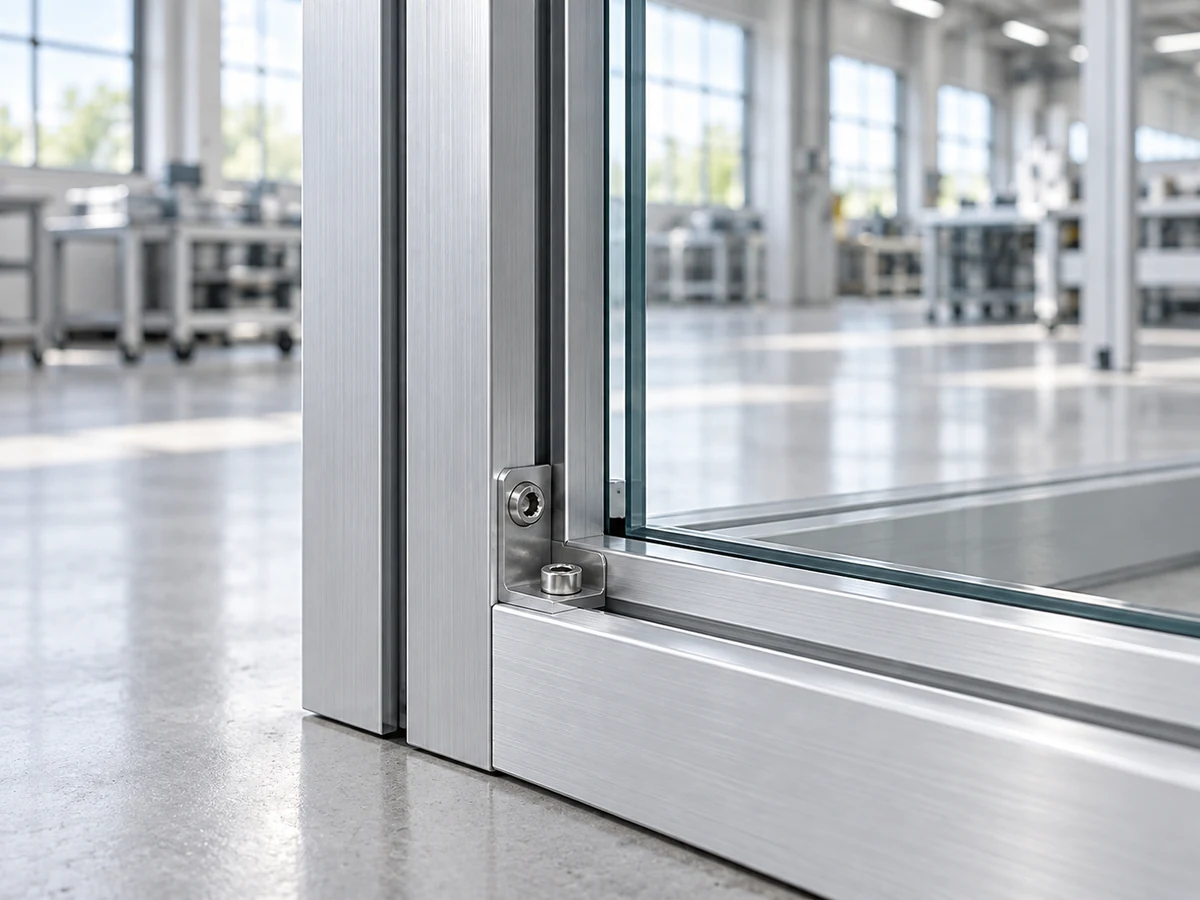
Define the member schedule that the saw must serve
Build one cutting-list line for each finished-member identity. Include the project and store-layout revision, part number, profile section, material description, length reference, end geometry, orientation, visible face, quantity per frame and planned quantity of frames. Separate any trial pieces and spare members from saleable kit demand. The assembly drawing tells the buyer where a member belongs; the member drawing tells the cutting team what the blank must be.
- Length: name the drawing datum and measurement convention; do not confuse outside frame width with a saw-cut member length.
- Ends: show the required end face and any handed or mirrored arrangement on a marked drawing.
- Interface: identify the connector, panel seat and operations after sawing, such as drilling or tapping, with their responsible supplier.
- Appearance: mark the visible face and areas that must avoid clamp contact, scuffing or mixed-finish handling.
- Identity: give every member and kit a label or record that survives cutting, sorting and downstream work.
If a store uses several module widths, do not collapse similar-looking rails into one line. A small difference in section, end treatment or label can move a part into the wrong frame. The broader aluminum frame kit checklist explains how to keep accepted pieces and complete sets distinct; here the extra purchasing test is the approved retail panel-and-connector interface.
Check how the actual profile can be fed, supported and clamped
When selecting an aluminum saw for retail display frames, give the supplier a representative physical sample and its cross-section drawing. A hollow or slotted display member may have thin walls, a decorative face or an asymmetric section. Ask the supplier to show which face is referenced, where supports sit and where clamps touch. The setup that holds one profile securely may not be suitable for another section or orientation. Request a documented changeover plan for the profiles in the store program.
Keep a saw-cut blank separate from a finished display component. A trial may show the machine cutting a profile, but it cannot by itself establish panel engagement, connector capacity, surface acceptance or the quality of later drilling and assembly. Agree which party performs each stage and who accepts the assembled sample.
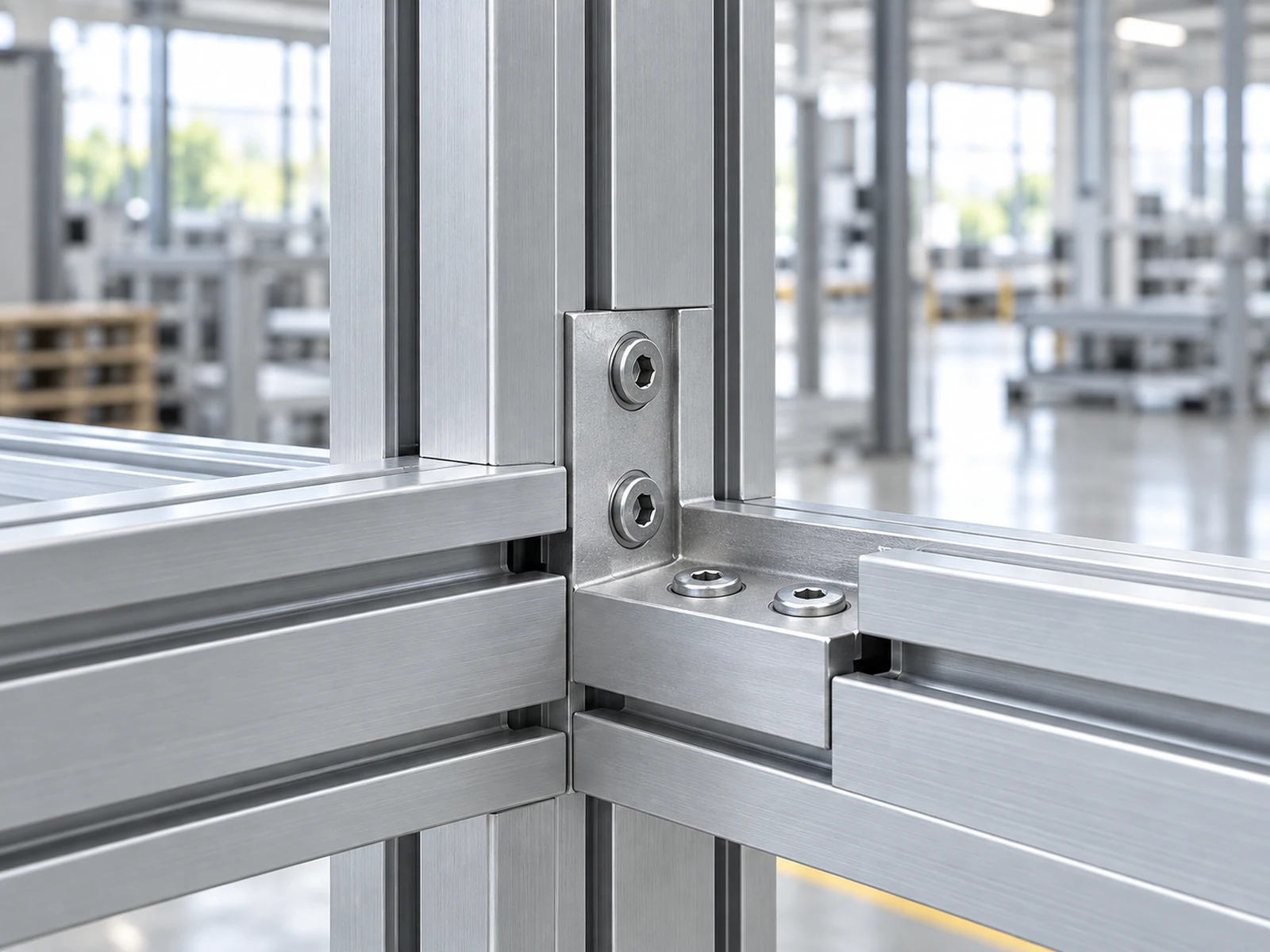
Use a trial set that answers an assembly question
A useful trial set contains the distinct profiles, shortest and longest relevant members, required end types and any visible-face condition that could change the setup. Agree on inspection points before cutting. Record the actual sample identity, drawing revision, cut-length datum, observed end condition and any surface issue. Do not turn a feeder setting or machine specification into a claimed finished-part tolerance. Measure and accept the parts against the agreed method.
Then assemble a representative corner or full module with the approved connectors and panel. Check whether the panel enters or seats as specified, whether the connector can be installed as intended, and whether the visible joint and finish meet the project’s inspection criteria. Log any adjustment, remake or downstream operation. A trial that only compares loose cut lengths does not close the panel-fit question.
For a broader geometry comparison, the butt versus mitre joint guide separates end shape from the complete approved assembly route. Use it to frame questions, then return to the retail system’s actual drawings.
Separate the saw quotation from the display-system quotation
Tell suppliers whether the requested package is a cutting machine, cut members, machined members, or complete assembled frames. State who provides stock, connectors, panels, labels and inspection gauges. Ask a saw supplier to explain the proposed profile range, saw and clamp configuration, handling of visible faces, changeover steps, part identification and trial method for your member list. Verify the configuration in the formal quote; a general equipment video does not establish the machine proposed for your order.
For repeat rollouts, request a change-control procedure. A new store module, graphic-panel thickness, connector revision or finish can invalidate an old cutting program even when the outside frame looks similar. Release a revised member list and sample-approval record before production changes. Schedule complete frame kits by part identity instead of counting a bin of mixed aluminum pieces as finished display frames.
Equipment footage: general profile-cutting illustration
The following video is from Jiurun Machinery’s YouTube channel and shows general aluminum-profile saw equipment and feeding. It is not a retail display-frame trial. It does not verify the profiles, connectors, panels, material, machine configuration, customer job, cut quality or performance discussed above. Use it only to identify questions for a documented trial of your own parts.
Send a purchase inquiry that can be tested
Send JiurunCut the released frame and member drawings, physical profile samples, expected member mix and quantities, finish/visible-face requirements, approved connector and panel details, cutting versus downstream scope, and an inspection plan. Identify the sample set you want reviewed and the evidence required before you approve the saw configuration. Ask for a proposal against those documents, not a universal guarantee from a product photograph.
Contact JiurunCut with the controlled member list and trial questions so the cutting stage can be reviewed for the actual display-frame program.
Buyer FAQs
Does every rectangular display frame need mitred ends?
No. The system drawing and approved connector determine the end condition. Do not choose a mitre or square cut from appearance alone.
Can a clean-looking saw cut prove the panel will fit?
No. Inspect the identified cut member, then test the approved connector and panel in a representative assembly. Record both results separately.
What should be compared between saw quotes?
Compare the proposed setup against the same member schedule, profile samples, visible-face restrictions, changeover needs and agreed trial checks. A headline model name or feed specification is not a finished-frame acceptance result.