
A second aluminum saw should solve a named production constraint, not merely add another machine to the floor. Buyers often face two plausible proposals: duplicate the saw and process already proven in the shop, or buy a complementary cutting route for profiles, angles or handling conditions the present route does not cover well. The right choice depends on released orders, accepted parts and the resources shared by both machines. A second spindle does not create more saleable output if the same worker, material rack, inspector or packing station remains the limiting step.
Use this guide to build a purchase comparison before asking for a final quotation. It is a decision framework, not a claim that any particular Jiurun model fits your parts or that either purchase will raise output. Verify the offered model, options and acceptance trial against your drawings and site.
First prove what the current saw cannot deliver
Start with the most recent representative order mix rather than a single peak day. For each profile family, record the approved stock form, drawing revision, required end geometry, accepted quantity, due date, time spent preparing and loading bars, changeovers, cutting, first-part inspection, rejected pieces, offcut handling and the receiving point. Keep waiting for material, a program release or downstream collection visible. The purpose is to find whether the current saw itself is occupied when acceptable work is waiting.
Separate a capacity gap from a capability gap. A capacity gap exists when the present saw can make the approved parts but cannot deliver enough accepted pieces within the required window under the real staffed schedule. A capability gap exists when a released part family requires a cut, workholding, support or handling route that the current approved setup has not demonstrated. The same purchase may address both, but the evidence and test are different. Do not label a machine “too small” from a cycle-time brochure alone.
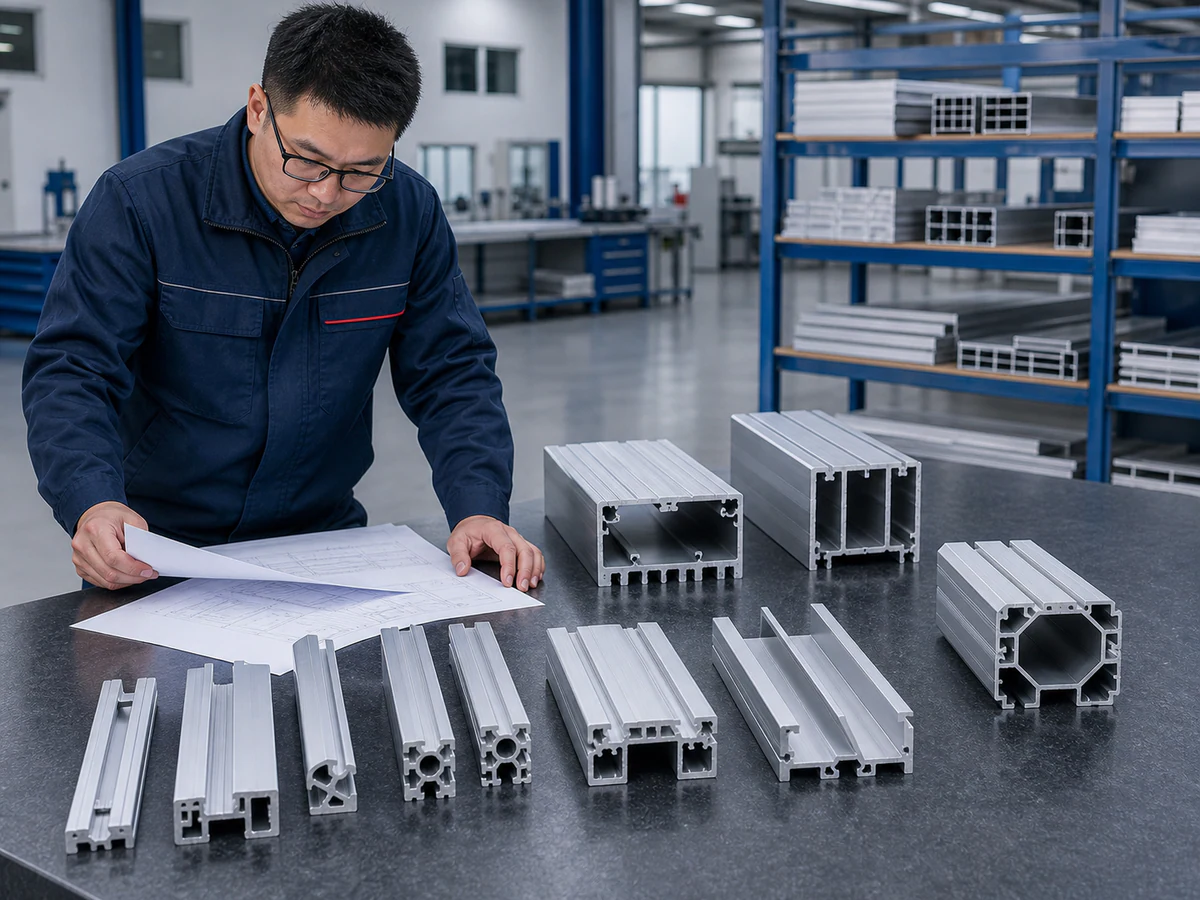
When a duplicate saw is the stronger proposal
Duplication can make sense when the same approved profile families recur and the current cutting route has already passed acceptance. Ask whether a second station could run a separate released job without competing for the same bar preparation, blade handling, inspector or outfeed. Document whether programs, clamps, blades, spare parts and operator training truly transfer between the proposed and installed configurations. The names can match while controls, revision levels or supplied options differ. Interchangeability belongs in the equipment list and witnessed setup test.
A duplicate also gives planners a route to divide common jobs when both machines are available, but do not count it as guaranteed redundancy. A shared electrical feed, extraction system, sole trained operator or single packing cell can stop both paths. Request a layout that shows independent material presentation, safe access, parts identification and service space. If one machine is expected to take over after another stops, trial that transfer using a released job, not merely a promise that the programs can be copied.
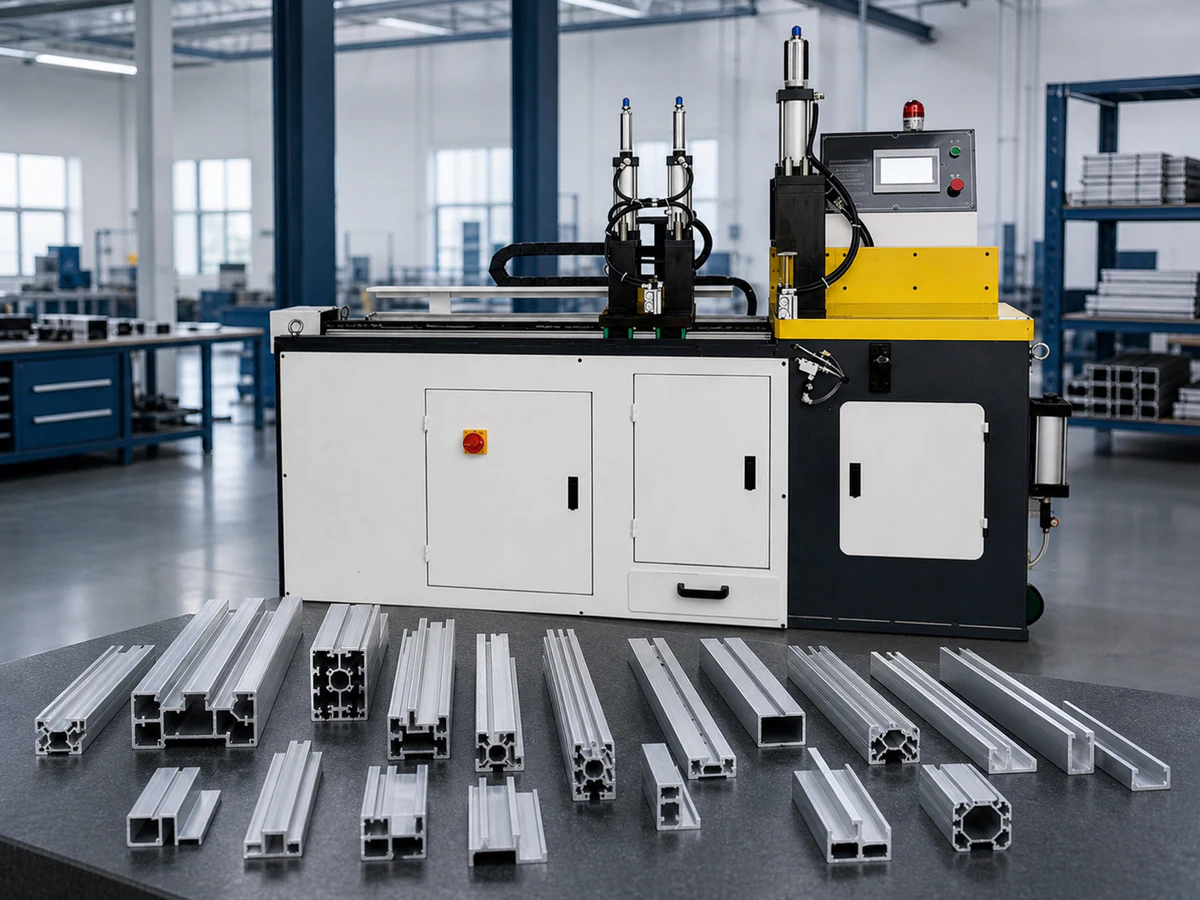
When a complementary route can earn its place
A different machine can be justified when a defined group of released parts repeatedly leaves the current route: for example, the required end form, section envelope, support length or acceptable handling path cannot be demonstrated on the present setup. Name each affected part and why. Then ask the supplier to map those parts to a proposed configuration and a trial. Buying an unfamiliar machine because it has a larger nominal cutting range or more automatic features may add training and maintenance while leaving the original bottleneck untouched.
The complementary route should have enough valid work to use it after the first demonstration. Build a routing matrix with one row per part family and columns for approved current saw, proposed second saw, blade and workholding basis, expected batch pattern, inspection method and receiving step. Put “unproven” in a cell until a witnessed trial supports it. Some families may run on either path, some on only one, and some may still require outside work. That distinction prevents a flexible-looking purchase from silently becoming another single-purpose constraint.

Compare the two options at the same accepted-output boundary
Give both proposals the same order portfolio and receiving requirement. Record accepted and identified parts delivered by due date, not just raw cuts per minute. Include setup and changeover, replenishment, operator intervention, inspection, rejected or held pieces, maintenance access, unloading and packing. State the hours and people assumed for each option. An “extra shift” on the existing saw is a third scenario worth recording if staffing and site rules allow it; do not treat it as free machine time or assume it can absorb every order.
A useful comparison separates three kinds of evidence. First, measured on the buyer’s representative trial: accepted count, elapsed staffed time, exceptions and actual handoffs. Second, supplier-stated but untested: catalogue cycle estimates, model capability or projected savings. Third, outside the quote: stock handling, tooling, utilities, inspection, training, integration and downstream labor. Keep each item in the correct column. A lower purchase price is not necessarily a lower cost per accepted part, while a broader machine is not automatically valuable if the relevant families are rare.
Make the acceptance trial expose the routing decision
Ask for two witnessed scenarios. In the duplicate case, run an approved recurring family on the proposed second station and demonstrate the handover of a released program, blade and workholding setup, first-part release, bar replenishment and labeled output. If claiming takeover ability, interrupt one route and show how the alternative station receives the correct order and stock identity. In the complementary case, choose a difficult family the current approved route does not adequately cover and test its actual section, cut list, tolerance reference, finish protection and unloading.
Use the same accepted-part definition on both demonstrations. Measure finished parts to the agreed drawing and inspection plan; a feed-position figure is not finished-part accuracy. Record the supplier, operator and inspector responsible for every decision. If a substitute profile or altered fixture is used, label the result as a demonstration of that setup only and leave the untested production requirement open. The trial should end with a signed list of proven, unproven and excluded work, not a single headline throughput number.
Quote the shared resources and the future job mix
Ask each supplier for an itemized scope: saw and guarding, infeed and outfeed, blades and fixtures, control/program transfer, utilities, installation, training, spare parts and support. The duplicate proposal needs a compatibility table against the installed asset. The complementary proposal needs a part-family coverage table and a plan for training, tool inventory and service. Both need a site drawing that shows material movement and the people required at the busy handoffs. Cost the expected order mix and changeover pattern over a realistic planning horizon, including what happens when demand shifts.
For general planning context, the U.S. National Institute of Standards and Technology describes factory operations planning and control as a distinct manufacturing concern; a NIST MEP changeover case illustrates why losses at a shared setup stage can affect later shifts. These sources do not establish performance for a Jiurun machine or for your factory. Jiurun’s saw-family overview supplies product context only; confirm model-specific scope in the quotation.
Video: general cutting-process example
This Jiurun Machinery channel clip shows general feed and cutting equipment. It is not a demonstration of two installed saws, a specific material, model configuration, customer order, takeover trial or performance result. Use it only to visualize a process stage that your own acceptance plan must define.
Decision rule and RFQ handoff
Choose duplication if the current approved cut route is the proven bottleneck for repeat work and a second complete, staffed path delivers more accepted parts. Choose a complementary machine if a valuable released part family remains outside the approved route and the proposed configuration can pass its own acceptance trial without moving the constraint elsewhere. Defer either purchase if the records show that material release, inspection or downstream packing is the dominant delay; fix or price that boundary first.
Next step: Send your suppliers the released profile drawings, order mix, current route and observed queue, accepted-part criteria, site layout, available staffing and desired receiving point. Ask for both a duplicate-route and complementary-route response where they are feasible, with marked exclusions and a comparable trial plan. Contact JiurunCut to request a scope comparison. For related decisions, see the bottleneck review and two-shift operating-day questions; each covers a different part of this purchase decision.