
JR-160CNC vs JR-455Y is a buying choice between a pipe-focused automatic route and an operator-led semi-automatic crosscutting route. A model label tells you where to begin, but it does not tell you whether your round tube will remain supported, whether the quoted fixture protects its surface, or how many pieces will actually pass inspection. Compare the two routes using the same released drawing, stock condition, batch mix, and accepted-output boundary. The right purchase is the complete process that releases your parts, not the machine with the shorter-looking cutting stroke.
This guide is for a buyer who has recurring round aluminum tube work and is deciding whether automatic feeding is justified or whether a staffed cutting station offers the better fit. It sets out the evidence to request before a quotation and a practical trial method. It does not claim a specific finished tolerance, hourly output, tail length, or customer result for either machine. Those values require the offered configuration and representative material to be tested and recorded.
JR-160CNC vs JR-455Y: establish what each offer actually includes
Jiurun Machinery’s fully automatic machine category lists the JR-160CNC as a fully automatic pipe cutting machine. The supplied Jiurun catalog describes JR-455Y as a hydraulic crosscutting semi-automatic machine. These are useful starting identities, not a signed scope for every offered build. The category page does not define the buyer’s tube range, feeder, clamp, discharge, inspection method, or accepted output. The catalog also does not list JR-160CNC; do not transfer a specification from another model to fill that gap.
Ask for an annotated quotation and current machine layout for each route. Identify the exact model suffix, cutting direction, blade and bore, feed and stop arrangement, clamp contacts, infeed and outfeed support, guards, lubricant and chip handling, utilities, controls, spare parts, and supplier responsibilities. Mark each item as included, optional, or buyer supplied. If a demonstration uses a fixture or support that is absent from the offer, the demonstration has not established the performance of the quoted package.
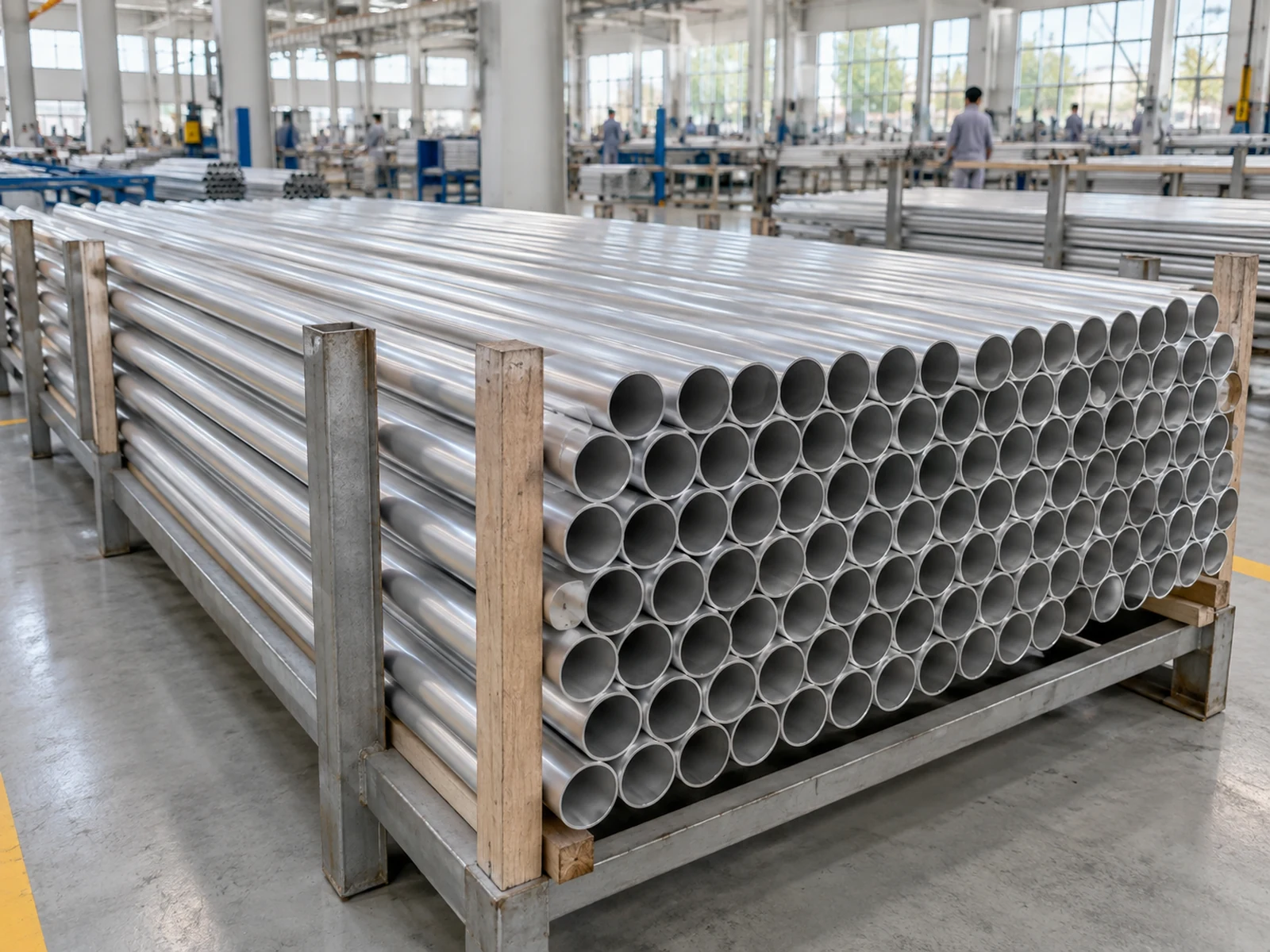
Start with the order mix, not an automation label
Give both suppliers the same part-family sheet. For every recurring tube, provide outside diameter, wall thickness, alloy and temper where known, stock length, finished length, cut orientation, visible-surface rules, annual and per-order quantity, and any downstream fit requirement. Note incoming bow, ovality, surface film, burr sensitivity, and whether material arrives mixed or separated by size. Include the shortest and longest normal piece, a changeover between diameters, and an awkward member that represents normal production rather than a best-case sample.
Separate a recurring production family from occasional repair or prototype cuts. A feeder may be valuable for repeated orders if stock presentation, first-piece release, and downstream collection are reliable. For frequent changes or short runs, the setup and inspection work may dominate. Conversely, a staffed machine that looks flexible in a single test may become a bottleneck when the plant needs long unattended sequences. Neither conclusion can be drawn from model names alone; the order mix and accepted pieces per complete work period decide it.
Trace the automatic pipe route from bar to released piece
For a proposed JR-160CNC, request a process drawing that begins at the stock rack and ends at the accepted-part container. Observe how one bar is selected, presented to the feed, located, clamped, cut, discharged, and counted. If the quote proposes multiple tubes in one cycle, require a separate, explicit fixture and accepted-piece trial for that arrangement. Do not assume that “fully automatic” includes bulk loading, automatic sorting, inspection, deburring, or uninterrupted replenishment. Identify every operator action and every sensor or interlock that affects the actual proposed configuration.
Ask the supplier to show a first-piece check, a normal run, a controlled stop, a restart, and the end of a bar. Record how the remaining stock is handled and whether a cut part can roll, collide with another part, or lose its identity. Note where rejected pieces are placed and how the accepted count is reconciled. A controller’s cycle counter is not the same as the number of inspected, usable pieces in a labelled lot. For a more focused question on one-versus-multiple-pipe output, see the JR-160CNC output trial guide; this comparison addresses the wider decision between automatic and staffed routes.
Trace the staffed hydraulic route without hiding handling work
For a JR-455Y offer, draw the operator’s entire loop: bringing the tube to the station, establishing the length reference, keeping a round section from rolling, clamping at the agreed contact areas, initiating the hydraulic crosscutting step, unloading, checking, labelling, and clearing the remnant. The supplied catalog identifies the JR-455Y family’s hydraulic cutting direction, but it does not prove the exact offered fixture, support, stop, or operator time for your material. Ask the supplier to demonstrate those items on the proposed unit.
Watch a normal diameter or finished-length change. Record which stops, guides, pads, blade settings, or support positions move; who signs off the first acceptable piece; and what happens to parts cut before the new setup is approved. Include the operator’s reach, safe access, and part-removal path in the layout review. The JR-455Y operator-handoff guide develops that machine’s staffed sequence. Here the point is to compare that whole sequence with the proposed automatic pipe route using the same job.
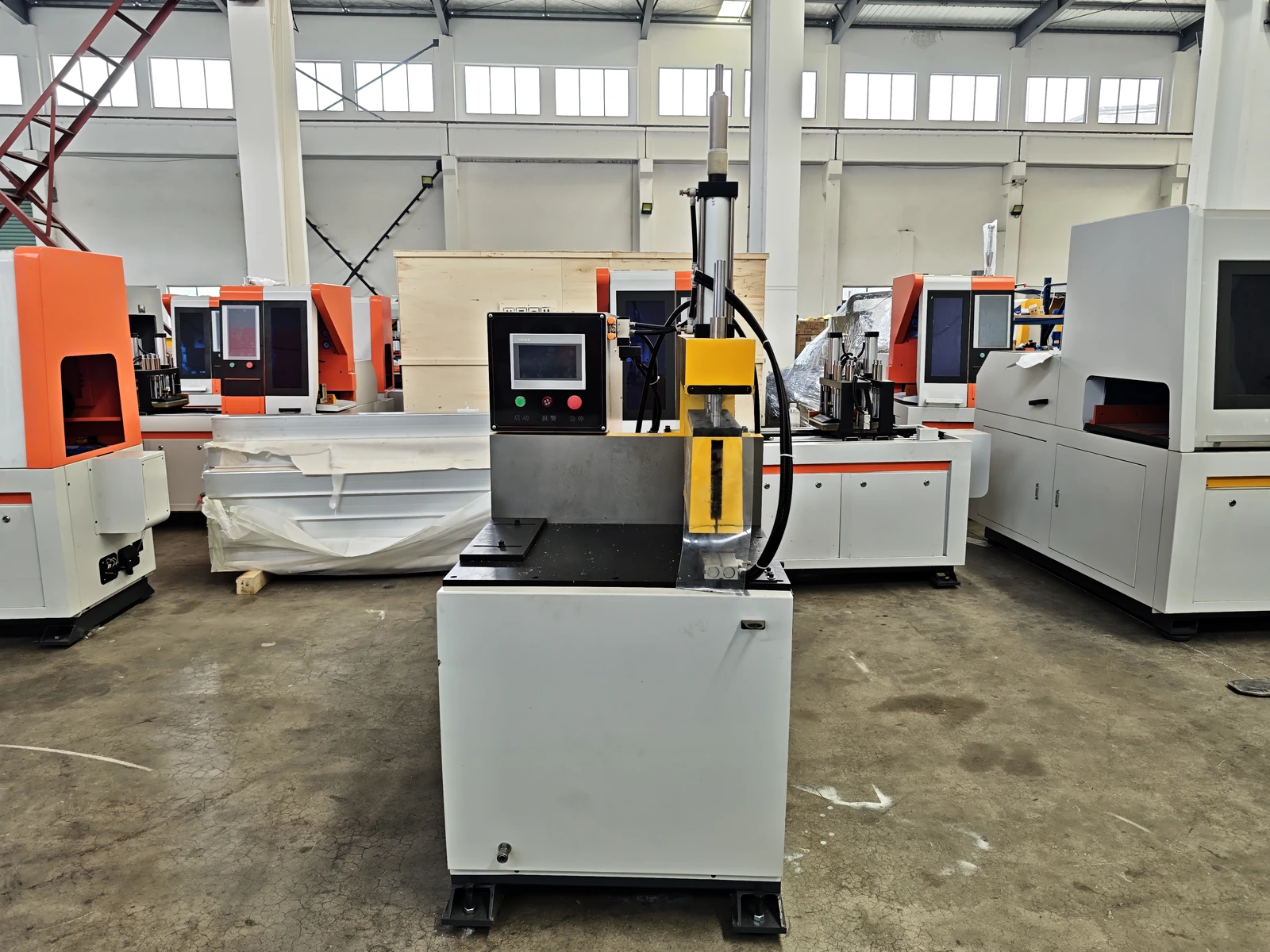
Run one acceptance plan for both choices
Before either trial, agree on the drawing revision, material lot, tube orientation, blade, fixture version, sample count, acceptance limits, measurement tools, and who will witness and sign the results. Measure finished length from the specified datum, inspect the cut-end condition and burr by an agreed method, and check any downstream insertion, welding, coupling, or assembly interface that matters. A small sample should include the first piece after setup, consecutive pieces from the run, a piece near the end of a bar, and a piece after a realistic pause or diameter change. Record each part rather than showing only the best one.
For an automatic route, link each accepted piece to the feed program, bar, and collection container. For a staffed route, record the stop setting, operator procedure, and any manual inspection or sorting. When the same tube is unavailable for both trials, label substitute material as a screening result and plan a representative confirmation before purchase acceptance. Do not treat a feed-positioning figure as a finished-part precision claim. The relevant result is what the buyer can measure on released pieces under the agreed method.
Use four separate counts: cycles attempted, pieces cut, pieces inspected, and pieces accepted. A rejected piece, an uninspected piece, and a cut cycle are different outcomes. If multiple tubes are cut in one cycle, identify each position and inspect it independently. Agree on a disposition for any lost identity or mixed lot. These definitions stop an apparently fast route from winning a comparison with pieces the buyer cannot actually release.
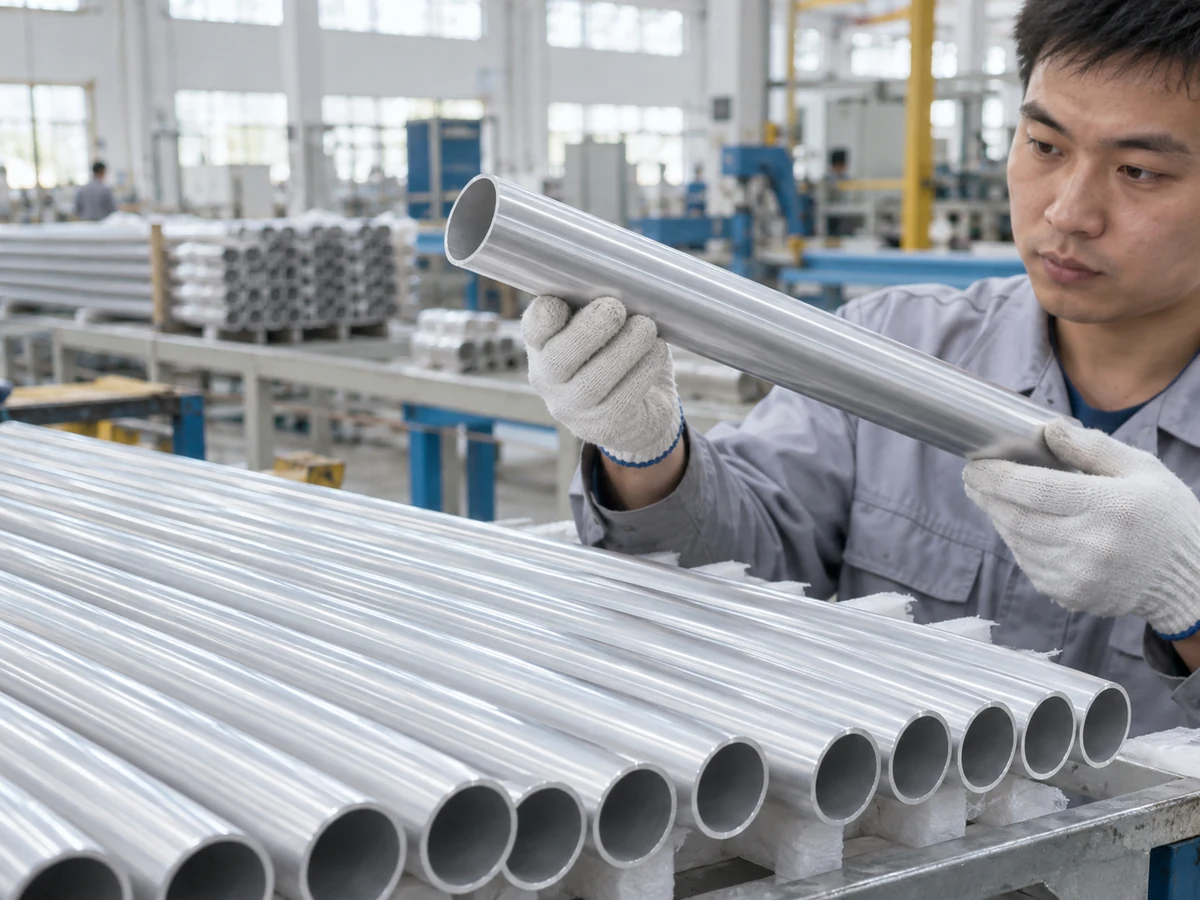
Compare the same production window and the same site boundary
Define a realistic observation window that includes preparation, loading, cutting, removal, inspection, changeover, ordinary pauses, and batch reconciliation. If the buyer operates one shift, compare accepted pieces per staffed shift with an explicit operator count. If the automatic proposal assumes unattended running, document who replenishes bars, checks the first and periodic pieces, clears faults, and handles full bins. The labour assumption is part of the calculation. A video showing several quick cuts is useful for seeing motion, not for calculating a guaranteed hourly rate.
Ask for the full cell footprint, including bar length before the saw, discharge length after it, service access, guarding and material carts. Check power, compressed air if specified, chip extraction, lubricant handling, noise controls and safe access against the buyer’s site. A compact machine body can still need a long and carefully supported stock path. If the plant has a strict ceiling height or narrow aisle, show the supplier a measured layout before using the quote as an installation commitment.
Price the complete route: machine, feeder or stop, support rack, fixtures and pads, blades, collection and chip equipment, installation, commissioning, training, documentation, spare parts, sample trial, and after-sales response. Carry the same inclusions and exclusions across both offers. A lower base price that omits the fixture or accepted-output check cannot be compared directly with an installed package. Include the responsibility for material during a supplier trial and the remedy if the trial cannot meet a hard acceptance requirement.
A decision sheet to send with the RFQ
| Decision line | Evidence from the buyer | Response required for each route |
|---|---|---|
| Tube family | Released drawings, diameter and wall range, incoming condition, lengths and lot mix | Exact machine, blade, fixture, contact and support package |
| Part acceptance | Finished datum, cut-end and fit rules, sample plan and inspector | Signed results for every sampled position and restart condition |
| Whole-cell output | Staffing, work window, batch and changeover frequency | Accepted-piece count with all handling and inspection included |
| Site fit | Measured aisle, stock staging, utilities and service access | Installed layout, utility list and excluded interfaces |
| Commercial scope | Delivery, training, spares, documentation and support need | Included items, optional items, supplier responsibility and acceptance terms |
Choose the JR-160CNC route when its quoted automatic pipe-handling configuration passes the real tube and accepted-output trial, and its complete installed cell fits the buyer’s order pattern. Choose the JR-455Y route when a witnessed, staffed hydraulic crosscutting process produces the required released parts with manageable handling and changeovers. If neither passes, revise the fixture, support, or model shortlist. Do not force a winner by brochure wording alone.
Video: general Jiurun equipment example
The video below is from Jiurun Machinery’s own YouTube channel and shows a JR-455Y-labelled semi-automatic saw with an operator handling round tube. It is a general equipment and process example, not a JR-160CNC demonstration or a head-to-head trial. It does not prove the material, model configuration, customer job, accepted quality, tolerance, cycle time, or output described in your quotation. Request a witnessed trial for those claims.
Send the real part and request two complete proposals
Send Jiurun the released tube drawings, actual stock condition, cut list, quantity and changeover pattern, site layout, and the decision sheet above. Ask for a written configuration and representative trial plan for the automatic pipe route and the staffed semi-automatic route. The relevant recommendation is the route that releases your real parts under an agreed inspection method and fits your complete site and commercial scope. Contact JiurunCut with your round-tube cutting requirements.