
The JR-160CNC pipe cutter listing mentions multi-pipe cutting, but that claim starts a buying trial rather than establishing an accepted-piece rate. The Jiurun JR-160CNC product page presents a fully automatic pipe cutter and discusses cutting more than one pipe. A buyer still needs to confirm the quoted fixture and material route on the actual tube family. The decision is whether one-pipe operation, a paired load, or another approved batch arrangement produces more accepted parts per staffed period after loading, separation, inspection, and changeover. Do not infer a diameter range, tolerance, cycle time, or material compatibility from a model name or a demonstration title; request a configuration-specific written answer.
Define the output before comparing modes
Start with the part drawing, the incoming tube specification, and the next operation. For each sample family, record material and temper, outside profile and wall, stock length and straightness condition, required cut length, end-face requirement, burr limit, cosmetic faces, and how the receiver identifies an accepted part. Separate round from non-round sections. Mark any coating, seam, extrusion variation, or joint that could change contact at the clamp. If the order includes mixed lengths or different tube sizes, define the changeover sequence rather than treating the whole order as one homogeneous run.
Ask the supplier to identify exactly which JR-160CNC configuration is being quoted: stock support, feed arrangement, clamp and nest, blade and cut-off zone, part collection, and any equipment needed for a second tube. A statement that the model can cut multiple pipes is not proof that the particular quoted tooling can hold your pair. Obtain the drawing or photo of the proposed contact geometry and have the supplier mark the datum and expected finished-part route.
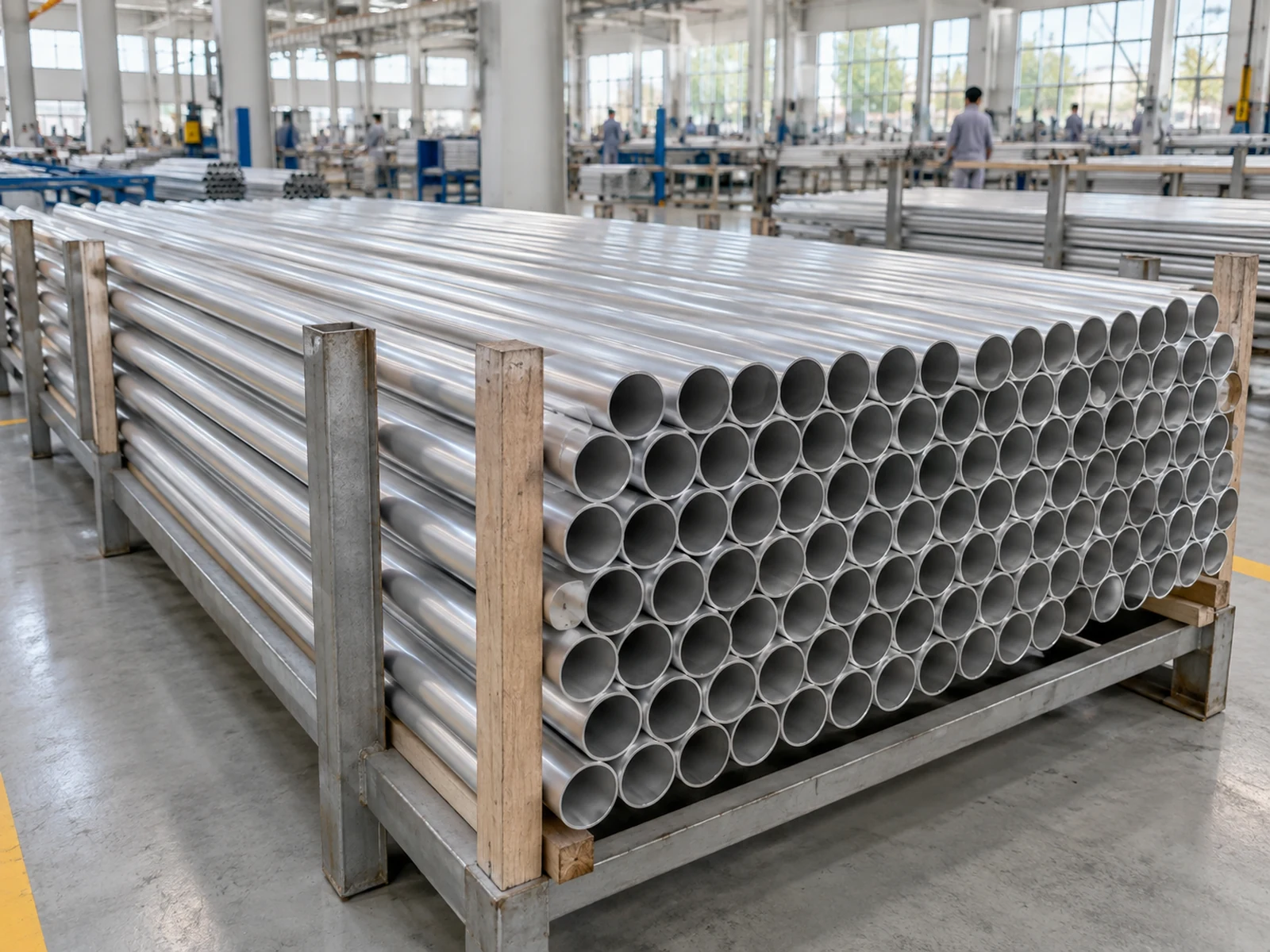
Run a matched single-pipe baseline
Use a traceable lot and agreed inspection method. Begin with one pipe at a time on the proposed production setup. Count setup, loading, first-piece approval, regular cuts, stops, rejected pieces, and unloading. Keep the first piece, a middle-run piece, and a last-piece sample for both length and end inspection. Measure from the drawing’s datum with the agreed instrument and handling condition. Inspect both the operator-facing and opposite end where the downstream process cares about either face. Note whether a part needs deburring or cleaning before it can move to the receiver.
Record the length distribution and reasons for rejection separately from machine cycle time. A fast sequence with extra trimming, sorting, or rework may deliver fewer accepted pieces. Also document offcuts and the last usable section of a bar. Feed repeatability stated in a brochure is not a finished-part tolerance and should not be substituted for measured cut results.
Then test the proposed multi-pipe arrangement
Repeat the trial with the same drawing, stock lot, operator instructions, measuring method, and acceptance rules. If the supplier proposes two pipes in one clamp, request a view of both contact points before cutting. Show that each pipe stays located at loading, after clamping, at the blade passage, and at part release. Identify which tube sits against the datum and how the second tube’s position is controlled. If a shared pressure element lets one tube move when wall, diameter, or straightness varies, the paired run needs a different nest or a narrower incoming-stock rule.
Ask the trial team to label outputs by position A and B. Inspect each position separately. A combined sample average can hide one consistently short, angled, or burred position. Measure the first, middle, and last accepted pieces from both positions, and retain any reject with the reason and position. Also watch whether the pieces separate cleanly, whether the chute or bin mixes acceptable and questionable parts, and whether an operator must manually untangle or re-sort them.
The question is not whether two tubes appear in a frame. It is whether the quoted machine, fixture, blade, and collection route repeatedly deliver the agreed accepted outputs from the actual stock. If the available trial can show only a walk-around or a one-pipe cut, label multi-pipe output unverified in the quotation and define a later acceptance test.
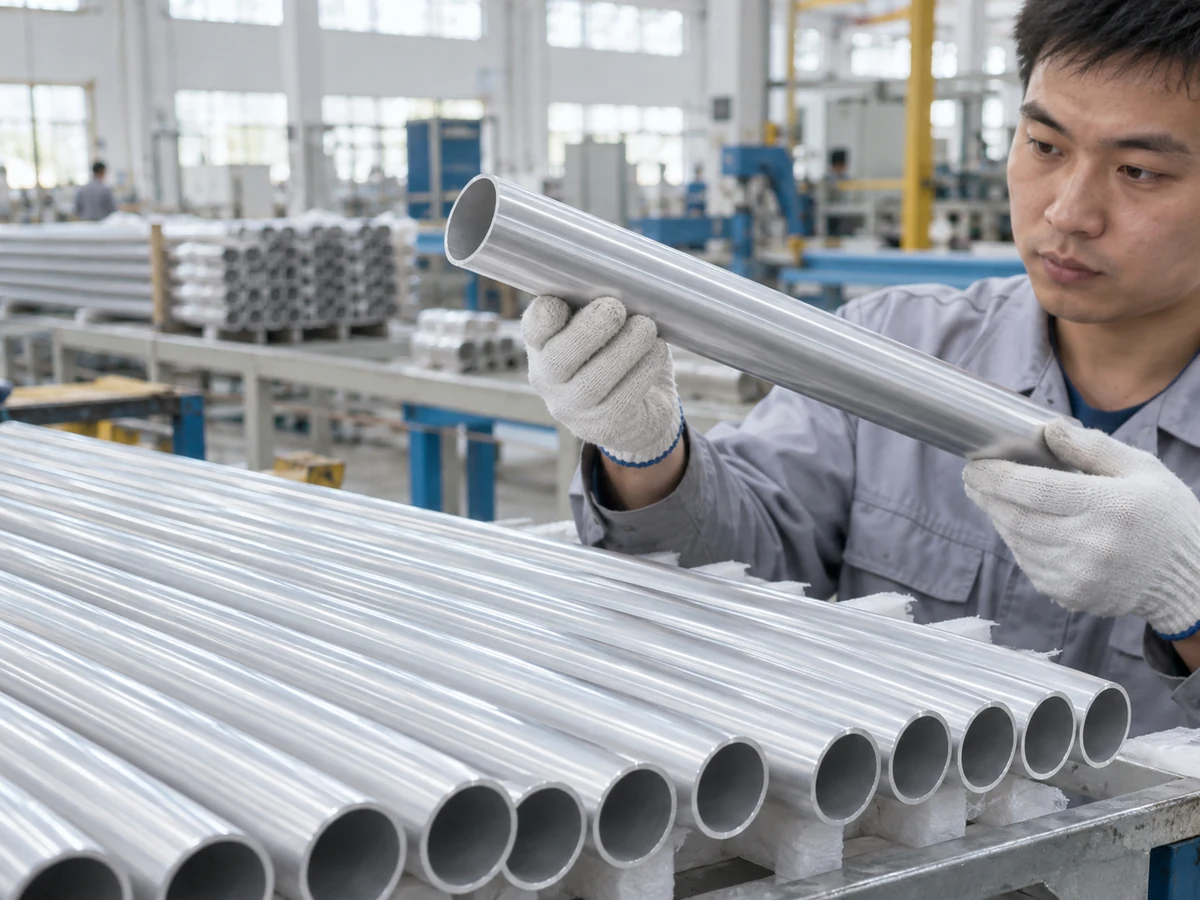
JR-160CNC pipe cutter trial: compare accepted pieces
Use a simple reconciliation sheet for each mode. Enter the incoming tubes and usable stock length; the number of cutting actions; pieces released from the saw; pieces held for inspection; rejects and their reasons; accepted pieces received by the next operation; offcuts; and elapsed staffed time from approved setup through the last packed or transferred part. Note interruptions such as a clamp adjustment, jam clearance, chip removal, blade change, or change of part program. Include these when they are part of the representative job rather than deleting inconvenient minutes.
Calculate accepted pieces per staffed hour from the observed trial, with the trial conditions alongside the figure. Keep setup and changeover visible. For a small mixed order, a nominally faster paired cut can lose its advantage if extra nesting, checking, or sorting dominates. For a stable long run, the comparison may favor the paired arrangement, but only the measured and accepted output for the specified part family supports that purchasing decision.
Plan changeover and downstream handover
Request a second trial after the initial pair: change to another diameter, wall, or length that represents the order mix. Record the actual steps needed to swap the nest, reset guides or clamps, select the program, approve a new first piece, and release production. If the proposed configuration requires a different blade or part collection setup, list it in the quote. Do not assume the single-pipe and multi-pipe modes share identical support or quality settings.
Agree who owns the cut-end acceptance at handover. The receiver might be a deburring cell, drilling fixture, weld preparation station, assembly line, or packer. Give that team retained samples and a clear hold/release rule. An end that looks acceptable at the saw can still fail insertion, mating, or packaging. For a batch, reconcile the number of accepted parts at the receiver with the count at the saw; separately report scrap, hold pieces, and reworked parts. A recent square-tube batch acceptance example shows the same count-and-pack discipline for a different section, while the fixture decision here is specific to the proposed JR-160CNC pipe route.

What the Jiurun video actually shows
The following video comes from Jiurun’s YouTube channel. It shows general footage of a different Jiurun enclosed aluminum saw (JR-550CNC) and its working area. Treat it only as an equipment example. It does not depict the JR-160CNC, the material, dimensions, quoted fixture, simultaneous output, customer job, cut quality, accuracy, or accepted-piece rate discussed in this article. Request a witnessed trial on your own stock for those claims.
Put the acceptance terms in the RFQ
Ask the supplier to return a configuration drawing or marked photo, a list of included support and tooling, and a trial plan for each representative tube family. The plan should state the stock lot and drawing revision, one-pipe and proposed multi-pipe runs, sampling positions, measurement method, cut-end and burr limits, accepted count, changeover trial, and how rejected or held pieces are separated. Name the person who approves the first piece and the person who receives the last batch. Record any work that occurs off-machine, such as deburring, washing, inspection, or packing, so the comparison reflects the complete handover.
Before placing an order, request written resolution of any gaps between the product listing, sales description, and the actual quoted configuration. If a tube family or material was not trialed, describe it as outside the demonstrated scope. If the paired arrangement was not physically shown, make its acceptance an explicit condition rather than a presumed feature. A useful quote makes the buyer’s part, fixture, inspection, and output responsibilities visible.
Send Jiurun your tube drawings, representative stock, required batch mix, and receiver’s acceptance criteria through the JiurunCut contact page. Ask for a documented single- versus multi-pipe trial on the proposed configuration. The purchase decision should follow accepted output and handover evidence, not a headline cutting rate.