
An aluminum saw inspection cell is a purchase decision about the route from a cut part to an accepted, held, or rejected part. A camera, a gauge, and a spreadsheet do not by themselves define that route. Before asking for an automatic cell quotation, decide which checks belong beside the saw, which remain at a bench, and who owns the result when a part cannot be judged. This guide compares three complete routes for a buyer specifying cut aluminum profiles and sections.
Begin with the accepted part, not the sensor
Write down the actual families leaving the saw: section shape, cut length range, end geometry, surface condition, presentation, job identity, and the downstream receiving point. For each family, state the approved characteristic to be checked and the authority that defines its acceptance rule. Length, angle, burr condition, surface appearance, and orientation are different questions; one measurement technology may not answer all of them. A buyer should identify which characteristics need every-part decisions and which can follow an approved sampling plan. Our separate guide to inspection sampling addresses that narrower choice.
A practical scope sheet identifies the state in which the part is to be assessed. A free part on a bench may not present the same geometry as a part restrained for assembly. Do not assume a camera reading is interchangeable with a downstream fit judgement. Set the datum and condition with the receiving team, as explained in our free-state versus assembly-restraint review. The inspection supplier can then propose a method against a released requirement, instead of guessing the requirement from an attractive demonstration.
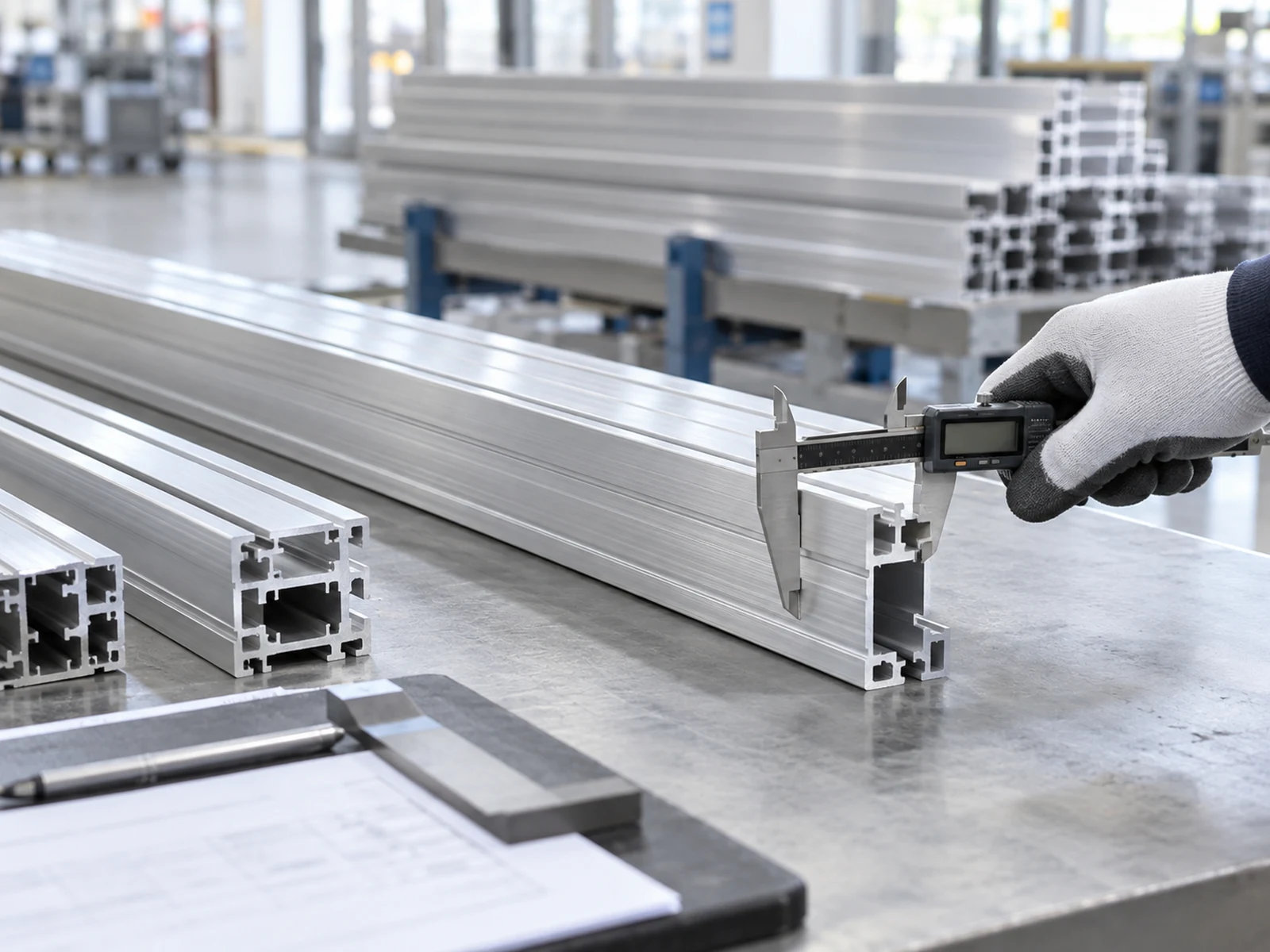
Compare three aluminum saw inspection cell routes
Retained offline inspection. Saw output is identified, transferred to a defined bench, checked by a person using approved methods, and released or held with a record. This can be the right route for diverse, low-volume parts or characteristics that need flexible review. The quote must still include handling, identification, staffing assumptions, traceability, and the queue of parts waiting for a decision. A low equipment price is not a complete comparison if this work is left outside the boundary.
At-line or mixed inspection. A selected characteristic is checked near the saw, while another remains at a bench or specialist station. The buyer must define which result releases the part, how a part is kept identifiable between checks, and what happens when one check passes and another is pending. The physical hold area, record reconciliation, and person responsible for disposition are part of this route. It can be sensible when only a limited feature justifies automatic measurement, but the mixed flow should be quoted as one managed route.
Integrated automatic cell. A part is presented in a controlled condition, associated with the correct job or recipe, measured or viewed, judged against approved rules, physically directed to an accepted or hold/reject destination, and recorded. The supplier must describe the whole sequence and the interfaces with the saw and downstream receiver. An inline system may support every-part inspection for a defined feature, but that capability must be demonstrated for the buyer’s actual profiles and production conditions. KEYENCE’s explanation of inline and offline measurement helps distinguish a measurement integrated into the line from one performed separately; it is general background, not evidence of a Jiurun configuration.
| Quote route | Buyer-retained work to expose | Evidence needed before selection |
|---|---|---|
| Offline bench | Part transfer, identification, measurement labour, hold and release | Representative checks and an agreed record/release method |
| At-line plus bench | Unmeasured features, second-stage identity, pending-part control | Both decisions reconciled on the same physical part |
| Automatic cell | Approved limits, exception authority, maintenance and reference checks | End-to-end presentation, decision, routing and record trial |
Specify the whole automatic sequence
Ask for a process map from saw discharge to the next accepted receiving point. The map should show singulation or spacing if needed, orientation, support, datum establishment, job or part identification, sensing, decision, physical routing, and record creation. A supplier may offer a camera or gauge, but the buyer needs to know who supplies the conveyor, fixture, light control, reject path, controls handshake, guarding, and interface to the existing line. Distinguish purchased items from retained site responsibilities in one responsibility matrix.
Part presentation is often the decisive unknown. A profile can leave the saw with chips, coolant, protective film, a variable burr, or an orientation that changes the apparent feature. A trial should use the agreed incoming condition. If cleaning, turning, or stabilizing a part is necessary, price and assign that step. Do not let a successful reading of a manually prepared sample stand in for an installed route that must handle normal production arrivals.
Identification must survive every transition. Define how a recipe is selected, what prevents an old job’s limits from being used after changeover, and which physical part a measurement record belongs to. If the cell cannot read the identity or the result is indeterminate, its route should be explicit: stop, hold for review, or another approved response. Do not silently count an unknown part as good. If a part is measured twice or a reject path is full, the responsibility for correction and record reconciliation should be visible.
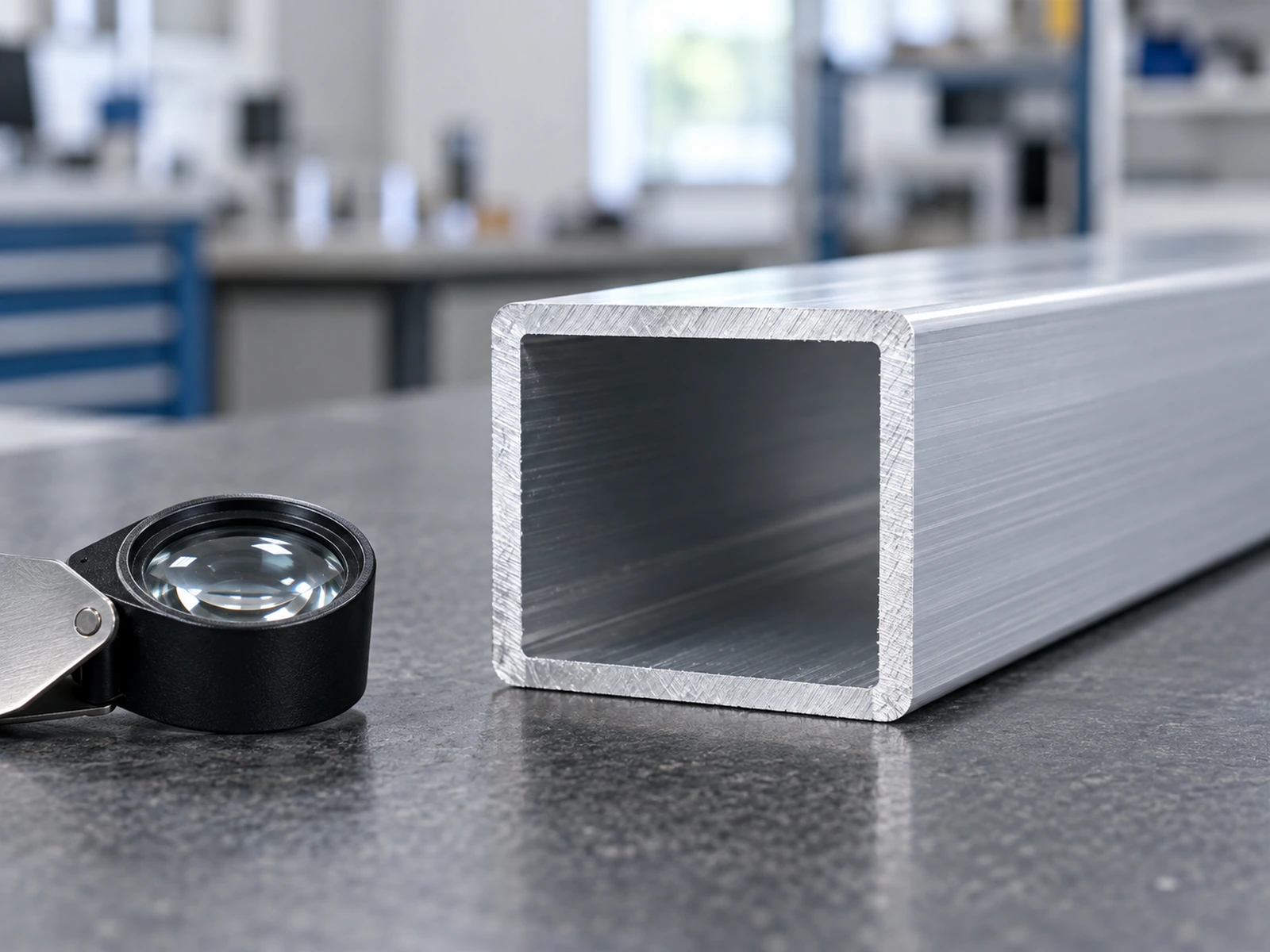
Make measurement and disposition separate acceptance gates
A measurement demonstration answers only whether the proposed method can obtain a usable value or image under specified conditions. The installed cell must also make the approved decision and send the correct physical part to the correct destination. Specify both gates in the RFQ. An accepted part should reach the intended receiver with a usable identity and result; a held part should remain controlled until an authorized review; a rejected part should not rejoin accepted output through an ambiguous chute or manual shortcut.
Set the evidence for false acceptance, false rejection, missed parts, repeated reads, and uncertain results using the buyer’s approved examples and criteria. No universal numerical rate should be assumed from a brochure. Include reference or challenge pieces representing the covered part families, and state who preserves and checks them. Cognex’s vision-system TestRun guidance notes that changed lighting and adjustable parameters can affect an inspection result. Use that as a reason to ask how the proposed system will be checked after job changes and maintenance, not as a promise that a particular cell will pass.
Record fields should be agreed before software and controls are quoted: part or batch identity, job/recipe version, feature and decision, time, disposition, overrides, and the owner of any later correction. If the customer system needs these records, define the interface, failure response, retention owner, and a recovery demonstration. A screen that shows a green result is not the same as a durable, reconcilable production record.
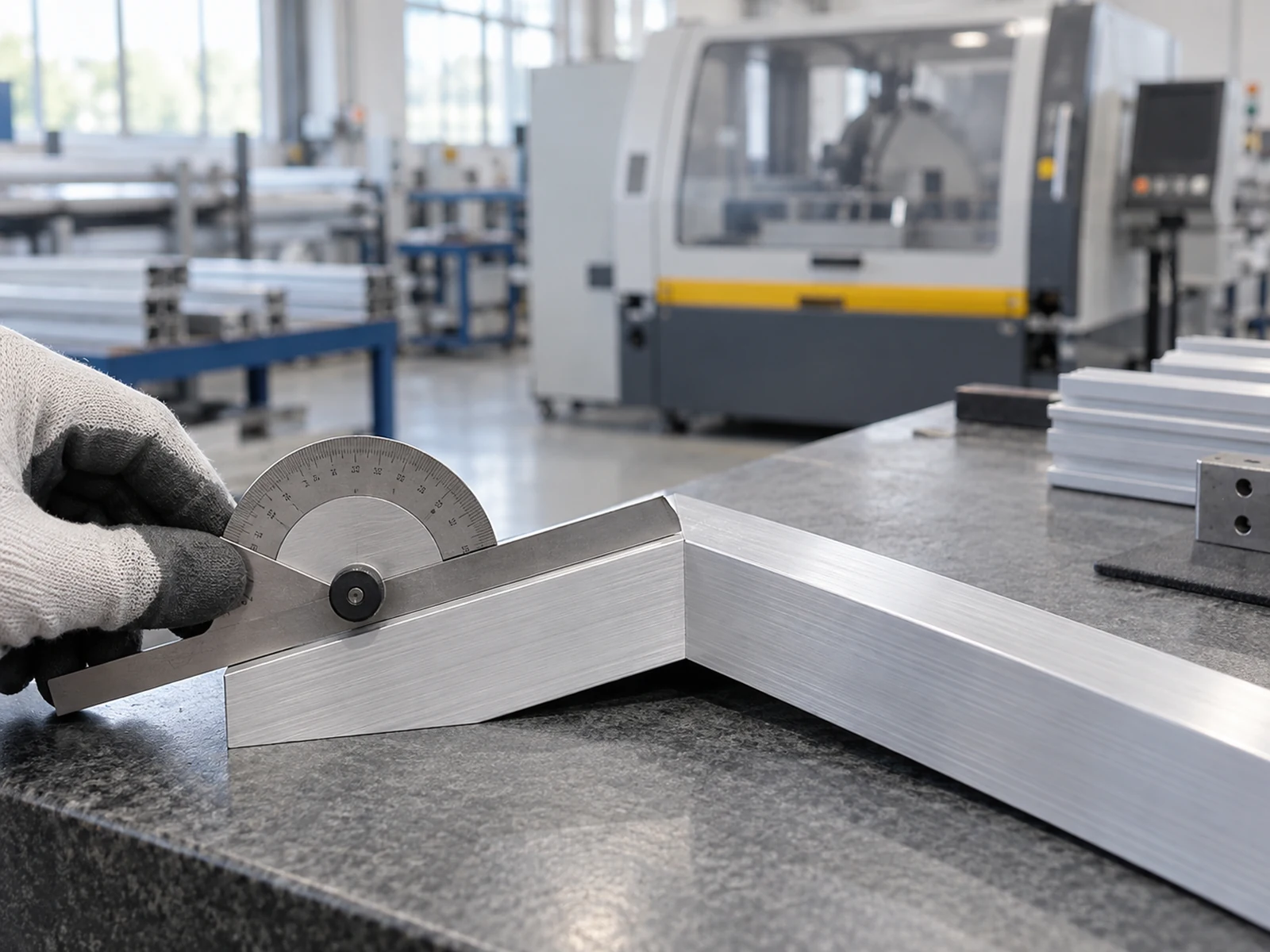
Build a comparable RFQ and trial
Send each bidder the same part-family matrix, approved characteristics, incoming condition, planned production mix, saw interface description, downstream receiving rule, available site utilities, data requirements, and responsibility boundary. Request three separate price and scope views when practical: retained offline route, defined mixed route, and complete automatic route. An automatic-cell quote should identify supplied hardware, fixtures, controls, software, installation, commissioning, training, spares, maintenance access, and support. Ask what is expressly excluded and what change would reopen the price.
Acceptance should follow the complete path, not a single camera screenshot. Use representative good, bad, and deliberately uncertain parts from each covered family. Observe job changes, startup and recovery, missing identity, held pieces, reject handling, the physical destination, and the record delivered to the customer. Check the required production mix with the actual agreed line conditions. Record what the trial did and did not prove. Our first-article inspection record guide can help distinguish an initial qualification record from ongoing production decisions.
Do not accept a demonstration on a clean, hand-placed part as proof of unattended line performance. Require a signed boundary between the saw vendor, inspection-cell supplier, controls integrator, and buyer. Who owns a failed handshake? Who can change limits? Who restores production after a sensor fault? Who preserves the reference pieces and records? A complete quotation names these owners and the evidence for the installed system’s accepted operation.
Video: general saw equipment example
The following video is from Jiurun Machinery’s YouTube channel and shows general aluminum saw equipment footage. It does not show an inspection cell or establish any material, model configuration, customer installation, trial result, or performance described in this article.
Decision: buy the route you can actually accept
Choose retained offline inspection when its controlled transfer, labour, and records fit the job. Choose a mixed route when a defined automatic check improves the process but other characteristics still need a separate approved decision. Buy a full aluminum saw inspection cell only when part presentation, judgement, physical disposition, data, integration, maintenance, and acceptance can be specified and tested as one scope. The strongest proposal is not the one with the largest list of sensors; it is the one whose quote leaves no cut part without an owner or a disposition.
For a project review, send JiurunCut your profile drawings, part-family list, release criteria, and expected saw output. State which inspection functions you plan to retain and which you want priced as an integrated route. We can discuss the cutting boundary; a specific automatic inspection solution or capability requires separate technical assessment and agreement.