
6262 aluminum deserves review when the part starts as machining stock. Identify the offered alloy, temper, product form and supplier specification. Then connect that material to the approved cut blank and later manufacturing work.
Do not choose stock from the alloy number alone. A useful quotation describes the actual supply and makes the remaining machining, finishing and acceptance work clear.
Review the machining-stock proposal
Why review 6262 aluminum for machining stock?
Hydro’s 6262 alloy data sheet, revised in 2019, describes an alloy developed for screw-machine and CNC machining applications. It identifies rod, bar and hex forms, including the supplier’s extruded T6 and T6511 conditions.
Its composition table includes lead and bismuth. Retain the actual supply’s composition evidence and the material requirements applicable to your part.
Use the dated publication to understand that supplier’s stated product context. Request the current offered stock specification before relying on historical availability or a general material description.
The downstream process team should review the proposed material against the actual component. Give it the released drawing and the required manufactured stage, including any joining or finishing operation.

Check 1: retain the complete material condition
Copy the full designation from the supplier’s offer. Keep the alloy, temper and any manufacturer-specific suffix with the product form.
Hydro’s dated sheet distinguishes its special H designations from registered standard tempers. It explains that those supplier-specific designations identify particular processing, material or end-use characteristics.
Ask the supplier to explain an unfamiliar suffix in the current offer. Retain that definition with the order rather than dropping it from a shortened comparison heading.
Read the purchase line as one description
A quote should identify the actual rod, bar or other form being supplied. Include its size and the governing specification alongside the material condition.
If an offer changes the form or condition, record the proposed change. Ask the responsible material reviewer to decide whether it meets the released requirement.
Use the material substitution guide for that approval process. A supplier proposal needs a decision with a stated scope before it becomes the released production instruction.
Keep manufacturer descriptions recognizable
Retain the supplier’s product name and its connection to the material specification when these appear in the offer. Ask whether the named product is the supply being quoted or an attached reference example.
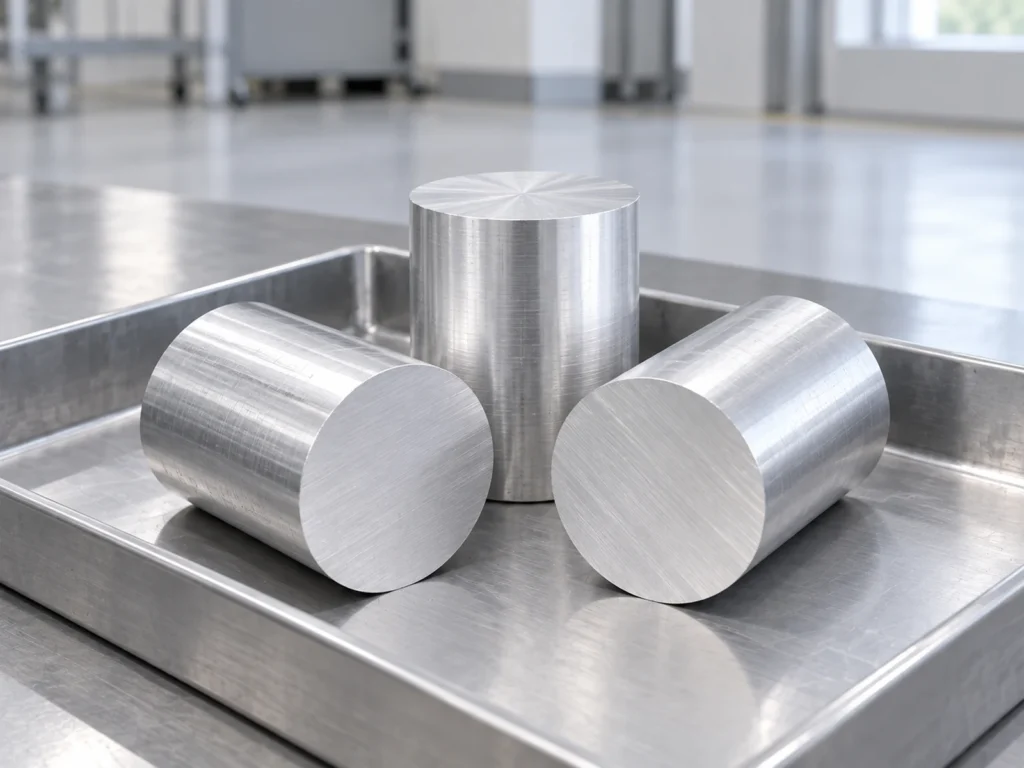
Keep the actual stock document and batch identity available for receiving. An attractive bar photograph cannot replace that connection.
Check 2: read each property under its own heading
Hydro’s sheet separates minimum mechanical-property entries from typical thermal and electrical entries. It also organizes conditions and product routes separately and includes notes governing the table.
Preserve those headings when reviewing an offer. A value loses part of its meaning when copied without its condition, unit or stated status.
An original fictional stock comparison
Imagine quotation M66 names 6262 stock but omits the temper. Its attachment contains several condition rows, and the buyer’s spreadsheet has one unlabeled strength column.
The first action is to clarify the offered condition and identify the applicable row. Copying whichever value is largest would leave the actual supply unresolved.
| Offer field | Clarification to request |
|---|---|
| 6262, condition omitted | Complete offered temper and any supplier-specific designation. |
| Strength value without a heading | Property name, unit and stated minimum or typical status. |
| Several table rows attached | Which row and notes apply to the offered product? |
This is an invented document example with no actual property value or accepted material. It shows why the full supply description belongs beside the data.
Keep the original data sheet and the supplier’s written clarification attached to the quotation revision. Have the responsible reviewer assess the supplied evidence against the released requirement.
Check 3: define the blank delivered by cutting
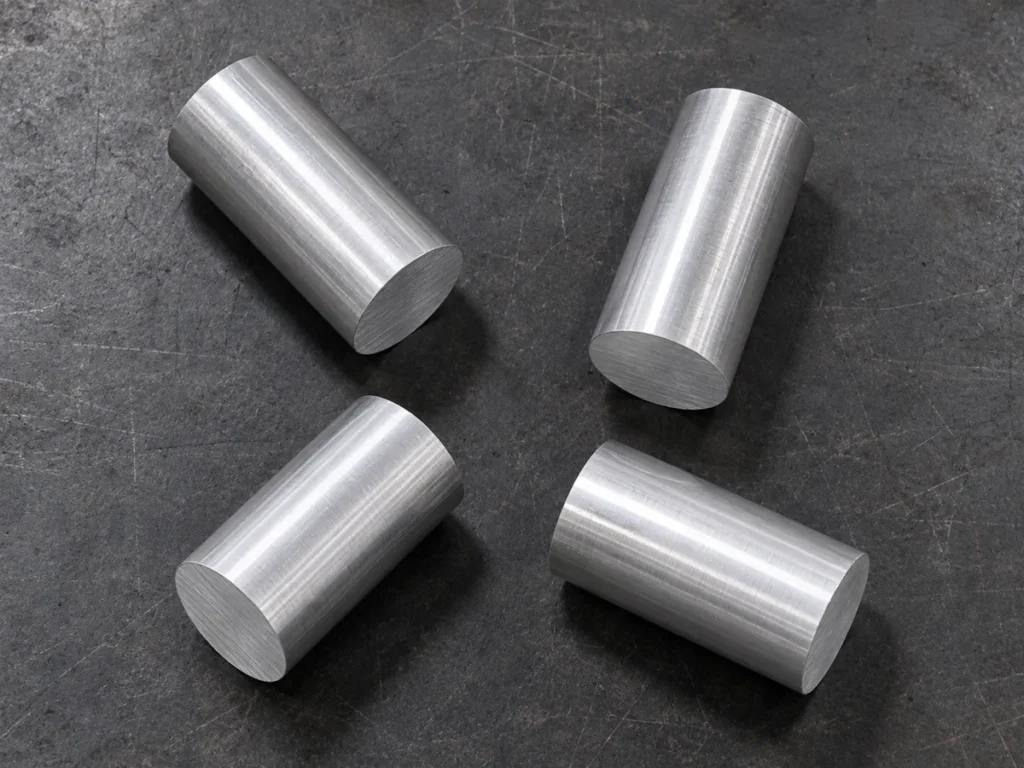
Give the cutting supplier the approved blank drawing. Identify the incoming section, cut length, end requirements and accepted quantity.
If turning, facing or another operation follows, retain its approved allowance on the blank drawing. Name the faces carrying that allowance and the reference used to check length.
Keep two drawing stages visible
The final component drawing explains what eventually needs to be made. The released blank drawing explains what the cutting operation must deliver.
Send both where they help the review, clearly marking their roles. An internal bore, thread or finish on the final drawing may belong to a later operation.
The round-bar cutting guide covers section and blank requirements. Use the actual approved stock condition when requesting the cutting review.
Show the actual job mix
List each incoming size and required blank family. Keep distinct lengths, quantities and material conditions on identifiable job lines.
Include the available stock lengths and how blanks will be collected. Ask the supplier to review the proposed support, feeding and handling arrangement for those pieces.
If the order contains short cylinders and longer blanks, identify both cases. A demonstration of one shape should remain attached to the job it actually represents.
Check 4: agree what the sample review must show
Prepare the review using the released material and blank requirements. Identify which pieces represent each job family and which checks belong to the cutting stage.
Retain the agreed length, end condition and surface checks where required by the drawing. Keep the evidence connected to the actual sample identities.
Connect the later machining review
If downstream machining is part of qualification, name that separate scope and its responsible reviewer. Keep its requirements and observed results identifiable.
Ask the process team to record what it evaluated on the supplied material. Avoid converting a general machinability description into an assumed production rate or tool-life promise.
A cutting report and a machining report can support the same project while covering different work. Keep each accepted conclusion tied to the evidence actually provided.
A clear request for the stock supplier
Please quote the complete 6262 stock condition and product form for the attached blank drawing. Identify the applicable specification, property-data basis and available material records. Retain any manufacturer-specific designation in the offer.
Add the actual incoming sizes, blank quantities and later operations. Ask the supplier to state any proposed difference from the released material requirement.
For the equipment discussion, send JiurunCut the approved stock identity and cut-blank requirements. Request a configuration and sample-review scope tied to the actual job.
Can the alloy number alone define the offered stock?
Request the complete condition, product form and governing supply description.
Can the stock photograph confirm 6262 aluminum?
Use the actual material documents and traceable stock identity.
Does the dated Hydro sheet establish current availability?
Ask the supplier to confirm the present offer and the documents governing it.