
An aluminum tube hydroforming RFQ should identify the final hollow part and the tube supplied to the forming operation separately. Obtain the forming supplier’s approved starting-blank requirement before releasing a cut length. Keep the final drawing, incoming material, blank instruction and acceptance plan connected.
This guide helps purchasing teams define those four records. It discusses the cutting handover for a forming project; it provides no forming-pressure setting, die design or assurance that an unreviewed tube can be formed.
On this page
What does aluminum tube hydroforming describe?
Schuler’s tube-hydroforming overview describes tube expansion from the inside using a liquid medium within a closed die. It identifies straight or pre-formed tubing as possible starting arrangements in its process description.
Schuler’s technology overview specifically discusses aluminum hydroforming and engineering review of part feasibility. These are manufacturer process examples, not evidence of JiurunCut forming equipment or an approved material for your part.
For the actual project, ask the forming supplier to review the proposed geometry and material. Keep the result tied to the drawing revision. A process name alone does not establish an accepted component or a suitable starting tube.
Use the profile-bending RFQ guide for a separate curve-forming inquiry. Here, the purchasing question is the tube and part documentation for a hydroforming route.
Record 1: the finished-part drawing
Provide the controlled geometry of the finished hollow component. Identify its ends, interfaces and any local features that matter to fit. Use drawing views or an agreed model that make the complete shape understandable.
Name the inspection references for the required features. An overall length is insufficient when a drawing also controls an opening, mounting location or local contour. Keep the specified tolerances with the features they govern.
State the delivery stage of holes, trims and other operations. A formed shell awaiting secondary work and a fully finished component should have different scope descriptions in the offer.
Include appearance requirements where relevant. Mark visible surfaces and the agreed acceptance criteria. Separate them from the dimensional requirements, so a pleasing sample photograph does not become the entire release decision.
Record 2: the incoming tube specification
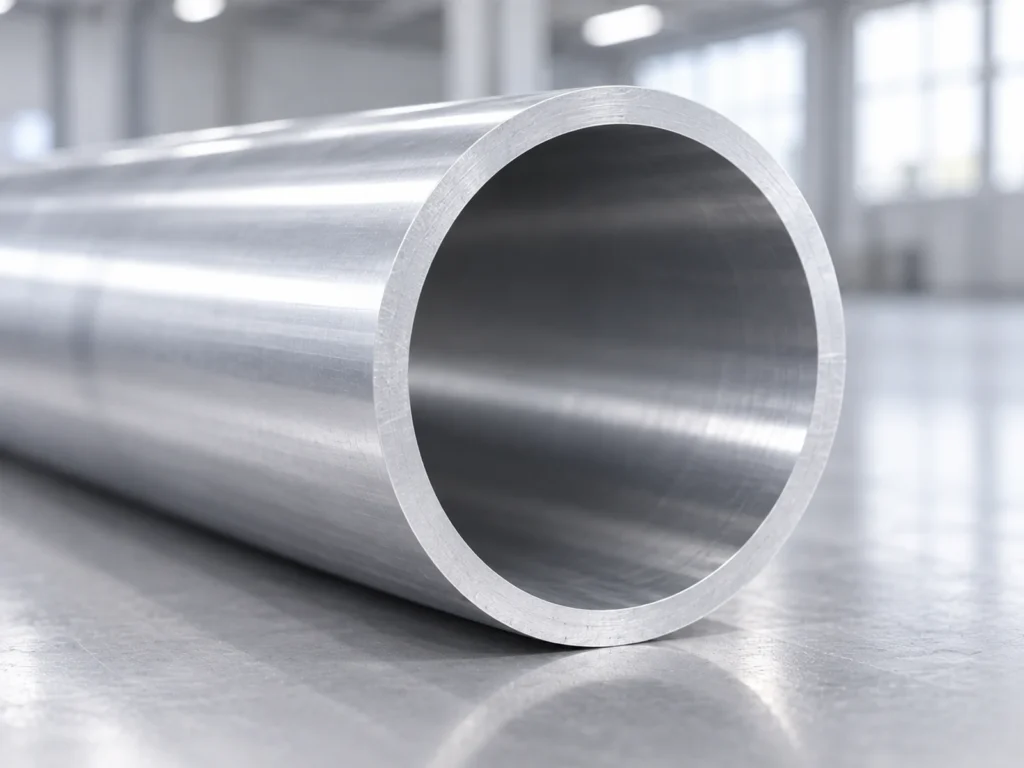
Keep the tube section drawing and material requirement in their own record. Include the specified alloy, supplied condition and applicable product specification. Retain any approved differences between incoming and final material requirements.
Describe the section with labeled outside and inside geometry and wall requirements. Do not replace the drawing with an outside size when the interior or local wall matters to the review.
The tube-dimensions guide explains OD, ID and wall labels. Its ideal geometry examples do not establish local wall values or forming suitability for a real tube.
Ask the forming supplier to identify the accepted starting product and any required supporting records. If a proposed substitution changes the material condition or tube specification, route it through the responsible review before release.
A supplier’s photograph can help identify a sample, but it cannot certify alloy or condition. Keep material documentation and sample identity linked to the applicable lot and drawing.
Record 3: the approved starting-blank instruction
Request the forming supplier’s released blank instruction. It should identify the stage supplied to the forming operation, the cutting requirement and any relevant end preparation or subsequent operation ownership.
The final component’s overall dimension is not automatically the starting cut length. Use the approved blank instruction rather than generating an allowance from a photograph or a general internet example.
Clarify whether the delivery is a straight blank or a prepared preform. If a separate preparation operation is included, name who supplies it and which drawing governs it. Keep cutting and later shaping responsibilities explicit.
State the quantities and identification needed at handover. Distinguish development samples from a released production lot. If the blank requirement is still under development, mark that status rather than treating a trial request as a permanent specification.
| Supply stage | Governing record |
|---|---|
| Incoming tube | Material and section specification |
| Cut or prepared blank | Approved blank instruction |
| Formed component | Finished drawing and agreed inspection plan |
| Secondary finishing | Defined operations and delivery requirements |
Keep revisions synchronized across those records. If the forming team changes the blank, identify which cutting request is affected and obtain the updated release. An earlier cut list should not remain active simply because its file name is familiar.

Record 4: the inspection and release plan
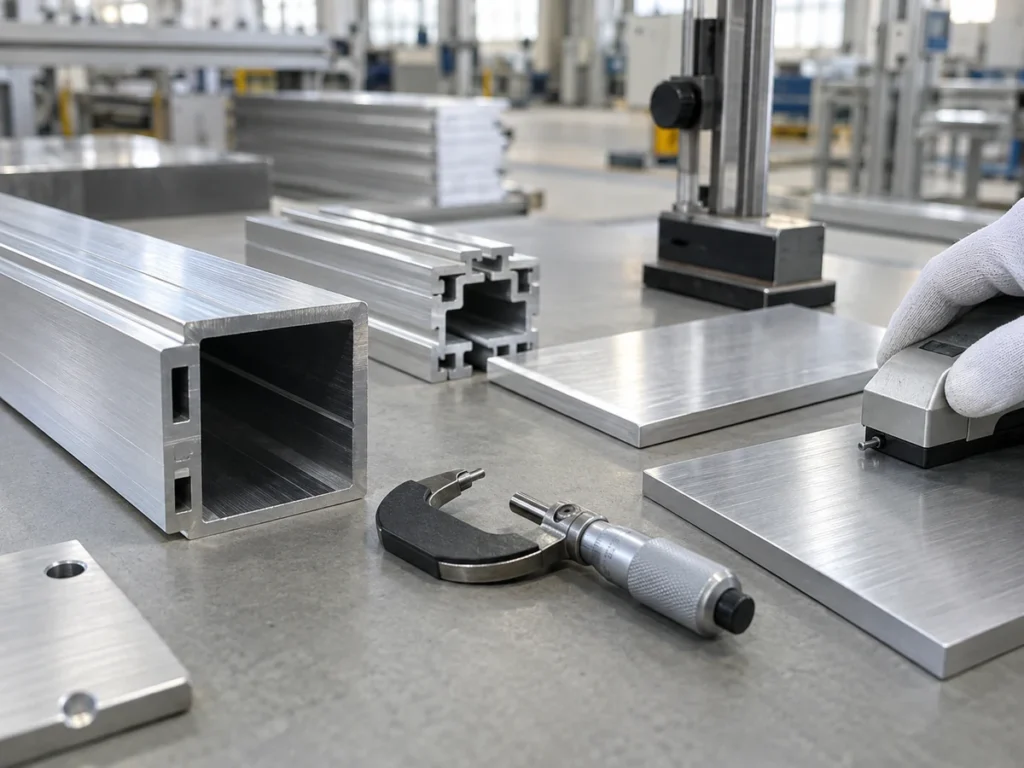
Agree which checks apply at each supplied stage. Incoming material review, blank inspection and finished-part acceptance answer different questions. Keep their criteria and records separately identifiable.
Ask who owns the final assessment and which drawing revision governs it. Identify the support or fixture references needed for the agreed inspection, where applicable, through the responsible technical team.
Retain actual measured results with the sample and stage examined. A blank length record does not verify the final contour. A finished outline photograph does not establish every internal or local requirement.
For development work, agree what must be resolved before production release. List the required records, pending decisions and approval owner. Do not label a first sample as production-ready solely because the general shape is recognizable.
The first-article inspection guide helps organize that review. Keep it connected to the actual part and process documentation.
A fictional handover changes the wrong document
Imagine part H31. The forming team revises its blank instruction from B to C during development. The finished-part drawing remains revision D. The cutting order still cites blank revision B.
First identify whether any material has already been cut to B. Keep that lot’s record unchanged and ask the responsible team for its disposition. Do not relabel it as C without an actual review.
Then update the released cutting request to the approved instruction and confirm the affected quantity. Preserve the final drawing reference separately. A change in the blank document does not automatically change the final part drawing.
This invented example contains no real dimensional values or production result. It shows why stage-specific revisions belong in the order.
Prepare a useful cutting-stage inquiry
Send the approved tube specification, blank instruction, quantity and relevant handling requirements. Name the forming supplier’s controlling reference and the stage expected at delivery.
Ask JiurunCut to review the defined tube-cutting requirement. Keep hydroforming feasibility, process selection and final formed-part approval with the responsible forming and engineering teams.
Buyer questions about aluminum tube hydroforming
Can a finished overall length become the cutting instruction?
Use the released starting-blank requirement approved for the actual forming route.
Does the process name approve any aluminum tube?
The responsible supplier needs to review the specific material, geometry and required final component.
Should a quotation say which stage it includes?
Yes. Identify incoming tube, prepared blank, formed part and any secondary work separately.