
1350 aluminum is associated with electrical conductor applications. A stock order should still identify the complete material condition, the supplied product and the evidence required for acceptance. An alloy number on a quotation is the starting point for that review.
For a cut conductor blank, put the material description next to the drawing and delivery scope. The drawing identifies the intended item; the material documents identify the stock being supplied. Keep both readable throughout purchasing and cutting.
The short purchasing checklist
- Read the complete alloy and temper together.
- Identify the actual stock form and cut-blank requirement.
- Agree which documents and tests apply to the delivered lot.

What the 1350 aluminum source establishes
Hydro’s 1350 alloy overview identifies electrical conductors as a primary application. It discusses 1xxx alloys as non-heat-treatable for strengthening and identifies cold work as the route for additional hardening.
In its temper explanation, F means as fabricated without special thermal control or mechanical-property limits. O means annealed to obtain the lowest-strength temper. The page gives 61.0% IACS or more in its discussion of 1350-H111. Keep that statement attached to its stated alloy and condition.
The source also says that alloys discussed may not be available at every Hydro location. It does not confirm stock availability, a particular shipment’s result or any JiurunCut machine specification. Ask the actual supplier to document the offered material.
Read one fictional conductor-blank order
Imagine project C28 calls for 48 conductor blanks from a controlled material requirement. Its order draft specifies “1350 aluminum,” the blank drawing revision and the quantity, but leaves the temper field empty. These are invented document entries, not an actual order or an engineering material recommendation.
Offer A repeats the alloy but omits the condition. Offer B proposes a different alloy and labels it an alternative. Neither line closes the material review merely because the suppliers can provide the requested shape.
| Fictional entry | Purchasing action |
|---|---|
| Order: 1350, condition omitted | Ask the requirement owner to complete the intended condition. |
| A: 1350, condition omitted | Obtain a full designation and supporting delivery documents. |
| B: another alloy proposed | Record an alternative for the responsible design review. |
| Both: matching blank dimensions | Review geometry separately from the material identity. |
Keep the alternatives labeled until the material decision is recorded. If the order is revised, update the relevant drawing, purchase description and stock identification together. Do not allow an informal quotation note to become a silent material substitution.
Three checks before releasing the stock purchase
1. Complete the condition field
Copy the required alloy and temper from the approved project requirement. Where that requirement is incomplete, resolve it with its owner before asking the stock supplier to fill the gap.
Keep the supplier’s offered designation in a separate field. A comparison then shows the request and the response without disguising differences. If the supplier uses an abbreviated label, request the full version rather than reconstructing it from a previous shipment.
Do not treat a catalog conductivity statement as a replacement for the condition field. Record the source and context of any proposed property data, then ask what evidence will accompany the actual delivery.
For the broader meaning of reported conductivity, see aluminum electrical conductivity. This article focuses on the identity and evidence in a 1350 stock purchase.
2. Identify the product form and supplied blank
Write the actual supplied form beside the material designation. Identify whether the quote covers stock lengths, cut blanks or another specified delivery. Keep the applicable product specification with that description.
For a cutting review, supply the section drawing and incoming stock dimensions. Identify the finished blank dimensions, their reference faces and any later operations. A bare alloy label does not define the blank that the receiving team needs.
In the fictional C28 file, keep the stock line and blank line separate until the supplier confirms their scope. An order for 48 pieces should make clear whether those pieces are incoming stock or the required cut blanks.
If the supplier offers a different form, ask the responsible team to review the changed drawing and delivery plan. Preserve the original request beside the proposal. The comparison should show what changes, who approves it and which document is updated.
3. Match the evidence to the delivered lot
Agree the required documents before shipment. Identify the purchase reference, stock identity and material requirement that the supplier’s record must support. Ask which relevant results will be reported and how their sample or lot identity is stated.
If electrical-property evidence is required, retain the specified method, reporting units and conditions with the requirement. Ask the supplier to confirm that its proposed evidence addresses that exact scope. This guide does not assign a universal acceptance value or a test procedure to every conductor blank.
At receipt, compare the identifiers on the delivered stock with the accompanying documents. Record a mismatch as an unresolved receipt issue instead of copying the expected designation onto the stock without evidence.
The material certificate guide addresses this document-to-stock link in more detail. Keep a dimensional receipt check and material-document review identifiable as separate records.
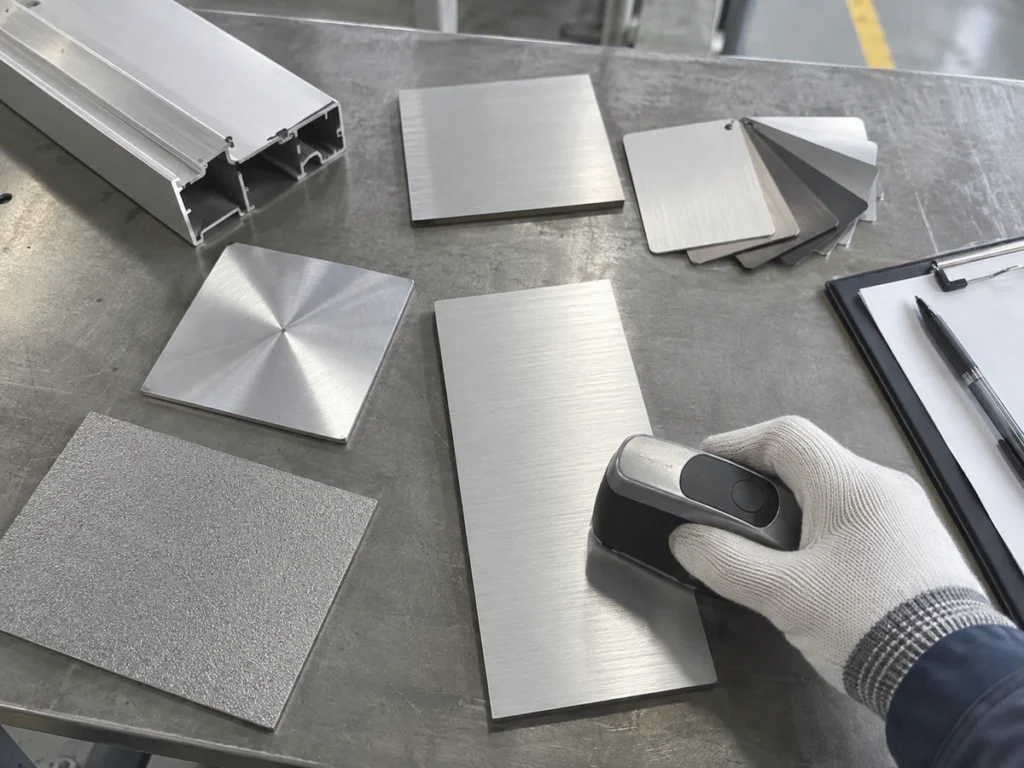
Keep the agreed identity through cutting
Once the material requirement is agreed, carry its full designation into the job record. Keep the selected stock identity, drawing revision, cut list and delivered quantity connected. A later reader should be able to tell which stock was assigned to which blank order.
Discuss the proposed cutting task using representative material and the required finished dimensions. Agree the review scope with the machine supplier. The alloy name does not establish a feed setting, accepted tolerance or batch output for an unspecified machine.
For conductor components assembled later, keep that assembly requirement in the project file. The busbar joint guide covers a separate interface discussion. A cutting review does not approve a complete electrical connection.
Send a clear inquiry
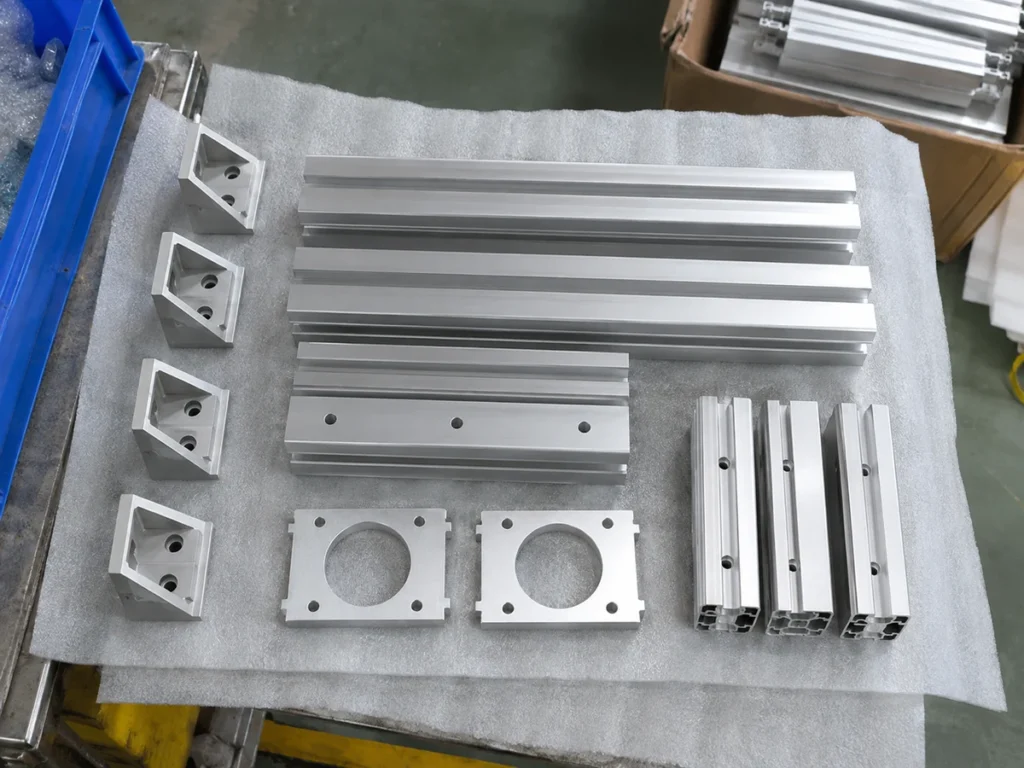
Send JiurunCut the controlled blank drawing, complete material condition, incoming stock form and representative quantity pattern. State which requirements are already approved and which remain open with the material supplier or design team.
Discuss your aluminum blank-cutting requirement. Include any material-document questions that affect the proposed review so the technical discussion starts from the intended stock.