
Sensor operating distance must be read with its definition and target conditions. A rated distance and an assured operating range are different entries. Neither should be copied into an aluminum detection requirement without checking the identified sensor and application.
For an aluminum-cutting machine inquiry, ask which physical target the proposed device detects. Then keep the distance definition, target description and installation basis together.
On this page
1. Read the sensor operating distance heading
Pepperl+Fuchs’s operating-distance explanation distinguishes several distance quantities for inductive sensors. Its rated distance, sn, does not account for manufacturing tolerances or external effects such as voltage and temperature.
The page describes effective and usable distances under their respective conditions. It describes the assured distance, sa, as a range within which actuation is assured under the stated conditions. Preserve the actual product’s values and definitions.
Copy the complete label and unit into a quotation comparison. Keep a range as a range; do not replace it with one headline number that removes its meaning.
If a supplier writes only “range,” ask which field it refers to. Keep the full sensor reference and applicable datasheet with the response.
Our inductive versus capacitive sensor guide addresses the broader sensing-principle decision. This article concerns the distance entry after the proposed sensing task and device have been identified.
An ordinary product explanation does not establish the appropriate replacement for an installed JiurunCut device. Use the machine’s approved component and application records for an actual spare.

2. Keep the real aluminum target beside the specification
Pepperl+Fuchs explains its standard-target basis using a specified steel target. It also describes how target dimensions and material affect the operating distance.
The same page states that material reduction factors vary by sensor type. A typical factor shown for aluminum is not a universal value for every device or every aluminum target.
For the application brief, identify whether the device must detect the aluminum workpiece or a separate machine component. Those descriptions can lead to different target reviews even when both locations are near the aluminum feed.
Attach the relevant target drawing and material description. Identify the portion that presents to the sensing face, rather than giving only the overall stock length.
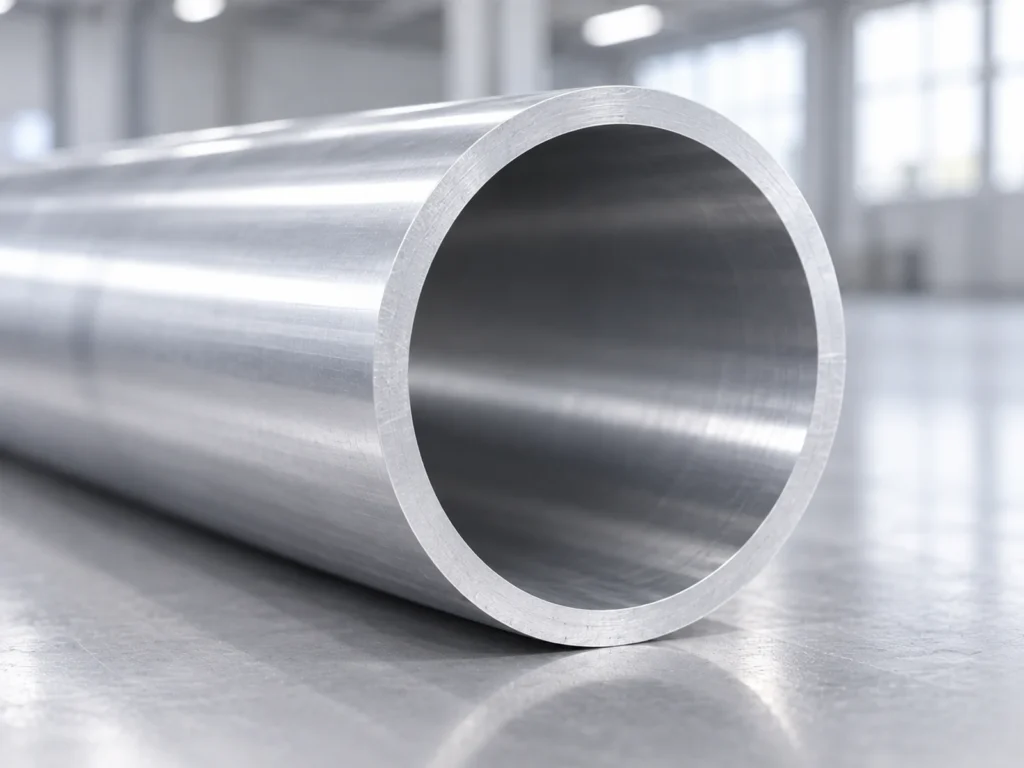
Include the stock shapes that the defined function needs to cover. A solid bar, an open hollow section and a different presented feature should remain identifiable in the review. Ask the responsible supplier which exact configurations its explanation covers.
Do not transfer a steel-target value directly to an unidentified aluminum part. Do not apply a generic reduction-factor table as an installation instruction. Request the selected device’s documented application review.
If a supplier proposes an alternative reference, retain its own target-dependent data. A similar housing or nominal range does not complete that comparison.
3. Preserve the approach and installed conditions
The Pepperl+Fuchs explanation distinguishes axial and radial target approach. It notes that a lateral approach has a different response relationship. Keep the relevant approach identified instead of treating every distance statement as the same geometry.
Provide the application reviewer with the target path and a location drawing. Identify the named sensor reference and target feature so the distance description can be read in context.
Keep the manufacturer’s mounting classification and instructions attached to that exact product. Let the responsible machine or controls specialist establish the approved arrangement.
Retain the operating conditions that the specification requires. If the application information is incomplete, ask which missing condition must be resolved before the selected device can be accepted.
Separate the expected target event from the controller’s received state. The detection record should identify what physical event the device is intended to report, while the electrical interface has its own compatibility review.
The PNP versus NPN guide addresses that separate output-type field. An operating-distance value does not identify the receiving interface.
This purchasing guide provides no live testing, sensor repositioning, wiring change or machine recovery procedure.

An invented comparison: two different distance fields
Imagine two fictional quotations. Offer A states a rated distance of 8 mm but omits its assured-distance information and target basis. Offer B states an assured range of 0 to 6 mm, but omits which target and application conditions that entry covers.
The values are invented for this reading exercise. They are not actual product ratings, approved installation gaps or recommended distances.
| Offer entry | Question to resolve |
|---|---|
| A: rated 8 mm | What assured-distance information and target basis apply to the identified device? |
| B: assured 0–6 mm | Which target and conditions does this stated range cover? |
The larger headline number in A does not prove that it detects the intended aluminum target farther away. B’s explicit range does not remove its missing application information.
Request the relevant fields for each complete device and the same target brief. Keep unresolved differences visible. The example cannot select either offer or establish which will perform better.
Keep the review result usable for purchasing
Retain the manufacturer, complete device code, applicable datasheet and reviewed target description. Link the distance fields to their definitions rather than copying them into an unlabelled “maximum gap” column.
Record the proposed installed scope and who reviewed it. If the review covers only a particular stock family or presented feature, preserve that limitation in the handover.
Keep a component datasheet separate from actual machine verification evidence. A brochure can describe the device; the agreed record for the delivered arrangement answers another question.
For later replacements, preserve the original reference and identify any proposed alternative as a change requiring review. Update the spare-parts record after the approved decision.
Buyer questions about sensor operating distance
Is rated distance the guaranteed gap for every aluminum target?
Read the actual target basis and assured-distance definition. The rated number alone does not establish that claim.
Can I use one aluminum reduction factor for all sensors?
Use the selected product’s documentation. The cited manufacturer explains that factors vary by device type.
Does the same housing prove interchangeability?
Compare the complete reference, target-dependent behavior, installed requirements and electrical interface.
State the aluminum detection task in your machine inquiry
Send JiurunCut your section drawing and intended cutting workflow. Identify any material-presence or integration requirement, and ask for clearly defined sensor operating distance information for the proposed arrangement.