
A dowel pin vs spring pin comparison needs the actual pin type, the mating components and the required assembly function. Similar nominal diameters do not establish an approved substitution in aluminum parts.
This guide focuses on solid dowels and coiled spring pins used for locating or alignment. Spring pins also include other designs; do not transfer a coiled-pin recommendation to a different pin without review.
Dowel pin vs spring pin: identify the proposed design
SPIROL’s solid-pin overview describes solid pins as relatively inflexible cylindrical parts. It distinguishes press-fit dowels from pins with separate retention features such as knurls or barbs.
SPIROL’s coiled-pin alignment white paper describes coiled pins as springs that conform to their holes. It relates alignment to the host and mating hole dimensions, pin engagement and selected duty.
Start the quotation review by recording the proposed pin identity. Ask whether the offer uses a solid dowel, a coiled spring pin or another design. Keep the applicable component drawing beside that identity.
A generic line reading “alignment pin included” may leave the design unresolved. Have the supplier identify what is included before the buyer compares the assembly with another offer. The aluminum part drawing and pin proposal need to describe the same interface.

Check 1: what must the pin do in this assembly?
For dowel pin vs spring pin selection, state the actual task: locating two parts, maintaining an identified alignment, acting as a pivot or another specified function. Do not carry an approval for one task into a different application.
Name the components on the assembly drawing. Identify which component retains the pin and which component mates with it. State the relevant assembly and service requirements for the responsible designer’s review.
In an original fictional example, cover C fits to aluminum housing H. The buyer’s drawing identifies two locating positions, P1 and P2. Supplier A offers an identified solid dowel. Supplier B proposes a coiled spring pin but leaves the housing drawing unchanged.
The buyer should ask who has reviewed proposal B against the actual interface. The example contains no recommended pin size, hole tolerance or insertion force. It shows an approval question rather than a physical installation method.
Save the designer’s response with the proposal reference. If proposal B needs a revised housing or cover drawing, keep both revisions visible. Do not let a changed pin inherit the old approval merely because its catalog diameter appears similar.
Check 2: read both mating components together
A dowel pin vs spring pin review should identify the retained portion and the mating portion on the assembly. Ask the responsible designer to review the hole sizes, engagement and required alignment for the selected pin.
SPIROL’s alignment paper discusses both interference and clearance arrangements for coiled pins. It explains that the exposed end’s spring recovery matters where a clearance arrangement is intended. That context does not supply a universal hole size for every aluminum assembly.
Keep the applicable dimensions on the approved drawings. The buyer should not replace them with an informal instruction such as “drill to the pin diameter.” Ask the supplier to raise any missing interface requirement before machining.
Our clearance and interference fit guide explains comparison of mating size ranges. Pin selection adds the selected design and assembly function to that review; the fit arithmetic alone does not approve a fastener.
| Fictional proposal field | Question for the approving designer |
|---|---|
| Pin identity | Which exact design is offered for P1 and P2? |
| Housing H and cover C | Which revisions define both sides of the interface? |
| Proposed substitution | What documented review approves the changed combination? |
The table is an original document-review aid. It is not a pin design specification or an accepted assembly record. All fictional labels belong to this example.

Keep location separate from diameter
When the drawing identifies P1 and P2, preserve their location requirements as well as their sizes. A report covering only hole diameter leaves other specified characteristics unanswered.
The aluminum hole-position guide discusses drawing references and location evaluation. Keep that requirement in the inspection package for the actual mating components.
For the fictional example, ask which evidence covers housing H, which covers cover C and which covers their required assembly relationship. A photograph of the parts together does not show that every specified characteristic has been evaluated.
Check 3: review the aluminum host and offered duty
SPIROL’s coiled-pin paper discusses different duties for the relationship between strength, flexibility, diameter and host material. It identifies light-duty options for soft materials including aluminum, thin sections and holes near edges, while recommending application-specific engineering consultation.
Use that information to request a review of the actual aluminum component. It does not mean every aluminum housing must use the same pin or duty. State the material, geometry and intended function rather than selecting from the material name alone.
For dowel pin vs spring pin substitution, retain the review of the offered pin and host together. If the supplier changes the housing material or feature geometry, raise that change with the designated approving owner.
Ask for the approved assembly procedure where assembly is included in the order. The purchase package should identify who performs it and what verification the order requires. This guide gives no press settings, engagement percentage or installation instruction.
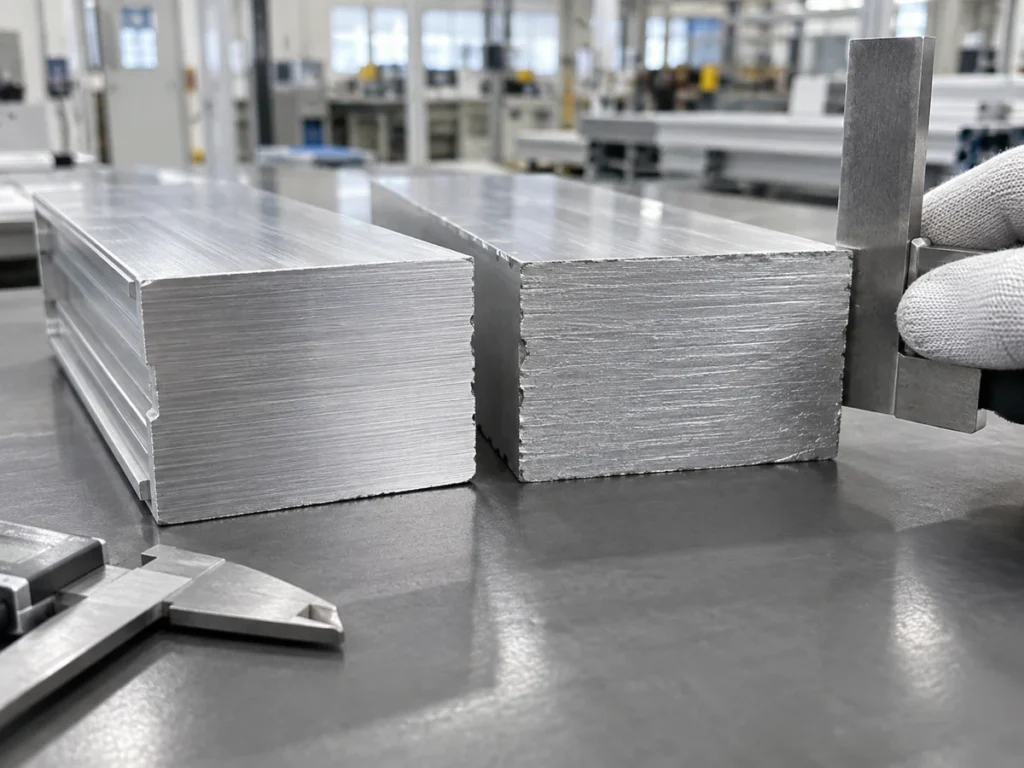
Keep the delivered stage clear
A cut blank, a machined housing and an assembled housing are different deliverables. Place each requirement at the stage defined by the approved order. A blank-cutting quotation should not silently become a promise about finished pin alignment.
For two suppliers, retain one complete interface package with the buyer. Give each supplier the relevant component drawing and agreed revision. Record the owner who resolves substitutions before the parts reach assembly.
Dowel pin vs spring pin questions
Does the same nominal diameter prove interchangeability?
No. Review the selected designs, both mating components and required assembly function.
Does this coiled-pin discussion cover every spring pin?
No. Identify the actual design and use its applicable component and application guidance.
Does a diameter report establish alignment?
Read the complete drawing requirement and required assembly evidence. Diameter is one characteristic.
Define the aluminum blank before later assembly
Send JiurunCut the aluminum stock drawing, blank lengths and quantities. Identify the approved finished-part revision and downstream requirements so the cutting handoff can be discussed clearly.