
ISO 10042 vs ISO 5817 starts with the material and welding process, before the quality-level letter. For an aluminum fabrication inquiry, check whether the named standard actually covers the joint. A familiar B, C or D label cannot resolve a mismatch in scope.
This guide helps purchasing teams organize that review with the responsible engineering and welding teams. It uses the publishers’ public scope descriptions and an invented quotation example. It does not reproduce acceptance tables or select a requirement for a real structure.
On this page
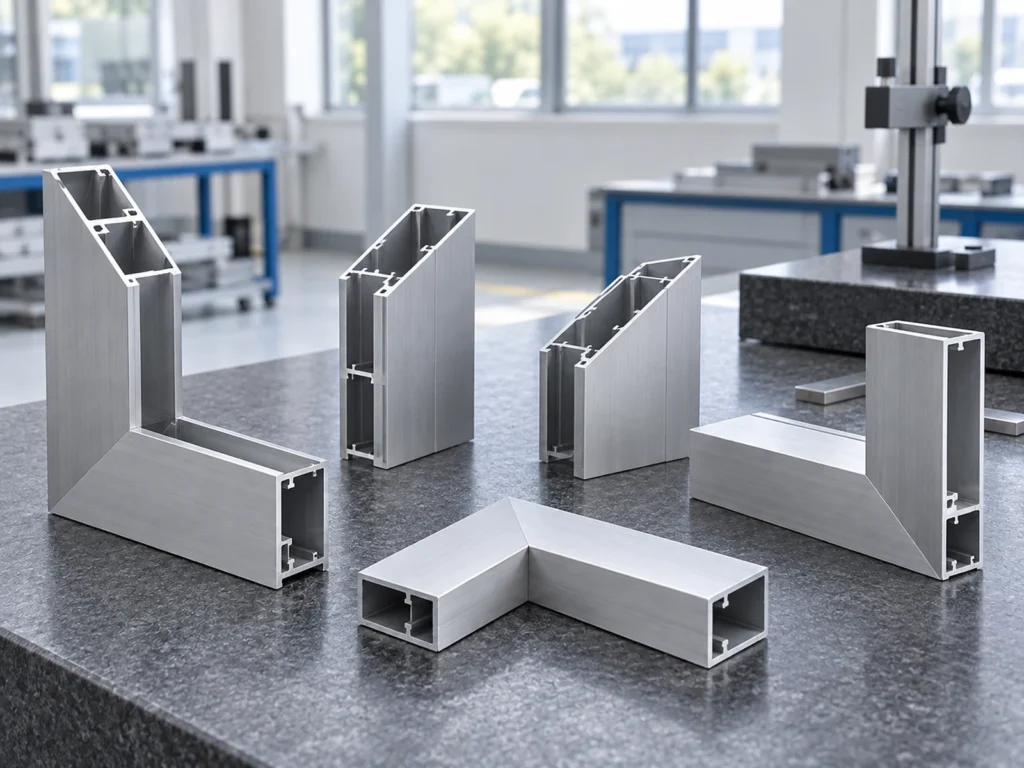
ISO 10042 vs ISO 5817: compare the scopes first
ISO 10042:2018 addresses imperfections in arc-welded aluminum and aluminum-alloy joints. Its public scope lists MIG, TIG and plasma arc welding. ISO identifies this edition as current following confirmation in 2023.
ISO 5817:2023 addresses fusion-welded steel, nickel, titanium and their alloys, excluding beam welding. Aluminum is outside that listed material scope.
That comparison gives the buyer a practical first question: does the drawing name a reference suited to this material and route? Resolve the answer before comparing quotations that assume different acceptance requirements.
For example, an aluminum component described only as “welded” still leaves its process unresolved. Ask the fabrication team to identify the intended route and applicable requirements. Do not choose an arc-welding reference solely because the component is aluminum.
Keep the governing contract and product requirements in the review. If an existing drawing names another reference, flag the issue to its owner. A web guide does not authorize a purchaser to replace an approved specification.
Read the quality level in context
Both public descriptions identify B, C and D, with B carrying the highest finished-weld requirement within the respective document. ISO 10042 expressly separates production quality from fitness for purpose. Both scopes exclude metallurgical aspects such as hardness and grain size.
Write the standard number, edition and selected level together. A spreadsheet cell containing only “C” loses the reference needed to interpret it. The same letter in two documents does not make their material scopes interchangeable.
Have the responsible team establish the project requirement. Procurement should preserve that decision in the quotation package and identify any proposed departure. Asking for the most demanding letter by default can leave the actual design and inspection questions unanswered.
A quality-level entry also does not describe every feature of an assembly. Weld dimensions, member positions and the finished frame envelope may have separately stated requirements. Keep those fields visible so the supplier can price the complete scope.
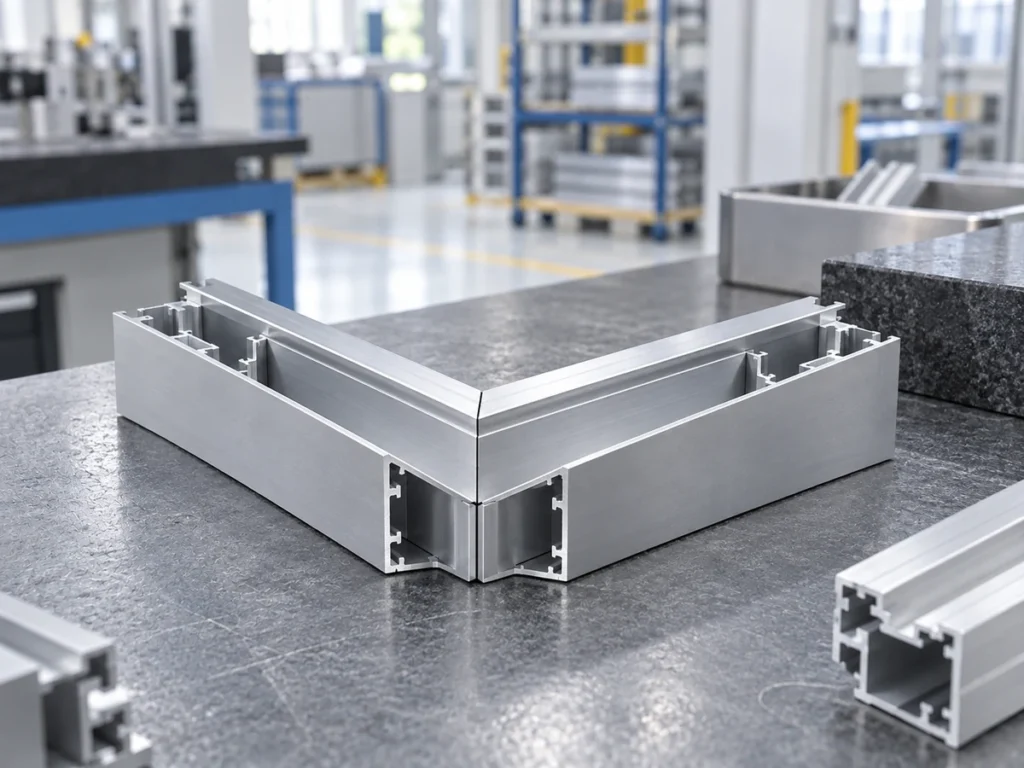
A fictional mixed-material inquiry
Imagine an invented purchasing folder containing a steel bracket drawing and an aluminum frame drawing. A cover sheet copied from an earlier order says “ISO 5817, level C” for the entire folder. The aluminum drawing identifies a TIG-welded joint but contains no separate acceptance note.
The problem is the scope of the copied instruction. It is not evidence that either part has a defective weld. The buyer should flag the mismatch and obtain a controlled clarification from the drawing owner before asking suppliers to assume what was intended.
Keep the clarification specific: which component does the cover-sheet requirement govern, and what approved requirement governs the aluminum joint? If the owner changes a document, send that revision to every supplier participating in the quotation.
Please confirm the welding acceptance reference, edition and quality level for the aluminum frame drawing. The common cover sheet currently names ISO 5817. Identify the approved requirement for this joint and any resulting revision to the inquiry package.
The completed response should identify the affected drawing and joint. A general email saying “use the aluminum standard” still leaves the edition, selected requirement and approval record unclear. Retain the resolved instruction with the order.
Write a complete requirement record
A short record can keep the decision easy to follow without copying an entire standard into the purchase order. Use the project’s approved documents and record the relevant references.
| Record field | What the supplier needs |
|---|---|
| Part and joint | Drawing revision and identified weld location. |
| Material and process | The specified materials and approved fabrication route. |
| Acceptance reference | Applicable document, edition and selected requirement. |
| Evidence and authority | Required examination scope, report and release decision. |
Keep unresolved entries visible during quotation review. If one offer excludes inspection and another includes it, list that difference explicitly. A lower price does not resolve an omitted acceptance obligation.
Keep acceptance evidence clear
Ask the designated team to define the required examination methods, coverage and reporting. Naming a quality level in an order is not a completed inspection record. The delivered evidence should identify what was examined and the requirement used to evaluate it.
Keep reported observations separate from release status. Our aluminum weld porosity guide explains how incomplete method or coverage information can limit a report’s meaning.
For geometric callouts, use the separate weld size vs weld length review. A standard reference should remain alongside the drawing detail rather than replace the specified joint geometry.
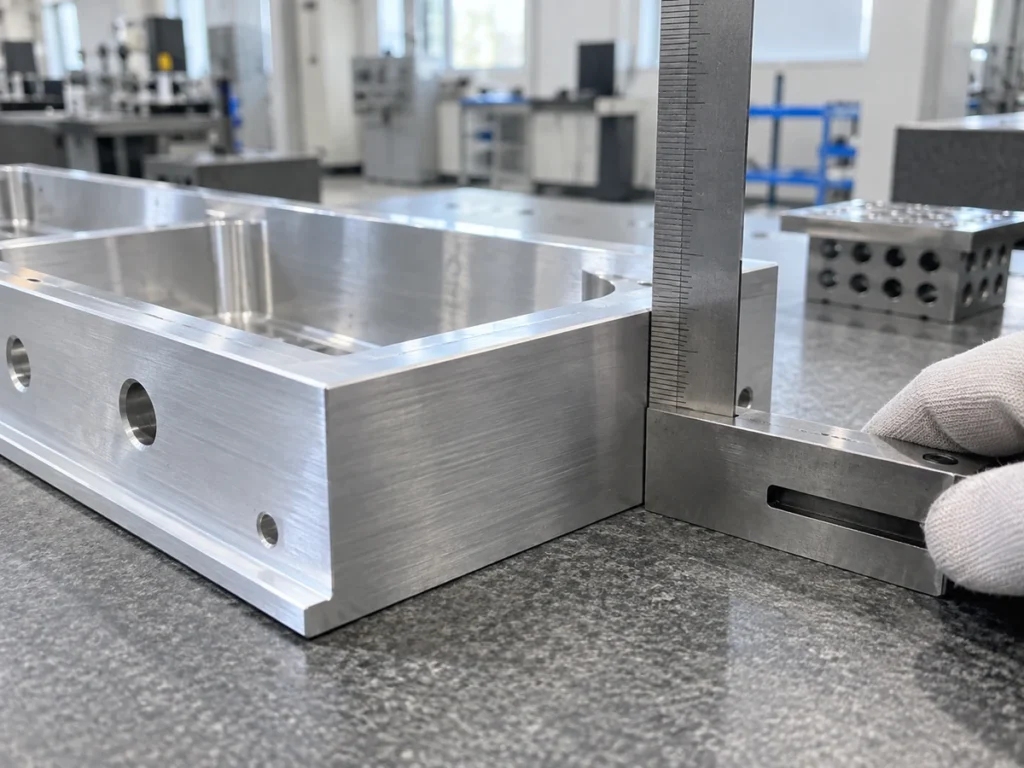
Connect the requirement to cut parts
If an inquiry concerns loose cut members, state that delivery stage clearly. Preserve the member identities, required lengths and relevant joint-preparation notes so the downstream fabricator can match the components to the assembly drawing.
For a cutting-machine review, send JiurunCut the actual section drawing, cut list and quantities. Explain which cutting-stage checks matter to the next operation. Keep finished-weld acceptance with the responsible fabrication and inspection teams.
Buyer questions
Can I approve an aluminum weld using a familiar level letter alone?
Keep the letter attached to the applicable standard, edition and joint requirement. Obtain the responsible team’s approval of that reference before interpreting a report.
Should purchasing immediately rewrite an existing drawing?
Flag an apparent scope mismatch and request a controlled decision from the drawing owner. Preserve the existing record until an approved clarification or revision establishes what to issue.
Does this comparison provide numerical acceptance limits?
No. Use the applicable controlled standard and project documents for the actual evaluation. The ISO 10042 vs ISO 5817 comparison is an initial scope review for a clearer inquiry.
Send a clear cutting inquiry
Contact JiurunCut with section drawings, stock lengths, component quantities and the defined downstream handoff. State which operations and evidence belong in the cutting offer.