
Aluminum vacuum impregnation is a porosity-sealing process that may appear in a quotation for a cast housing or fluid-handling component. Before accepting it, identify the problem being addressed and the evidence required for the delivered part.
The useful buyer question is simple: what will this treatment resolve on this particular component? Keep that question separate from dimensional acceptance, structural approval and the appearance of the finished surface.
What aluminum vacuum impregnation actually changes
Ultraseal’s process explanation describes removing air under vacuum, introducing liquid sealant into porosity, removing excess material and curing the sealant. Its sequence includes preparing clean, dry parts, draining, washing and a hot cure. This describes the principle, not a processing recipe for your part.
Ask the specialist to identify the proposed process, sealant and applicable requirements in the quotation. Keep the part number, material, drawing revision and delivery stage beside that description. A generic process name should not become an unrestricted approval of the component.
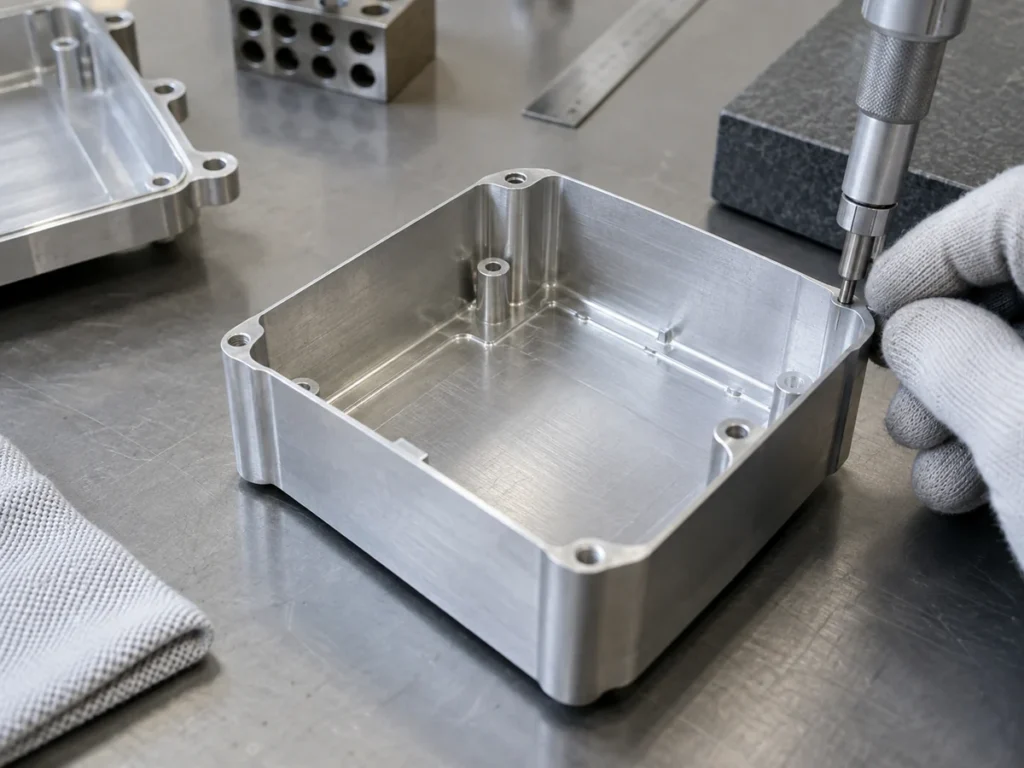
Check 1: identify the actual defect
Godfrey & Wing’s technical FAQ distinguishes through porosity that creates a leak path from fully enclosed porosity that impregnation cannot reach. It also states that impregnation does not repair cracks or increase casting strength, and is not a surface-flaw treatment.
That distinction matters when a supplier proposes the process as a response to a rejected part. Ask for the identified nonconformity and the responsible technical decision before reviewing the treatment price. A phrase such as “casting defect” is too broad to explain the proposed disposition.
| Question | Evidence to request |
|---|---|
| What failed? | The identified feature and original acceptance requirement. |
| What is proposed? | The treatment scope and its technical approval. |
| What releases it? | The inspection plan for the agreed delivery condition. |
Retain the original observation with the disposition record. If the condition has not been identified, route it to the responsible reviewer rather than choosing a treatment from a photograph. A surface image may help locate a concern; it does not establish the nature of an internal pathway.
For an order that prohibits repair or requires prior approval, make that condition visible before any treatment starts. Ask how the supplier identifies affected pieces and records the permitted action. Purchasing a service does not replace the customer’s required authorization.
Check 2: agree where it sits in the route
Godfrey & Wing recommends impregnation after machining, because material removal can expose additional porosity, and before surface finishing. Have the manufacturing team review the actual operation sequence and any project-specific exceptions.
Prepare a simple route with the relevant parties: incoming component, machining stage, proposed treatment, finish and final inspection. Name the supplier responsible for each contracted step. Include any operation planned after the treatment so its effect can be reviewed.
Pay particular attention to a change in the delivery stage. A quotation for treated castings and a quotation for fully machined, treated and inspected parts cover different packages. Mark the included work clearly instead of comparing the process price alone.
When a drawing changes, return the affected route to the process owner. Record which revision the approval covers and which pieces remain subject to review. A decision for an earlier cavity or wall arrangement should not silently carry forward to a different component.
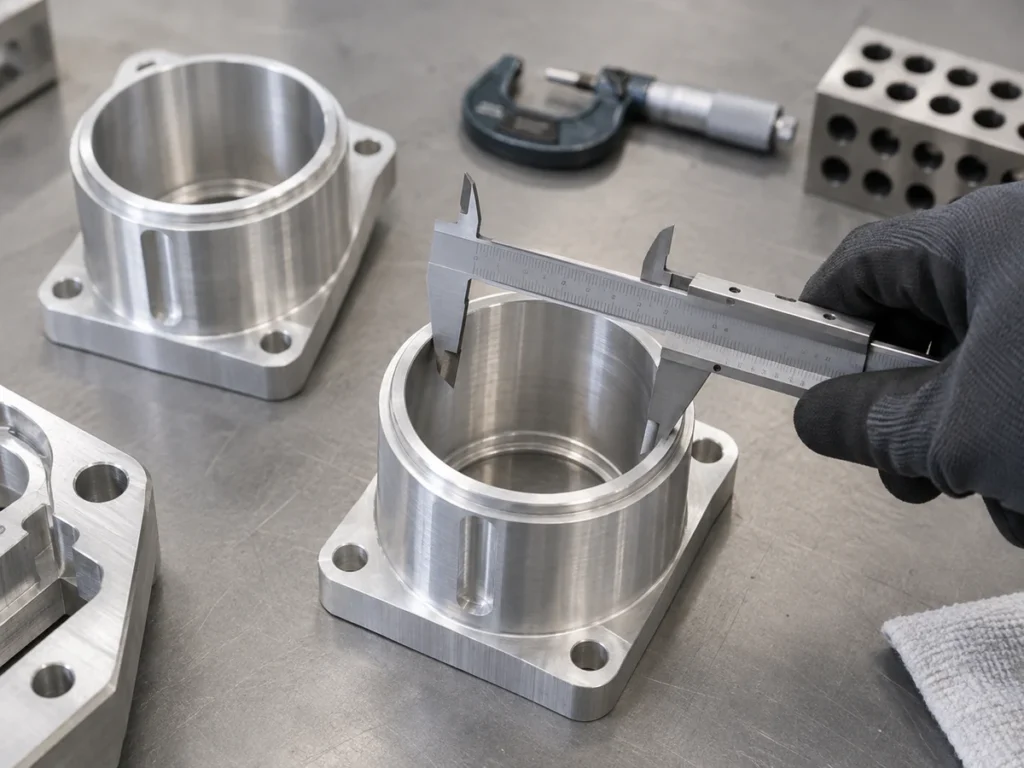
Check 3: define the delivered condition
Ask the specialist to confirm suitability for the actual material, component configuration and service conditions. Give the requirement owner the proposed sealant information and process documentation. Let that review establish compatibility rather than adopting a general supplier claim.
Identify the surfaces, cavities, ports and threaded features that matter at handoff. State any cleanliness, finish, marking or assembly requirements in the released documents. Request the agreed evidence for those features where the contract requires it.
Also explain how the component will be used next. The receiving team may need an identified machined part, a protected surface or a controlled assembly condition. Put that expectation into the order so the treatment provider can identify any unresolved delivery requirements.
Compare the returned component with its contracted scope. A treatment record and a dimensional report answer different questions. If both are required, the delivery package should make it easy to identify which document supports each decision.
A useful quotation comparison
Consider two fictional offers for the same drawing. Offer A covers treatment of supplied pieces only. Offer B includes receiving inspection, treatment, agreed testing and packing. Their headline prices cover different work; list the missing services before choosing between them.
Ask both suppliers to identify exclusions, responsibilities and the proposed handling of parts that do not meet the agreed release requirements. This is a scope comparison, not a claim about the cost or capability of any real supplier.
Check 4: connect treatment to acceptance
Agree the evidence needed after the contracted work. Record the component identity, revision, treatment reference and applicable inspection requirements. If leakage is controlled, the report should relate to the approved test plan and the actual configuration being delivered.
Use our aluminum leak-testing guide for the method, boundary and reporting discussion. Here, the purchasing task is to connect that inspection decision with the proposed treatment and the delivered pieces.
Keep unresolved results visible. Ask who reviews a nonconforming item, who can authorize another action and how the affected material stays identifiable. Do not let an unexplained “treated” status become the same thing as an accepted delivery.

Three questions to settle before ordering
Will the process restore a cracked casting’s strength?
Godfrey & Wing explicitly rejects that use. Refer a crack or strength concern to the responsible technical reviewer for disposition.
Does a coating instruction approve internal sealing?
Check the released requirements and approval scope. Keep the ordered finish, proposed porosity treatment and final acceptance evidence identified separately.
Can a cut-blank supplier approve the final housing?
Assign responsibility according to the contracted work. The finished component needs its own approved manufacturing and inspection requirements; an upstream cutting discussion does not release it.
Send a clear process request
Provide the identified component and revision, the observed issue, the proposed delivery stage and the requirements that govern acceptance. Request a response that names the treatment scope, exclusions, required approval and release documentation.
For an upstream aluminum cutting requirement, contact JiurunCut with the stock form, drawing and quantities. This article explains an industrial purchasing topic; it does not claim that JiurunCut provides casting impregnation or certifies treated housings.
Our batch-record guide can help keep the cutting handoff connected to later operations.