
IK rating for aluminum enclosures describes protection against external mechanical impacts within the applicable enclosure standard. Connect the stated code to the exact product, configuration and supporting evidence. A thick wall, an aluminum material name or an IP designation does not independently establish an IK result.
For an industrial buyer, the useful question is which enclosure the impact statement actually covers. This guide gives four checks for comparing a stock enclosure, a modified body and the completed assembly without extending a catalog claim beyond its documented scope.
On this page
What an IK rating for aluminum enclosures addresses
IEC’s public description of IEC 62262 identifies the IK code as a classification of enclosure protection against external mechanical impacts. It also limits applicability to equipment enclosures whose specific standard establishes that impact protection requirement.
Use that public description to identify the standard’s subject. The complete applicable method and equipment requirements remain necessary for an actual assessment. This article supplies no impact-test recipe or universal acceptance criterion.
Keep IK and ingress-protection information in different fields. Hammond’s 1590Z product information lists IP and impact ratings separately. That is a practical reminder to request each relevant claim and its own supporting scope.
Our IP rating guide for aluminum enclosures covers the body, cover, sealing parts and openings involved in that purchasing discussion. An IP record should not be treated as an impact report simply because it identifies the same housing.
Also retain any separate structural, mounting or equipment-function requirement. An IK designation should not silently become a permissible mounting load or proof that all internal equipment has passed every project test.
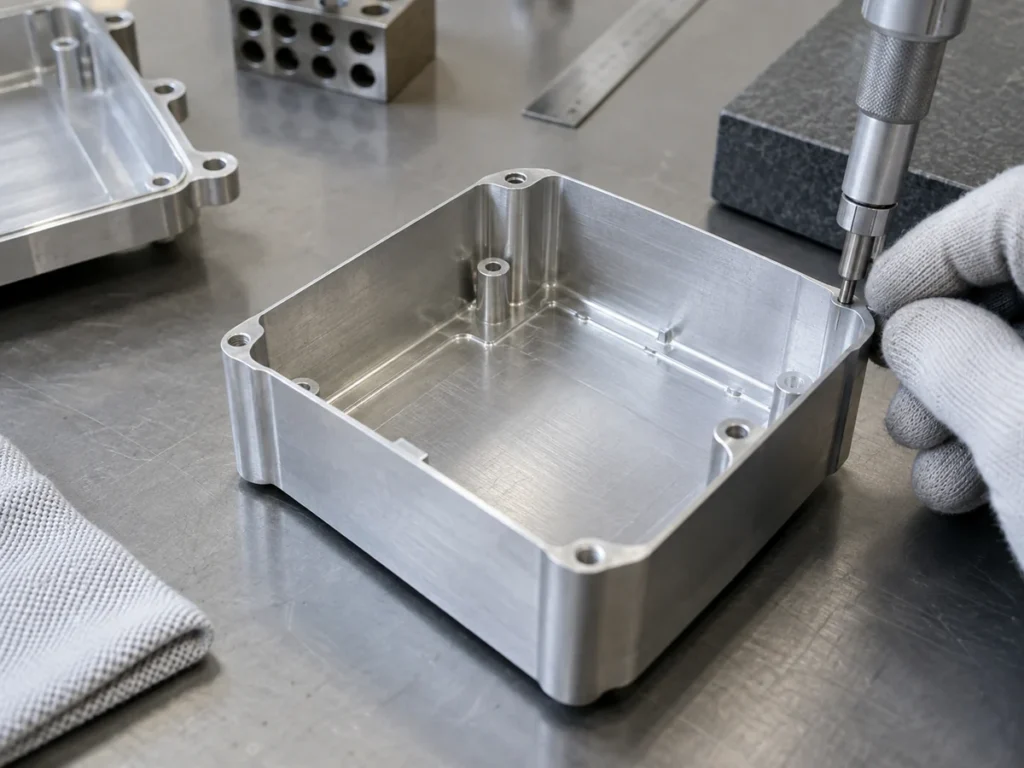
1. Define the ordered impact-protection requirement
Ask the responsible designer to identify the required IK code and applicable standard reference. Keep the standard edition and equipment-specific requirement visible on the purchase brief. Avoid leaving receiving to choose a target from a generic online table.
Describe the supplied stage: an empty enclosure, a machined enclosure kit or a completed equipment assembly. State which item must satisfy the impact requirement and who is responsible for its evaluation.
Keep the expected installation context available to the enclosure and equipment reviewers. Identify the intended mounting arrangement and exposed surfaces through the project drawing. A vague request for a “rugged aluminum box” leaves the actual protection requirement unresolved.
If a customer requirement references both an enclosure code and a separate equipment test, preserve both. Have the engineering owner explain their relationship. Do not shorten two requirements into one convenient marketing label.
2. Check the exact product coverage and exceptions
Match the offer to its manufacturer, series, complete part number and revision. Include the body and cover references. A family heading can conceal an exception that matters to the particular item being ordered.
For example, Hammond’s current 1590Z page states an IK08 impact rating under IEC 62262 for its sizes except the 1590Z060 group identified in the statement. This is a manufacturer-specific example, not a rating for every diecast or extruded aluminum housing.
Retain the exception when copying a catalog statement into a comparison sheet. Ask the supplier to confirm the offered full part number and applicable evidence. The presence of a series name on a quotation does not resolve which members its claim covers.
Keep finish options and supplied accessories identifiable where they form part of the assessed configuration. If a proposed alternate changes a cover or external component, make that change explicit instead of retaining the earlier product reference.
The manufacturer’s page also asks customers to determine suitability for their specific application through their own testing. Keep product information and project suitability as connected but separate review questions.
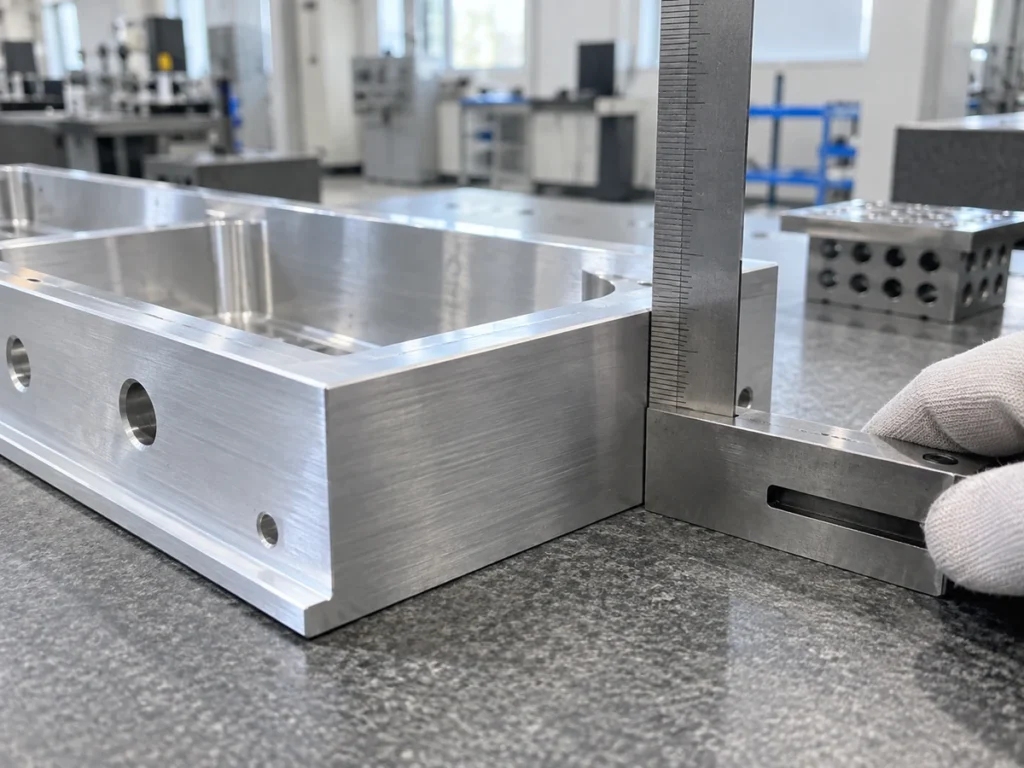
3. Read the configuration behind the impact statement
Request the document that supports the offered claim. Identify its issuer, date, method reference, assessed product and stated outcome. Ask the responsible reviewer whether it supplies the evidence required by this order.
Keep the complete configuration visible: body, cover, relevant fastening parts and external components. Find the specimen or product identity used in the assessment. A report for one cover arrangement should not silently be assigned to another.
Ask how the assessment record identifies mounting, impact locations and applicable conditions. Have the quality or engineering team compare that scope with the specified configuration. Purchasing should retain the explanation rather than invent a laboratory setup.
Preserve the assessment’s actual conclusion and limitations. A supplier statement about design intent, a test report and a project acceptance record have different purposes. Label each record so the reviewer knows what has been demonstrated.
If the project needs further verification after assembly, identify that work and its owner. A loose-body inspection can establish the features it actually checks. It does not automatically complete an impact requirement for the assembled equipment.
4. Review modifications before reusing the claim
List each proposed opening, added external component, cover substitution or mounting change. Send the controlled drawing to the enclosure and equipment owners. Ask whether the existing evidence covers the changed configuration.
Keep the supplier’s answer attached to the modification revision. Where additional assessment is required, retain the agreed scope and completion record. A change should not disappear into a repeat order while the original rating line remains untouched.
Use the hole-position drawing guide to make machined features identifiable. Dimensional acceptance and impact-protection acceptance answer different questions, even when both involve the same opening.
State who provides the body, who machines it and who completes the assembly. Identify the person responsible for approving the rating’s application to the final supplied item. This closes a handoff that otherwise leaves each supplier assuming another has reviewed the change.
If transport damage is found, record the affected item and condition before release. Have the authorized reviewer determine the required action. A catalog impact code is not an automatic instruction to accept a visibly damaged delivery.
Three fictional evidence records
Consider three invented quotations for an aluminum instrument housing. Record A gives a series-level IK statement with an exception but does not identify the offered size. Record B identifies a stock enclosure assessment, while the quote adds a different cover. Record C connects the offered configuration to its assessment record.
| Evidence record | Review question |
|---|---|
| A: family statement | Is the offered part within the stated coverage? |
| B: changed cover | Does the existing assessment cover that change? |
| C: linked configuration | Does its method and outcome meet the ordered requirement? |
The table organizes missing information; it supplies no actual impact result or approval. C gives the reviewer a clearer connection, but the requirement and full evidence still need to match before release.
These records are original examples. They do not describe Hammond test outcomes, a JiurunCut customer installation or a recommended IK level for a particular environment.
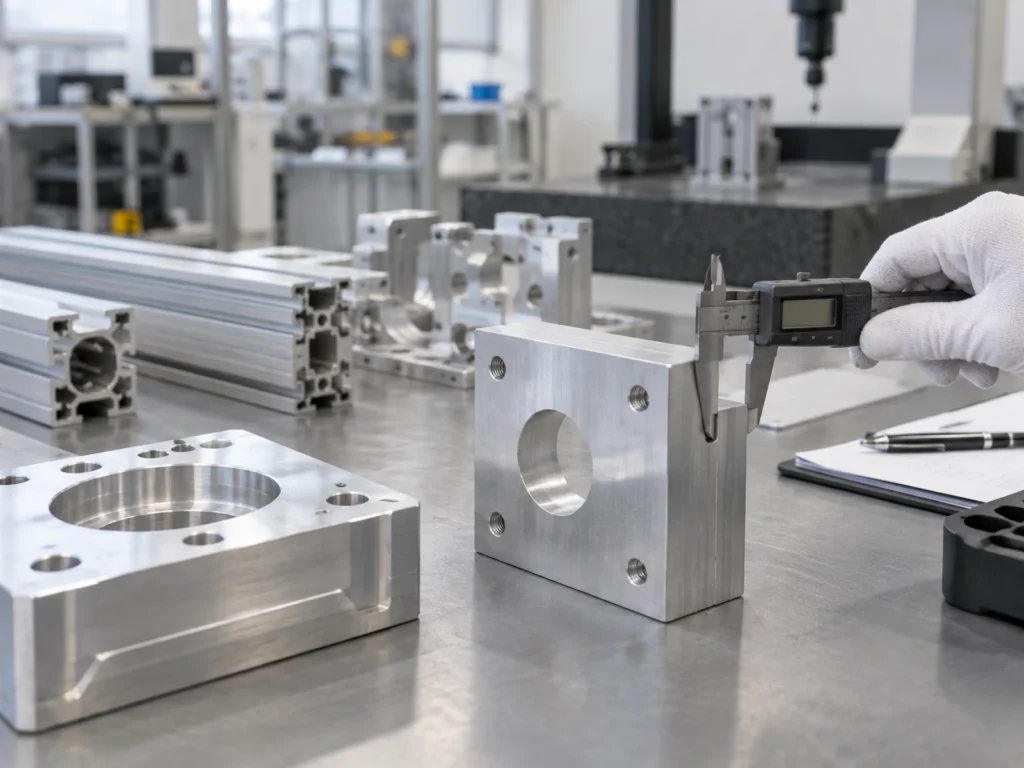
Prepare a clearer purchasing brief
Retain the project requirement, complete product references, drawing revision, supplied stage and assessment evidence together. Add the proposed changes and their disposition. Name the owner of any verification still needed.
Keep other enclosure requirements explicit: material, dimensions, finish, ingress protection and the equipment-specific acceptance scope. A useful brief lets each specialist find the requirement they must address without decoding a single broad claim.
For a cutting inquiry, identify the aluminum stock section, cut lengths, quantities, locating faces and secondary operations. State the blank condition to deliver. Keep enclosure assembly and impact verification assigned to their responsible providers.
Contact JiurunCut with the drawing and cut list to discuss the aluminum cutting stage. Provide any protected surfaces or interfaces that the following enclosure process needs preserved.
Buyer questions
Does aluminum thickness establish an IK rating?
No rating follows from thickness alone. Request evidence for the exact enclosure configuration and applicable requirement.
Can an IP rating replace the impact statement?
Keep the two records separately identified. Review the impact requirement through the applicable IK evidence.
Can a series-level statement be copied to every size?
Check its scope and exceptions against the complete offered part number. Obtain confirmation where coverage is unclear.
Does a modified enclosure retain the original claim automatically?
Have the responsible supplier and engineering team review the actual changes and applicable assessment before reusing the claim.
Primary references
IEC 62262 public scope identifies the standard’s subject and applicability. Hammond 1590Z product information provides the specific catalog example. The purchasing scenarios are original and do not supply a test procedure or project approval.