
Powder coating chalking is the formation of a chalky residue as a coating breaks down. For outdoor aluminum parts, connect the surface observation with the coating identity, exposure history and applicable inspection method. Keep the warranty’s decorative coverage separate from its film-integrity coverage.
A pale mark or dusty photograph alone does not establish chalking. Purchasing needs a traceable review of the actual surface and the supplied finish. This guide follows that review from the first observation to the information needed for a future order.
On this page
What powder coating chalking means
Interpon’s architectural specification guide describes chalking as coating breakdown that leaves a chalky residue. It discusses this characteristic within decorative performance, alongside the retention of color, finish and gloss.
The guide distinguishes decorative performance from film integrity. Its film-integrity discussion addresses checking and cracking. These are separate aspects of the finish; a warranty headline should not merge them into one unspecified promise.
For a receiving or field concern, begin with a neutral description such as “loose pale residue on the upper rail.” Let the responsible coating specialist determine whether the observation is chalking, deposited material or another condition.
Also keep the observation distinct from color change, reduced gloss, a visible opening or a rippled texture. Several concerns can occur on the same part. Record each one rather than expecting a single defect label to answer every question.
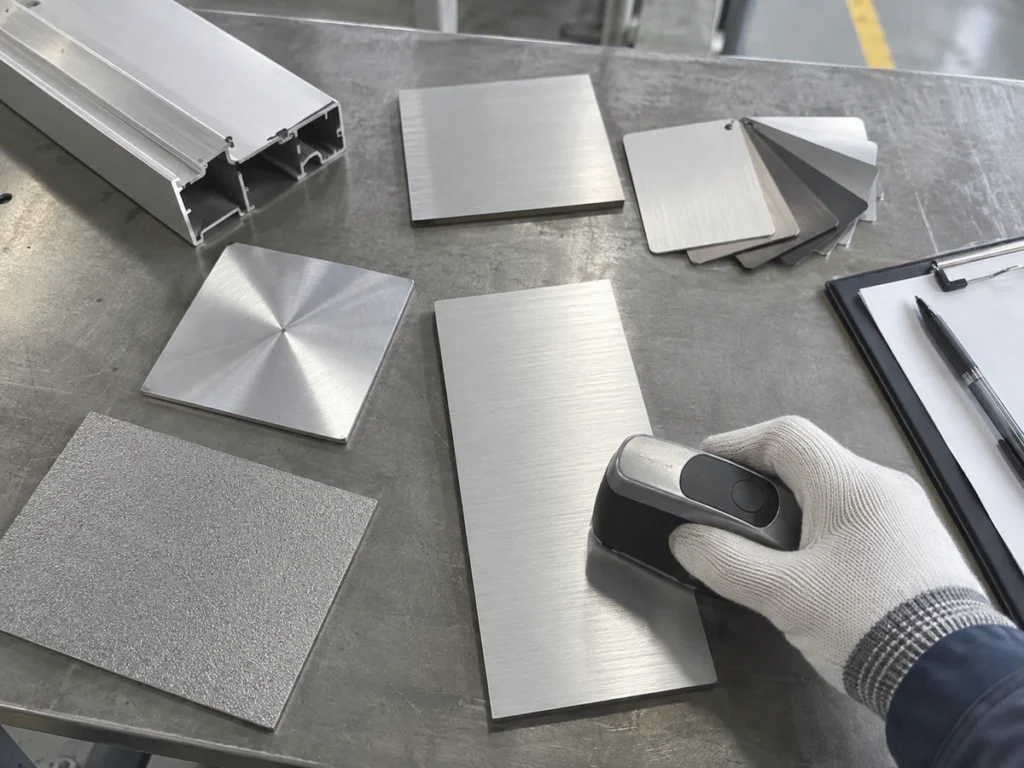
Describe the field observation before assigning a cause
Identify the part, installed position and affected face. Keep a wider photograph for location and a closer photograph for the visible condition. Retain the observation date and the relevant delivery or project record.
For a frame with several adjoining rails, mark the affected pieces on an elevation or assembly drawing. A reviewer should be able to locate the same faces without guessing from a close-up.
Record whether the concern appears on an exposed upper face, a sheltered face, an edge or several members. Those descriptions organize the investigation. They do not, by themselves, establish a weathering mechanism or release decision.
Preserve the surface condition needed by the agreed inspection procedure. Before cleaning or altering the affected area, ask the responsible reviewer what evidence must be retained. Have the supplier confirm any permitted maintenance action for the actual finish.
Keep the original observation and later findings separately dated. If an area looks different after an authorized treatment, retain both records with the treatment description. Avoid replacing the first photograph with a later image that loses the history.
Recover the coating identity and exposure history
Find the coating manufacturer, product designation, relevant batch information and applicator record. Link them to the supplied aluminum members. A color name alone is not enough to identify the finish that was ordered or applied.
Retain the specified use environment and actual installation information. State where the part has been used and which faces are exposed. Include the installation date where it is known; keep an estimate explicitly labeled if a confirmed record is unavailable.
Keep maintenance instructions and available maintenance records with the investigation. Record what cleaning or other treatment actually occurred, when it occurred and which products were used. Do not turn an incomplete history into an assumed cause.
If replacement pieces came from a later delivery, identify them separately. Their coating product, batch or service history may differ. The review needs those identities before comparing the appearance of the whole assembly.
Our powder coating color-match guide covers the original appearance brief. For a weathered surface concern, retain that brief and add the relevant exposure and maintenance record.
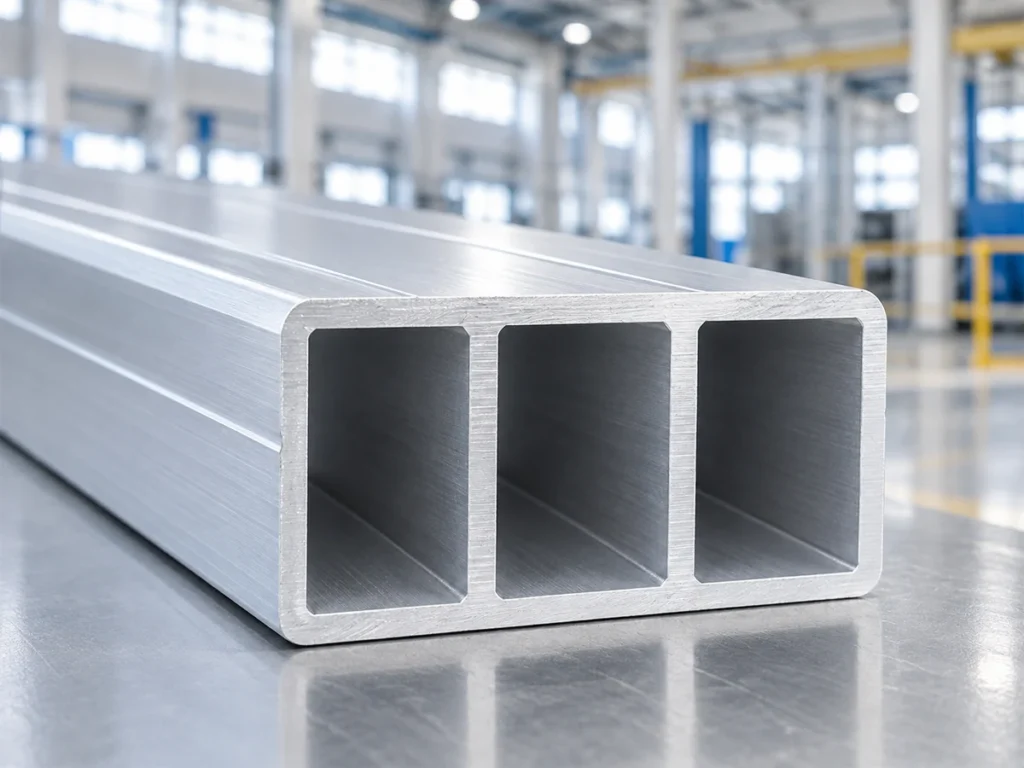
Request the appropriate chalking evaluation
ASTM’s public description of D4214 identifies methods for evaluating the degree of chalking on white or tinted exterior paint films. Its overview describes transferring chalk and comparing it with specified reference information.
That public overview does not supply a complete inspection procedure or a universal acceptance limit. Ask the appointed quality team to identify the applicable method, edition, reference and decision rule for the supplied coating.
Keep the evaluated face, location, sample identity and surface condition in the report. Retain the date, responsible evaluator and any departure from the approved procedure. A short rating without its method and reference leaves the comparison unclear.
Have the report distinguish observation from conclusion. It should state what was found, what requirement applies and what decision follows within the authorized scope. A photograph of residue can communicate a concern but does not independently supply a standardized rating.
Other finish requirements need their own evidence. The gloss-level guide explains why a gloss result needs its geometry and limits. A satisfactory gloss value alone does not close a separate chalking question.
Read the actual decorative and film-integrity coverage
Request the warranty document issued for the project or delivered finish. Identify the issuer, covered product, covered components, start date and applicable conditions. Keep the document connected to the coating and applicator records.
Ask which appearance properties are covered and how each is evaluated. Where chalking is included, retain its specific assessment and limit. Review the separate film-integrity provisions rather than assuming the same wording covers both categories.
Interpon’s specification guide presents its information as guidance and states that rights cannot be derived from that guide. A brochure’s discussion of warranty categories is therefore not a substitute for the actual issued document.
Record the process for reporting a concern, the evidence requested and the party that reviews it. Have the issuer explain any unclear coverage. Keep the inspection result, warranty response and proposed remedy separately identifiable.
A fictional warranty comparison
Imagine two invented offers for outdoor aluminum screen rails. Offer A states “finish warranty” but supplies no coverage document. Offer B supplies a document that names decorative and film-integrity coverage separately. Neither offer represents a JiurunCut customer or an actual warranty.
| Offer record | Question before comparison |
|---|---|
| A: headline only | Who issues the warranty, and what document defines coverage? |
| B: two coverage fields | Which chalking method, limits and conditions apply? |
| Both offers | Do the named coating and intended service match the supplied parts? |
B provides a clearer starting record, but this table does not approve its coverage or predict its service life. The buyer still needs the actual product, project applicability and complete terms reviewed.
If a later surface concern arises, connect the affected members to those records. Preserve the inspection finding and issuer’s response. A coverage heading alone does not resolve whether a particular observation meets the governing conditions.
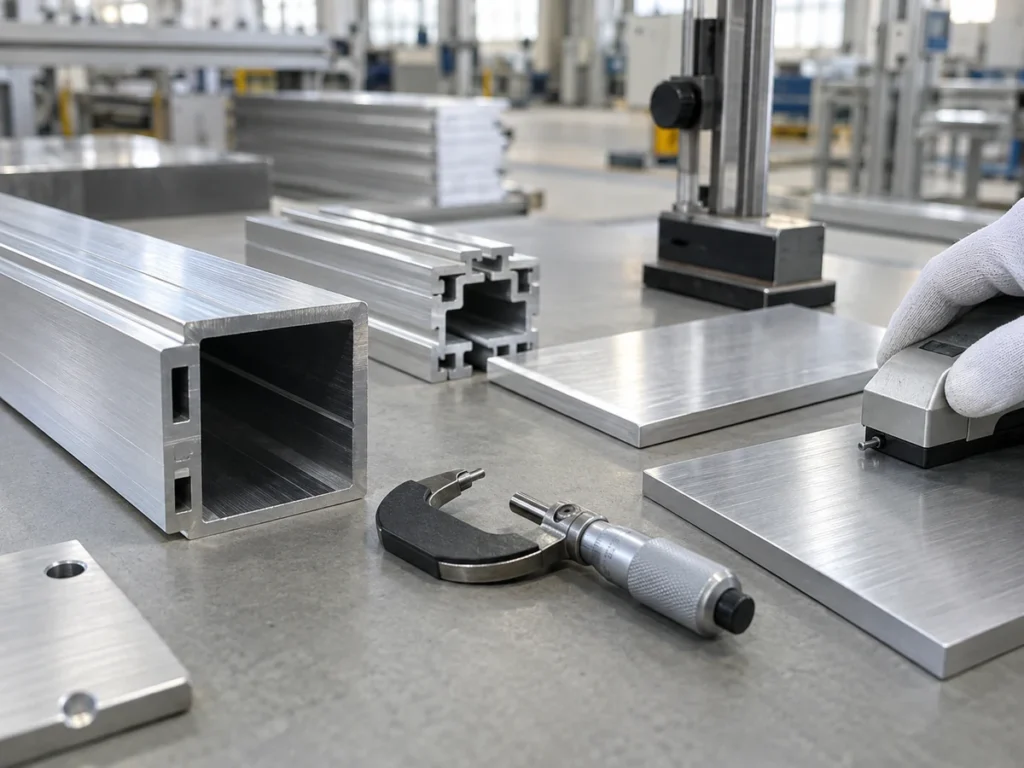
Improve the next aluminum order
Carry the identified coating product, intended service, appearance requirements and issued warranty scope into the next purchasing brief. Give proposed substitutions their own review before production. Keep an old color reference from silently approving a different finish system.
For cutting, state whether stock arrives coated or receives its finish later. Mark the visible faces, handling restrictions and required cut-end condition. Connect the cutting stage with the finisher’s preparation and acceptance plan.
Send JiurunCut the profile drawing and cut list with the relevant surface requirements. Request a cutting and handling discussion for the actual job. Keep coating diagnosis, finish selection and warranty decisions with their responsible specialists.
Buyer questions
Does a dusty photograph prove chalking?
It records appearance. Have the actual surface evaluated through the applicable method and coating review before assigning the condition.
Does a matching color code establish outdoor durability?
Identify the coating product, specified service and relevant performance evidence. The color code addresses only part of the order.
Does film-integrity coverage automatically include chalking?
Read the actual decorative and film-integrity provisions. Keep their covered properties, limits and conditions explicit.
Should receiving prescribe a cleaning or recoating recipe?
Request a response from the qualified coating supplier and responsible reviewer. Preserve the original evidence and required verification before an authorized remedy proceeds.
Primary references
Interpon D architectural specification guide, warranty discussion, and ASTM D4214 public scope supply the terminology and method background. The offer comparison and purchasing questions are original editorial guidance.