
Aluminum extrusion quenching is controlled cooling of a profile during its manufacturing route. For a buyer ordering finished stock, the useful question is how that route supports the material and geometry specified on the order. A cooling-system name alone does not approve a delivered batch.
Organize the discussion around three decisions: identify what you are buying, agree what evidence releases the stock, and define what the later cutting trial must establish. Keep process questions with the extrusion supplier and finished-part questions with the team responsible for your component.
On this page
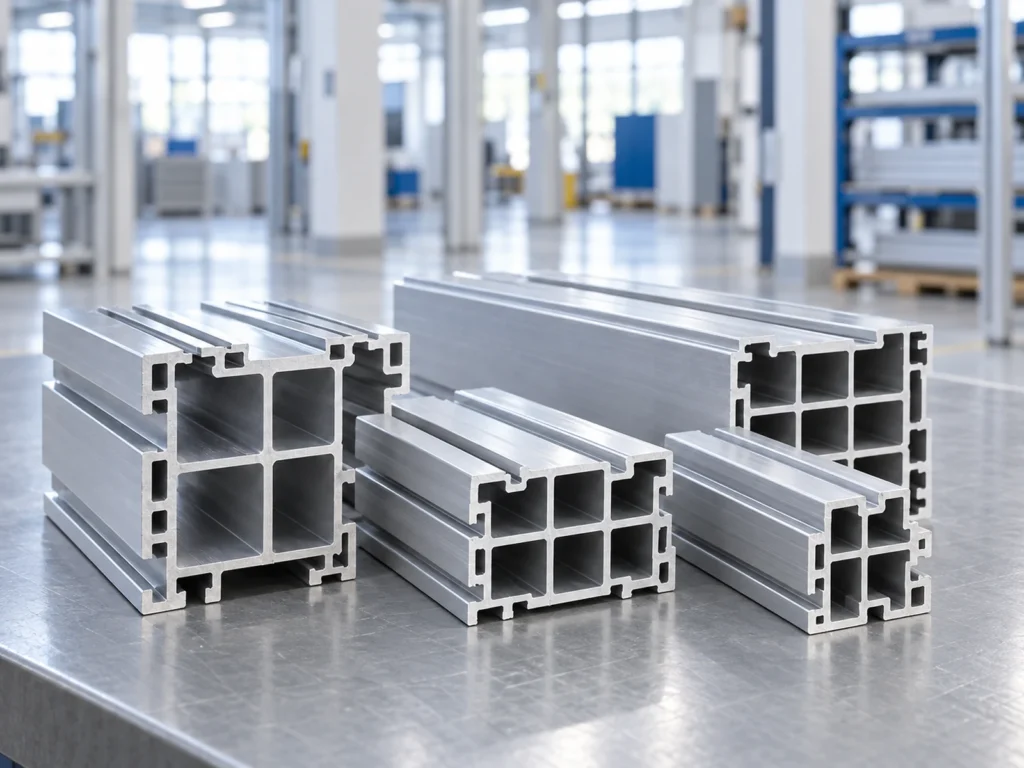
Aluminum extrusion quenching: what a system description tells you
GRANCO CLARK’s spray-quench overview identifies quench technology and profile thickness as factors in cooling rate. It also describes adjustable spray zones, a recipe system, and pressure and flow feedback.
Presezzi’s cooling-system overview describes equipment at the press exit and distinguishes air, air-and-water, tandem and mixed cooling configurations. Its selection factors include alloy, section dimensions, required temperature and extrusion speed.
These examples explain why equipment names should lead to profile-specific questions. They do not establish a universal cooling rate, water setting or completed temper for the stock you plan to purchase.
Cooling descriptions also cover different locations. GRANCO CLARK’s cooling overview lists run-out cooling and cooling-table arrangements alongside quench options. Ask which operation a quotation or production record actually describes.
Decision 1: identify the purchase before comparing offers
You are ordering finished extrusion stock
Place the alloy, full temper designation, section drawing revision, stock length and required supplied geometry on the enquiry. Identify visible faces and any downstream operations that need supplier review.
Ask the extrusion supplier to confirm the delivery scope and the evidence included with the material. Do not replace an agreed material requirement with a general statement such as “water cooled.” For document review, use the aluminum material certificate guide.
You are evaluating plant cooling equipment
Give the equipment specialist the actual production requirements and representative section drawings. Ask which operating conditions its assessment covers and what commissioning evidence is proposed for those profiles.
Keep assumptions visible when comparing quotations. An offer assessed for one section family should not silently become approval for every section in your catalogue. Obtain a revised assessment when the order scope changes.
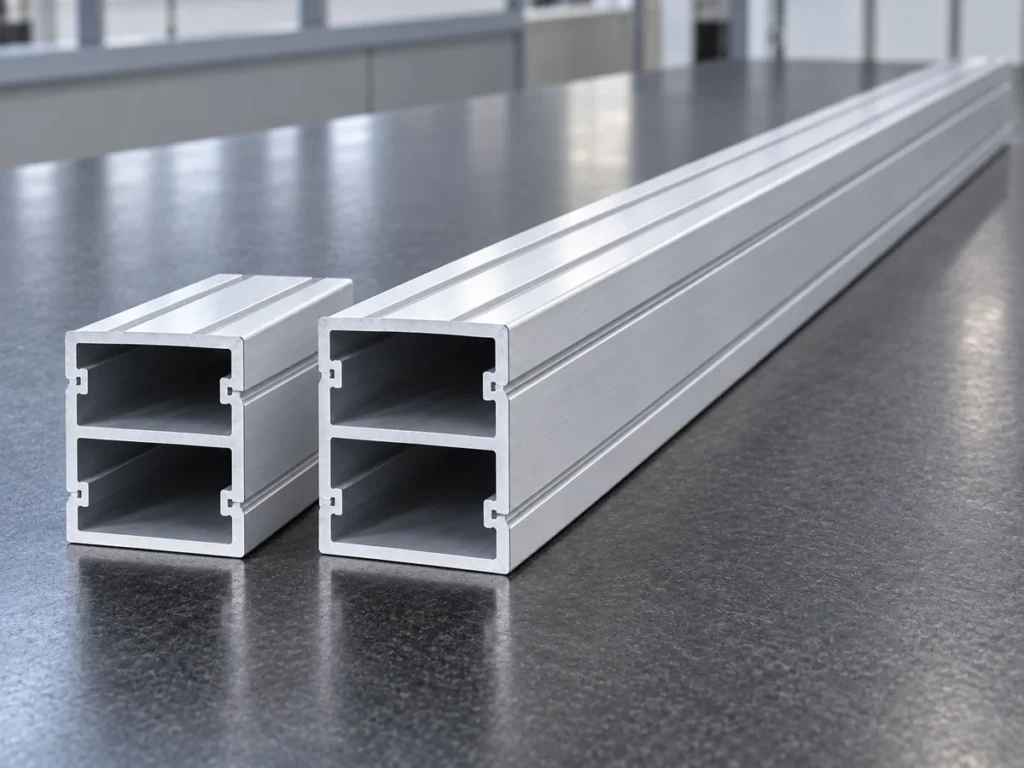
Decision 2: release stock against an agreed requirement
Use a small release record to connect the supplier’s material identity with the pieces received in your workshop. Include the order number, batch reference, drawing revision and the documents required by that order.
Keep the receiving check understandable. State what is inspected, the support and measurement conditions, who records the result and who resolves a discrepancy. Use drawing-defined requirements instead of inventing a general straightness limit for all profiles.
| Order decision | Evidence to agree |
|---|---|
| Material identity | The required alloy and temper, with the ordered certificate or supplier confirmation linked to the batch. |
| Delivered geometry | The supplied-stock requirements and recorded checks against the agreed drawing and measurement conditions. |
| Unresolved difference | A clear disposition from the responsible supplier or buyer before the affected material enters production. |
When bow or twist is the concern, describe the observed condition without assigning a cause from appearance alone. Record the profile orientation, supported length and measurement location. The incoming straightness review provides a separate framework for that discussion.
Separate accepted pieces from material still awaiting a decision. Keep the supplier’s explanation with the affected lot so a later operator does not mistake an open question for completed approval.
Decision 3: define what the cutting trial must establish
A cutting trial should answer the finished-part questions assigned to the saw operation. Provide accepted representative stock, the required cut lengths and angles, the length datum, batch quantities and any handling restrictions.
State the measured results you need from that trial. Examples include finished length, cut-face squareness, visible contact marks and fit at an identified assembly feature. These checks should follow the part drawing and the agreed trial scope.
Keep material approval visible in a separate record. A satisfactory cut face does not independently establish the complete heat-treatment condition of the incoming extrusion. Equally, a certificate does not record the length produced by a particular cutting setup.
Record which trial pieces came from which stock lot. Retain the relevant results with the setup review so a later batch can be compared with the same drawing revision and part requirements.
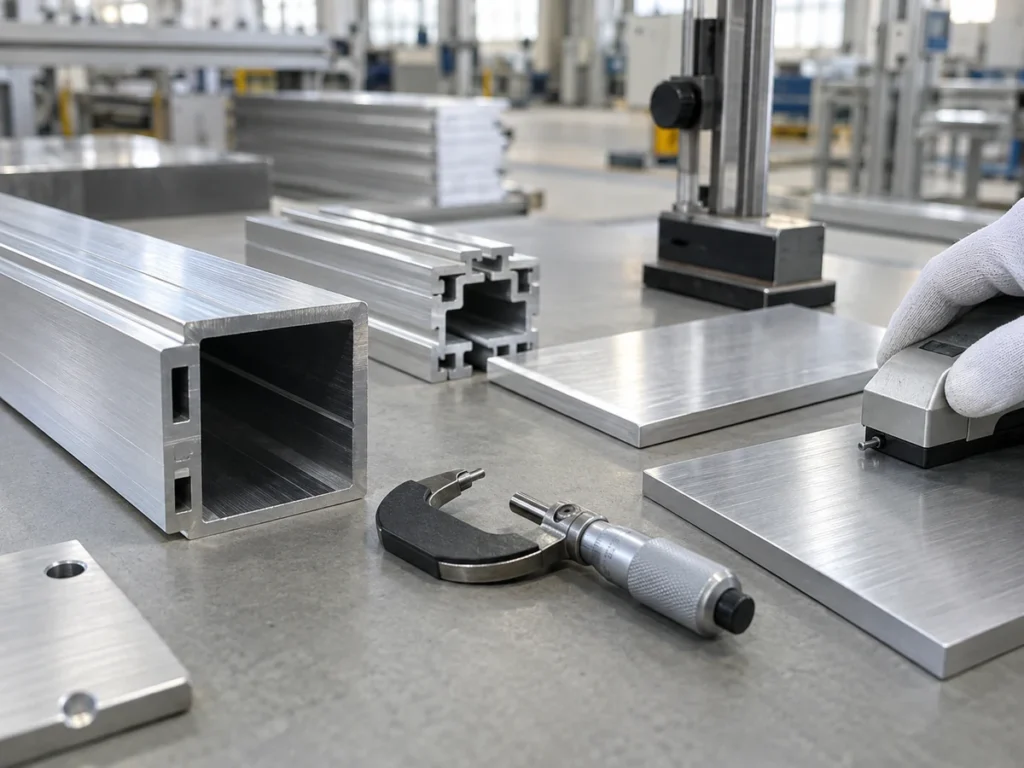
Respond to a proposed process change with a focused question
If the extrusion supplier proposes a different cooling route, ask whether the agreed delivered material and geometry requirements remain satisfied. Request any revised qualification or order evidence that your contract requires.
If the new stock has a different section revision, update the sample and drawing references used for cutting review. Do not leave an old trial photograph attached to a new geometry without explaining the change.
If the only change is in the supplier’s equipment description, first establish what changed in the actual delivery scope. This keeps the review proportional to the decision that affects your parts, rather than turning every enquiry into an undefined process audit.
Questions buyers ask
Is water always the correct choice for aluminum extrusion quenching?
Do not select a route from the medium alone. Ask the extrusion or equipment specialist to assess the actual material, section and production requirements, then agree how the delivered result is accepted.
Can I approve temper by inspecting a profile photograph?
A photograph can help identify visible features and the material under discussion. Use the material identity and evidence required by your order to review the specified temper.
Should a saw quotation include the extrusion plant’s cooling settings?
Define the material the saw will receive and the parts it must produce. Keep any upstream process details needed for material qualification with the responsible extrusion supplier.
What should I send JiurunCut for the cutting review?
Send the section drawing, confirmed material description, stock length, cut list, required datums and representative samples. Identify open supplier questions separately so the trial scope stays clear.