
Aluminum extrusion punching can be part of a fabricated-profile order, but the buyer needs a section-specific feasibility review. Identify the required openings, the profile geometry and the accepted finished condition before choosing the production route.
Separate the enquiry into three decisions: can the proposed tooling reach the feature, what must the finished opening satisfy, and how does the batch mix affect the quotation? Those answers connect the drawing to a practical supplier review.
On this page
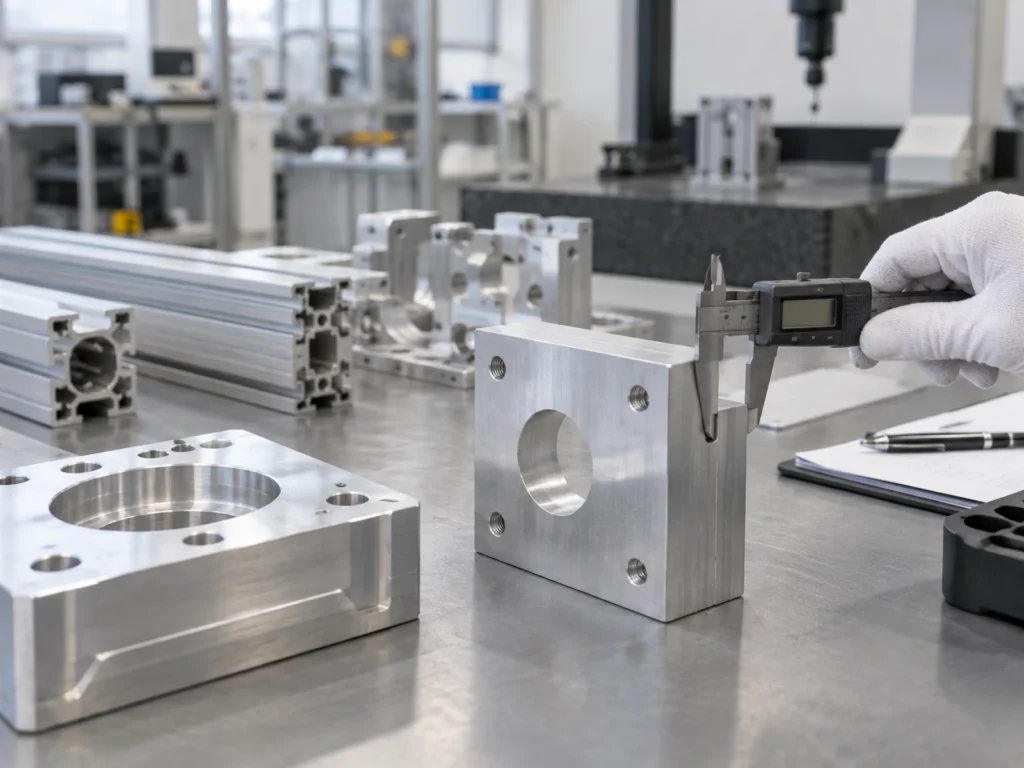
Aluminum extrusion punching: distinguish the process from the feature
Bonnell’s fabrication and assembly overview lists punching and piercing alongside cutting, machining and other fabrication operations. It establishes that punching can be a separate part of an extrusion fabrication enquiry.
TRUMPF’s punching explanation describes sheet metal positioned between a punch and die, with the tools passing each other to shear the material. Its process description includes deformation, separation and removal of a slug.
That explanation concerns sheet metal. An extrusion section needs its own tooling and access assessment; a sheet-punching machine description does not prove suitability for a closed or complex profile.
The drawing should define the required opening regardless of the selected process. A hole in a sample could have been drilled, milled or punched. Ask the supplier to state the proposed route instead of inferring it from the visible shape.
Decision 1: can the tools access and support the actual section?
Provide the complete section drawing, including nearby walls, channels and internal webs. Mark each feature and show which wall it passes through. Include the approved material and condition of the stock.
Ask the fabricator to explain how the proposed punch, die and supporting arrangement reach the feature. This is especially relevant when another wall sits behind the opening or the part includes a narrow channel.
The buyer does not need to design the tooling. The useful deliverable is the supplier’s feasibility response for the actual section and opening pattern. Record any required sample review or drawing change before accepting the route.
Do not substitute a generic machine tonnage for that response. The complete process requires suitable tooling, support, access and an approved operating method. This article does not prescribe press capacity, die clearance or a universal hole-to-wall ratio.
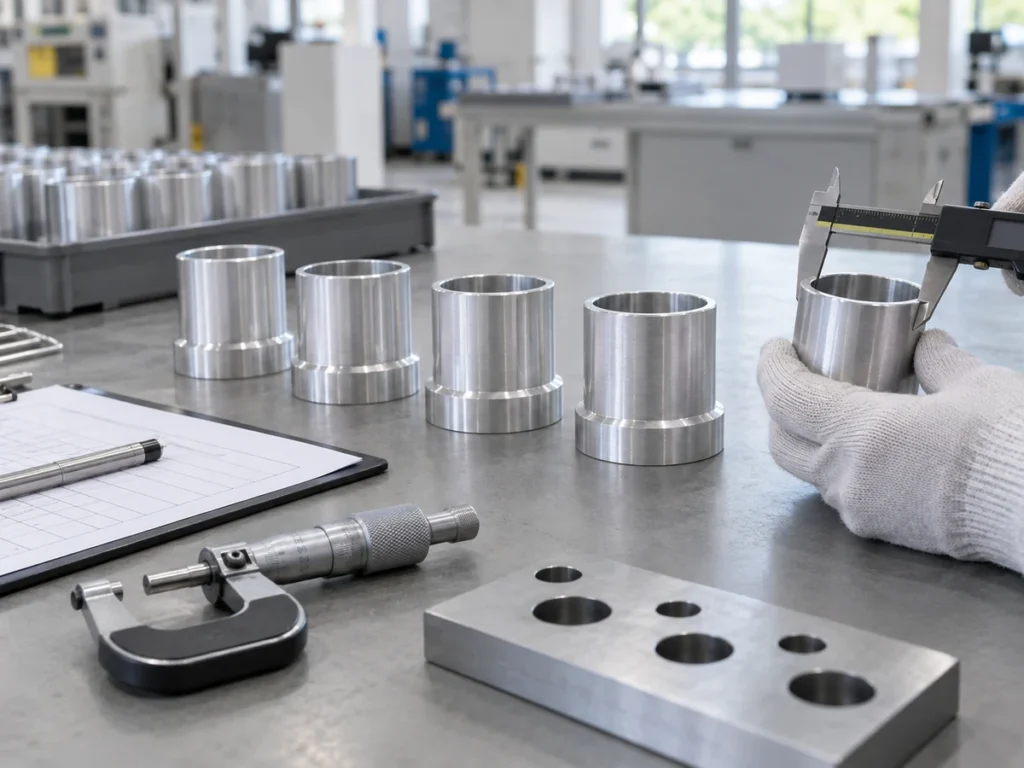
Decision 2: what must the finished opening satisfy?
Define the feature’s size, shape and location against the drawing datums. Include the associated tolerance and how the receiving team will inspect it. Separate a clearance opening from a locating feature or a later machining reference.
Specify the edge condition that matters to the assembly. If an edge meets a seal, cable, fastener or visible surface, identify that interface in the enquiry. Let the responsible designer define the acceptance requirement.
Also discuss whether the surrounding section must retain a particular form after processing. A feature can meet an opening-size check while a nearby contact surface still needs a separate review.
TRUMPF describes nibbling as creating a contour through overlapping strokes and notes that individual-stroke attachment points can remain visible along the edge. If a supplier proposes nibbling, confirm the resulting edge requirement separately from the opening dimensions.
Its sheet-metal examples do not establish an extrusion’s final result. Use the first-article inspection guide to agree the records for the actual proposed process and part.
Decision 3: how do tooling and batch changes affect the quote?
Give the supplier the quantities for each feature pattern and part revision. Two parts with the same profile and cut length may still require different fabrication arrangements if their openings differ.
Ask what the quotation includes for tooling, setup, sample approval and later changes. Identify who owns any dedicated tooling and how a drawing revision affects it. Avoid comparing a tooling-inclusive quote with a piece price that leaves those items separate.
Where several patterns share a section, ask how the supplier identifies the active pattern and keeps parts separated. Put the approved part code on the drawing, process record and delivery label.
Request a clear response for small repeat orders and mixed batches. Review those terms against the actual purchasing schedule. A general statement about punching speed does not establish a saving for your order.
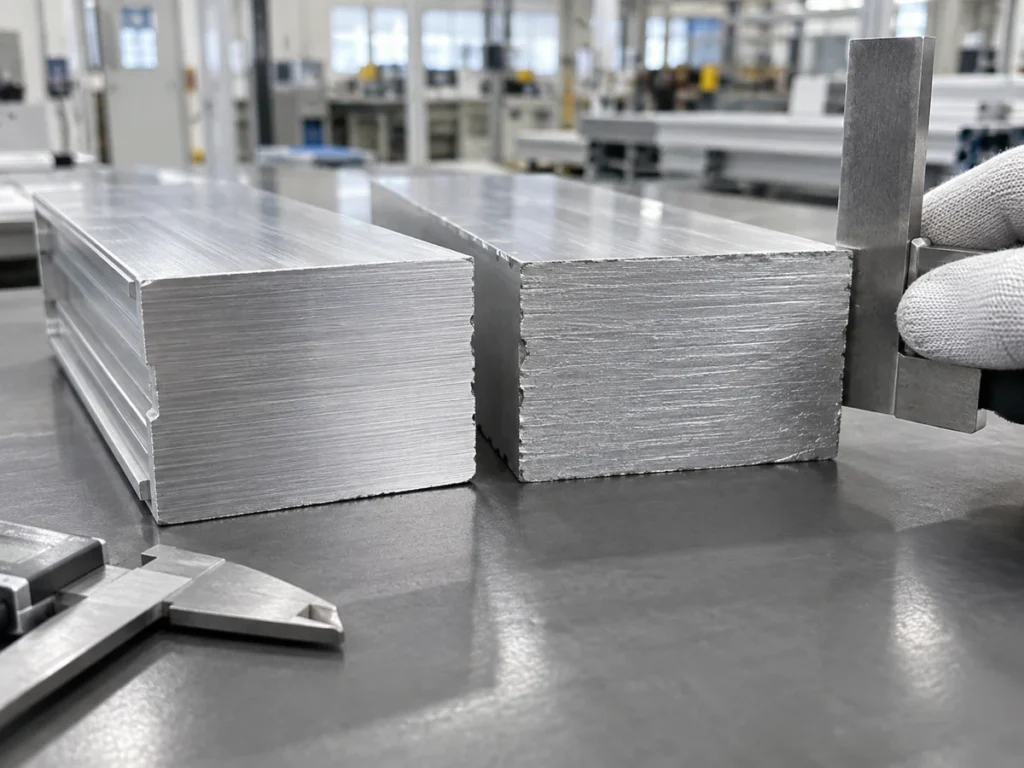
Coordinate aluminum extrusion punching with the cutting handoff
The cutting and fabrication suppliers should agree which part references remain relevant at the next operation. If a feature is located from a finished cut end, the approved length and datum need to travel with the blank.
Use the finished-length datum guide to resolve that reference. Then identify who accepts the cut blank, who produces the openings and who releases the completed part.
| Quote decision | Record to request |
|---|---|
| Section feasibility | Supplier response for tool access, support and the proposed feature route. |
| Feature acceptance | Drawing datums, edge requirements and agreed inspection records. |
| Batch and tooling terms | Pattern quantities, setup scope, tool ownership and revision handling. |
This table is an editorial purchasing checklist. It is not a tooling design, production instruction or evidence that any pictured sample was punched.
Send JiurunCut the section and cut-blank drawing to discuss the cutting arrangement. Identify the downstream punching requirements so the cutting enquiry includes the relevant blank references.
Questions buyers ask
Can every hollow extrusion be punched?
Do not assume so. Ask a qualified fabricator to review the actual section, tool access and feature pattern.
Does a hole photograph identify its production process?
No. Request the supplier’s process description and the acceptance record for the ordered part.
Are punching and nibbling the same operation?
Nibbling uses overlapping strokes to form a contour. Confirm its edge requirements against the drawing and proposed process.
What belongs in an aluminum extrusion punching enquiry?
Provide section and feature drawings, material condition, quantities, datums, edge requirements and the intended downstream assembly.