
Aluminum flat bar vs plate is a purchasing comparison that needs more than a rectangular outline. Two blanks can have the same nominal thickness, width and length while their product descriptions, material conditions and included processing differ. Confirm the supplied stock identity before treating the offers as alternatives.
This guide compares four buying differences: the product description, the dimension being supplied, the material condition and the route to the required part. It does not rank one stock form as universally stronger, flatter or cheaper. The approved component requirements decide whether a proposed alternative is acceptable.
On this page
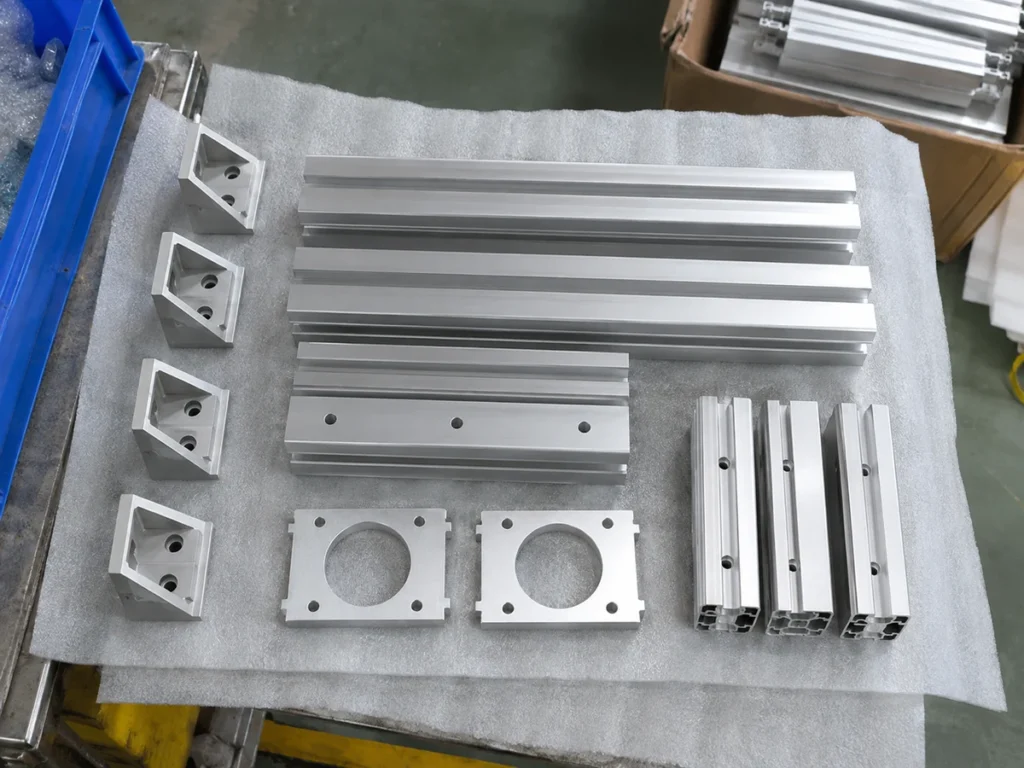
Aluminum flat bar vs plate: identify the offered product
Ask whether the quoted item is an extruded rectangular bar, a strip cut from rolled plate or another specified stock product. Retain the manufacturer’s product code and applicable supply description. Avoid shortening each offer to “aluminum rectangle” in the comparison sheet.
Hydro’s flat-bar page describes aluminum bar stock available as square, round or rectangular extrusions. That establishes an example of extruded rectangular stock; it does not mean every flat bar sold by every distributor has the same route or supply condition.
The word “plate” also needs context. Hydro’s Econ-o-Plate brochure describes that named product as extruded aluminum bar and compares it with rolled plate. A product name containing “Plate” is therefore insufficient to identify its manufacturing route. Use the actual product description.
For contrast, Kaiser’s flat-rolled product brochure lists plate, sheet and coil within that product family. These supplier documents illustrate why product form belongs in the inquiry. They are not approval to substitute one offered stock product for another.
Difference 2: supplied dimensions and final dimensions
Label thickness, width and length separately. State the units and applicable tolerances alongside the drawing revision. A three-number description becomes ambiguous when one supplier interprets it as stock size and another interprets it as the finished component.
Clarify which dimensions already exist in the purchased stock and which require cutting or machining. A bar supplied at the requested nominal width and a wider plate requiring width cutting can lead to different quotations even when the eventual blank dimensions look identical.
| Order field | Question to resolve |
|---|---|
| Thickness | Is this the supplied stock requirement or the finished machined thickness? |
| Width | Is the width supplied by the stock product, cut from larger material or machined later? |
| Length | Is the quoted length the cut blank or the finished component? |
| Units and tolerances | Which drawing and supply requirements apply to each value? |
Keep nominal size and allowable variation separate. Do not insert a machining allowance that the drawing owner has not approved. If the blank is intended for later machining, link its requirements to the finished drawing and the agreed process plan.
Our machining-allowance guide explains that blank-versus-finished distinction. Confirm the particular stock requirement rather than applying an allowance remembered from another job.
Difference 3: the full material condition
Retain the alloy and complete temper in each offer. Do not let a match in alloy number hide a difference in the stated condition. Keep the required material specification and certification scope with the part reference.
Compare the confirmed conditions against the controlled requirement. If the offered material differs, identify it as a proposed alternative for review. A purchase team should not silently approve a change by deleting the suffix from its spreadsheet.
See the 6061 temper comparison for the separate condition question. That comparison does not select the material for your component or approve a rectangular bar as a substitute for a plate strip.
Keep certification tied to the supplied stock and its traceable identity. Where a supplier proposes to cut blanks from larger material, confirm how the relevant material reference will remain connected to the delivered pieces. A generic certificate with no clear connection to the offered batch leaves an open purchasing question.
Difference 4: the route from stock to delivered part
List the work included in each quotation. Does the offer cover raw stock, cut-to-length blanks, blanks cut to width, machined blanks or finished components? Put excluded work beside the included work so the next team knows what remains.
For the cutting review, show the actual incoming section and the dimensions to be cut. Identify the relevant broad faces and edges if orientation matters to the part. Keep later holes, recesses, threads, surface finishing and assembly outside the cutting scope unless the supplier confirms them.
Do not infer machine suitability from a picture of a rectangular blank. Ask for a review of the actual stock, required cut and proposed arrangement. A machine’s published capacity needs the relevant section and orientation; it is not a general approval for every plate or bar job.
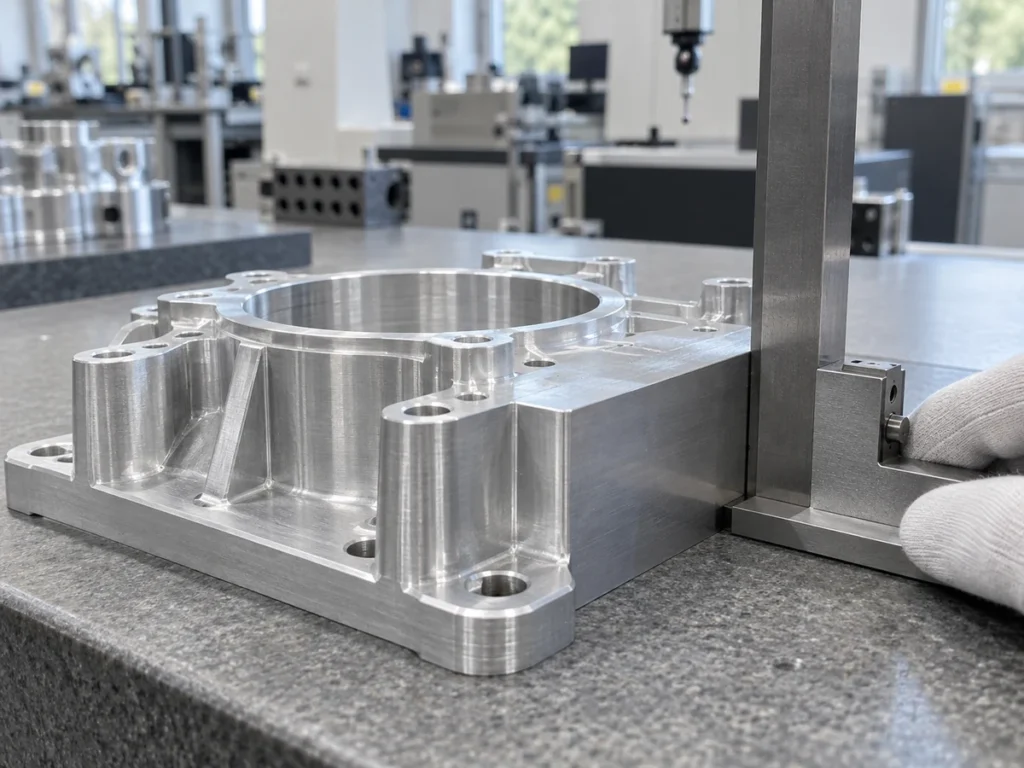
Two fictional offers for one blank
Suppose fictional blank F20, revision C, requires 40 rectangular pieces for later machining. Its controlled blank drawing identifies thickness, width, cut length and material condition. No stock product has yet been approved.
Offer A proposes an identified extruded rectangular bar cut to length. Offer B proposes strips cut from a named plate product, with both width and length cutting included. These are invented offers for explaining a review, not actual prices or product recommendations.
First check whether each proposed stock identity meets the requirement. Then compare which dimensions and operations the supplier actually includes. If Offer B excludes width cutting, its price does not yet cover the same delivered blank stage as the stated proposal.
Likewise, if Offer A lists a different material condition, mark that difference for the responsible reviewer. Matching the three nominal dimensions does not close the material question. Keep the unresolved item visible before the buyer chooses an offer.
The example gives no recommended dimensions, material substitution, manufacturing tolerance or machine setting. It shows how to compare the content of two quotations without turning a rectangular outline into a complete specification.
Agree the checks at the delivered stage
State which dimensions and conditions are checked at receipt and which are checked after machining. Keep the part identity, drawing revision, delivered stage and required acceptance records together. Do not replace a specified check with a photograph of a similar piece.
If broad-face flatness or an edge condition is important, show the applicable drawing requirement and the planned checking method. Keep it separate from cut-end flatness and from the length requirement. A statement such as “flat stock” leaves too much undefined for an acceptance review.
Use the first-article inspection guide to organize the component evidence. The accepted result belongs to the actual sample and condition checked; it should not become a performance promise for unrelated stock.
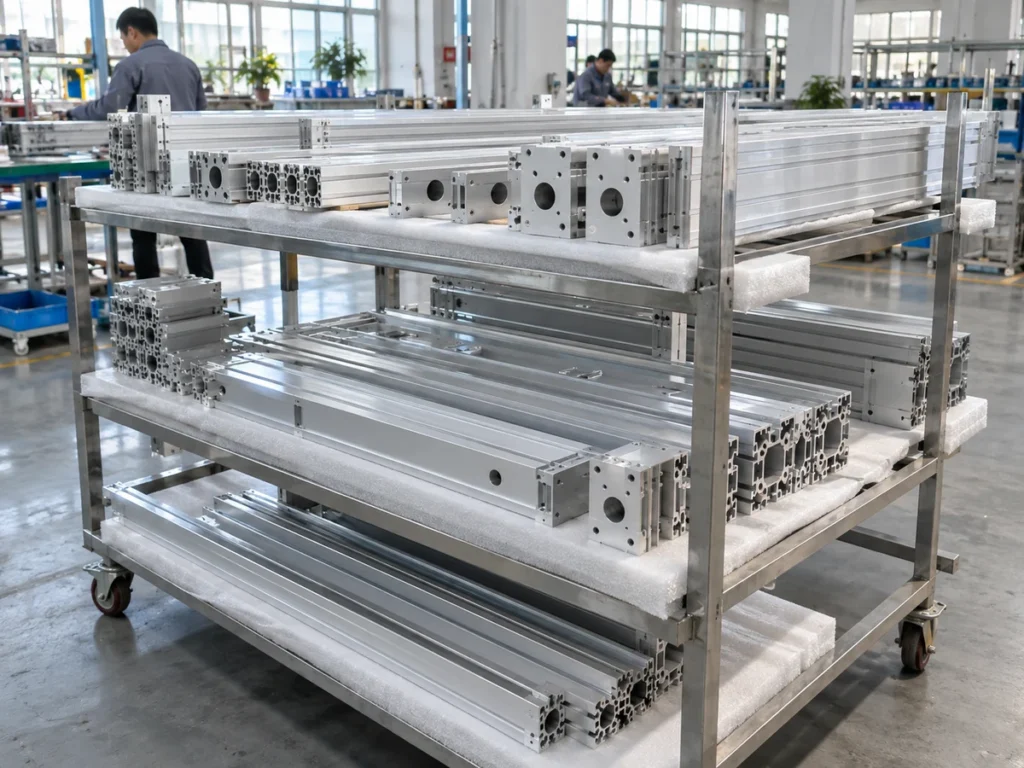
Send a comparison-ready inquiry
Provide the blank drawing, finished drawing where relevant, material requirement, proposed stock description, cut dimensions, quantity and required delivery stage. Attach the supplier product reference when comparing named stock products. Identify the fields still awaiting approval.
Contact JiurunCut for a cutting review of the actual incoming material. Ask which proposed work the machine or supply scope includes. Width cutting, later machining and material procurement should each have a confirmed owner where they apply.
A usable comparison keeps stock identity, dimensions and processing scope visible on the same page. The buyer can then compare like requirements and refer genuine alternatives for approval.
Buyer questions
Does every product called plate have the same manufacturing route?
Confirm the specific product description. The Hydro brochure above is a concrete example of a named “Plate” product described as extruded bar.
Can matching nominal dimensions establish interchangeability?
No. Check the required stock identity, material condition, applicable dimensions and included processing against the controlled requirement.
Which stock form is cheaper for my part?
Compare confirmed quotations for the same acceptable delivered stage. Include the work needed to reach that stage; this guide provides no universal price ranking.
Can the blank photo replace the supplier’s material description?
No. Use the actual stock reference and required records. A photograph can show shape or handling context without proving the product form or material condition.