
6061-T6 vs T651 vs T6511 is a material-condition comparison, not a ranking of finished-part quality. The longer designations carry information that can disappear when a quotation is shortened to “6061-T6.” Buyers should preserve the complete requested condition and the product form when comparing offers.
Three checks make the comparison useful: read the full temper, identify the stock product, and define acceptance at the supplied stage. A saw-cut blank still needs its own dimensional requirements. The material designation alone does not approve the subsequent machining, finishing or assembly.
What to keep on the purchase order
- The complete alloy and temper, without silently dropping suffixes.
- The product form and applicable material specification.
- The drawing revision and requirements for the supplied blank.
On this page
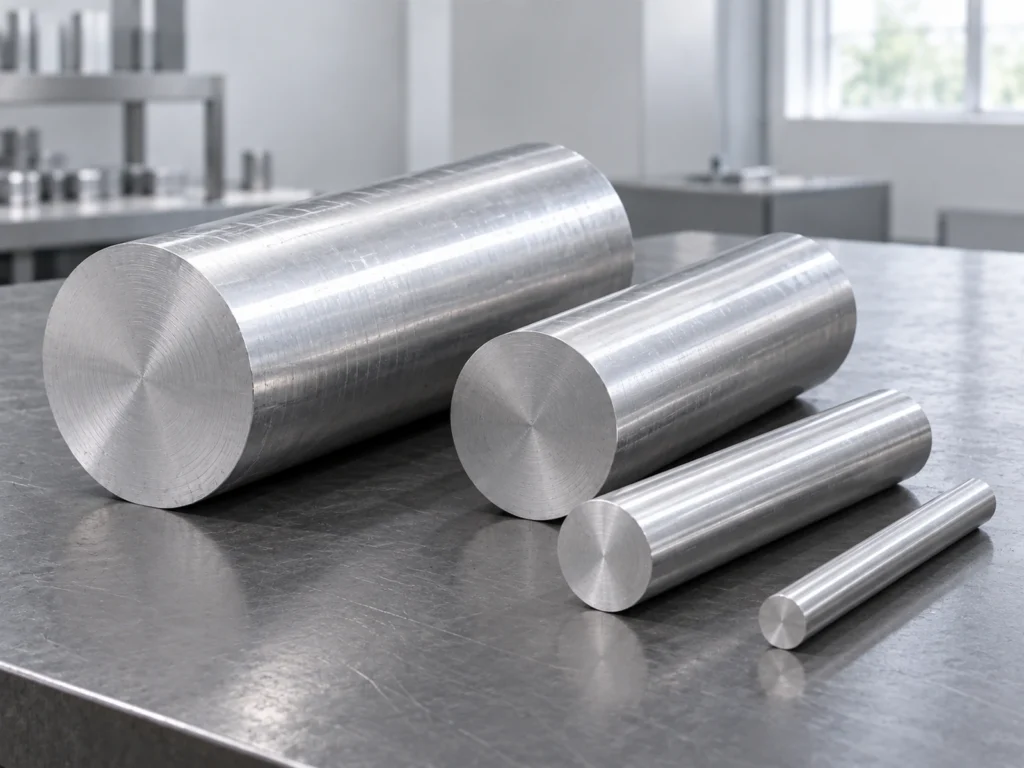
6061-T6 vs T651 vs T6511: read the complete condition
Hydro’s 6061-T6 overview describes T6 as solution heat treated and artificially aged. It describes T6511 as including stress relief by stretching. That additional information should remain visible in the material record.
The delivery-condition section of BIKAR’s 6061 data sheet distinguishes T651, T6510 and T6511. The following summary explains the suffixes; the purchase specification must define what applies to the actual product.
| Designation | Condition information in the referenced sheet |
|---|---|
| T6 | Solution heat treatment and artificial aging. |
| T651 | Controlled stretching for stress relief and artificial aging after solution heat treatment; no subsequent straightening. |
| T6510 | Stretch stress relief for the identified extrusion or drawn-tube product forms; no subsequent straightening. |
| T6511 | As T6510, with minor subsequent straightening permitted to meet specified dimensional limits. |
The extra row for T6510 makes the final digit easier to understand. Keep the full designation rather than treating T651 and T6511 as interchangeable abbreviations.
Check 1: Preserve the full material condition
Start with the controlled drawing or material requirement. Copy the complete alloy and temper into the quotation request. If a document uses shorthand, ask the requirement owner to confirm the intended designation before the supplier fills the gap.
Compare that request with the offer and proposed material documentation. Highlight a missing or changed suffix as a specific question. “6061 available” answers the alloy field only; it does not close the complete condition field.
A useful quotation response identifies the offered material and any difference from the request. Keep an approved substitution as a recorded decision, including the affected part and revision. Avoid accepting a change simply because the shorter name appears familiar.
For the broader distinction between hot-working and heat-treatment condition designations, see our T5 versus T6 guide. This comparison focuses on the additional stress-relief and straightening information carried by the longer suffixes.
Check 2: Match the condition to the product form
Identify whether the offered stock is plate, extruded bar, a profile or another specified product. Do not let a rectangular outline become the entire material description. A cut strip and an extruded rectangular bar can be described with similar outside dimensions while the purchasing documents describe different products.
Kaiser’s general engineering plate brochure provides a real product example that lists 6061-T651 plate. It is a supplier-specific product listing, not a rule that every 6061 item is available in that condition or a recommendation for your component.
For each offer, record the stated product form and the proposed governing specification. Ask the supplier to confirm the full offered condition for that form. If two quotations differ, send the difference to the responsible reviewer instead of comparing only the material price.
Keep the section size, stock length and supplied piece size in separate fields. The material identity describes what is supplied; the cutting requirement describes the geometry of each delivered blank. Both need to be complete before the quotation can be treated as comparable.
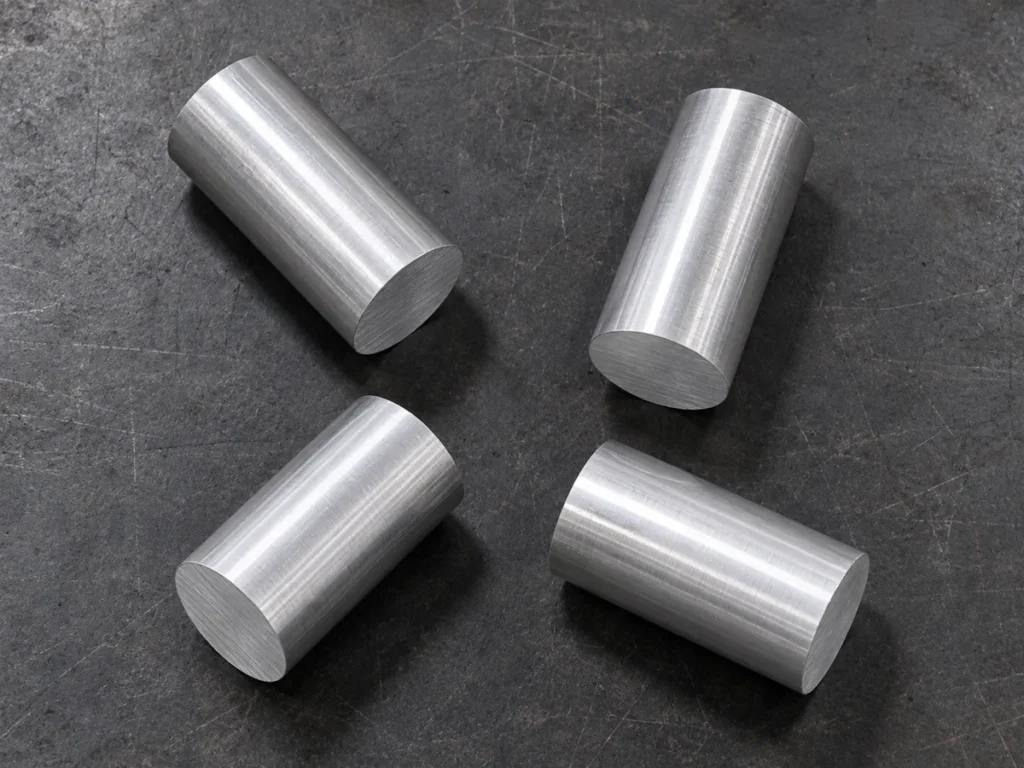
Check 3: Define acceptance at the supplied stage
State whether the order covers stock, cut blanks or finished components. List the dimensions and inspection requirements that apply to that stage. A confirmed material condition should not be used to fill an unrelated final-part inspection field.
If later machining matters to the purchase decision, share the planned part drawing with the responsible manufacturing team. Ask that team to identify the blank requirements and the evidence needed for the later stage. Keep any proposed allowance or process decision separate from the temper label.
Hydro discusses stretching in connection with reducing the possibility of machining distortion. For procurement, this is a reason to retain the material-condition information, not a numerical promise of final flatness. Establish your actual geometric acceptance on the controlled part requirements.
Use the appropriate material specification and documentation to review properties. Do not turn a typical catalog value into a universal acceptance limit for every product form and thickness. Our yield and tensile strength guide explains how to keep property names and acceptance evidence clear.
Three fictional quotation lines
Imagine a fictional cutting request for part B18, revision D. The request identifies 6061-T6511 extruded bar and 80 cut blanks. No actual supplier prices or material test results are used in this example.
Offer A: “6061-T6 bar, 80 pieces”
The alloy and quantity are visible, but the offered temper wording differs from the request. Ask whether the line was shortened or a different condition is proposed. Obtain a corrected offer or an approved change before closing the material review.
Offer B: “6061-T651 plate strips, 80 pieces”
This line changes the stated condition and product form. Matching outside blank dimensions would not remove those differences from the purchasing record. Send both changes to the responsible reviewer, along with the proposed specification and documentation.
Offer C: “6061-T6511 extruded bar, 80 cut blanks”
This line matches the example’s identity fields. It still leaves dimensional acceptance, document linkage and the supplied-stage inspection to check. Matching the designation is one completed review item, not approval of the whole shipment.
A clear comparison sheet should show each open question beside its owner. Do not mark all three offers equivalent because they share the number 6061. That would hide the very information the comparison is meant to preserve.
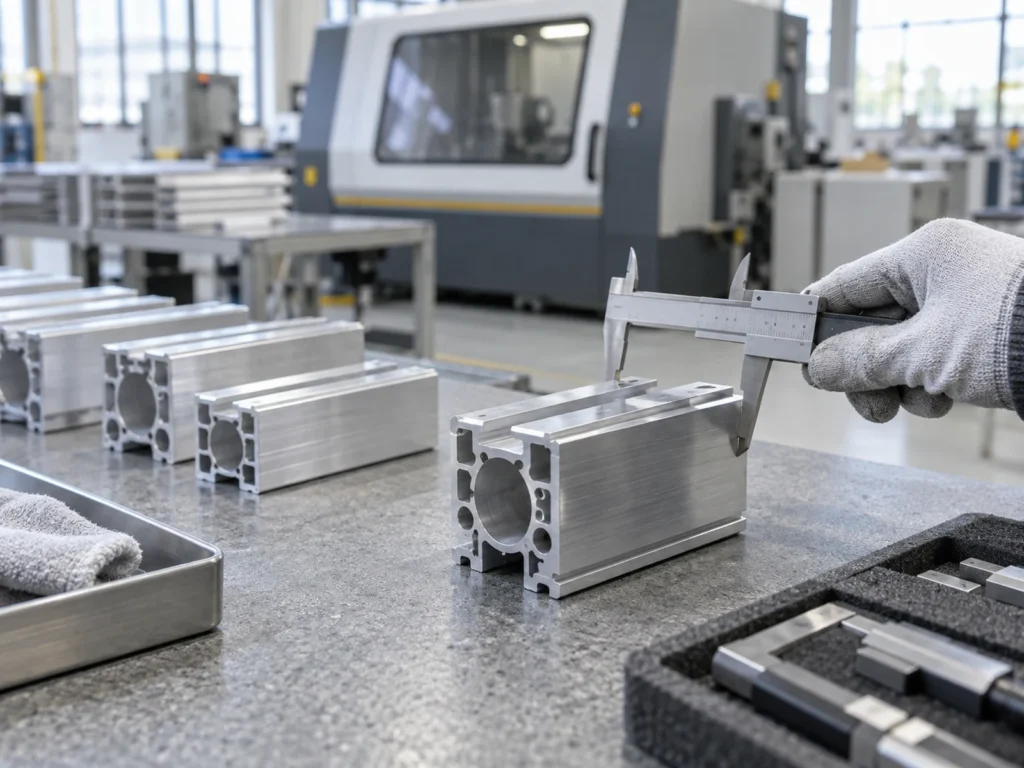
Keep the condition through the cutting handoff
Link the received stock identity to the cutting job and delivered blanks. Keep the relevant material document reference with the part number and drawing revision. Where the agreed plan requires lot separation, preserve that separation in the labels and records.
When a stock substitution is proposed during production, return the changed identity for approval before using it on the affected job. Update the cutting record after approval. An operator’s note should not silently replace the controlled material requirement.
Our material-certificate review guide covers the link between documents and supplied stock. For a JiurunCut cutting review, send the section drawing, complete material condition, lengths and quantity through the contact page. Include the requirements for the next manufacturing stage.
Ask for the proposed scope to be stated clearly. The cutting review does not itself certify a material producer’s heat-treatment process or approve the final application. Keep those decisions with the designated material and design owners.
Buyer questions
Can T6511 be shortened to T6 on the purchase order?
Preserve the complete approved condition. If the supplier uses shorthand, obtain confirmation of the actual offered designation rather than changing the controlled order to match the shorthand.
Does T6511 mean the finished part has passed inspection?
No. Review the material identity and the supplied-part acceptance separately. Ask for the agreed dimensional records at the actual stage being released.
Can a photo identify the temper?
No. Use the linked material documentation and the agreed receiving checks. The generic photographs in this article show stock and inspection concepts, not evidence of a specific condition.
Is there one best temper for every cut aluminum part?
Use the approved material requirement for the part and its product form. A buying comparison should clarify differences and approvals rather than replace the designer’s material selection.