
Aluminum tensile vs yield strength compares two different material properties. Ultimate tensile strength identifies the maximum tensile stress sustained in a tensile test. Yield strength concerns permanent deformation, with the reported definition depending on the material and test method. Neither value is a finished frame’s approved load rating.
For a buyer ordering aluminum stock or cut parts, the practical task is to compare the correct columns in the correct specification. A larger number under a different property heading does not show that an offer meets your requirement.
Keep three questions separate
- Which property does the number describe?
- Is it a specified limit, typical value or reported test result?
- What evidence connects that number to the supplied material?
On this page
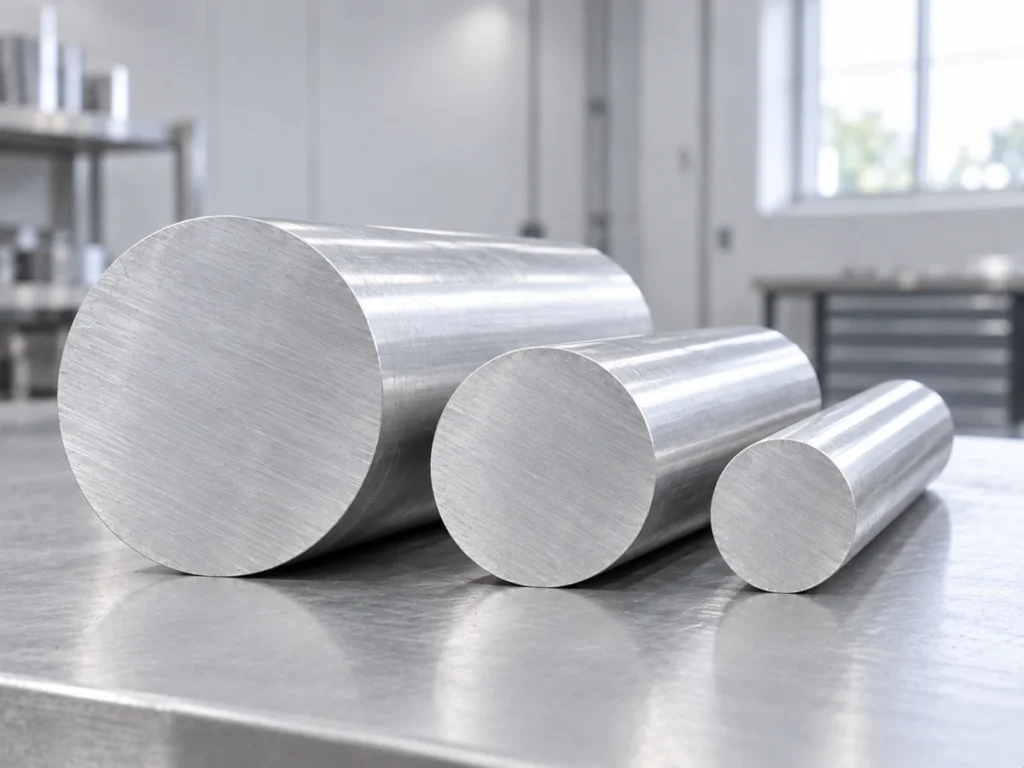
Aluminum tensile vs yield strength: read the property names first
Instron’s guide to metallic-material tensile testing distinguishes yield behavior from tensile strength. It describes tensile strength as the maximum sustained force or stress during the test and explains that yielding can be reported using different methods depending on the material’s behavior.
When comparing strength properties in a material table, use the stress values and their units. MPa is a stress unit; a force reading expressed in N or kN is a different quantity. Do not copy a testing machine’s force-capacity rating into a material-strength field.
| Property field | What the buyer needs to identify |
|---|---|
| Ultimate tensile strength | The maximum tensile stress reported or specified for the material. |
| Yield or proof strength | The stated yielding definition, including an offset when specified. |
| Elongation | A separate deformation result with its stated measurement basis. |
A material sheet may abbreviate these fields. Match the abbreviation to its legend instead of relying on the column position. Keep the whole heading when transferring values into a purchasing comparison.
Also preserve the units. If offers use different unit systems, convert them consistently before reviewing the values. A plain number with “strength” written beside it is an incomplete requirement.
Mix-up 1: comparing a tensile value with a yield requirement
Start with the requirement’s exact property name. If the drawing or material specification requires a minimum yield value, a supplier’s ultimate tensile figure does not answer that requirement. Both values can appear on the same row, which makes a rushed comparison easy to misread.
Hydro’s 6005A data sheet provides separate columns for minimum ultimate tensile strength and minimum yield strength at a 0.2% offset. It also lists elongation separately. The column labels carry information that the numbers alone cannot provide.
Record the required property in the RFQ, including its reporting definition. If a supplier says only “high strength,” ask for the specific property and applicable material document. That marketing description cannot replace a controlled acceptance requirement.
Do not assume that elongation, hardness or section thickness can substitute for the missing yield value. They describe other characteristics. The responsible engineer or material specification should determine which properties the application requires.
Mix-up 2: treating different evidence as equivalent
A typical catalog value, a specified minimum and an actual reported result are not interchangeable. Label the type of each value before comparing offers. The distinction matters even when the property name and units match.
Then identify the applicable material condition. Carry the full alloy and temper, product form and relevant dimensional scope into the comparison. A row selected for a different condition is not automatically valid for the part you intend to buy.
Hydro’s data sheet notes that the cross-section thickness from which the tension specimen is taken determines the applicable mechanical properties. This is a useful reminder to read the row conditions and footnotes together. Do not select a value only because the alloy name looks familiar.
When a report is required, agree its connection to the supplied stock. Record the material or batch reference, document identity and relevant result fields. A copied catalog page may explain a product family, but it is not itself a test report for the delivered batch.
For the designation side of the review, see our T5 vs T6 buying guide. It explains why the complete temper label needs to remain intact. It does not authorize material substitutions.
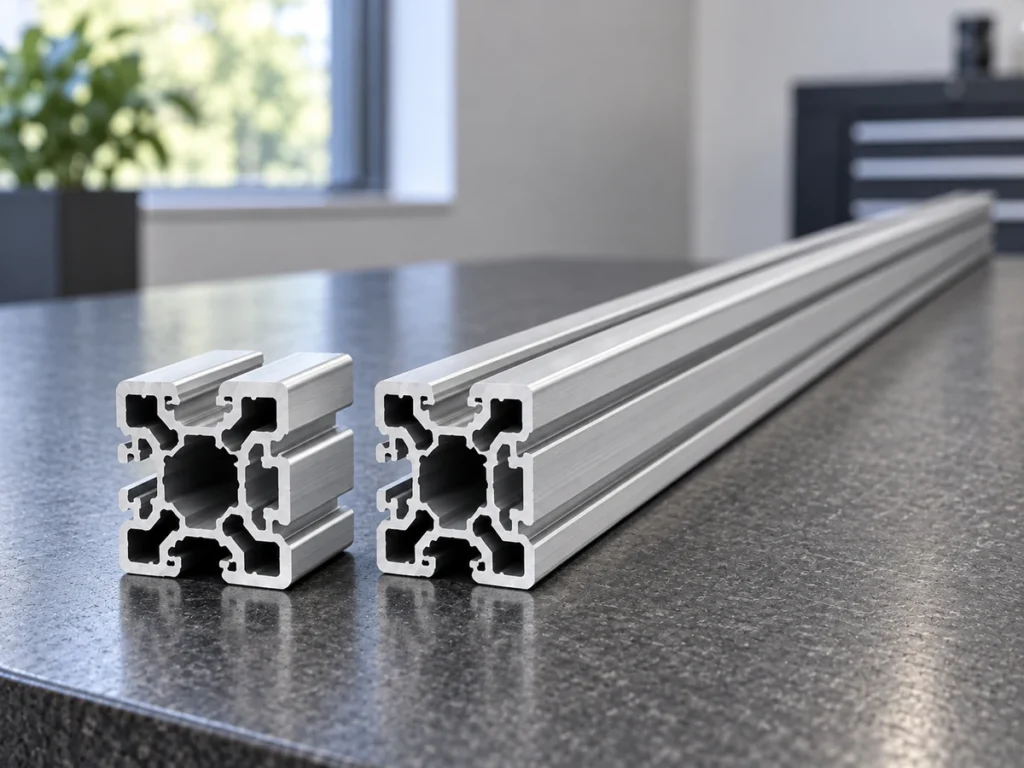
Mix-up 3: turning a material property into a finished-part approval
A tensile-test result belongs to the tested material and its stated conditions. It does not by itself approve a finished member, bracket joint or assembled frame for service.
The application owner must evaluate the actual geometry, connections and operating requirements. A buyer should not derive a frame load rating by multiplying an isolated catalog strength figure by a visible profile area. That shortcut leaves the assembly’s other requirements unresolved.
Keep material-property evidence separate from dimensional inspection. A caliper, square or cut-length check can help evaluate specified geometry. Those tools do not measure tensile or yield strength. The reverse is also true: a material report does not confirm that every cut part has the correct length or hole position.
Likewise, a stock strength value does not specify a saw’s operating settings. Machine selection and cutting review still require the actual section, material condition, intended lengths and handling needs. Do not infer approved blade speed or feed from one strength column.
For frame geometry, our profile moment of inertia guide explains another set of distinct catalog fields. Section properties and material properties answer different questions.
Work through a fictional quote comparison
Imagine an RFQ requires a minimum yield strength of 200 MPa for a defined material condition. Offer A supplies only an ultimate tensile value of 250 MPa. Offer B reports a yield result of 210 MPa but omits the stock reference. These figures are fictional and are not actual material limits or test results.
Offer A has provided the wrong property for this requirement. The fact that 250 is larger than 200 does not make the comparison valid. Request the yield information under the applicable specification before deciding whether the offer meets the requirement.
Offer B provides the relevant property name, but its result still needs a documented connection to the offered stock and the required reporting basis. A number in the right column is not enough when the supporting identity is missing.
The buyer therefore asks two different follow-up questions: “What is the required yield property for Offer A?” and “Which material and report does Offer B’s result identify?” This resolves the actual gaps without guessing that either offer is equivalent.
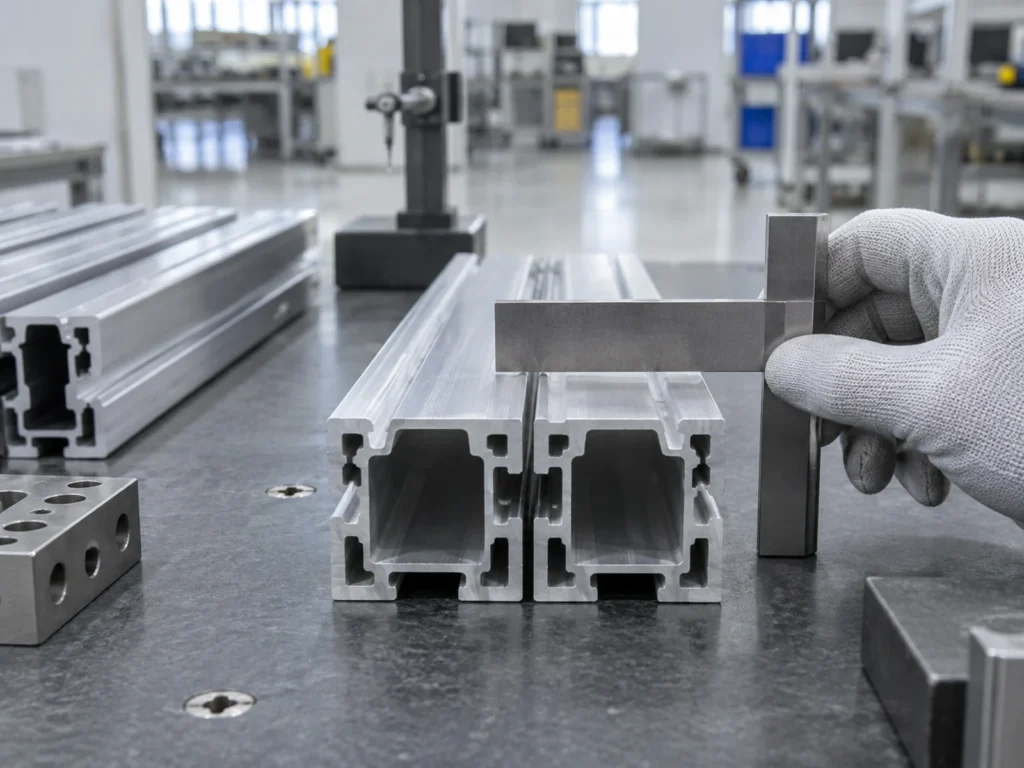
Carry the agreed identity into the cutting order
Once the material is approved, put the complete designation and document reference on the cutting order. Keep them linked to the raw stock, planned cut parts and any retained remnants. Mixing visually similar stock can undo an otherwise clear purchasing review.
- Approved alloy, temper, product form and governing material document.
- Required property names, units, limits and reporting definitions.
- Required records and their connection to the supplied stock.
- Part drawing revision, cut quantities and delivered-stage requirements.
- Owner of material substitutions and unresolved acceptance decisions.
Use a separate release decision for any proposed substitute. Similar dimensions, a higher tensile number or a matching finish do not authorize a change to the approved material condition. Our material certificate review guide covers document identity and delivery references.
Buyer questions
Is tensile strength the same as yield strength?
No. They identify different tensile-test properties. Preserve the full heading and stated test definition when comparing values.
Can I identify an aluminum alloy’s strength from a photo?
No. A photograph may show the section or surface, but it does not establish the full material designation or a reported tensile-test result.
Does a stronger material guarantee a better cut part?
A strength value does not establish dimensional accuracy, surface condition or application suitability. Evaluate the required material and part features separately.
What should I provide for a cutting-machine review?
Provide the approved material designation, section drawing, intended cut lengths and quantities. Include the delivery and inspection requirements that affect the cutting stage. Send your cutting requirements so the equipment discussion is grounded in the actual order.