
Seamless vs structural aluminum tube is a manufacturing-route question as well as a stock description. Two tubes can look similar and still need different procurement approval. Confirm the specified route, material, dimensions and intended use before cutting a substitute into finished pieces.
The cutting review then follows the approved stock into the saw and the next operation. A clean cut end can help inspect dimensions and edge condition, but it does not identify how the original tube was produced. Four checks keep the material decision connected to the cutting handover.
Keep three decisions visible
- Which manufacturing route the approved material requires.
- Which dimensions, condition and records identify the supplied tube.
- Which cutting and later-operation requirements apply to that stock.
On this page
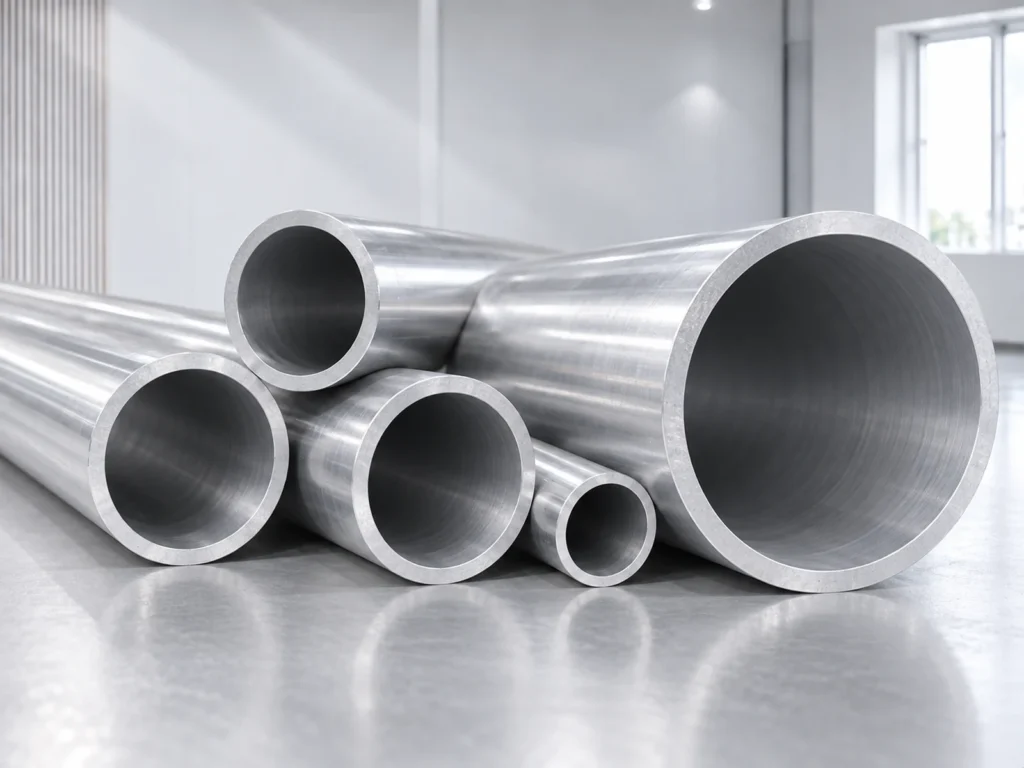
Manufacturing routes in seamless vs structural aluminum tube
Start with the stock supplier’s terminology and product documents. In Hydro’s tube explanation, its seamless extrusion routes use a die-and-mandrel press or a piercer press. The resulting tube has no weld seam.
Hydro describes its structural tube as made through a porthole or bridge die. Metal separates and rejoins within the extrusion process. The joining associated with that route is different from forming flat strip into a tube and welding its edges.
For that third route, Hydro’s welded-tube page describes forming aluminum strip and joining the edges by high-frequency welding. Ask which product route the supplier means when a quotation uses a broad word such as “welded.”
| Supplier description | Question for the stock review |
|---|---|
| Seamless extrusion | Is the specified seamless product identity documented? |
| Porthole or bridge-die extrusion | Is this manufacturing route approved for the intended part? |
| Strip-formed welded tube | Does the quoted product match the required material route? |
The table is a procurement prompt, not a product standard or an approval matrix. These route descriptions do not establish a particular tube’s load, pressure capability or suitability. Use the actual product specification and responsible design review for those decisions.
Check 1: confirm the purchased material identity
Put the required route in the purchase description when the design calls for it. Include the supplier’s product identity, alloy, temper, applicable specification and required records. A request for “aluminum tube” leaves the route unclear.
Ask the stock supplier to explain how its delivered identity relates to the order. Keep that identity visible through receiving, storage and cutting. If the documentation leaves the route uncertain, resolve it before treating the material as the specified tube.
Hydro notes that seamless and structural tube can be visually indistinguishable, with seam appearance potentially becoming noticeable after finishing. Consequently, a smooth-looking raw surface is not a reliable procurement approval for a seamless requirement. Request the supplier’s documented identity.
The material-certificate review can help connect the supplied records with the stock being cut. Select the required documentation for the actual order. The name of a certificate alone does not explain every manufacturing-route requirement.
Check 2: define the actual tube dimensions
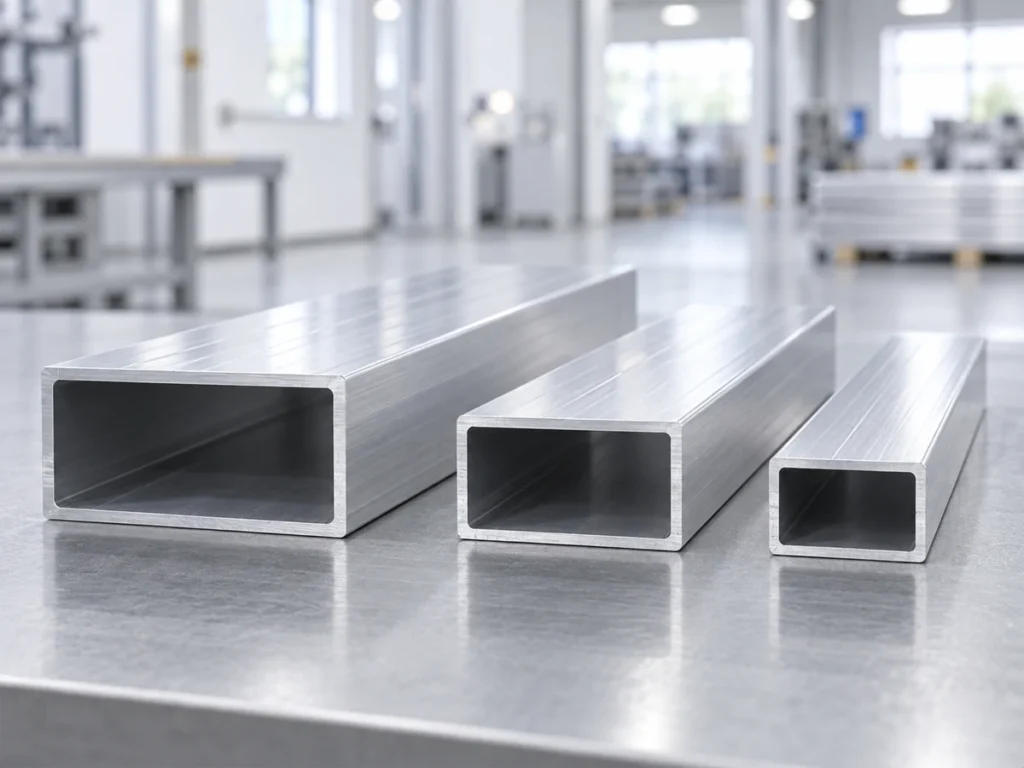
Keep the cross-section drawing with the material identity. For a round tube, name the outside diameter, inside diameter or wall requirement exactly as specified, with units and tolerances. For a rectangular tube, include the section dimensions and the relevant corner geometry.
A manufacturing-route label does not replace this information. A tube described as seamless still needs the required dimensional review. A tube described as structural still needs confirmation against its own supplied drawing and the finished-part requirements.
Distinguish stock dimensions from features created after cutting. A later bore, end preparation or mating feature may have a separate drawing requirement. Ask the downstream operation which stock dimensions and condition it needs to create those features.
Use the tube-dimension guide for the cross-section handover. Where the drawing includes additional shape requirements, retain their definitions and inspection method. Do not infer those requirements from nominal outside size.
Check 3: review the intended use and later operations
Tell the material supplier and responsible designer what happens to the tube after sawing. Include applicable forming, machining, joining and finishing requirements. Ask whether a proposed stock change needs a new application review.
Do not assign a pressure or structural rating from the word “seamless,” “structural” or “welded.” Those labels describe routes or product categories in the supplier’s documents. The actual application still needs the specified material and design approval.
If the project controls appearance after finishing, state that expectation in the inquiry. Ask the material and finishing suppliers how the proposed stock will be reviewed for the actual finish. The relevant evaluation should use the selected material and approved appearance requirements.
Keep the owner of each decision clear. Procurement can collect the documents; the stock supplier can identify the supplied product; the responsible engineering team can review its use. A saw-cut sample can support the cutting discussion without deciding the whole application’s suitability.
Check 4: prepare the cutting and receiving handover
Give the machine supplier the approved tube identity and representative stock. Include its actual section drawing, supplied lengths, finish condition and the cut-part drawing. Keep any unresolved material substitution outside the approved cutting setup.
Define the finished-length reference, cut angle and the agreed edge requirements. Explain which end features are produced later. The cutting proposal needs to address the tube that will actually enter the machine and the condition expected at handover.
Review feeding and clamping for the actual section through the supplier’s approved process. Do not prescribe a universal fixture or clamping setting from the route name. A demonstrated setup needs its own material, tube geometry and agreed evaluation.
Arrange a representative cutting review with the required length, end-face, edge and handling checks. Document the stock identity used in that review. The results apply to the stated evaluation and do not certify an unrelated tube supply.
Maintain the agreed lot or job identity after cutting. Where similar tubes are stored together, use the site’s identification process so a later operator can connect the pieces with the correct supplied records. Keep the receiving status visible when a material question remains unresolved.
A substitution request to clarify
Consider a fictional request: “The outside diameter and nominal wall match; can the other tube replace the specified stock?” No actual material batch or customer approval is implied. Matching two nominal dimensions leaves the route and several other identities unresolved.
First compare the complete product descriptions: route, alloy, temper, specification, dimensions and required records. Then send the differences to the responsible reviewer for the intended use and later operations. Record the outcome through the project’s change process.
If the substitution is approved, update the relevant purchasing and cutting documents before using the replacement. If it remains pending, preserve that status. A machine supplier’s ability to discuss cutting a section does not grant material substitution approval.
For a JiurunCut inquiry, send the actual tube drawing and cutting requirements. Identify the approved stock route and the later operations that depend on the cut part. Ask for review of the relevant machine configuration and representative material, without assuming a universal tube capacity or finished-part result.
Buyer questions about seamless and structural tube
Can a cut end prove that the tube is seamless?
A cut-end image does not establish the manufacturing route. Use the supplied product identity and required documentation, with the applicable material review.
Are porthole extrusion and strip-welded tube the same route?
No. The supplier descriptions above distinguish rejoining metal during extrusion from forming strip and welding its edges. Confirm the route of the actual quoted product.
Does matching outside diameter approve a replacement?
No. Compare the full material and dimensional requirements and obtain the project’s required application review before treating the new stock as an approved substitute.