
Bundle cutting aluminum profiles means cutting several profiles together in one saw pass. Confirm the number, section, orientation, holding method and collection scope. A “bundle loader” in an offer does not, by its name alone, confirm that the blade cuts several profiles at once.
The useful question is what the proposed configuration delivers for your actual batch. These five checks connect the arrangement to the part result and accepted output.
Five bundle-cutting checks
1. Clarify what bundle cutting aluminum profiles includes
Ask whether the proposal loads stock from a bundle, presents several profiles together to the blade, or offers both functions. Have the supplier describe the actual sequence and equipment.
Manufacturer terminology shows why the distinction deserves attention. HE&M Saw lists bundle-loader options, while Keensaw’s profile-saw description refers to bundle/stack cutting. Review the scope of each stated feature instead of treating the two labels as identical.
For your offer, identify the supported arrangement and the accessories included. Keep the raw-material loading function separate from the number of profiles cut during the agreed production cycle.
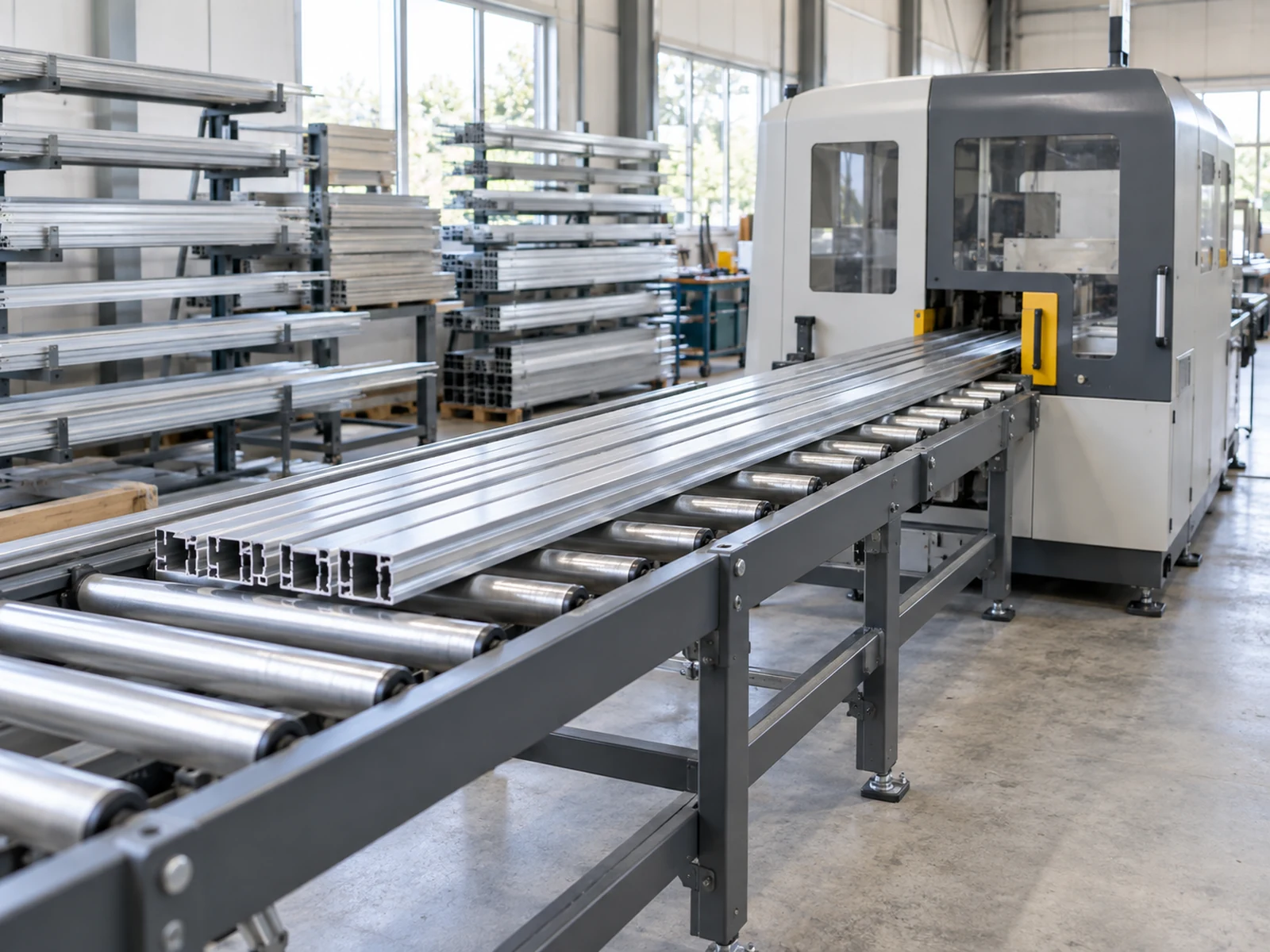
Ask for a configuration-specific answer
A statement that a machine can cut profiles does not define which combined arrangement it supports. Send the section drawing and proposed layout of the profiles so the supplier can review the actual job.
Include the finished lengths, end requirements and typical quantities. If the order includes several section families, identify them separately instead of presenting only the easiest bundle.
2. Identify every profile and its position
Make a simple arrangement sketch. Number the profiles and show their orientation relative to the agreed locating faces. Include the material, temper, finish and stock identity used for the trial.
For bundle cutting aluminum profiles, the combined outside envelope is only one review input. The supplier also needs the actual section geometry and how the profiles sit within that arrangement.
State whether the proposed job uses identical sections and lengths. If it mixes materials, sections or stock conditions, ask the supplier to review that combination specifically before a trial is planned.
Preserve the arrangement in the trial record
Keep the sketch with the tested configuration. If a profile is rotated, removed or replaced by another section, note the change and review its effect on the agreed setup.
This makes the result checkable later. A photograph can help show the arrangement, but the controlled drawing and written configuration should identify what was actually reviewed.
3. Review support, locating and holding together
Ask how the offered fixture locates and holds each profile throughout the approved cycle. Review the contact surfaces, support arrangement and the collection method with the supplier.
Include thin features, hollow spaces and visible finished surfaces in the discussion. Have the supplier confirm the appropriate fixture and setup procedure for the proposed combined arrangement.
Do not infer a suitable blade, feed setting or clamp condition from the envelope alone. Those choices belong to the manufacturer’s review of the actual material and geometry.
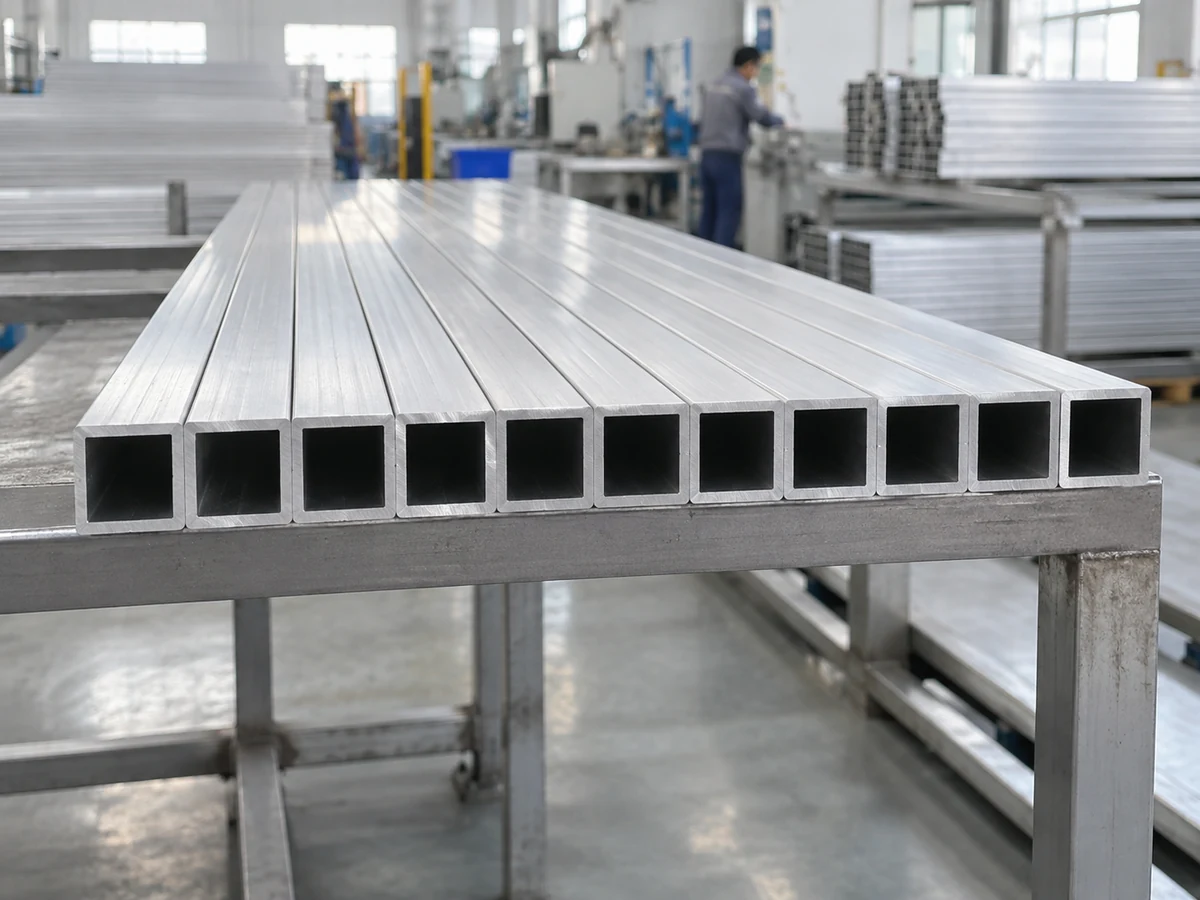
Include material handoffs
Show how stock reaches the setup and how separated pieces reach their normal collection point. Record any handling or collection equipment that belongs in the offer.
Where the parts have visible finishes, review their condition after the normal cycle and handoff. If a mark appears, record the affected surface and the stage where it became visible.
4. Keep part results linked to each position
Define the length reference, end geometry, edge condition and other acceptance requirements from the drawing and quality plan. Agree how the trial observations will be recorded.
Keep the profile-position identity while the representative parts are checked. This lets the supplier and quality team review whether a concern appears in one position or across the arrangement.
An overall average can hide that distinction. Keep the relevant individual results and the associated acceptance decision rather than reporting only one number for the group.
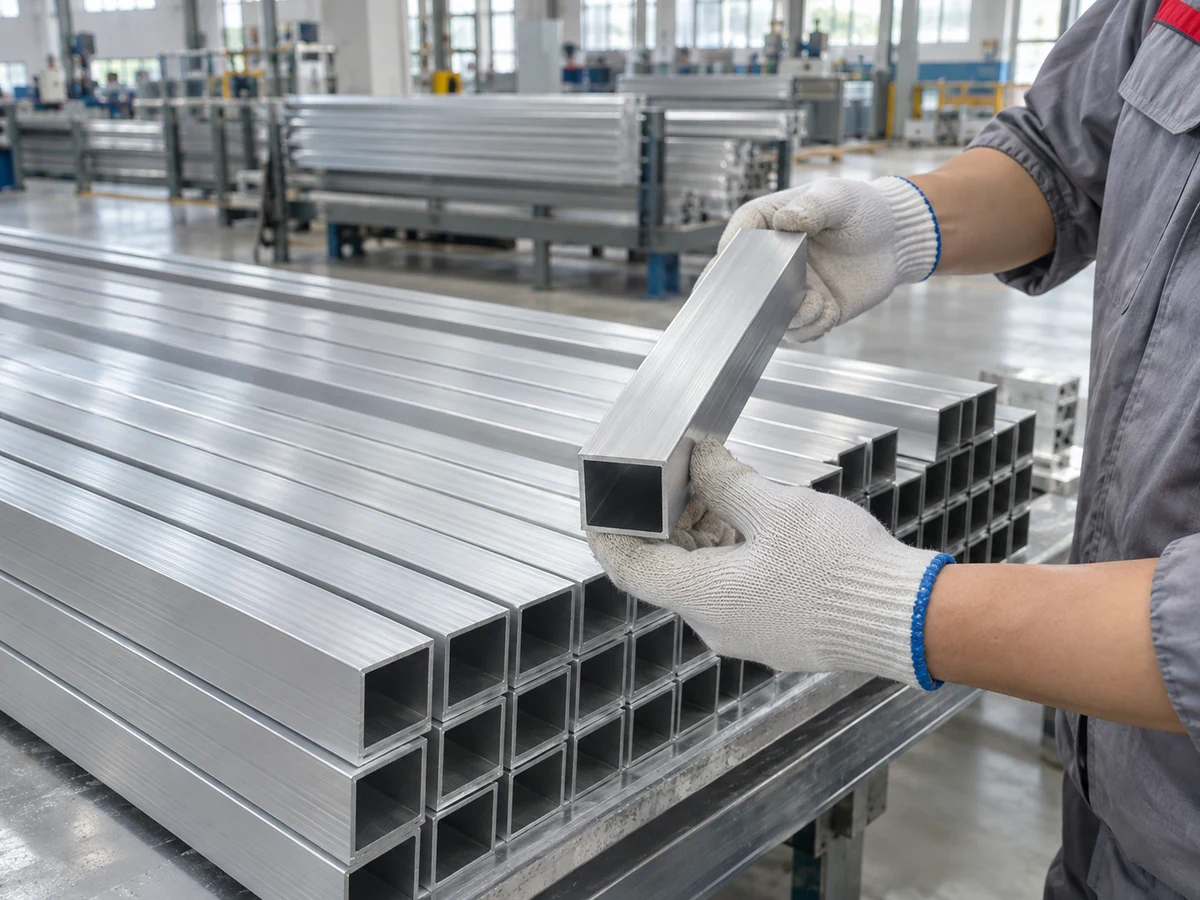
Review changes before widening the job scope
A successful trial remains tied to its sections, arrangement, fixture and checking method. Review a change in bundle size, profile family or surface finish before applying that result to another job.
Use the sample-trial checklist to keep the setup and acceptance scope clear. The supplier’s approved procedure governs operation and access to the cutting cell.
5. Count pieces and accepted output separately from cycles
For bundle cutting aluminum profiles, confirm how the machine’s counter is defined. It may represent a cycle or another programmed unit. The production record should also show the actual pieces delivered.
An invented counting example
Assume a reviewed arrangement presents three profiles together, and each production cut delivers one finished piece from each profile. Twenty such production cuts would create a nominal total of 60 pieces.
This example excludes front preparation and assumes all three profiles are present for each counted production cut. It is a counting illustration, not a machine-capacity or speed claim.
If 58 of those pieces have been checked and accepted while two remain unchecked, report 58 accepted and two awaiting inspection. Do not count the unchecked pieces as either accepted output or confirmed rejects.
Use the same time boundary for the complete batch when comparing this route with another. Include setup, loading, collection and the agreed inspection stages, as well as the cutting cycles.
| Trial record | Keep clearly defined |
|---|---|
| Arrangement | Profile identities, positions and quantity |
| Setup | Offered fixture, handling and procedure reference |
| Checks | Part results by relevant position |
| Counts | Cycles, actual pieces and inspection status |
| Time | Included batch stages and observations |
Watch a Jiurun machinery demonstration
The video below is from the Jiurun Machinery channel. Use it to introduce the equipment discussion, then request confirmation of the arrangement for your own parts. A demonstration clip does not establish your batch’s measured quality or output.
Watch the Jiurun Machinery video on YouTube.
Prepare your simultaneous-cutting inquiry
Send the section drawing, proposed arrangement sketch, finished lengths, material information and typical quantities. Describe the required collection condition and acceptance checks.
JiurunCut can review your proposed arrangement for bundle cutting aluminum profiles and discuss a representative trial. For the broader job sheet, see the cutting-list guide. Review My Multi-Profile Arrangement →
References and scope
Terminology references: HE&M Saw, CNC Aluminum Saws and Keensaw, 455NC profile saw. Their product features are not JiurunCut specifications. The counting example is invented and images are illustrative.