
A useful aluminum cutting machine RFQ gives every supplier the same parts, production requirements and acceptance criteria. Ask each quotation to distinguish the base saw from fixtures, feeding, collection and support. These five checks help you compare what is actually included before comparing price.
Three things to remember
- Use one controlled drawing and cutting-list revision for every supplier.
- Separate required functions from optional upgrades.
- Compare the complete installed workflow and acceptance plan.
On this page
1. Define the parts in your aluminum cutting machine RFQ
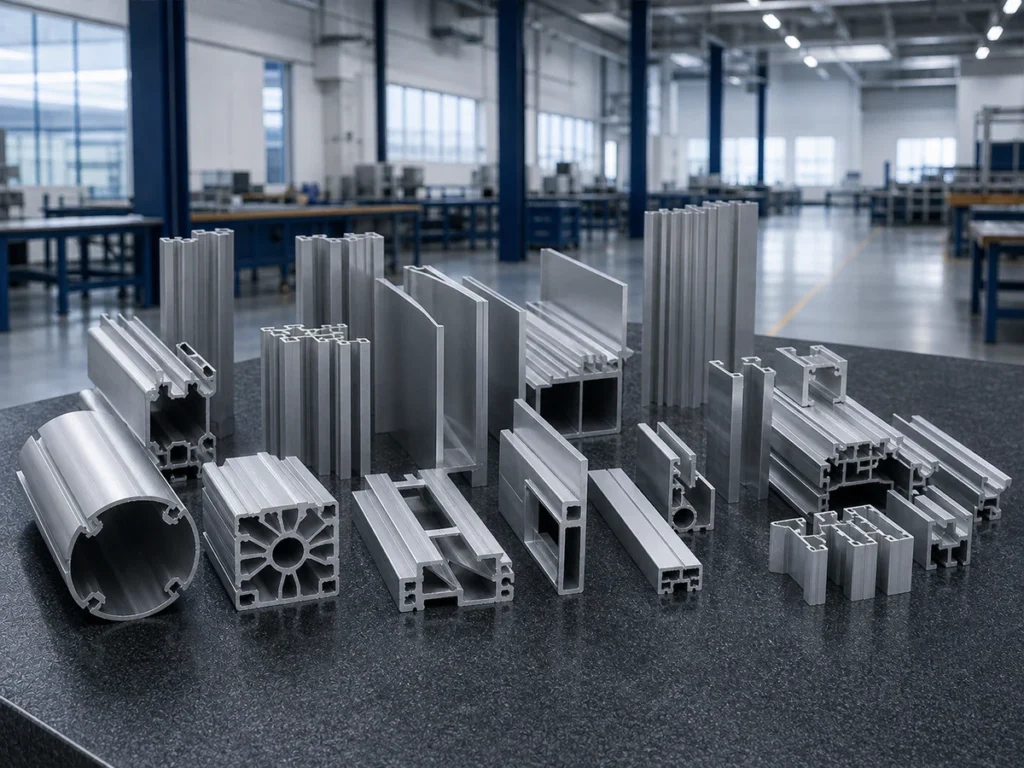
List each profile family, its cross-section drawing, material designation if known, incoming stock length and finished lengths. Include straight and angled cuts, mirrored parts, critical surfaces and quantity by part.
If a detail is not yet fixed, state that explicitly. A supplier can identify what must be confirmed before specifying a fixture or making an accuracy commitment.
- Part and drawing numbers with revisions
- Stock length and finished-part range
- Angle, datum and visible-face notes
Compare like for like. Create one row for each requirement and one column for each supplier. Mark the response as included, optional, excluded or unconfirmed. In your aluminum cutting machine RFQ, keep a basic machine price separate from a complete cutting cell price. Ask for clarification wherever a quote leaves the fixture, support or acceptance method unspecified.
2. Describe a typical production shift
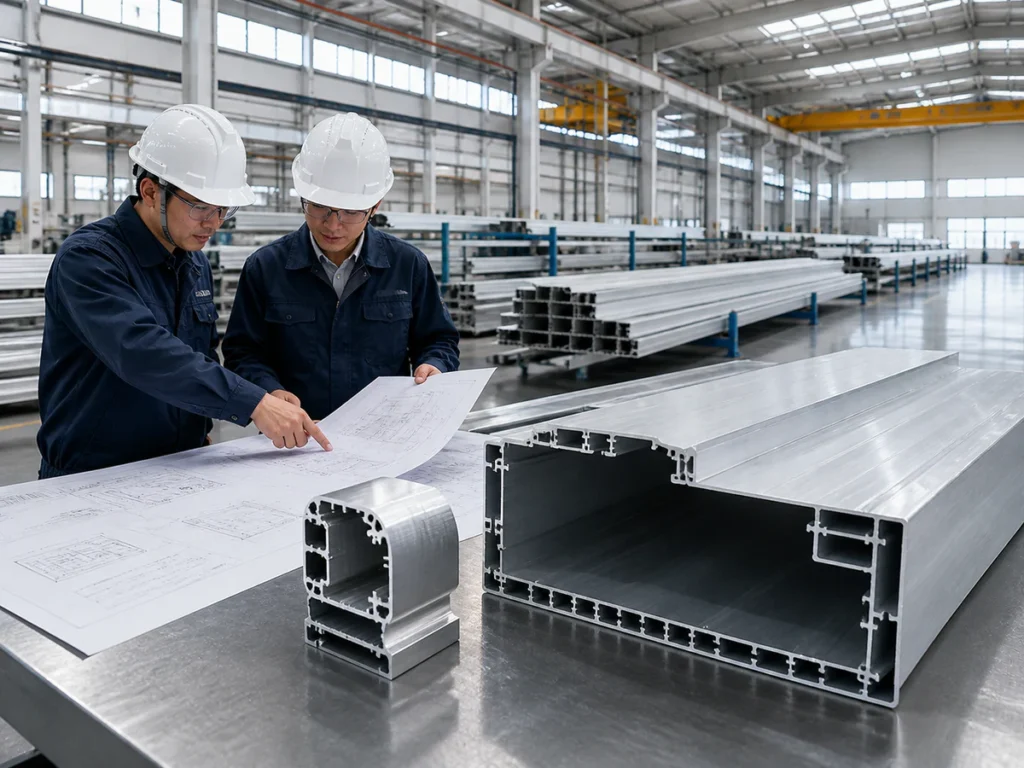
Annual volume does not show how the line runs. Give a typical batch size, peak batch, shift pattern and frequency of profile changes. Note whether the saw feeds another machine or produces labeled kits for assembly.
Ask the supplier to explain operator actions and how each quoted setup fits the available floor area and material flow. This helps compare automation levels on the same assumptions.
- Batch size and mix
- Loading and unloading arrangement
- Space, power and integration information available
3. Agree acceptance and evidence
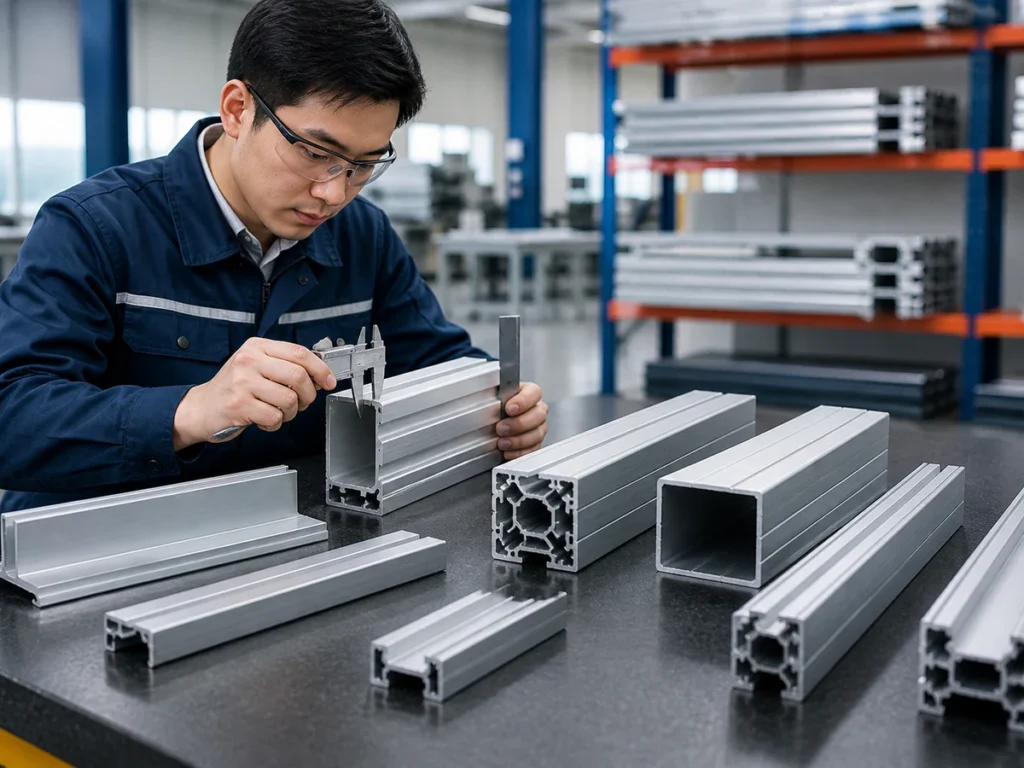
State the finished-part checks that matter: length from a defined datum, angle, cut-face condition, burrs, visible-surface marks and assembly fit. Specify any sampling plan you already use.
Request a sample-cutting or factory acceptance plan tied to those requirements. A broad promise of high precision is not a substitute for a documented measurement method.
Part package
Information to send: Drawings, stock and finished-part list
Question to ask: Which requirement is not yet confirmed?
Production package
Information to send: Batches, shift and material flow
Question to ask: What operator work remains?
Commercial package
Information to send: Fixtures, supports, service and acceptance
Question to ask: What is included, excluded or optional?
4. Make the commercial scope explicit
Ask suppliers to price the base machine, required fixtures, infeed and outfeed supports, collection, spare items, installation, training and after-sales terms separately where practical.
Confirm whether catalog capacities refer to the same model and setup being quoted. Avoid comparing one supplier’s bare machine price against another supplier’s complete cell.
- Included versus optional equipment
- Delivery and commissioning responsibilities
- Documentation, support and warranty scope
5. Keep one controlled comparison record
Send the same file version to every supplier and record clarifications in one comparison sheet. If the design changes, update the revision and ask for the impact on price, schedule and acceptance.
The cutting-list guide helps organize the part data. The price page explains why a useful quotation depends on configuration and project information.
Common questions
Can I ask for a price with only a photo?
Yes, it can start a discussion. A dependable configuration and quote will require dimensions and production requirements.
Should all suppliers receive the same files?
Yes. Keep revisions and assumptions consistent so differences in the quotes reflect equipment and scope, not different inputs.
Is the lowest initial quote the lowest project cost?
Not necessarily. Compare included equipment, operator work, support, installation and acceptance before deciding.
Discuss your cutting requirements
Send your aluminum cutting machine RFQ with the current drawings, cutting list and production mix. Mark any open dimensions or site constraints. JiurunCut can review the requirements and identify which machine, fixtures and handling equipment need to be included in the quotation.
For machine operation examples, browse the Jiurun machinery video channel. Use a trial with your own part to confirm the proposed setup.
References and scope
This is an RFQ planning guide. It does not publish model prices, guaranteed lead times or contractual terms. Recommendations require a review of your drawing, sample and production requirements.