
TAIL-WASTE REDUCTION & CUT-LIST PLANNING
Zero-Tail Aluminum Cutting Machine for Lower Material Waste
Reduce avoidable remnant material by coordinating stock length, feeding, clamping and the cutting plan around the real production list.
Send stock lengths, finished lengths, quantities, profile value and current remnant data. JiurunCut engineers will calculate a project-specific material-saving case without promising an unverified universal tail length.
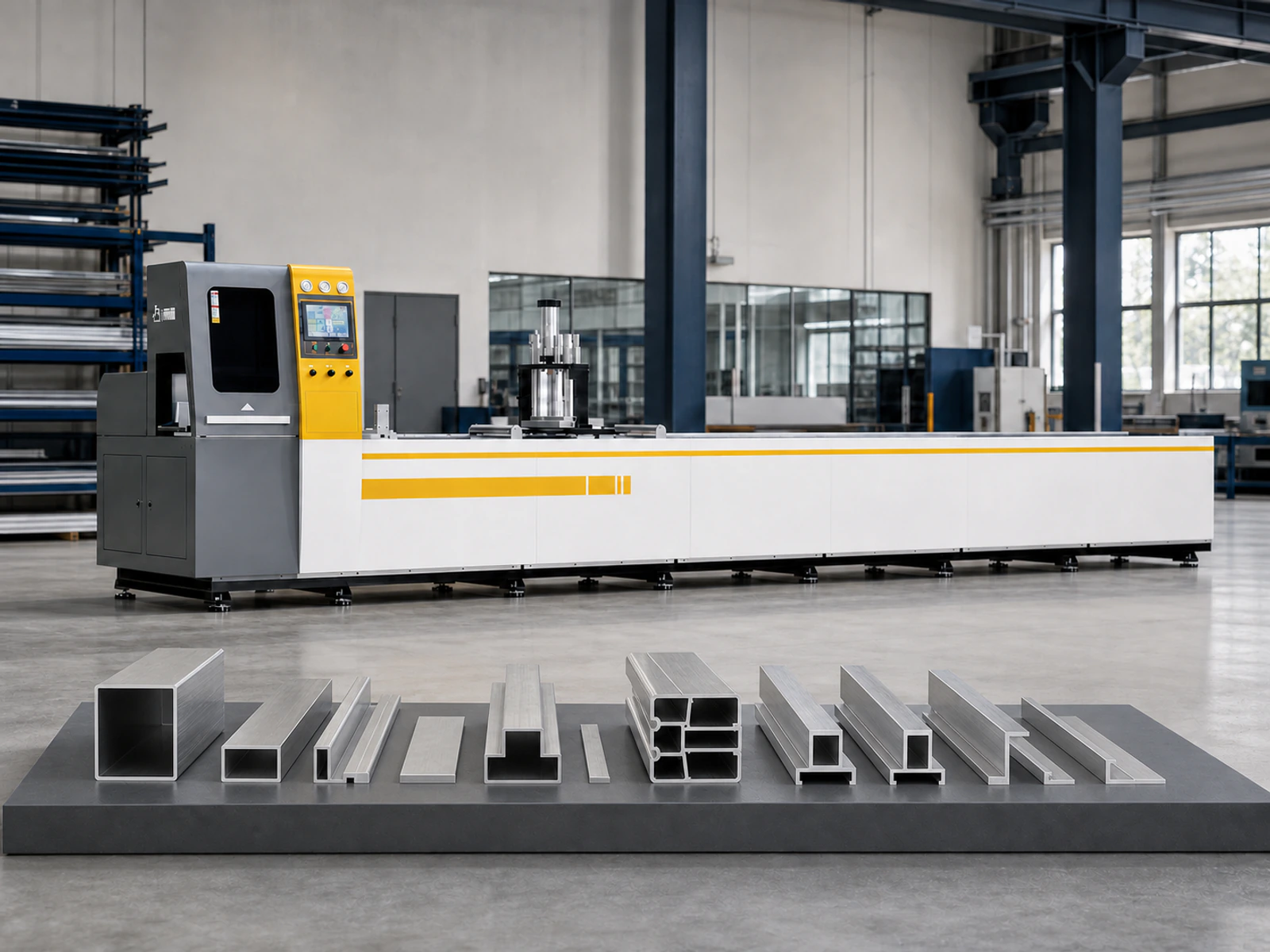
Get a recommendation based on your real profile, production data and inspection target.
Why this machine
Why Factories Evaluate Zero-Tail Cutting
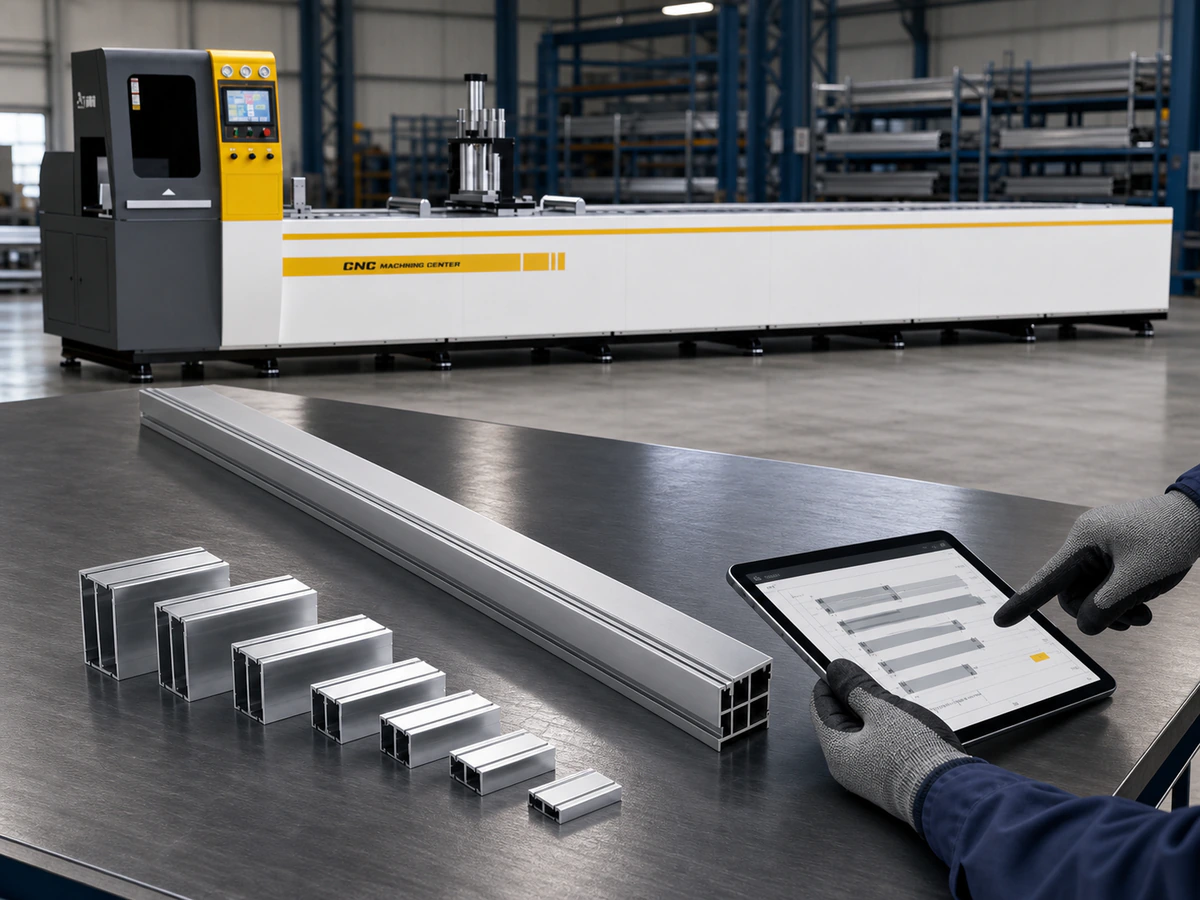
Treat Remnant as a System Result
Plan finished lengths and quantities around the real stock bar, kerf, allowances and production sequence.
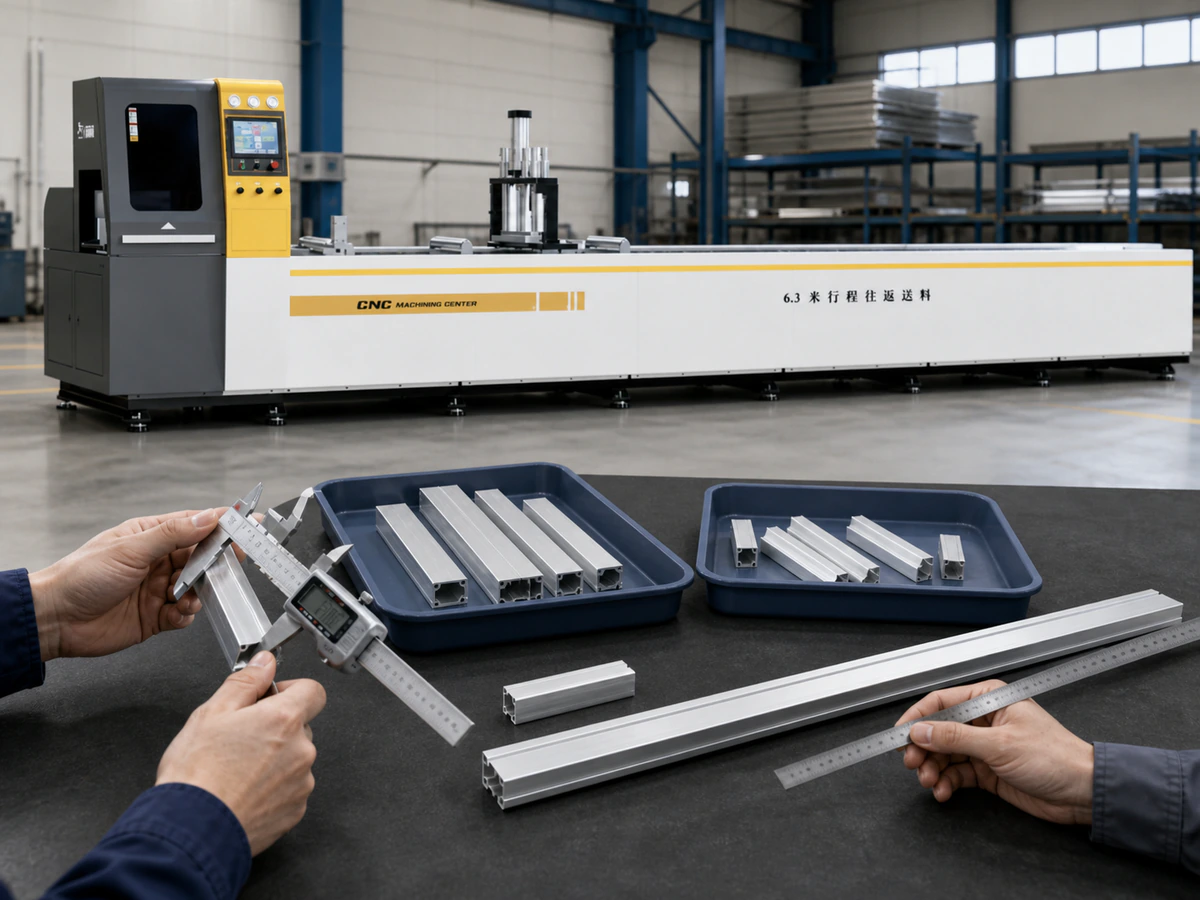
Measure the Current Baseline
Record current remnants and rejected pieces before comparing a project-specific material-saving strategy.
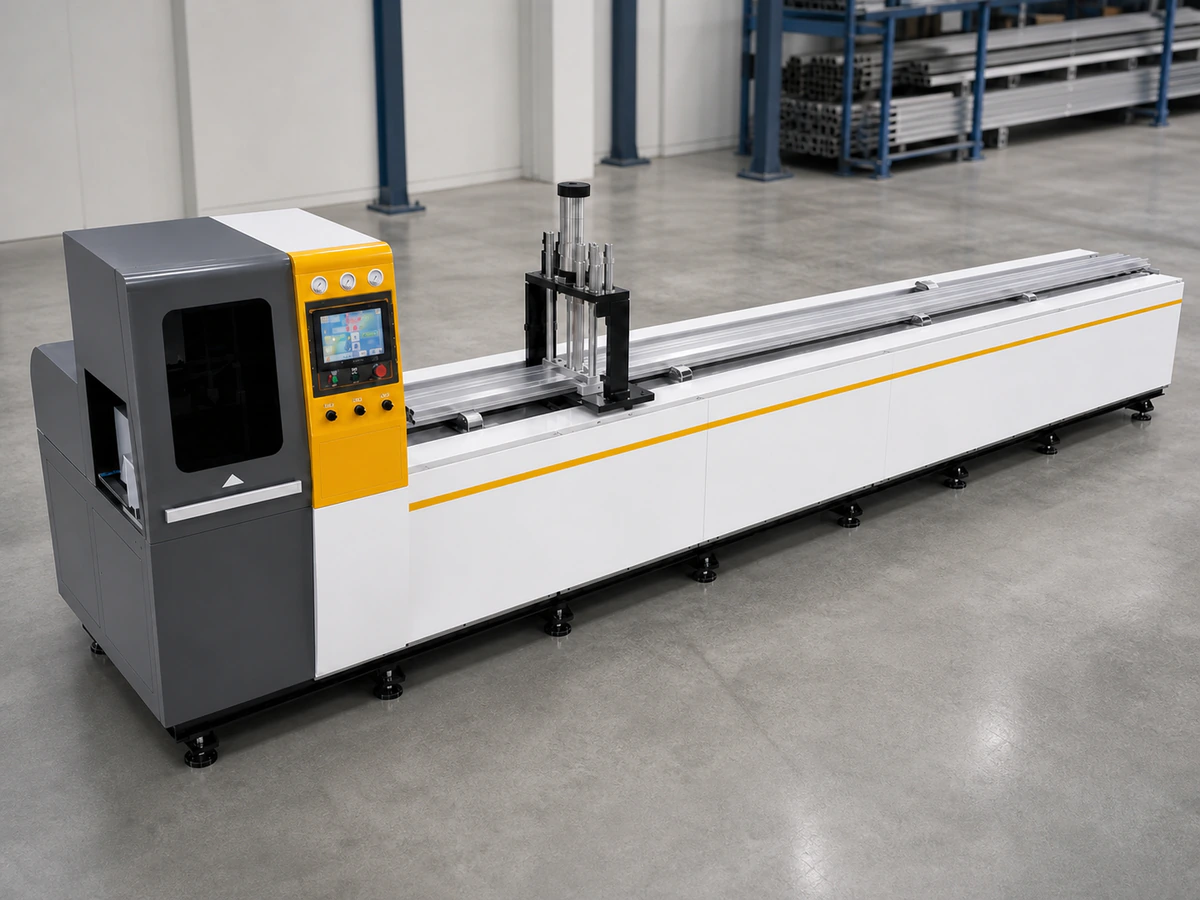
Coordinate Material With the Plan
Review feeding, positioning and clamping together so valuable aluminum follows the confirmed cutting sequence.
Profile / part fit
Can Your Cut List Benefit From a Zero-Tail Strategy?
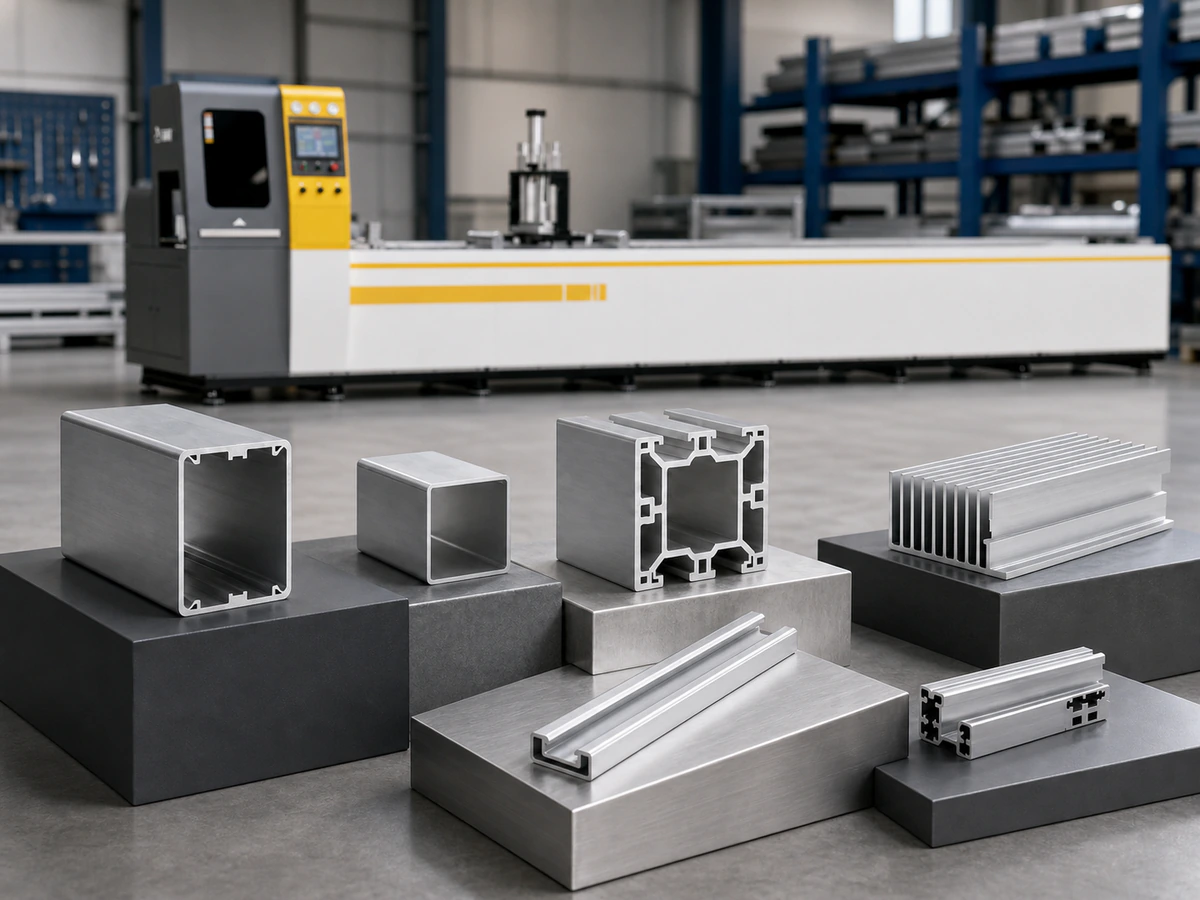
01 · Profile geometry
Review cross-section, alloy and wall thickness
Use the real profile geometry and cutting orientation as the first selection gate for support, blade access and clamping.
02 · Production data
Compare stock length with the finished-length list
Evaluate actual stock bars, finished lengths, quantities, kerf and unavoidable allowances as one production plan.
03 · Acceptance target
Confirm remnant, quality and output requirements
Agree the current remnant baseline, finished-part tolerance, visible-surface requirement and expected output before selection.
Include the cross-section, wall thickness, stock length, finished lengths, tolerance and output target.
Key technical data
Zero-Tail Aluminum Cutting Machine Technical Specifications
Use verified application data to shortlist the machine. Final capacity, fixture design and performance values are confirmed from the real profile and process.
Configuration review: Capacity, blade, motor, speed, tolerance, cycle and machine footprint are confirmed for your application after your profile, cut plan and final configuration are reviewed.
Brochure reference: JR-650CNC-3A-1S — long-stroke configuration
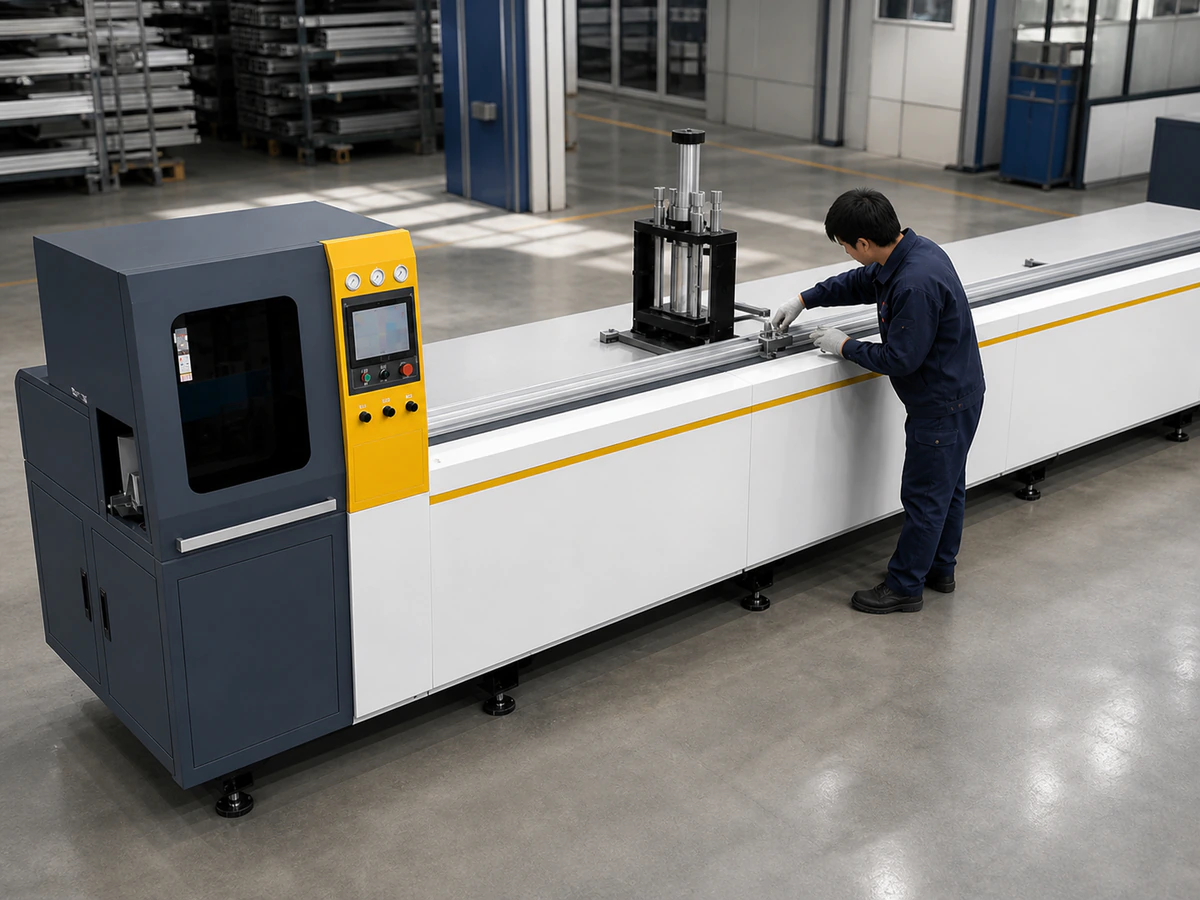
The long-bed machine shown here is a different configuration from the enclosed 1200 mm feed model. Manufacturer clarification pairs the 6300 mm feeding stroke with a 320 mm working width. A feeding stroke is not a guaranteed finished-part length; height and width are separate limits. Remaining tail material depends on the profile, clamping, blade kerf and final-cut sequence. Agree the cut list and inspect samples before fixing a material-saving target. Source: Brochure PDF pages 16–17 (printed pages 15–16), with manufacturer clarification of working width.
View Full Technical Specifications ↓
Production workflow
How the Zero-Tail Aluminum Cutting Machine Works
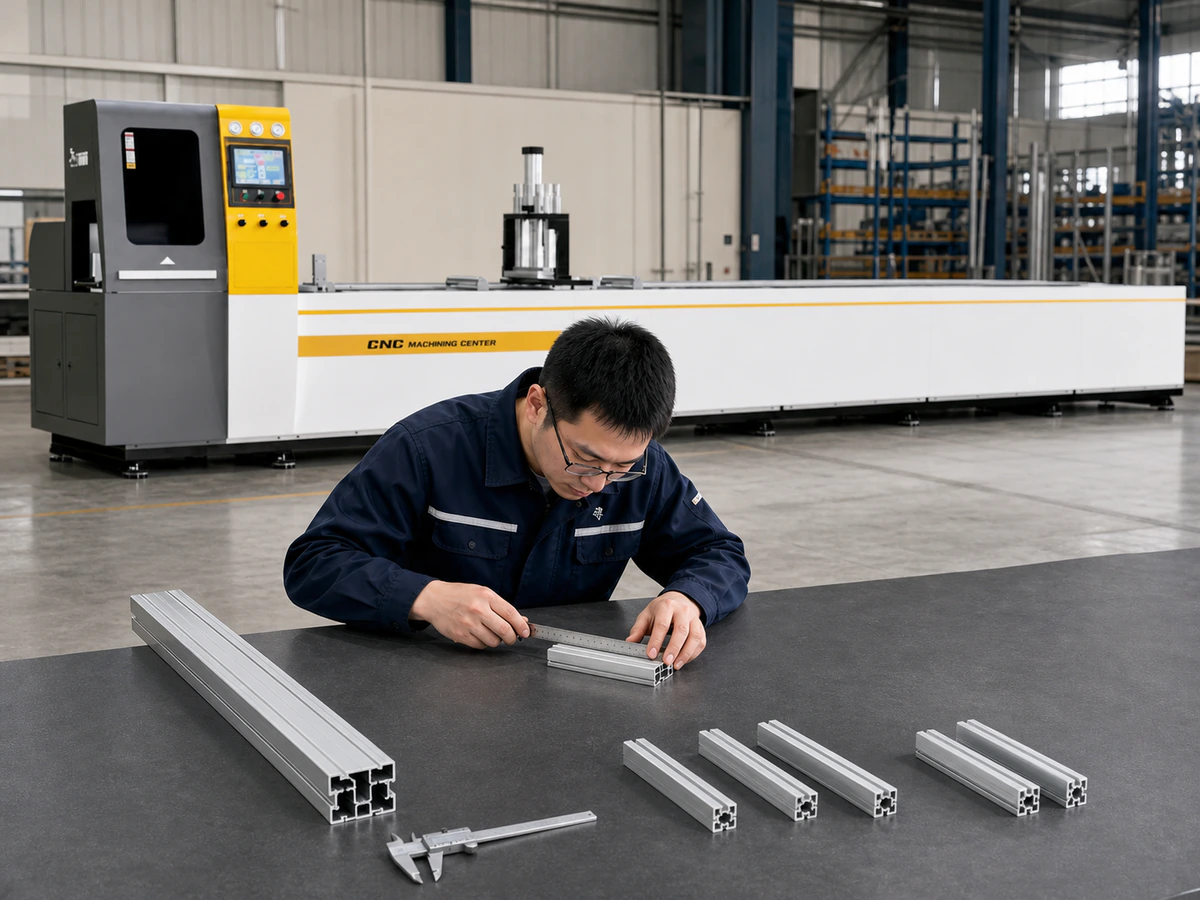
MEASURE CURRENT WASTE
Record stock lengths, remnants, kerf and rejected pieces from the present process.
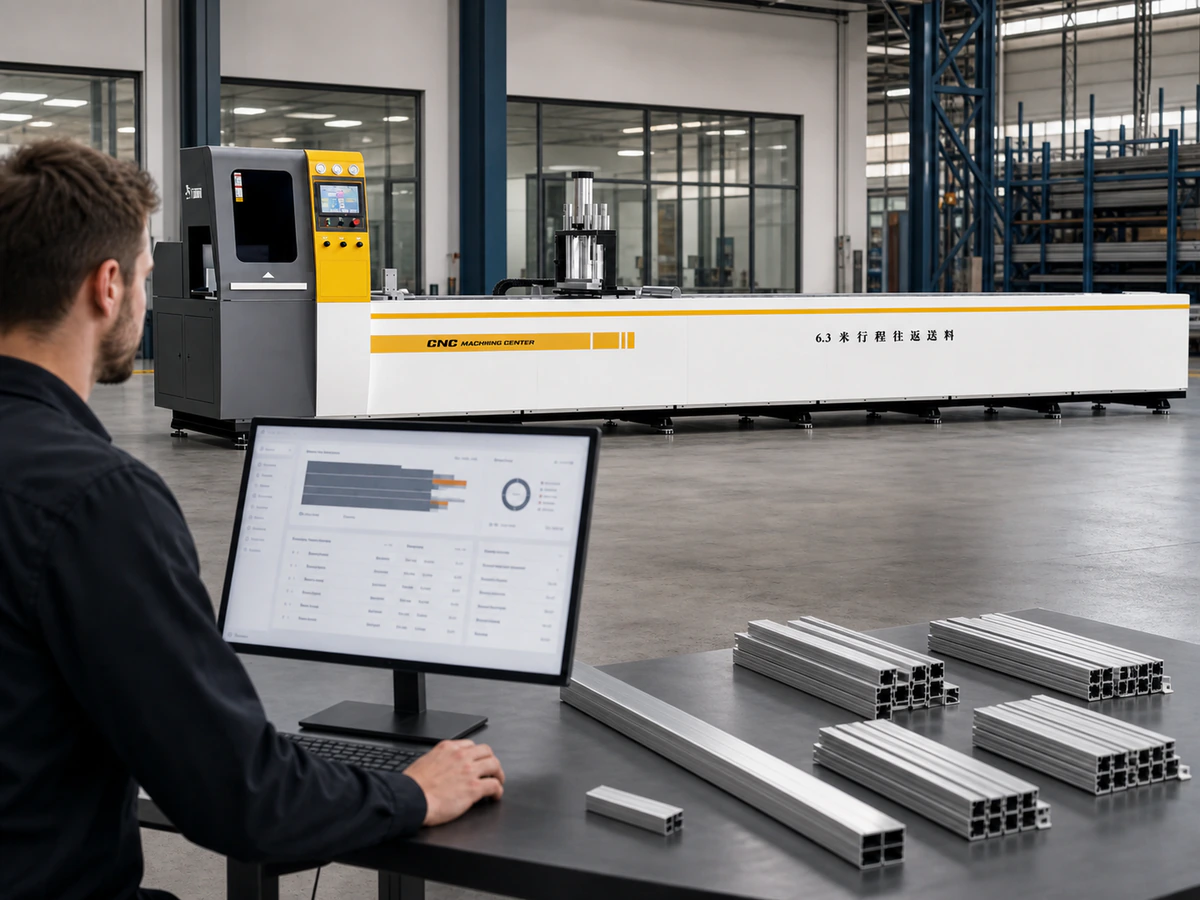
OPTIMIZE THE CUT LIST
Model part sequence, feeding and clamping around the real order mix and stock-bar plan.
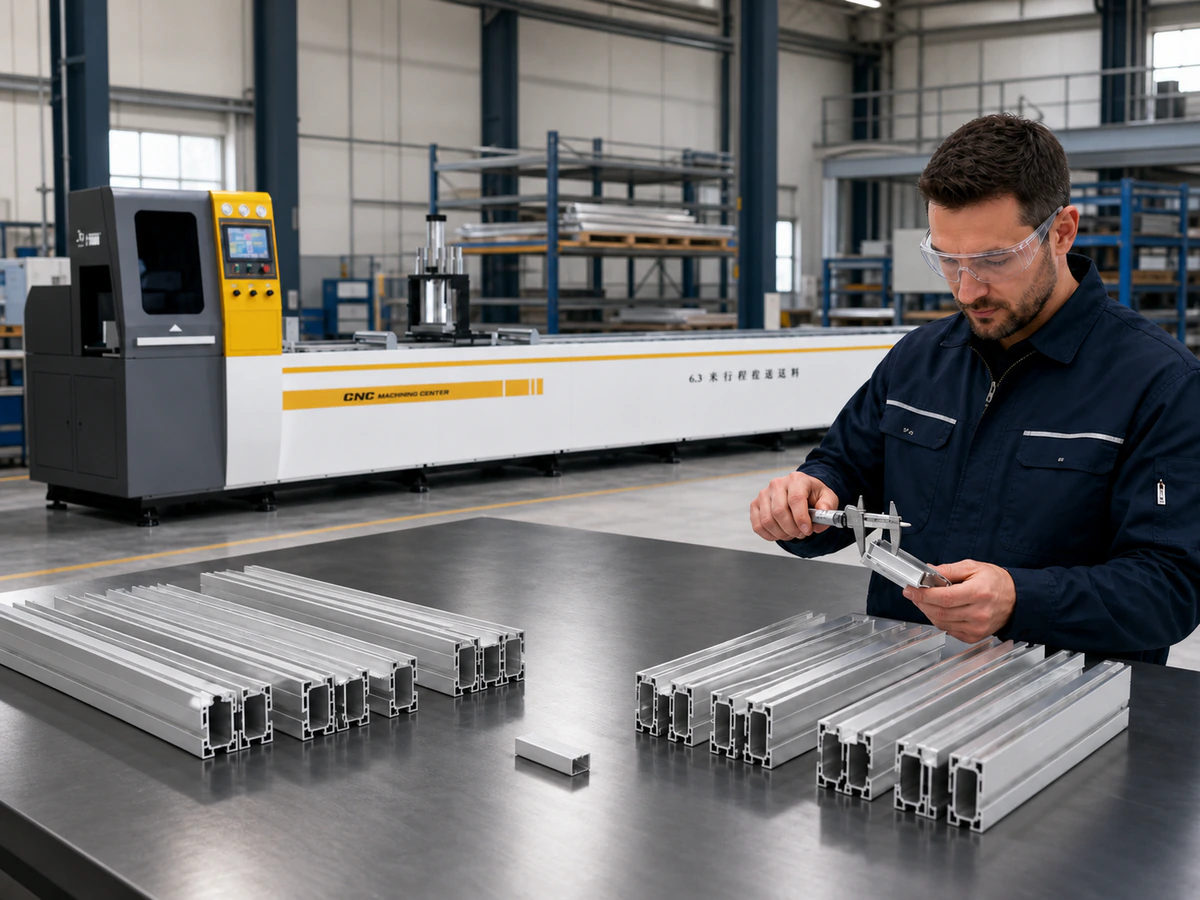
CUT & VERIFY SAVINGS
Run representative material and compare measured output with the agreed baseline and inspection method.
Cut result verification
Verify Material Saving With Your Own Production Data
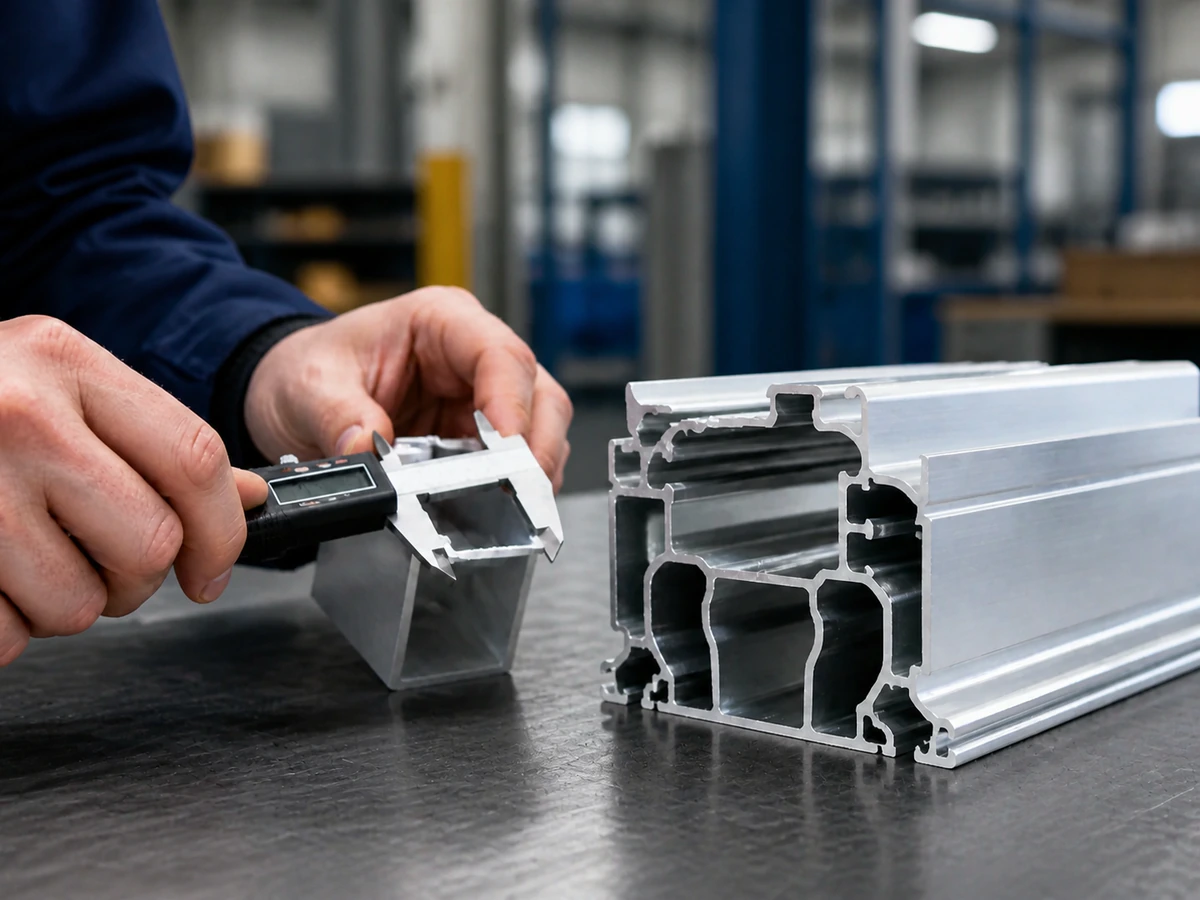
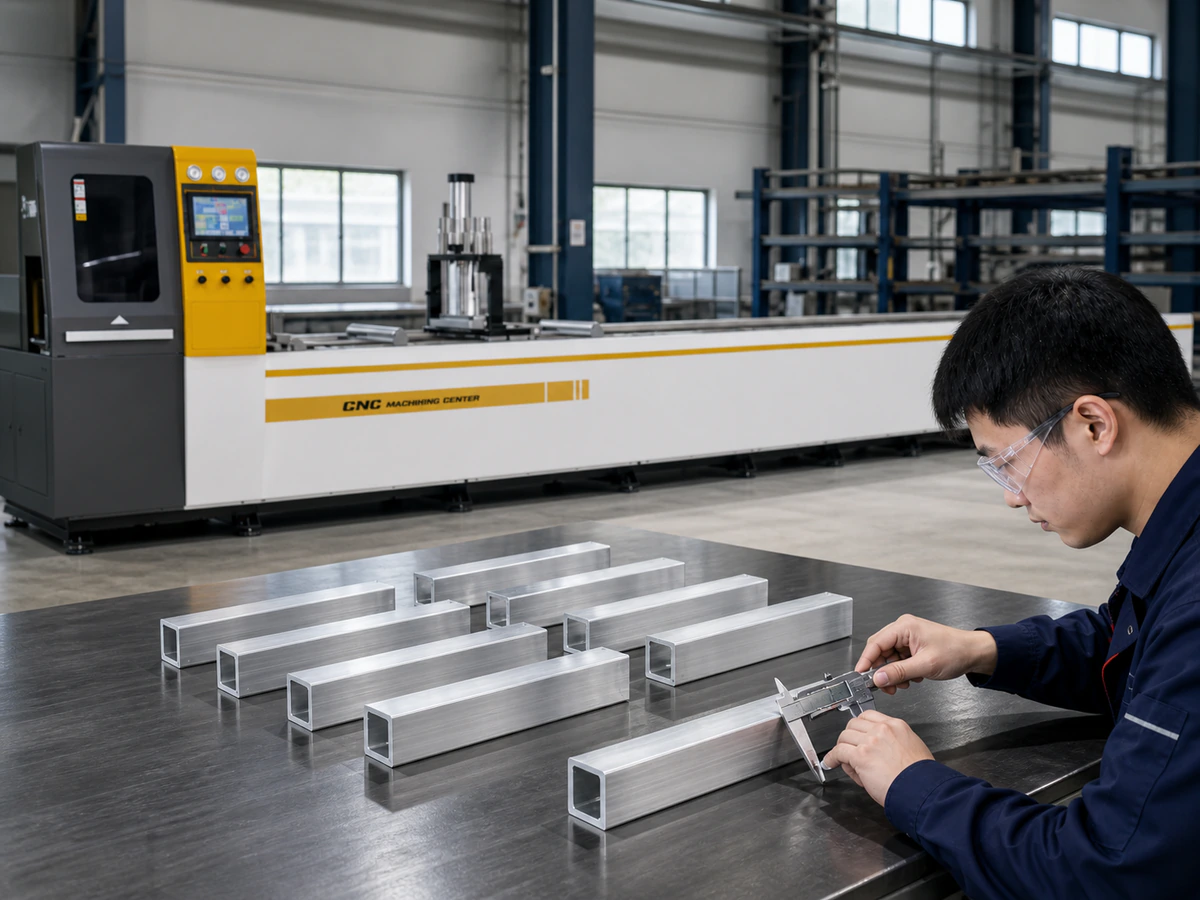
Use representative material and agree the dimensional, surface and process acceptance points before the test.
Inspect the real cut surface
Review burrs, blade marks, edge condition and customer-visible surfaces after the confirmed sequence.
Measure from the confirmed datum
Check the agreed finished dimensions with the accepted inspection method, not only the machine setting.
Compare consecutive finished parts
Evaluate several parts and accepted pieces per stock bar instead of approving one favorable sample.
Verify support and visible faces
Confirm that feeding, clamping and handling do not create movement, deformation or unacceptable marks.
Approve the complete production condition
Review the profile, cut list, kerf, allowances, handling and inspection method as one verified setup.
Machine / configuration selection
Which Zero-Tail Aluminum Cutting Machine Route Fits Your Production?
Zero-tail configuration
For material-cost reduction backed by a verified cut plan.
- Cut-list planning
- Tail-waste review
- Controlled feeding and clamping
Automatic batch system
For repeat output where automation is the first priority.
- Repeat finished lengths
- Batch quantities
- Automatic feeding workflow
Flexible CNC saw
For varied lengths without a universal zero-tail claim.
- Mixed stock-bar lengths
- Flexible part lists
- Project-specific setup
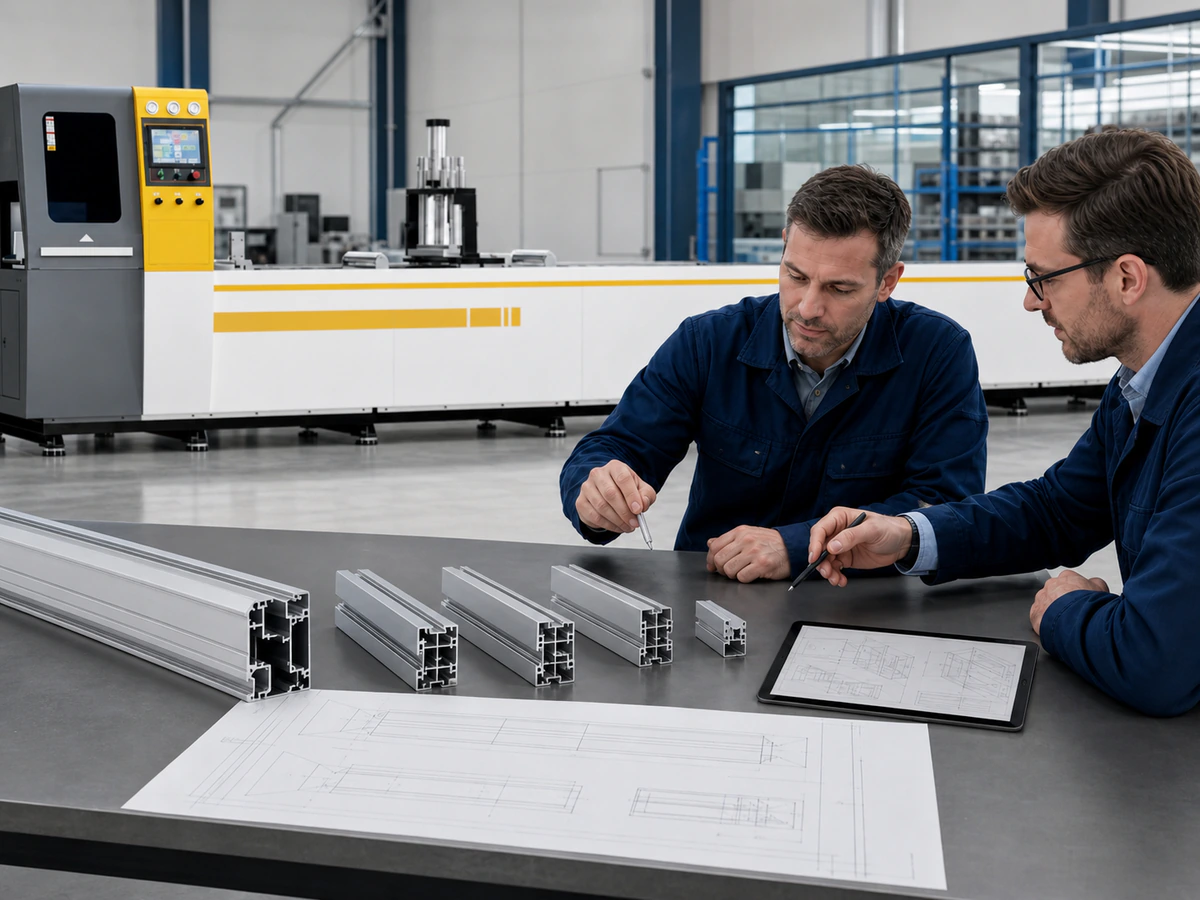
For an engineering recommendation
Send the Data That Changes the Machine Configuration
Machine selection changes with the real profile, stock-bar plan, finished-length list, material value and acceptance target.
Factory testing & delivery
What We Check Before Delivery
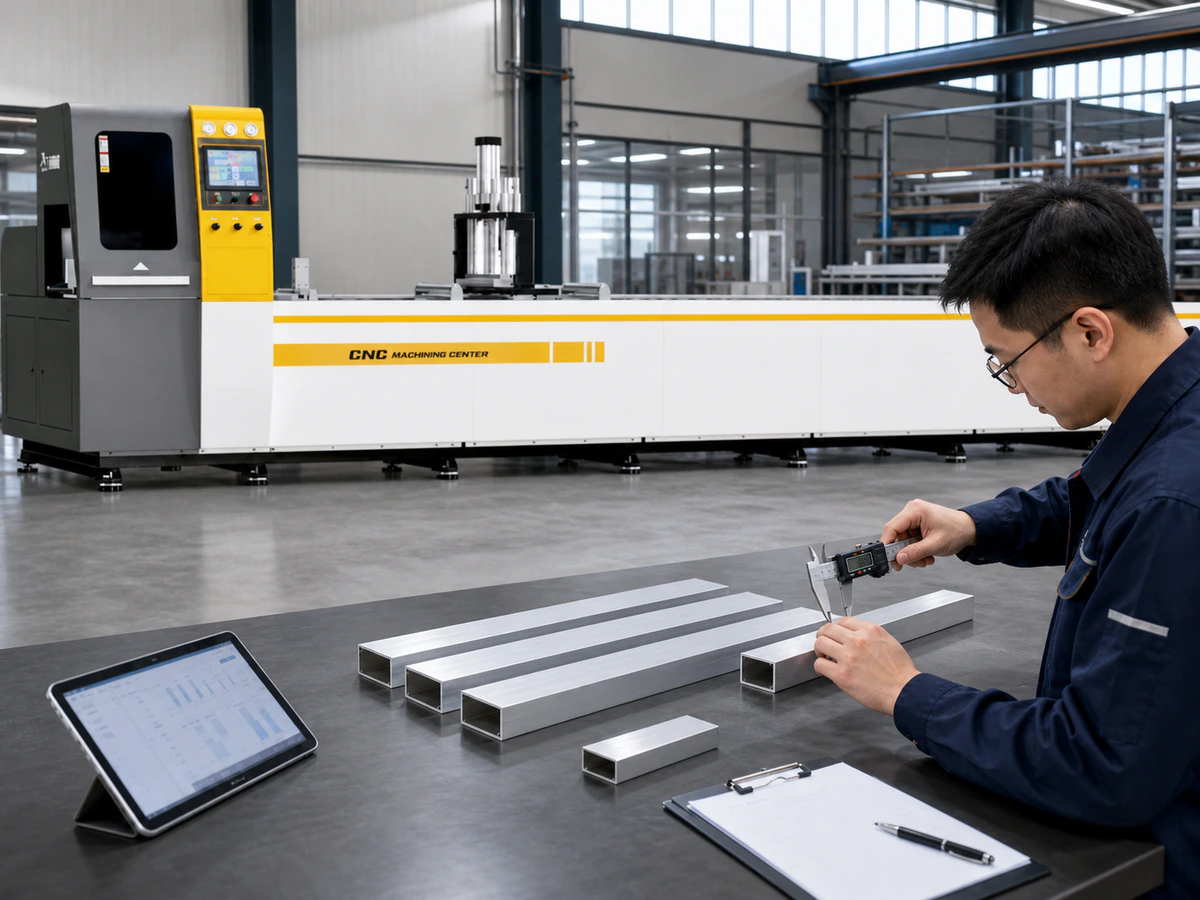
Confirm the production baseline
Review stock lengths, finished-length list, quantities, current remnants, profile value and the agreed comparison method.
Model the confirmed sequence
Simulate part order, kerf, allowances and the feeding and clamping assumptions before representative cutting.
Verify the actual support condition
Check the datum, profile support and clamping contact around the final cuts for the confirmed profile.
Cut customer-relevant material
Test representative profiles and finished lengths rather than approving the machine from an empty cycle.
Record remnant and finished parts
Measure remaining material, finished dimensions and cut surfaces with the agreed inspection method.
Confirm the delivered production condition
Review the confirmed program, instructions, acceptance records and operating handover before packing.
Final results are based on the confirmed application
Final results are based on the confirmed profile, cut list and agreed inspection method—not on a universal tail-waste claim.
Applications
Zero-Tail Aluminum Cutting Machine Applications
See typical applications for the zero-tail aluminum cutting machine. Final suitability is reviewed from the drawing, material, process and output requirement.
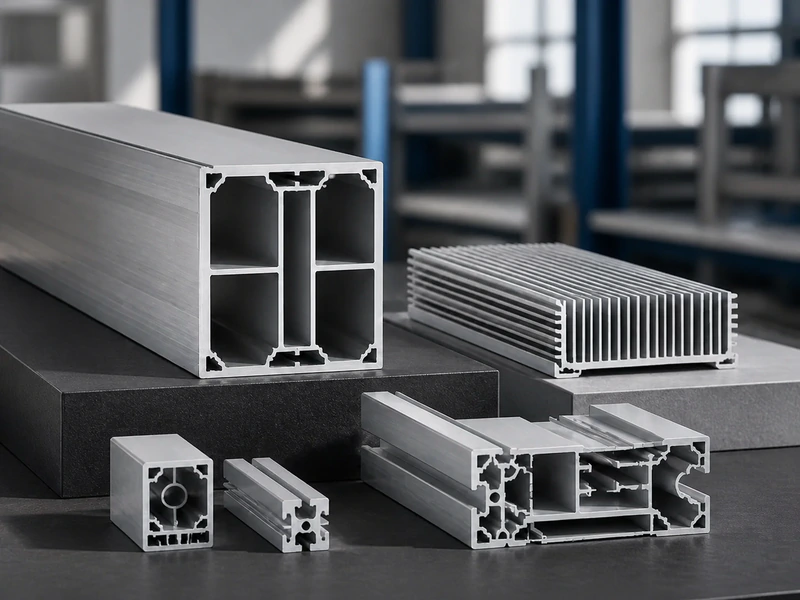
High Material-Cost Profiles
Review remnant loss where aluminum value makes material utilization critical to the production case.
Review application →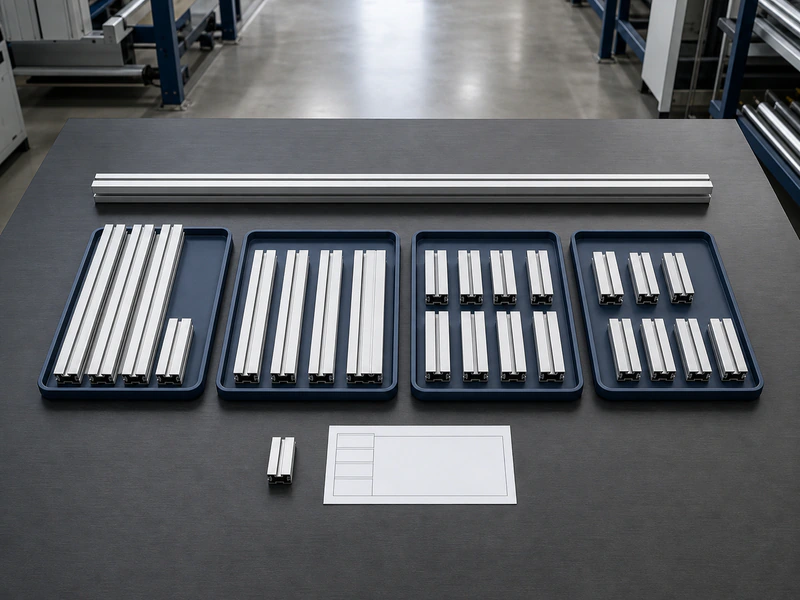
Repeat Cut Lists
Organize recurring stock bars, finished lengths and quantities before confirming the cutting route.
Review application →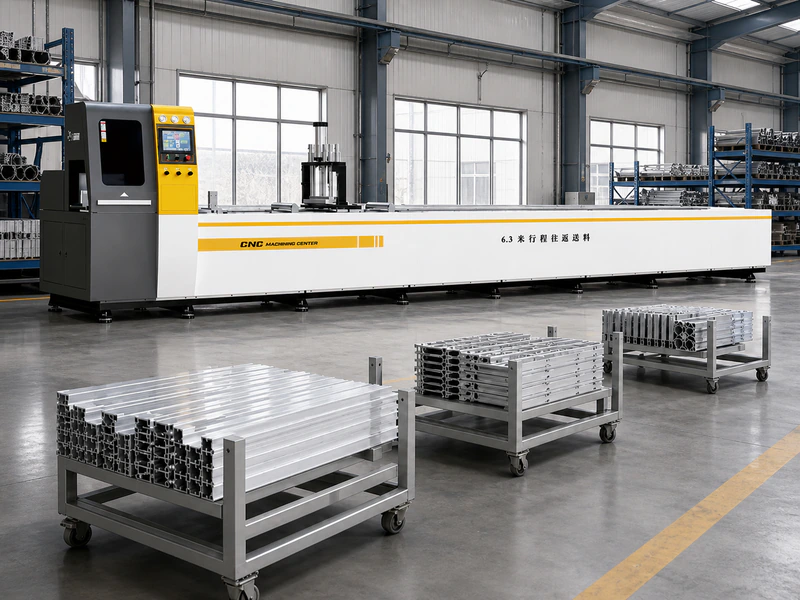
Batch Profile Production
Compare current waste across representative batches and repeat orders rather than one favorable sample.
Review application →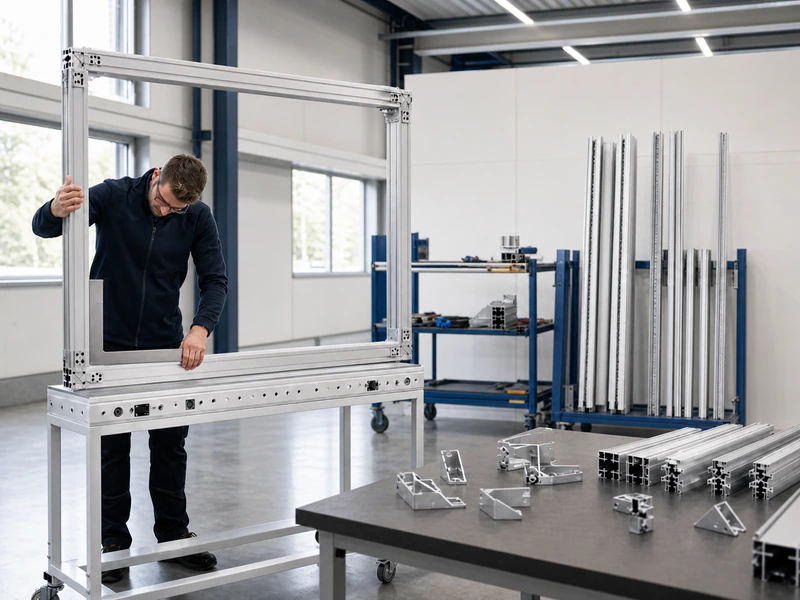
Energy Storage Frames
Evaluate material utilization for recurring structural members, frame components and repeat assemblies.
Review application →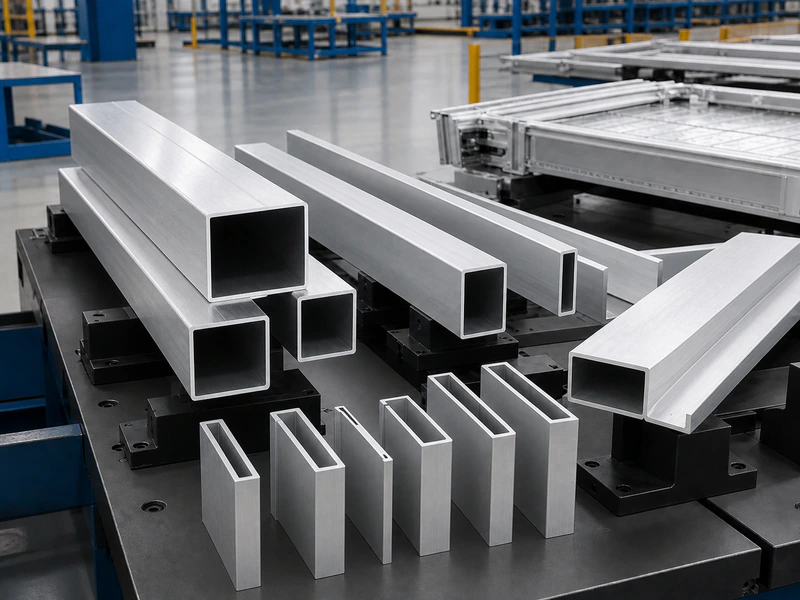
New-Energy Vehicle Parts
Review remnant strategy together with datum, clamping, visible surfaces and cut-quality requirements.
Review application →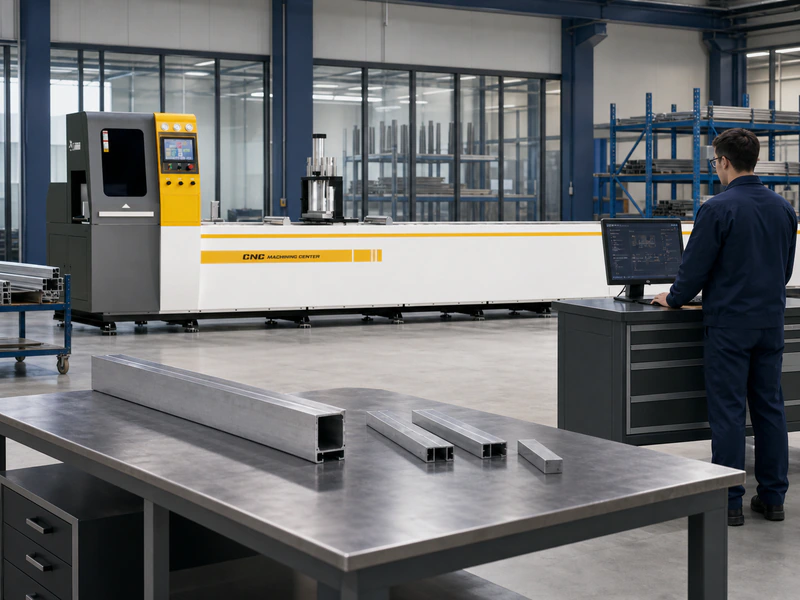
ROI-Driven Retrofit Projects
Build the investment case from verified annual aluminum cost, production volume and remnant data.
Review application →Buyer FAQ
Zero-Tail Aluminum Cutting Machine Buyer Questions
Does zero-tail mean literally no remaining material?
The practical result depends on profile, cut list, clamping, kerf and sequence. JiurunCut confirms the achievable remnant only for the reviewed application.
What data is needed for a material-saving calculation?
Provide stock lengths, finished lengths, quantities, current remnants, profile drawing, kerf and aluminum cost.
Can different lengths be nested in one stock bar?
Yes, when the control and cut-plan workflow support the sequence. It should be simulated and verified.
How is ROI calculated?
Compare verified material saved per period with aluminum cost and production volume, including tooling and operating assumptions.
Can every profile use the same last-cut clamping?
No. Cavities, wall thickness, visible faces and blade access can require different fixtures or allowances.
Will material saving reduce cut quality?
It should not. Finished dimensions, surface and stability remain acceptance criteria.
Can I test my own stock material?
Yes. Agree the cut list and inspection method first, then provide representative material.
Why is no universal tail-waste number shown?
A number without operating conditions would be misleading; it must be demonstrated for the confirmed profile and process.
What support is available after delivery for this zero-tail aluminum cutting machine?
Installation, training, remote technical support and spare-parts planning are arranged according to the confirmed zero-tail aluminum cutting machine configuration and destination.
What should I send before requesting a quotation for this zero-tail aluminum cutting machine?
Send stock-bar length distribution, finished lengths and quantities, current remnant and scrap records, alloy and aluminum cost basis, profile drawing and wall thickness, plus the destination country and factory electrical standard.
ALUMINUM CUTTING MACHINE QUOTE
Which Machine Fits?
What Will It Cost?
Tell us what you need to cut. We’ll confirm the details with you, recommend a machine and prepare a quote.
- A machine for your partsWe review your aluminum material, size and cutting needs.
- Machine proposal and pricingSee the recommended machine, included equipment and price.
- Help with your cutting problemDiscuss burrs, material waste, slow cutting or too much manual work.
No model or drawing needed to get started.
Prefer to chat?
Chat on WhatsAppSend Your Inquiry
Only your name or company and WhatsApp / phone are required. Everything else is optional.