
Window frame profile substitution can look straightforward when a proposed extrusion resembles the approved section. Yet the new frame may not accept the specified sash, glazing bead, gasket, corner joint or hardware. Cutting the alternative to the same nominal length does not make it an interchangeable window component. Before buying stock or releasing a cut list, the purchaser needs a system-level substitution decision.
This guide covers the buying handoff between the window-system owner, fabricator and aluminum cutting supplier. It shows what to compare, what to trial, and when a revised member may enter production. It does not approve a particular window design, thermal rating, weather performance or Jiurun machine configuration. Those decisions belong to the responsible system designer and the released project documents.
The existing WordPress media photographs below illustrate window extrusions and sample review. They are not evidence that the pictured sections belong to your system or passed a substitution test.
Window frame profile substitution starts with the approved system
Ask first why a replacement is proposed. The original extrusion may be unavailable; a supplier may offer a less expensive section; a finish or thermal-break option may change; or a new source may claim an equivalent die. Each reason changes the commercial decision, but none changes the technical approval route. A section drawing and the approved assembly details must be compared before a cutting quote becomes a production order.
A valid comparison starts with a part-number and revision crosswalk for the original and proposed frame member. Record the proposed extrusion source, alloy/temper and finish designation as specified by the drawing owner, the section orientation, visible face, cut datum, joint and fastening method. Identify every mating part that may be affected, including sash or vent, transom or mullion, glazing bead, gasket, setting block, corner connector and hardware. Ask the system owner whether the proposed profile is an approved variant, an approved replacement that needs a new assembly detail, or an unapproved redesign.
Published window-system information shows why a loose visual match is insufficient. Schüco describes AWS 75.SI+ as a platform with several profile variants and specific gasket, glazing-rebate and fitting arrangements. YKK AP’s window maintenance manual treats sash fit, glazing stops, wedge gaskets, hardware and frame drainage as related inspection points and directs re-glazing work to the instructions for the specific window product. These are examples from other manufacturers, not evidence that their components fit a JiurunCut customer’s system. The buying inference is to obtain the actual system owner’s compatibility approval before substituting a cut member.
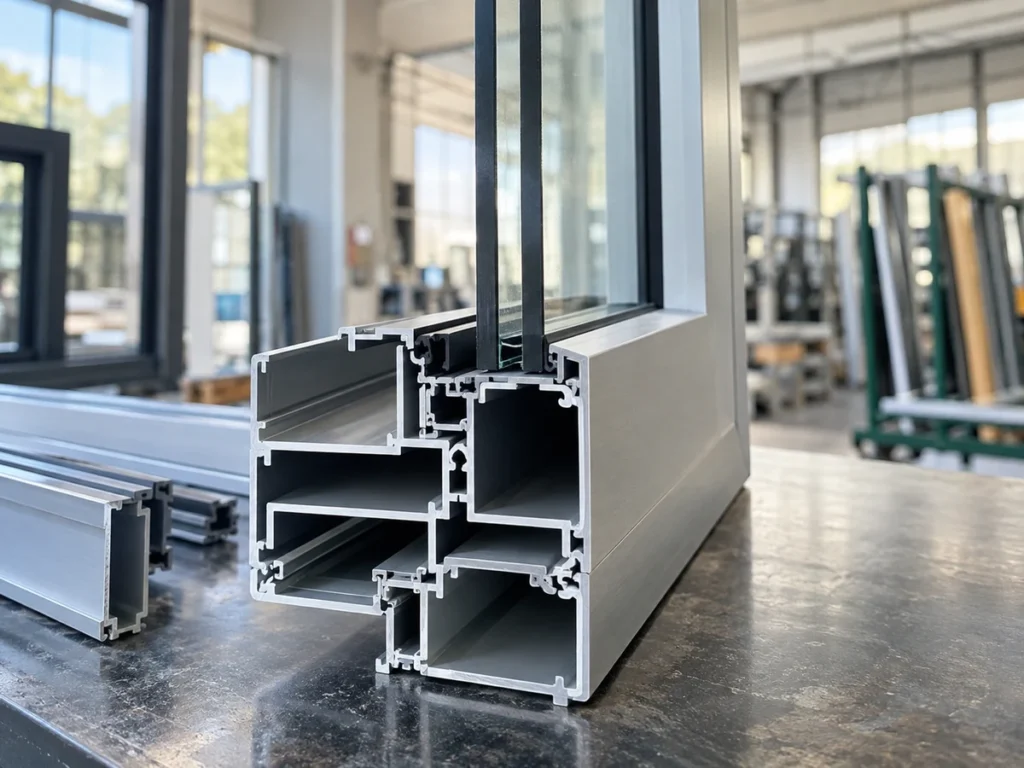
Compare the interfaces that a saw cannot approve
Make the alternative section review a controlled comparison, with the approved drawing on one side and the proposed drawing and physical sample on the other. At minimum, record the following decision points:
- Frame-to-sash fit. Check the closing plane, overlap, clearances, weatherseal contact and hardware anchorage against the approved assembly. A saw can cut a length; it cannot establish operating or weather performance.
- Glazing package. Confirm glass thickness range, rebate geometry, bead retention, gasket path, setting-block location and any sealant detail for the actual system. Do not assume a bead from the old profile snaps into a new groove.
- Corner and mullion joints. Compare chambers, connector seat, crimping or fastening method, drainage path and member orientation. A matching outside dimension can hide a different internal joint.
- Thermal-break and finish route. Ask the responsible designer to check the proposed thermal-break construction and finish specification as a complete window-system change. Neither a saw trial nor a photo establishes thermal or durability performance.
- Installation and drainage. Compare anchors, sill/receptor details, weep paths and the interface to adjacent construction. A profile change can move the installation datum even when the finished member length stays the same.
Record a pass, a required redesign, or an unresolved question for each interface. The document should name the approving person and the drawing or sample revision used. A supplier’s statement that an extrusion is “equivalent” is a proposal to review, not a release for a window frame profile substitution.
Use a physical trial in the right order
Start with a short sample of the proposed extrusion and the actual mating parts. The system designer or authorized fabricator should first check section orientation and joint compatibility on the bench. If that review fails, there is little value in asking a saw supplier to optimize the cut. If it passes, issue a controlled trial cut list with sample quantities, visible faces, datums, angles, end conditions and inspection method. Then assemble a representative corner and, where relevant, a sash or glazing detail.
Once the system owner approves the replacement section, use our aluminum window frame saw trial guide to structure the cutting-stage sample and fit checks.
Separate three approvals. The system approval says the alternative section and specified mating components are allowed in the project. The cut acceptance says the produced members meet the released drawing at the saw-stage boundary. The assembly fit says the first built unit closes, glazes, drains and accepts hardware as required by the system owner. Passing one does not imply the others. Any air, water, structural or thermal claim needs the responsible system party’s applicable documents and testing route; a visual sample or saw video is not a substitute.
For a trial, capture the profile source and lot, the drawing revisions, sample identification, machine and setup used, measured cut results to the specified method, any burr or marking disposition, joint fit observations and the disposition of nonconforming pieces. Do not publish a generic tolerance as if it were this project’s requirement. The accepted drawing and purchase specification should set the limits.
If the trial reveals a different connector, gasket, bead or end operation, revise the part number and cutting schedule before ordering volume stock. Hold the old and new sections in separately identified locations until the system owner signs the substitution. This prevents a correct cut to the old revision from entering the new window kit.
Release a cut package that reflects the approved change
Give bidders one packet: old and proposed assembly drawings, the authorized substitution record, profile cross-sections, mating-part list, finish and stock requirements, member schedule, quantities, cut datum, length and angle definitions, end condition, visible-face protection, inspection method and packaging group. Identify which operations belong to the saw supplier and which remain with the fabricator, such as machining drain slots, inserting thermal breaks, glazing or final assembly.
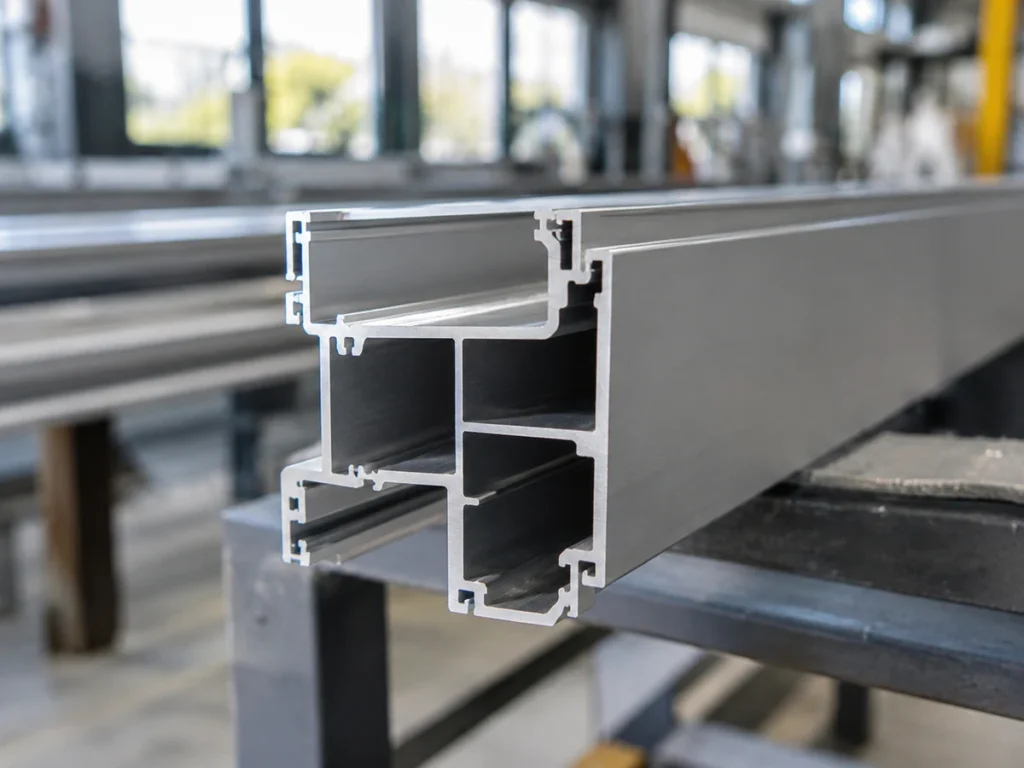
Ask each supplier to separate material, cutting, downstream machining, connectors, sample trial, inspection, scrap and delivery in the quote. This keeps a low cut-only price from being compared with a complete approved frame kit. The buyer should also define who owns unusable stock if the substitution is rejected after the trial and who updates the drawing when a mating component changes.
What the Jiurun machine video illustrates
The video selected from Jiurun Machinery’s YouTube channel shows general JR-550CNC angle-saw equipment and its work area. It is useful for discussing where stock presentation, clamping and a cut operation sit in the production route. It is not a video of the proposed window profile, this buyer’s material, the approved system, a witnessed trial, the quoted machine configuration or measured performance. Only the controlled sample and the responsible system owner’s records can support those decisions.
Do not ask a machine supplier to sign off a window system merely because it can cut the extrusion. The supplier can describe a cutting-stage trial using the actual approved profile, agreed blade and clamping setup, and the specified measurement method. The fabricator and system owner must decide whether the resulting member can be used in the assembly.
General Jiurun angle-saw footage only. This does not show or validate the proposed window profile, system compatibility, model configuration, customer trial, cut quality or performance discussed in this guide.
When should the buyer reject or pause the substitution?
Pause if the alternative section has no controlled cross-section drawing, no named system approver, an unmatched bead or gasket, unclear thermal-break or drainage details, or a changed corner method without an assembly drawing. Reject a quote that quietly switches between “cut aluminum profile” and “approved window frame kit” as though they were the same deliverable. These are different scopes with different acceptance owners.
If the approved replacement is already in the system supplier’s catalog, request its exact part number, permitted mating parts and current fabrication instructions. If it is a new design, agree the design review, any required verification and the schedule impact before ordering volume material. If the old member is simply unavailable for a repair, use the original equipment or system owner’s replacement route before treating a cut blank as a finished part.
Send a decision-ready RFQ
For a useful reply from JiurunCut, send the approved and proposed profile drawings, stock size and finish, member schedule, expected lot and repeat volume, required cut-end condition, visible faces, trial sample availability and the named owner of system fit. Mark any item still awaiting approval. We can discuss the saw-stage scope and a representative cutting trial; the window designer or system owner should release the substitution and assembly requirements. Contact JiurunCut with that package and ask bidders to state assumptions and exclusions against the same revision.