
Wind turbine access ladder rail cutting is a cut-part purchasing decision inside a much larger access system. Before asking for a saw or a batch of aluminum members, identify who owns the approved ladder design, the released rail and rung drawings, and the later assembly and fall-protection checks. A straight, clean cut is necessary for many ladder members, but it does not certify a ladder or make an installation safe to use. This guide turns that boundary into seven questions for an OEM or approved ladder supplier.
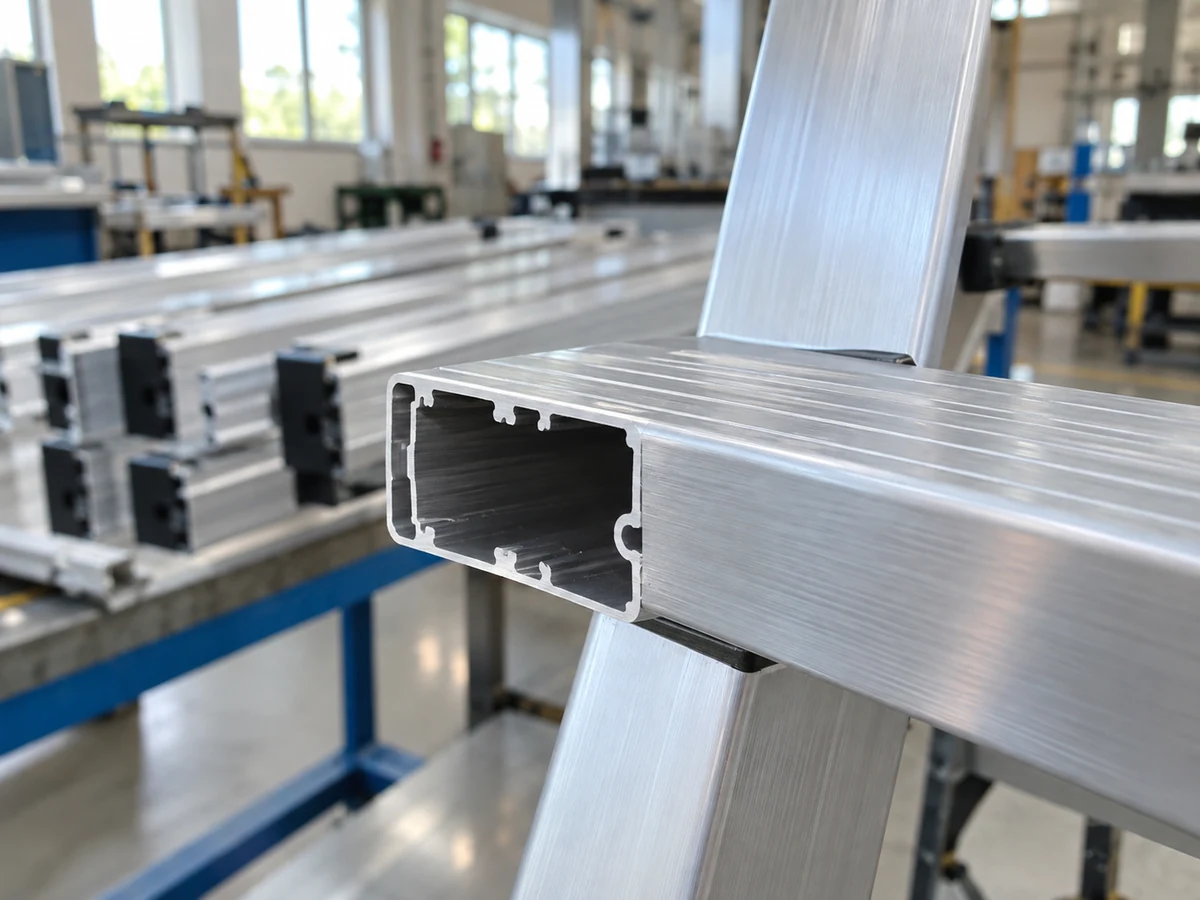
Wind-turbine access products are systems, not just lengths of extrusion. Hailo Wind Systems describes fixed ladders, brackets, stile clamps and fall-arrest options. 3S Industry describes aluminum ladder sections, mounting supports and optional lift-guide integration. Those examples show why a buyer must request the project-specific approved configuration; neither vendor’s dimensions or approval claims should be copied into a Jiurun cutting quotation.
1. Define the purchase unit before discussing cut length
Is the supplier delivering raw extrusion, individual cut stiles and rungs, a machined rail kit, a built ladder section, or an installed access system? Put that unit of sale at the top of the RFQ. The price and acceptance evidence for a cut blank cannot be compared directly with a finished ladder assembly that includes rung joints, brackets, a fall-arrest rail or a service-lift guide.
Ask the system owner to mark every retained operation after sawing: drilling, punching, rung joining, rail splicing, bracket fitting, surface treatment, inspection, shipping, and tower installation. If an already-approved ladder manufacturer supplies finished sections, a second cutting operation at the buyer’s plant may not be part of the route at all. The RFQ should make that choice explicit rather than assuming every ladder is manufactured from site-cut rails.
2. Release the exact rail, rung and connector drawings
For each aluminum blank, give the part number and drawing revision, alloy and finish requirements, section geometry, wall and pocket details, and any protected face. Separate a stile from a rung, splice member, bracket blank or guide-related component. Similar outside dimensions do not establish a compatible joint. Identify the current approved system supplier and the person authorized to release an alternate section.
Do not buy a visually similar extrusion as a substitute for a certified ladder component without the system owner’s formal review. The later rail-to-rung joint and support interface may depend on concealed features. Our ladder kit receiving guide provides a related receiving boundary; a turbine access ladder requires its own released documentation and acceptance plan.
3. Put cut datums and module ends on the same sheet
Wind turbine access ladder rail cutting needs more than one nominal length. Mark the measuring datum for each rail and rung: end face, shoulder, miter point or specified assembly reference. Show top and bottom orientation, hole or joint side, and any left/right distinction. State whether downstream drilling or machining uses the saw cut as its locating surface. If the cut is only a rough blank, show the allowance and the operation that removes it.
A fixed ladder can contain multiple sections and transitions. The system drawing must decide where each rail segment ends, how splices are prepared, and how the final rung layout is established. A saw supplier should quote the released blank schedule and its cut-end acceptance, not improvise a tower layout. Record how an engineering change affects stock already cut under an older revision.
4. Review long-stock support and clamping on the actual profile
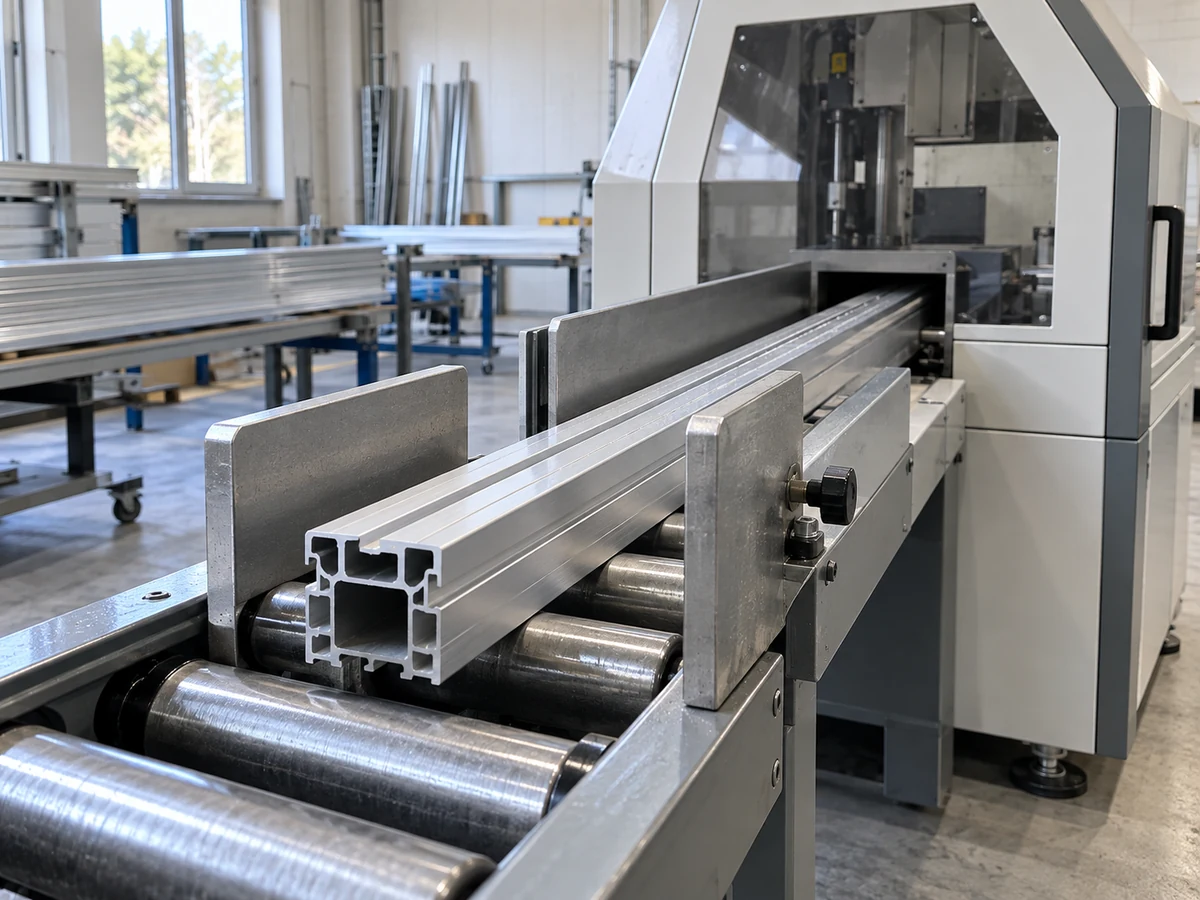
Long, hollow members can bend, twist or mark if support and clamp contacts are chosen from a generic catalog photo. Give the machine supplier representative rail and rung stock, or at least dimensioned sections, so it can review infeed length, outfeed support, side location, clamp contact, surface protection and changeover. The shortest rung and longest rail may need different handling plans. Match the saw configuration to that mix rather than quoting one theoretical maximum length.
Ask who controls the stock feed, identifies the correct program, clears remnants and prevents a wrong revision from entering a ladder kit. A trial should record the actual setup and inspect the specific member surfaces and ends after cutting. It cannot establish full-system load capacity or fall-protection performance. JiurunCut’s machine overview explains its industrial aluminum-saw range; suitability for these parts requires a drawing-led review.
5. Keep fall-arrest and installation approval with the system owner
The cutting RFQ should name the downstream owner of rung connections, rail splices, mounting brackets, platform transitions, fall-arrest components and any lift-guide integration. These interfaces can affect member identity and end preparation, so the cut list must reference them. But cutting one rail to length does not validate the assembly, anchorages, rescue plan or installation. Those are decisions for the approved ladder-system and turbine-project teams under the applicable requirements.
Hailo’s fixed-ladder operating instructions describe system-specific assembly, use and modification controls. They are an example of why a buyer should obtain the current manual for the actual supplied system. Do not treat a different manufacturer’s manual or a saw trial as project approval.
6. Agree a first-off set and batch traceability
Choose representative parts before recurring production: a long stile, a short rung, a connector-related blank if applicable, and any different end geometry or finish. Keep the drawing revision, stock lot, fixture setting, blade and program identification with the samples. The accepting inspector should measure from the stated datums and check visible faces, burrs and damage at the features that will join to other parts.
Let the approved assembler check fit where agreed, and record whether an issue arose at sawing, drilling, joining or installation. Do not turn a clean first-off sample into a promise for every profile or batch. If the section, coating, fixture or cutting program changes in a way that could affect the accepted characteristic, agree which samples must be repeated. Keep accepted and held batches visibly separate during packing and delivery.
7. Compare quotations at the same delivery stage
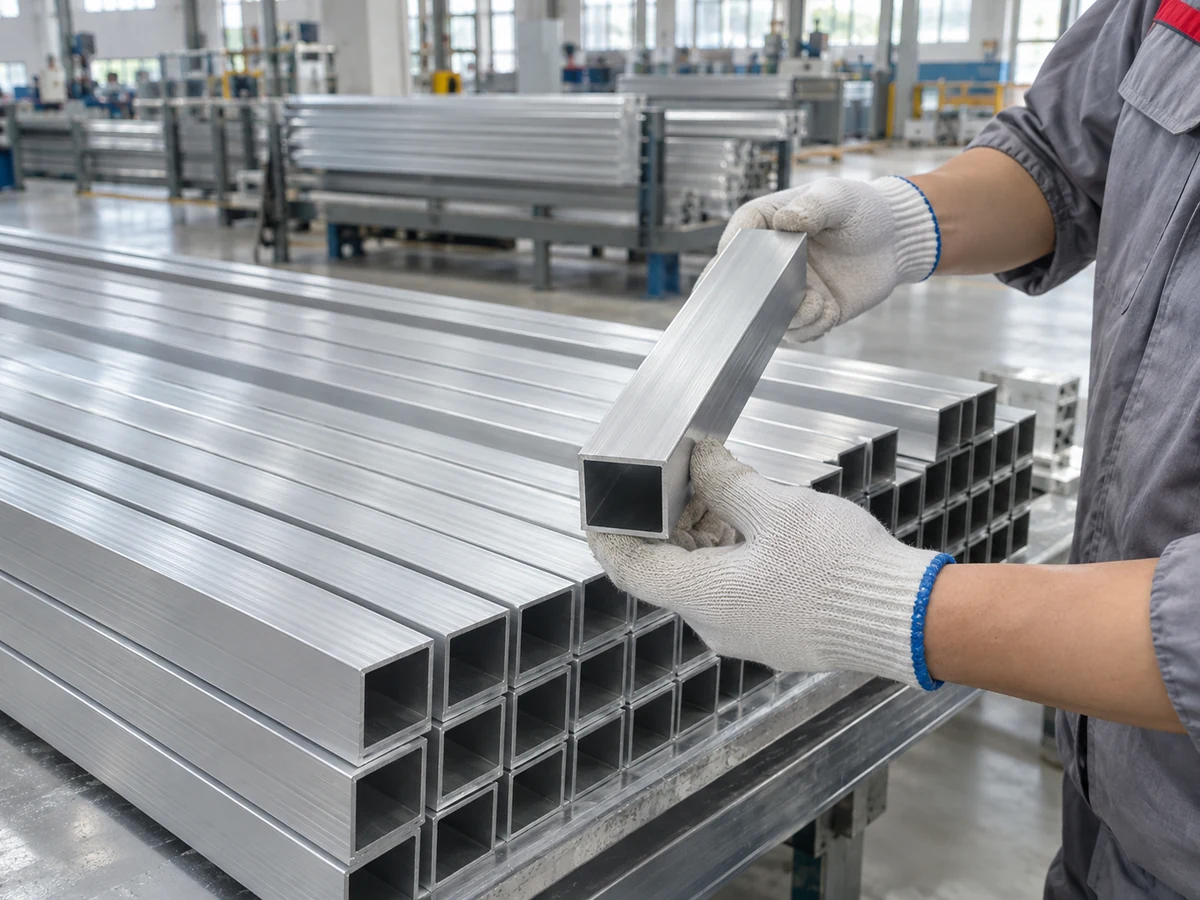
Give bidders the same released part schedule, annual or batch quantity, delivery condition and first-off acceptance. For cut blanks, ask who supplies stock, which ends are finished, how visible surfaces are protected, which records follow a batch, and how scrap or remnants are handled. For a saw, request the supported profile and length range, infeed and outfeed concept, fixture approach, operator changeover, sample trial and service scope. For an assembled ladder, add the system supplier’s documentation, joint, bracket and acceptance responsibilities.
| RFQ attachment | What it settles | Owner |
|---|---|---|
| Released drawing and revision | Member identity and approved section | Ladder system owner |
| Blank schedule and datum | Cut stage, end condition and quantity | Cut-part buyer |
| Representative trial plan | Support, marks, cut end and measurement | Saw supplier and inspector |
| Assembly and installation plan | Rungs, brackets, fall-arrest and tower sign-off | Approved system and project teams |
The lowest price per saw cut may not be the lowest cost for an accepted ladder system if it shifts machining, inspection or kit control to another supplier. Compare only offers with the same responsibilities and receiving condition. Keep the final safety and installation sign-off outside the saw acceptance statement.
What the Jiurun video illustrates
This owned-channel video shows a general aluminum cutting machine process. It is not a wind-turbine access ladder rail trial and does not prove the article’s profile, model configuration, customer, cut accuracy, assembly strength, fall-arrest performance or regulatory approval.
Send a drawing-led saw or cut-part inquiry
Send the released rail and rung section drawings, part list, cut datums, quantities, stock and finish requirements, protected faces, and the operations your approved ladder supplier retains. If you are evaluating a saw, include representative stock and first-off acceptance points. Contact JiurunCut with those cutting requirements for a machine-direction review. Any sample test, exact configuration, commercial terms and support scope should be agreed in the quotation; system certification and turbine installation remain with the responsible teams.