
Threaded standoff blank cutting begins with a question that a finished hardware catalog cannot answer: what physical item will actually enter the saw? A buyer may order cut body blanks from approved aluminum or brass stock, machined and threaded standoff bodies, or ready-to-install hardware with a mating screw or stud. Those are different supply stages. A cutting-machine quotation needs the incoming stock and blank drawing, while the finished fastener specification still belongs to the component designer and downstream manufacturer.
Scope: Jiurun supplies industrial aluminum and nonferrous circular-saw equipment. This guide is for screening a possible nonferrous bar or tube cutting task. It does not say that every standoff can be saw-cut, that any shown machine is approved for a named alloy, or that a cut blank meets thread, plating, fit or assembly requirements. The photographs and video are related stock and equipment illustrations, not samples from this RFQ or witnessed trial evidence.
1. Define the standoff family and the supply boundary
Start with the released component drawing and a clear line between body, thread and assembly. Specify whether the finished part is female-to-female, male-to-female or another approved interface; whether its exterior is round, hexagonal or specially shaped; and whether any stud, insert, washer or screw is a separate purchased part. Identify the assembly in which the standoff is used and the party that owns its clearance and load decisions. A supplier cannot infer these details from an order that says only “spacer.”
For an example of finished-hardware detail, MW Components’ RAF brass male-to-female standoff listing separates the round body, finished length, hole depth, thread size and shaft length. It illustrates why a catalogued finished part is more than a length of cut stock. Its dimensions, material and application are not specifications for this buyer’s part or proof that a Jiurun saw can make it.
2. Release the actual incoming stock, not the finished outline
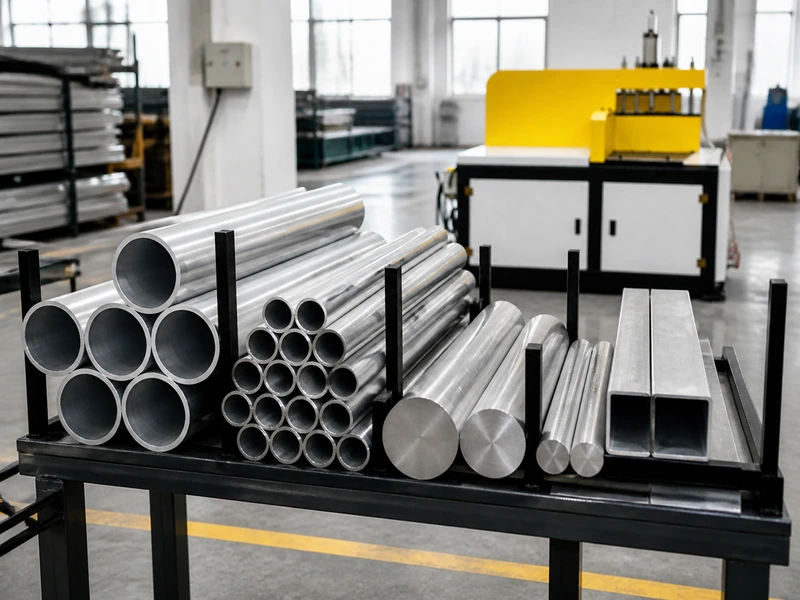
Ask the design and manufacturing owner to name the supplied stock form, material specification, condition, section and diameter or across-flats size. A finished round standoff may come from solid rod, tube, a shaped extrusion or another route; a finished hex exterior does not by itself prove that hex bar is the approved input. The proposal must use the real stock drawing and purchasing specification. If both aluminum and brass variants exist, treat them as separate part families with their own cut trials and acceptance criteria. Do not transfer a cutting result from one material to the other.
Record incoming length range, straightness and surface condition as supplied, packaging, batch identification and allowable stock substitutions. If the stock is plated or otherwise finished before cutting, ask the responsible manufacturer how an exposed saw face will be handled. If coating is applied later, put that step in the later route. The saw supplier should not quietly choose a material grade, coating sequence or source to make the quote look simpler.
3. Put a drawing and datum on the saw-cut body blank
A body blank is the item passed to the next operation, not automatically the finished standoff. Give it a part number and revision. Define the saw-face-to-saw-face length, end datum, orientation where relevant, allowable stock left for facing or chamfering, cut-face and burr limits, and the inspection method. If the body will later be drilled, bored or tapped, show the material needed for that work rather than treating the catalog spacer length as an unexamined saw stop setting.
Separately define the finished body length, any male projection, internal thread depth, hole condition and assembly spacing on the approved component drawing. Those are not interchangeable references. A measurement across two saw faces cannot certify a later threaded interface or installed gap. State who accepts a short blank, a remaining tail, or a first piece after a setup change.
4. Test support and clamping against the approved section
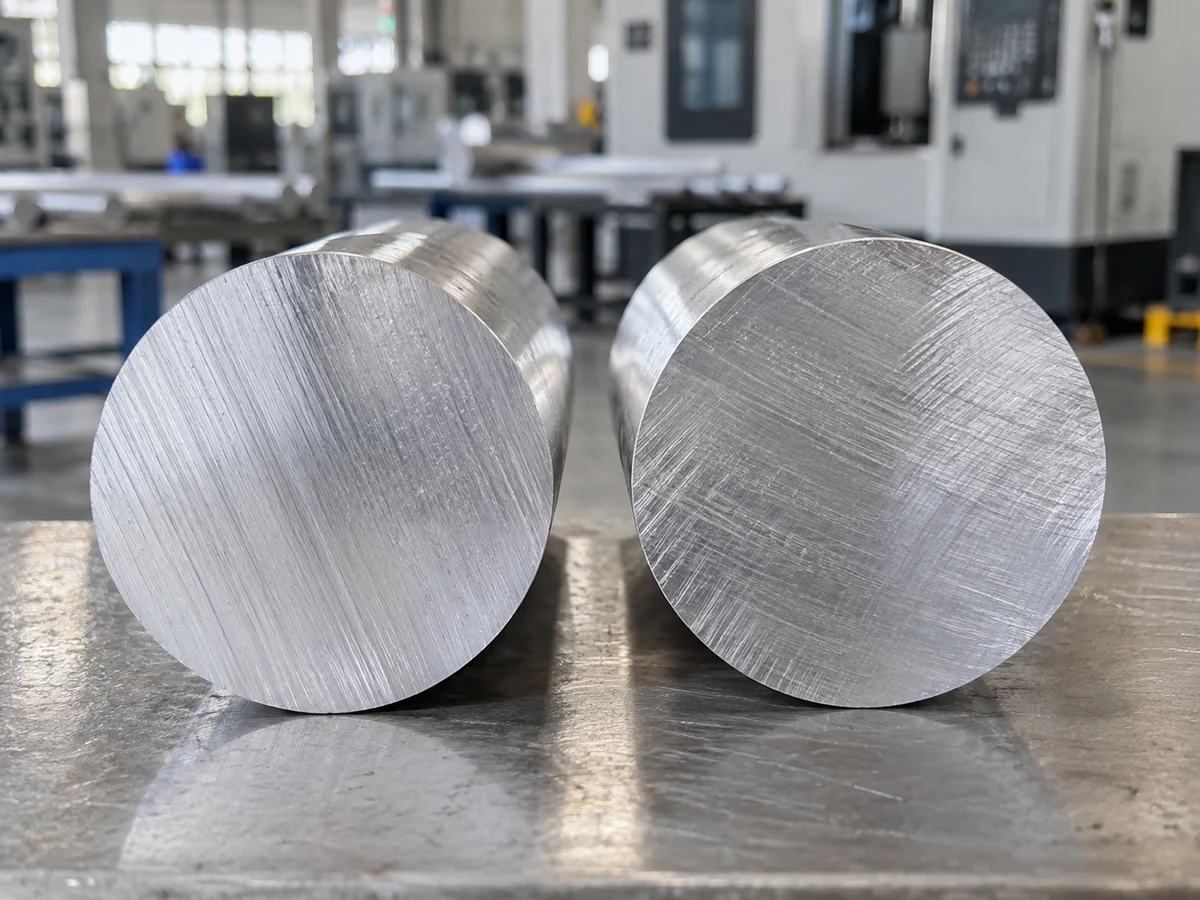
For a solid round bar, tube or shaped section, the workholding question changes. Ask where the stock may touch a locator, how it will be supported before and after the blade, how a short blank is collected, and what prevents rotation or surface damage. A tube’s wall may need different handling from a solid bar; a hex section may need a different contact scheme again. These are trial questions, not a claim that one fixture works for every family.
Bring representative stock from the approved lot and drawing revision to the trial. Agree on sample count, incoming condition, blade and fixture proposal, blank length, cut-face and burr criteria, and inspection tools before running it. Include the smallest and largest ordered lengths and the relevant stock variants. If a different alloy, section or finish is introduced later, document a new assessment. A general saw video shows a sequence, but not this part’s approved contact pressure, capacity or achieved result.
5. Keep machining, threading and finish in their own work packages
After cutting, a body may still need end facing, chamfers, drilling, tapping, external thread production, washing, plating or marking. Some buyers purchase a completed standoff rather than managing those stages. Put a named supplier or cell against each required operation and state what arrives at the next handoff. The saw quotation should include only work actually in its scope, with any required handling or transfer allowance made visible.
Separate purchased studs, inserts and fasteners from the body when they are separate items. Do not assume a male projection is machined from the same bar as the body. Likewise, do not assume a brass body and an aluminum body share a finish or a thread-making route. The approved drawing and bill of materials decide the supply boundary; the cutting trial decides only the aspects of the blank that were actually inspected.
6. Split acceptance into blank, component and assembly evidence
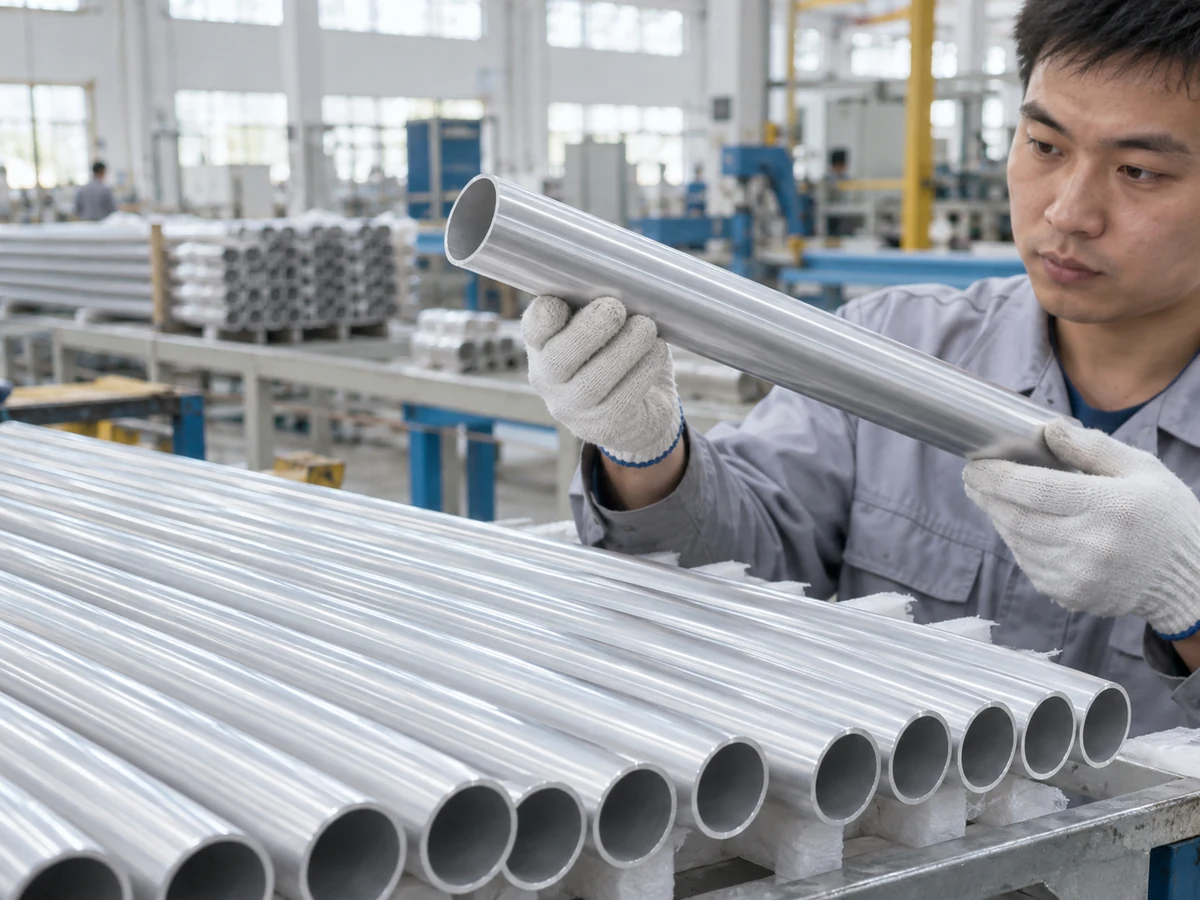
Keep three records apart. Blank evidence covers the approved incoming stock identity, blank length, saw-face condition and transfer quantity. Component evidence covers later geometry, threads, finish and marking against the released standoff drawing. Assembly evidence covers the mating parts and spacing or fastening checks specified by the responsible designer. A clean blank cannot stand in for a thread gauge or installed assembly test.
Specify instruments, datums, sample locations and rejection rules before the trial. Retain the stock heat or lot where required by the buyer’s own traceability plan. Mark different material and end-interface variants clearly so a blank cannot enter the wrong thread or plating route. If the finished part fails, this staged record helps identify whether the issue arose before cutting, at cutting, during downstream machining or at assembly.
7. Compare the full route for the actual order mix
Send expected quantities by body code, stock form, material and blank length over a stated period. Include setup frequency, short-piece handling, first- and last-piece treatment, remnant policy, inspection time and transfer packaging. Then compare the complete route: bought ready-made standoff; bought machined and threaded body; or in-house blank cutting followed by named later operations. A saw cycle-time estimate alone omits much of the real purchasing decision.
Threaded standoff blank cutting RFQ checklist
- State whether the quote is for saw-cut bodies, finished standoffs or an assembled hardware set.
- Attach the approved body drawing, revision, material and incoming stock form for each variant.
- Separate saw blank length from finished body length, stud projection and installed spacing.
- Define cut-face, burr, handling and blank identification acceptance at the saw handoff.
- Name the owners of drilling, threading, coating, purchased studs and assembly checks.
- Set the representative-stock trial, instruments, sample count and pass criteria in advance.
- Give the period, volume and product mix for total-route cost and capacity review.
For threaded standoff blank cutting, send the released body and blank drawings to Jiurun for a job-specific nonferrous cutting assessment. Ask which stock forms and saw options can be evaluated, and accept a configuration or performance claim only from the resulting proposal and agreed sample trial. For a different small-component boundary, see our control knob blank versus assembly guide.
Video context: The Jiurun-owned video below shows a general aluminum-profile saw and handling sequence. It does not show a standoff, brass stock, this buyer’s drawing, a witnessed trial or a guaranteed result.