
Tablet kiosk aluminum post cutting should be quoted against a released post drawing and a defined supply stage. A kiosk may look like one simple vertical member, yet the post can carry a hidden power lead, meet a head mount at one end, and attach to a weighted base at the other. A saw supplier can evaluate an aluminum cut blank; the same quote does not establish the electrical route, anti-theft hardware, stability, or a finished kiosk. An OEM buyer should separate those responsibilities before comparing prices or asking for a sample.
This guide addresses approved aluminum post stock for tablet and point-of-sale stands. It does not prescribe a kiosk structure or certify an installation. The designer and integrator must approve the post section, mating hardware, cable path, tablet enclosure and end-use tests.
Tablet kiosk aluminum post cutting starts with the section
Real products show how different a “tablet stand” can be. Aila describes a floor stand with an aluminum post and an internal power-routing channel, while Classic Exhibits describes engineered aluminum extrusions, a locking tablet enclosure and cord management in its kiosk range. A separate Compulocks counter product combines a tablet holder, a printer arrangement and cable management. These are examples of product architectures, not Jiurun projects or evidence that one stock section or saw setup fits all three.
Start the RFQ with a part-numbered drawing, revision, material specification, stock condition and finish. Say whether the purchase covers bare saw-cut posts, posts prepared for the head and base interfaces, matched post-and-hardware kits, or complete stands. A customer who buys a finished kiosk may have no reason to cut a post in-house. A factory that retains cut-post production needs to specify exactly what leaves the saw station and what another operation will do.
Release the cable path before the cut list
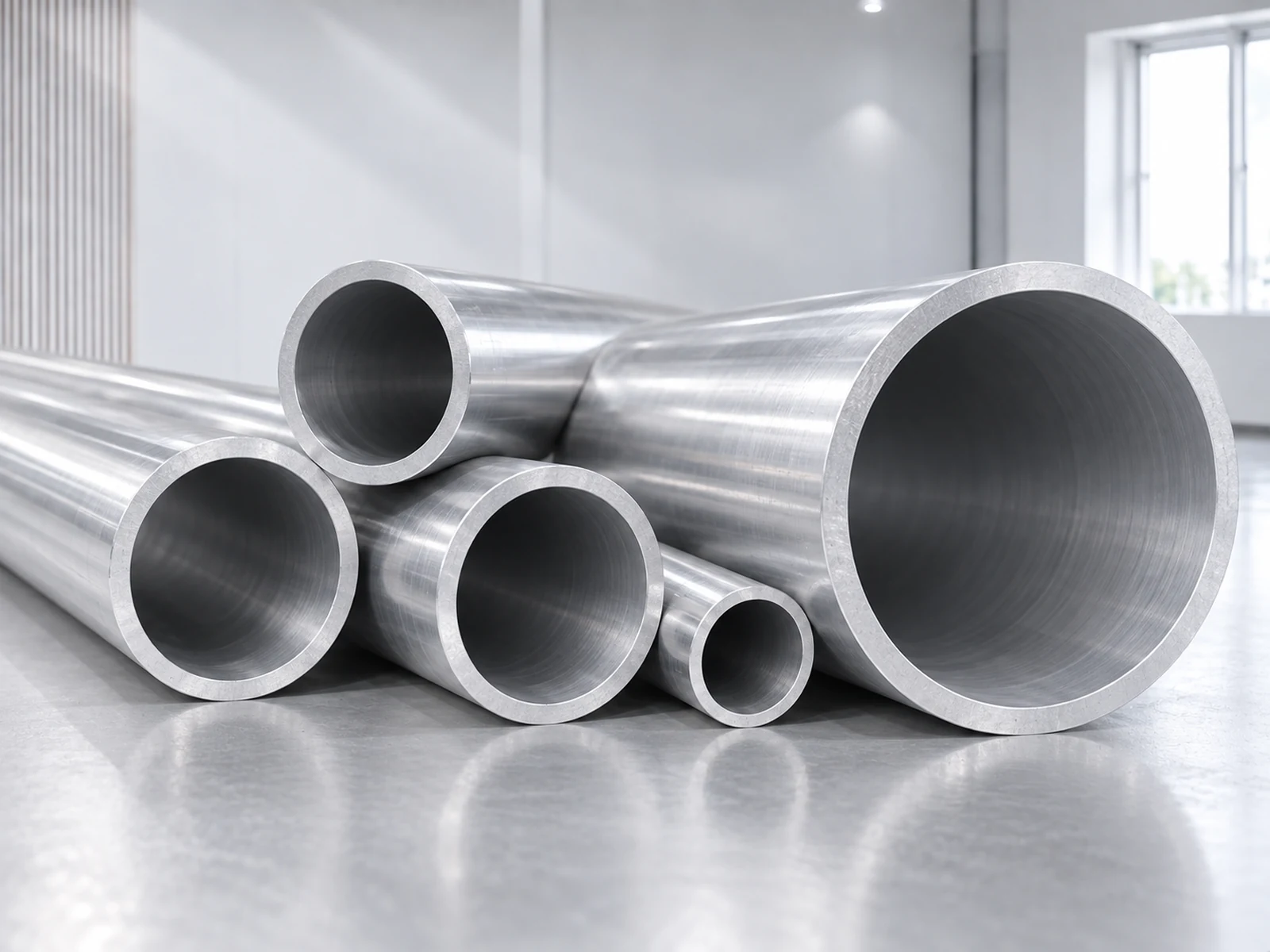
For a post with internal cable routing, an open bore or chamber is only the beginning. The designer must specify where the lead enters, where it leaves, which end is assembled first, and whether a connector must pass through the section. Classic Exhibits describes a cord entering a lower hole and leaving through an upper slot in one of its posts. That example makes the buying question concrete: is the quoted item just a length of extrusion, or does it also include holes, slots, edge protection and a cable-pull check? Those secondary features are separate operations unless the order explicitly includes them.
Ask for the actual approved cable and connector as fit gauges. Define the protected exit edge and who removes chips or burrs from the passage. Do not infer a cable diameter or bend allowance from a photo. An electrical designer must decide conductor, insulation, strain relief and product compliance. A saw-cut end condition can be checked against a drawing, but it cannot prove that a powered kiosk is safe or operational.
If the profile also has an outer accessory groove, graphic channel or removable cover, identify that feature on the drawing and preserve it during support and handling. A small deformation at the top may prevent the head mount from seating; a damaged lower end may interfere with the base. Different ends may therefore need different acceptance notes even when their nominal length is the same.
Define length from the actual head and base interfaces
“Post height” is ambiguous. It might mean the stock blank, the exposed post between fittings, or the overall kiosk height to the top of the tablet. Give the saw supplier a dimensioned cut-blank length and a measurement datum on the aluminum itself. The system owner should separately establish the head insertion, base socket, cover thickness and final height. A supplier should not subtract a generic mounting allowance from the requested length.
For a repeat order, identify the post family, finish, left/right or front/back orientation if the section is asymmetric, and the revision of the mating head and base. Record any allowed end squareness, burr condition and cosmetic face. If a part will be coated after cutting, the sequence and protected surfaces differ from a prefinished extrusion. Agree on the stock condition before the trial so that the sample represents the production route.
Trial the support on the actual approved section
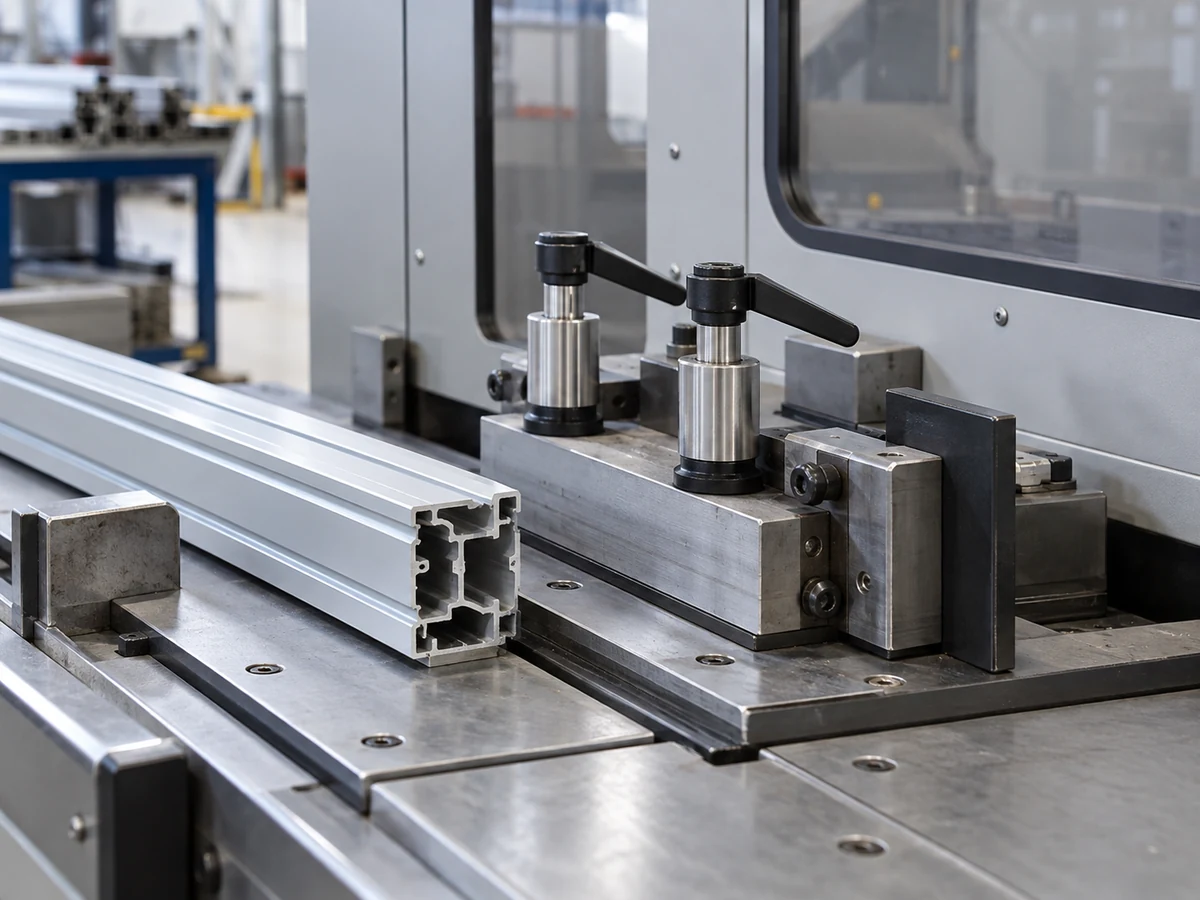
A round hollow tube, a rectangular multi-chamber extrusion and a slotted custom post require different support contact. The manufacturer should assess whether the approved section can be held without crushing a cavity, marking a visible finish or obstructing the cable feature. The buyer should provide a physical sample or accurate section drawing and request a stopped workholding review before a production cut. Then inspect a controlled first-off blank for the agreed length, end condition, face orientation and mating fit.
The saw trial should document the machine configuration, fixture contact points, stock condition, measurement method and sample outcome. If secondary drilling or slotting follows, the handoff must identify which face and end serve as downstream datums. A successful cut on a different extrusion is only a process illustration; it cannot establish this post’s fit or cycle performance.
Make first-off acceptance match the purchase order
Do not accept a post simply because a length measurement passes. The first-off record should answer five practical questions:
- Identity: Does the stock label match the released section, finish and revision?
- Geometry: Is the cut length measured from the approved datum, with the required end and visible-face condition?
- Passage: Can the approved cable or connector pass through the specified route after cutting and chip removal, where that check is in scope?
- Interfaces: Do the actual head and base parts fit the accepted blank without assuming that downstream holes or slots already exist?
- Handoff: Is each accepted post labeled for the right kiosk model, batch and next operation?
Photograph and retain the accepted first-off piece with its drawing revision and inspection decision. Use that piece to align later batches, not as a substitute for ongoing checks. If the OEM changes the tablet head, cable, base or post section, review whether the old first-off remains valid. An unapproved accessory change can alter the fit question while the aluminum blank length stays unchanged.
Compare quotations at the same accepted handoff
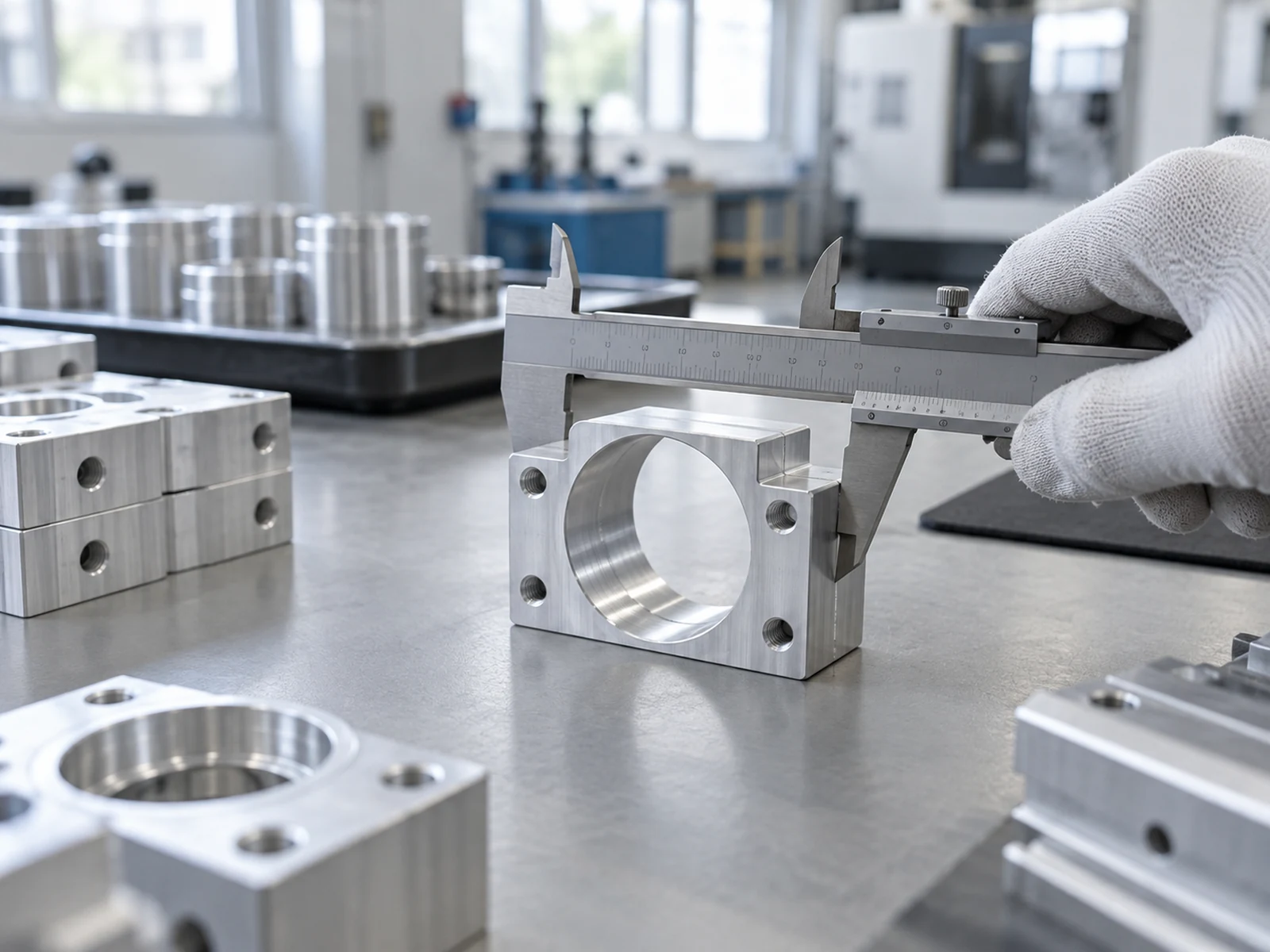
Ask every supplier to price the same accepted unit. A bare cut blank is not commercially equivalent to a prepared post with cable openings, inspected hardware fit and kit labels. In the comparison, list purchased stock, saw setup, first-off inspection, scrap or rejected pieces, secondary machining, finishing, cleaning, packing and the receiving check. Mark each item included, excluded or supplied by the buyer. Do not turn a nominal saw cycle into a total kiosk cost or promise a savings percentage without an approved production study.
The comparison should also show the batch mix. One repeat length can be easier to manage than several post heights, finishes and head variants, but the actual quote depends on the released order. Specify the trial sample count and acceptance decision before asking for output estimates. When a supplier proposes a different fixture, feed method or saw model, require the quote to name the tested configuration and the part families it covers.
What to send Jiurun with a tablet kiosk post RFQ
Send the released post section and revision, material and finish condition, stock length, required cut lengths and quantities, distinct top and bottom end notes, visible surfaces, approved head and base parts, and the cable/connector route to preserve. State whether the order ends at bare cut blanks or includes secondary features and kit packing. Include the actual first-off acceptance method and any fixture restrictions. Jiurun can review an aluminum profile cutting machine against the supplied stock and saw scope; the kiosk integrator remains responsible for the complete stand, wiring, mounting and end-use approval.
The short clip below shows a related Jiurun aluminum cutting machine view. It does not show this tablet kiosk post, the named manufacturers’ parts, a customer order, an electrical check or an accepted performance result.
Next step: send the released post drawing and first-off acceptance plan to discuss a cutting-equipment evaluation for your actual aluminum stock and handoff.