
A cover strip may fit an uncut structural profile and still catch at the freshly cut end. Before ordering a batch of aluminum members, define what the T-slot cover must do, when it will be inserted, and which cut-end condition the receiver will accept. T-slot cover fit is an assembly question as well as a length-cutting question. The saw supplier can demonstrate a representative aluminum profile cut; the profile-system owner must approve the cover, slot and finished assembly.
This guide is for buyers of straight aluminum structural profiles with a separate slot cover or closure strip. It does not assume that a Jiurun saw supplies a cover, cuts plastic accessories, or validates an installed framing system. The exact profile and cover combination, material and assembly method come from the approved system documents.
Start with the cover’s job, not the saw setting
A slot cover can hide a groove, help keep dirt out, provide a finished appearance or serve another system-specific function. These are different acceptance purposes. mk’s profile-system overview distinguishes closure strips, cover profiles, wear strips and end caps. Do not treat a front-end cap as a substitute for a strip that runs along a slot. Conversely, a strip in the groove does not resolve a sharp or unfinished profile end.
Ask for the exact profile series and slot size, the cover’s approved part number and material, the length or position to be covered, and any places where connectors, nuts, cables or access must remain exposed. A drawing showing a clean continuous line may omit those interruption points. Keep them on the released member drawing or assembly instruction rather than guessing them at the saw.

Separate the structural member length from the cover length
The saw-cut aluminum member and the cover strip may end at different places. A connector may need an exposed stretch of slot; a corner joint or end cap may cover the member end; a cover may stop short of an inspection or fastening area. Record the approved member length and the cover location independently. A note such as “same length as profile” should be used only if the system owner has actually approved it for that member.
Materials also matter. Bosch Rexroth’s framing catalogue lists both aluminum and polymer cover profiles for different slot sizes. An item product note describes a particular polypropylene cover cut with multipurpose pliers and inserted into a Line 8 groove. Those maker examples demonstrate that “cover profile” is not a single material or cutting method. They do not authorize running a plastic strip through an aluminum circular saw or applying their dimensions to another brand’s slot.
For a quotation, distinguish the aluminum saw-cut blanks from covers supplied separately, covers pre-cut by their manufacturer, and any cover installation service. State who owns each cut and who checks the final fit. If the customer expects a cover already installed in each delivered member, identify that as a different deliverable rather than treating it as an unpriced finishing detail.
Check the cut end where the cover meets the slot lip
A length reading cannot show whether a cover will enter the approved slot after cutting. On a representative first-off member, the responsible team should look at the slot mouth and end condition required by the drawing, then try the actual approved cover with the approved assembly method. Record any snag, incomplete seating or interference at the end. Do not infer cause from a photograph alone: the profile, cover, cut-end condition and assembly sequence all need identification.
Agree who may assess and correct an unacceptable edge. A buyer may specify an edge condition or a separate finishing step, but should not invent a universal burr limit or promise that every cover design fits after a nominally square cut. The related end-cap guide addresses front-face caps; this review concerns the long slot and its cover. If chip buildup affects fixture contact, the separate clamp-jaw service guide explains why a maintained contact surface matters, without proving any cover’s fit.

Choose the insertion stage deliberately
There are at least three plausible routes: cut the bare aluminum member and insert a separately prepared cover later; receive a cut member plus a matching loose cover in a labeled kit; or evaluate a supplier-approved process involving a cover already in place. The last route needs explicit review of the particular cover, saw setup and accepted output. Do not assume that a mounted cover survives clamping, sawing or handling because the uncovered extrusion cuts well.
The point of insertion may also change access to the slot. If hardware must slide in from an end, confirm its position before closure. If a cover must remain removable for service, that requirement belongs to the system owner and should be tested with the actual accessory. Keep a drawing revision or job identifier attached to the sample so a later cover or profile change cannot be mistaken for the approved pair.
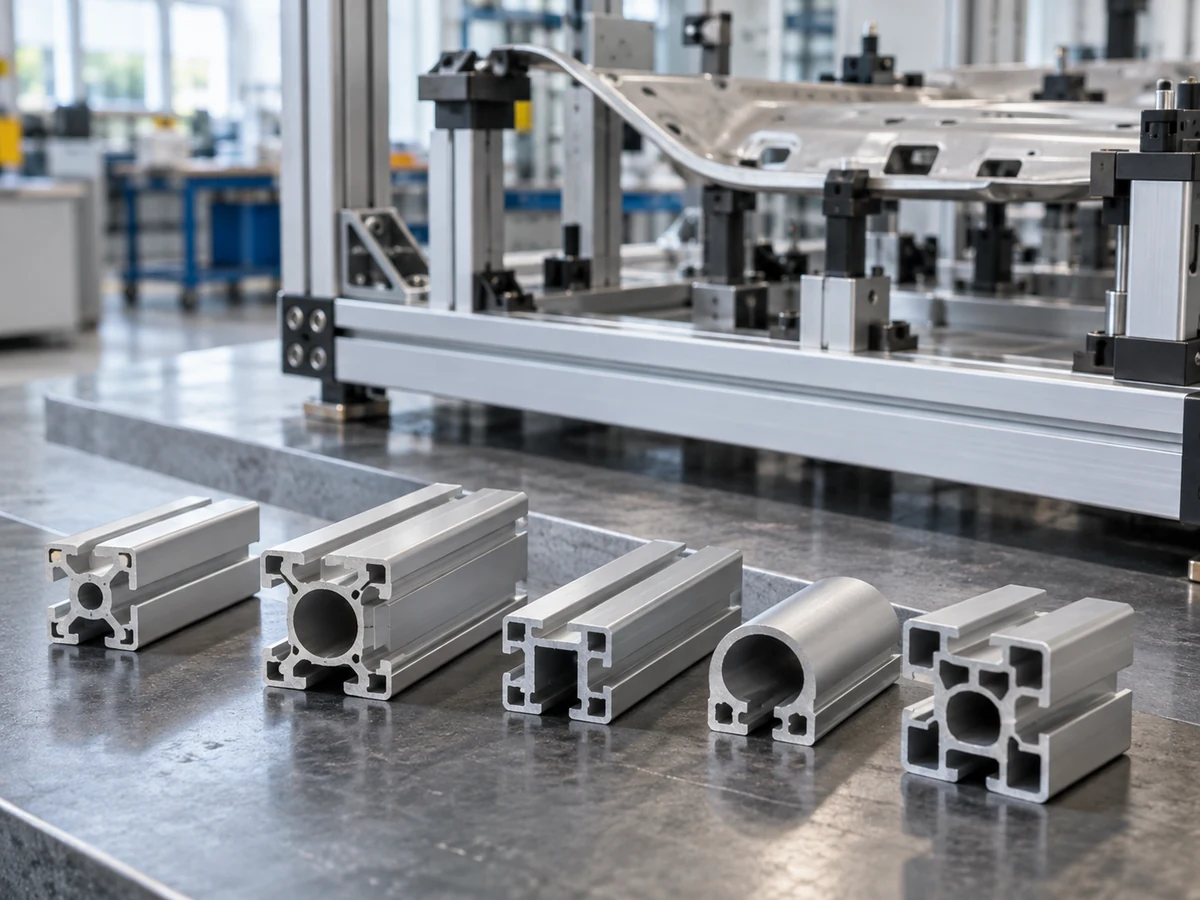
Witness one complete member, then release the batch
A useful first-off check follows one identified member from approved stock and drawing to cut blank, cut-end inspection, cover placement and the receiving assembly’s judgment. Retain the profile and cover identifiers, the measured member length, the intended exposed-slot areas, the observed fit, and the disposition of any held sample. If the cover supplier or framing-system designer must approve an interface, their signoff cannot be replaced by a saw demonstration.
For example, suppose a frame drawing requires a cover along the visible slot but leaves an end region for a connector. The buyer should state the aluminum blank length separately from the approved cover span and test that exact arrangement on one representative member. The example has no universal gap value: the system drawing and approved hardware set the actual dimensions. A satisfactory bare cut confirms only the bare-cut observation until the cover and connector check is complete.
The machine video below shows a Jiurun aluminum-saw equipment example. It helps identify the kind of saw and profile-handling discussion to have with the supplier. It does not demonstrate a T-slot cover, the pictured media’s exact profile, an approved configuration or cover-fit performance.
Send a cover-fit brief that can be answered
For an aluminum saw enquiry, send the approved profile drawing or sample, material and finish, required cut lengths and quantities, end condition, and the slot areas that must remain open. Include the exact cover and hardware references, their material and supplier instructions, the delivery stage expected, and the person who can accept the assembled fit. Mark unresolved details as open decisions instead of describing them as machine capability.
Ask JiurunCut to assess the aluminum member cutting portion against the proposed machine and a representative trial. Ask the profile-system supplier or assembly owner to confirm the cover’s material, installation method and fit criteria. Those two replies together support a meaningful quotation and first-off review. Share your profile and cover details with JiurunCut to discuss the cut-blank scope.