
Photobioreactor aluminum frame cutting is a mechanical fabrication task for the support structure around a culture system. It does not establish the suitability of the culture tubes, seals, pumps, lighting, or biological process. An RFQ should keep those scopes separate so a saw shop can price a measurable cut kit and the PBR designer can retain responsibility for the system interfaces.
Published PBR designs show why that distinction matters. PSI describes a glass cultivation vessel supported by an aluminum frame with wheels. Algae Living describes organic-glass pipes, a 4040 aluminum frame, stainless tube holders, PVC connectors, and other system parts. MBS Item describes an aluminum-profile modular enclosure for algae farming. These are examples of different architectures, not evidence that JiurunCut manufactured or validated any of them. Use the released drawing for your own project.
Photobioreactor aluminum frame cutting: define the cut kit
Before selecting a machine or asking for a price, decide what the supplier is expected to deliver. A bar of extrusion, a batch of saw-cut members, a labeled kit with specified end preparation, and a complete assembled photobioreactor are different procurement stages. The cut shop can quote member lengths, angles, quantities, labeling, and agreed inspection. The system designer must define how those members join the vessel, tubing, holders, service panels, wheels, and electrical equipment.
| Requested stage | Information needed | Acceptance evidence |
|---|---|---|
| Extrusion stock | Approved section, alloy/temper if specified, finish, stock length | Profile and material identification against the order |
| Saw-cut members | Member IDs, cut lengths, angles, quantities, datum and tolerance | First-off and batch measurements to the released drawing |
| Prepared frame kit | Hole or end-work scope, hardware interface, labels and packing sequence | Kit reconciliation and agreed fit check |
| Complete PBR | Vessel, tubing, fluid, lighting, controls and validation requirements | System-level tests defined by the responsible OEM |
A cutting RFQ should stop at the stage actually being purchased. It should not imply that a clean cut face proves a leak-tight, cleanable, illuminated, or productive reactor.
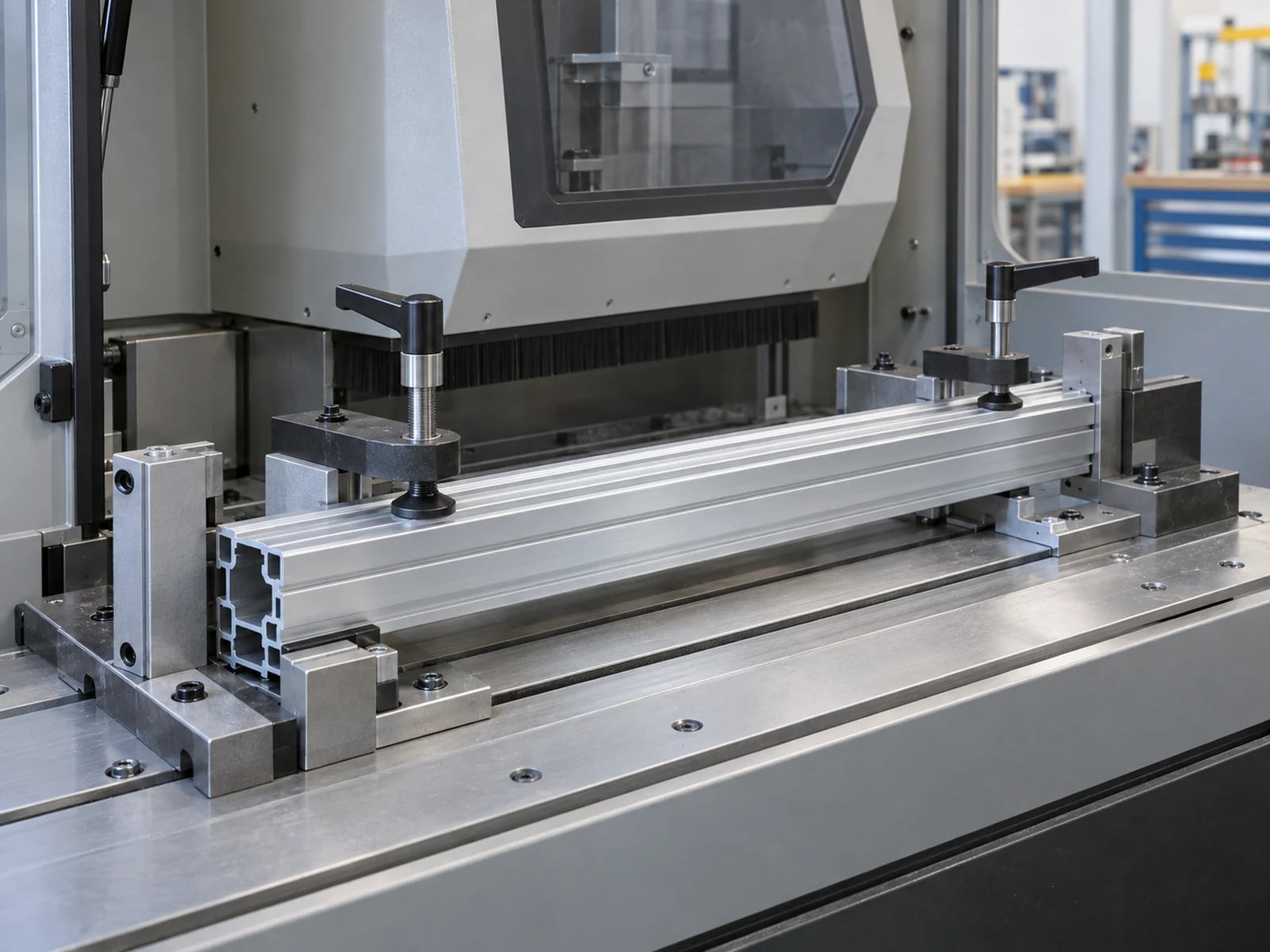
Release a member schedule before choosing the saw setup
The frame designer should issue one controlled cut list with drawing revision, profile section and orientation, member ID, location in the assembly, quantity, nominal finished length, angle or miter, datum, tolerance, and any end preparation. Identify finish-sensitive faces and the permitted burr or edge condition. Where a member is symmetric on paper but not in assembly, mark its reference face and direction of travel through the saw.
Do not infer dimensions from a photograph or a marketing description of a PBR. A nominal “4040” label, for example, does not establish the specific wall shape, slot geometry, alloy, finish, or clamping face approved for your frame. Ask for a profile drawing or a physical approved sample. If a tube holder, corner bracket, or access panel references an extrusion slot, the designer must check that mating geometry independently.
Identify the interfaces the frame must leave accessible
A reactor frame surrounds items that may need installation and maintenance: culture vessels or tubes, holders, hoses, connectors, lighting, pumps, sensors, doors, and sometimes casters. The cutting supplier needs only the dimensions and features that affect the member kit, but the assembly owner should map every interface before the list is frozen. Check that crossmembers do not obstruct tube removal, hose routing, cleaning access, inspection points, or service-panel travel. Reserve clearance based on the actual component drawings and the required maintenance procedure, not a generic allowance.
Long frame members may also have orientation and cosmetic requirements. Mark the visible face, the bracket face, the direction of slots, and which ends are paired. If the frame is mobile, the caster mounting and resulting loads belong to the designer’s structural review; a saw trial cannot validate them. Likewise, a cut kit cannot establish fluid compatibility or culture performance.
Trial the approved section at the critical cuts
For a new section, request a small first-off trial using the approved extrusion and an agreed saw setup. Inspect the shortest and longest members, any angled ends, and the faces that meet brackets or holders. Confirm clamp contact without crushing thin walls or marking a protected face. Check the selected datum and measurement method before running a full batch. A representative sample should include any end condition that is difficult to support or inspect.
Record measured length and angle against the released tolerance, plus burr, edge condition, visible damage, and repeatability on the agreed sample. A dry fit with approved connectors can reveal interface problems, but it must be scoped by the assembly owner. A trial on another extrusion is useful for understanding equipment operation only; it is not acceptance evidence for the PBR project.
Related saw-process video
The Jiurun Machinery video below shows a general equipment and feeding process. It is an illustration only, not this article’s PBR material, frame configuration, project trial, or biological performance.
Compare supply routes at the same acceptance stage
Buying a complete PBR, outsourcing a cut frame kit, and cutting the members in-house can all be sensible choices. Compare them at the same accepted output: labeled members or a fitted frame, as appropriate. A low per-cut price is incomplete if it excludes setup, first-off inspection, scrap, end work, labeling, protective packing, or a second operation. An in-house route needs an operator, fixturing, measurement, maintenance, and a way to manage drawing revisions. A complete-system purchase includes responsibilities that the cut-kit supplier does not assume.
Ask each bidder to state exclusions and the evidence delivered with the shipment. If a later revision changes the vessel arrangement or holder spacing, quantify how many member IDs and setups change. This makes the decision auditable and helps avoid comparing a raw-cut quote with an assembled-system price.
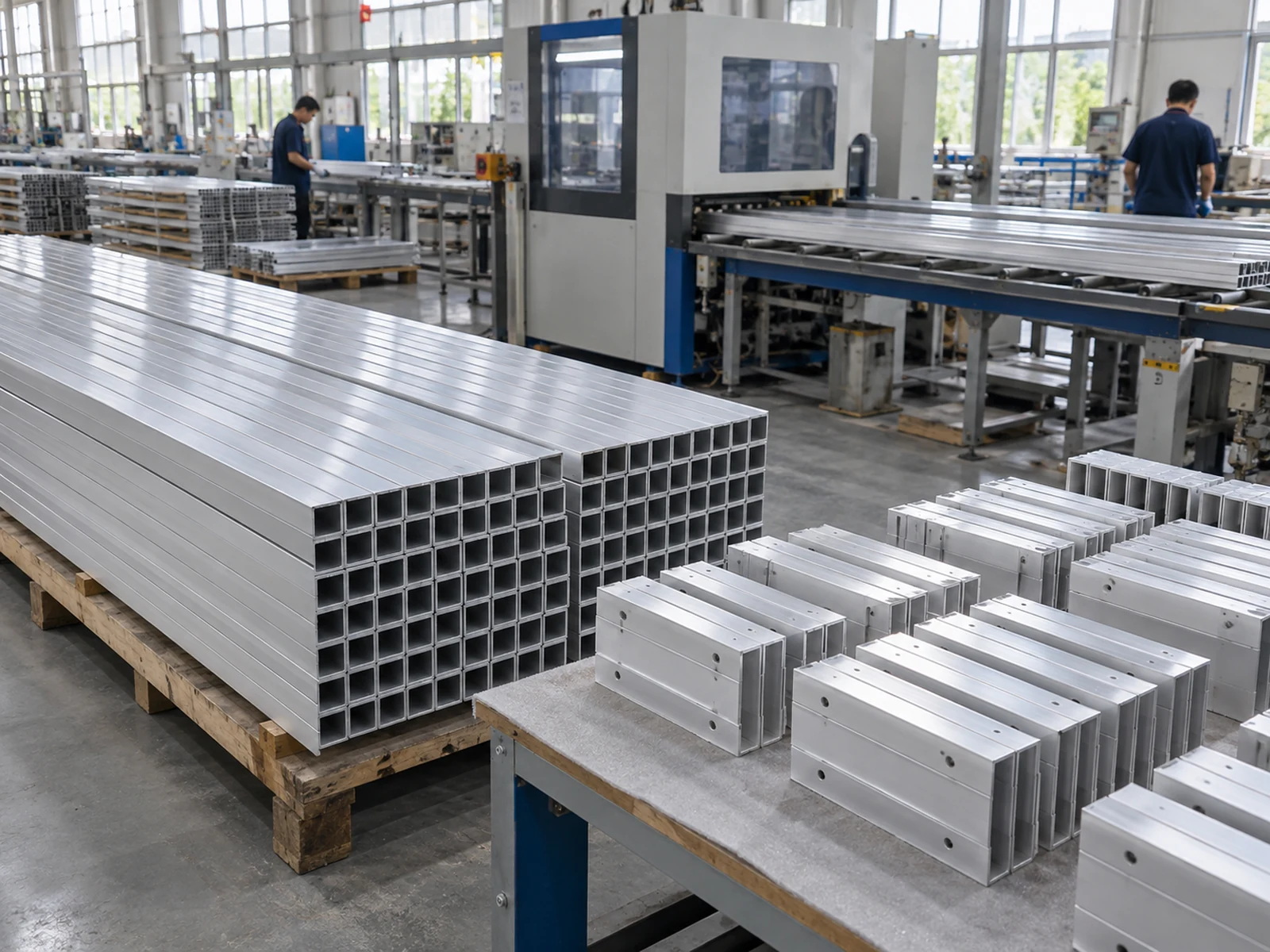
Seven checks to send with a photobioreactor frame RFQ
- Define the deliverable: stock, cut members, prepared kit, or assembled frame.
- Attach the released profile: section drawing, revision, approved sample, finish and protected faces.
- Provide the cut schedule: member IDs, orientation, lengths, angles, quantities, datum and tolerances.
- Mark mating interfaces: holders, brackets, access panels, services and caster locations where they affect members.
- Specify first-off checks: critical members, measurement method, burr condition and approved fit check.
- Set identification and packing: labels, paired pieces, finish protection and shipment sequence.
- State exclusions: vessel, tube, fluid, electrical, biological and system validation responsibilities.
Frequently asked questions
Can a saw supplier quote from a PBR photograph?
A photograph can help discuss layout, but a firm cut-kit quote needs the released profile and member schedule. Pictures cannot reliably establish length datums, wall geometry, tolerances, or mating interfaces.
Does a 4040 frame label define the cutting setup?
No. The specific extrusion drawing and physical sample determine how the material is supported and measured. Confirm the approved section and finish before a first-off trial.
What can a frame cutting trial prove?
It can provide evidence for agreed cut dimensions and edge condition on the material actually trialed. It cannot prove reactor sealing, cleanability, structural adequacy, growth yield, or system safety.
Request a cut-kit review
Send JiurunCut the approved aluminum profile drawing, member schedule, critical interface drawings, expected volume, and acceptance criteria. We can discuss the cutting scope and the information needed for a first-off plan. Keep the PBR system requirements with the responsible designer and validate the assembled system separately. Contact JiurunCut with your RFQ.