
An operable wall starter jamb may look like a simple aluminum length, but the cut is controlled by the approved wall layout, the closure type, and the track interface. A purchasing team that asks only for “jambs cut to opening height” can receive parts that are straight and clean yet unsuitable for the installation. The useful RFQ separates factory-supplied blanks, any authorized site trim, and the finished wall system.
This guide explains which dimensions and decisions to put on the drawing before requesting cut aluminum extrusions. It uses the KWIK-WALL operable-wall installation instructions as one manufacturer example. Those instructions do not authorize the same cut on every brand or closure. Obtain the current instructions and approved shop drawing for your actual system.
Start with the closure, not the saw
The starter jamb forms the vertical interface between the wall opening and the lead panel. In the KWIK-WALL example, an adjustable starter jamb uses two aluminum extrusions and can be adjusted for a wall that is out of plumb. A fixed starter jamb uses one aluminum extrusion. The adjustable version also interlocks with the lead panel. Ordering either one by a generic profile name risks omitting a mating piece or choosing the wrong closure.
Ask the wall supplier to identify the exact jamb type, profile or part revision, finish, handedness if applicable, and mating panel interface. Mark the location on the approved elevation or shop drawing. A photograph of an aluminum post does not establish that it is the specified operable-wall part.
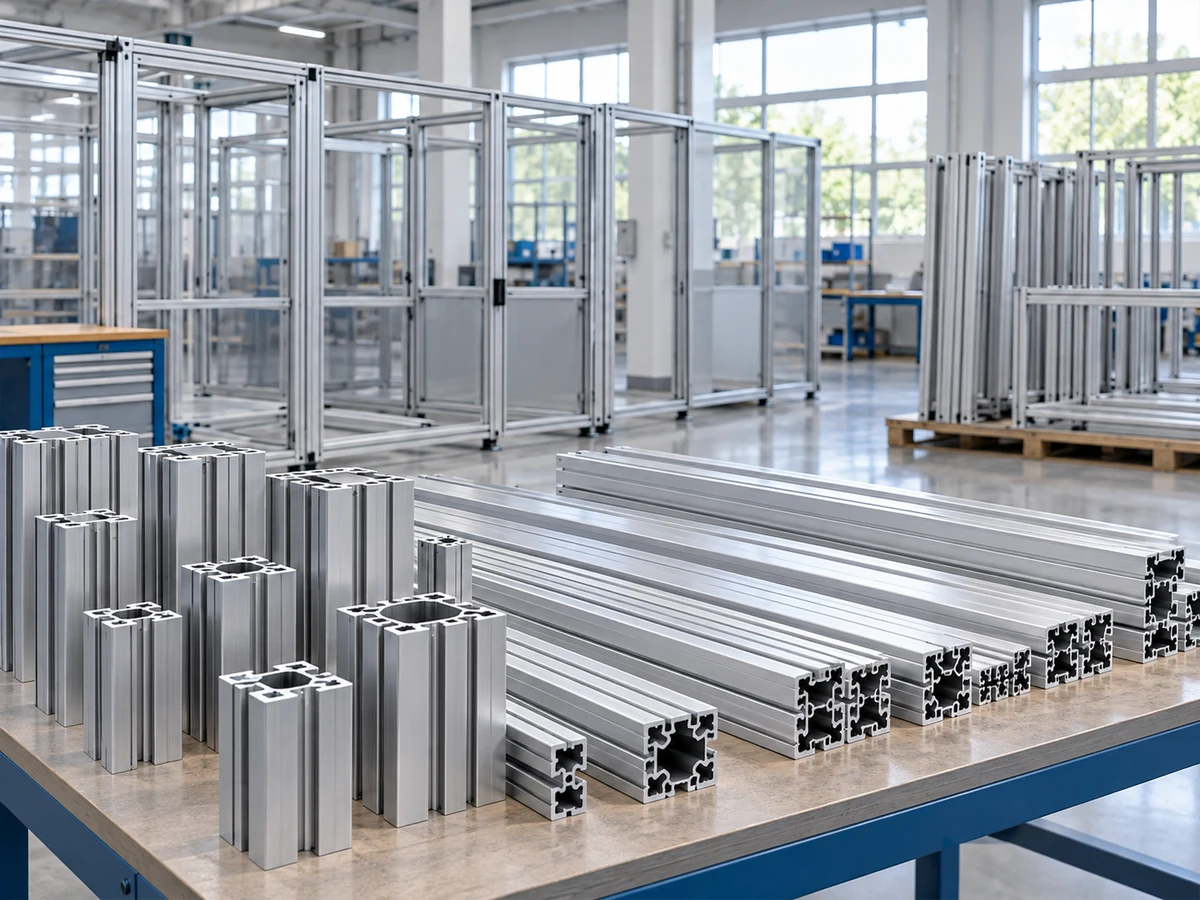
Which end may be cut?
A critical detail in the cited KWIK-WALL instructions is the top interface. The top of the starter jamb butts against the bottom flange of the track. For both the adjustable and fixed starter jamb instructions, the manufacturer says that if the jamb is too tall, the installer cuts from the bottom. That is a system-specific field instruction, not a general license to trim any end of any operable-wall profile.
If a supplier is providing blanks to be cut in a workshop, the purchase drawing should still identify a top datum and a bottom cut end. It should also distinguish a finished factory length from a site allowance. Do not copy an opening height directly into the cut list until the wall supplier has accounted for the track position, ceiling conditions, floor elevation, closure hardware, and installation tolerance. A cut that removes the intended top interface cannot be fixed by a smooth edge.
Keep track parts and jamb parts separate on the cut list. The same installation document calls for an escapement track section according to the drawing and warns that the track’s bottom inside flanges must be clean and free of burrs before panels are installed. That does not turn a track detail into a jamb cutting rule. Label each extrusion by its own part and operation.
Build a cut list that can be checked
For each starter jamb, specify the wall or opening identifier, drawing revision, jamb type, profile revision, quantity, finish, nominal finished length, length tolerance approved by the wall supplier, top datum, allowed trim end, and disposition of offcuts. If there are two mating extrusions, identify each piece and whether their lengths must be matched. Indicate which party has authority to approve site trimming and whether any finish repair is needed at the exposed end.
KWIK-WALL also instructs installers to confirm the completed opening against the approved shop drawing, and labels panels with project, wall, and sequence information corresponding to that drawing. The practical procurement lesson is to keep the cut list traceable to the same controlled revision. When the opening differs from the drawing, return the discrepancy to the project team before releasing a revised cut length. Do not let an informal tape measure silently become the new design authority.
A useful RFQ might say: “Supply identified fixed starter-jamb extrusion for Wall W-04 to approved drawing revision C; maintain the specified top track-interface end; cut only the drawing-designated bottom end to the approved shop length; label each piece and record measured length.” Replace every example value with the actual system documentation. If the OEM requires a full-length blank for field trim, request that route instead.
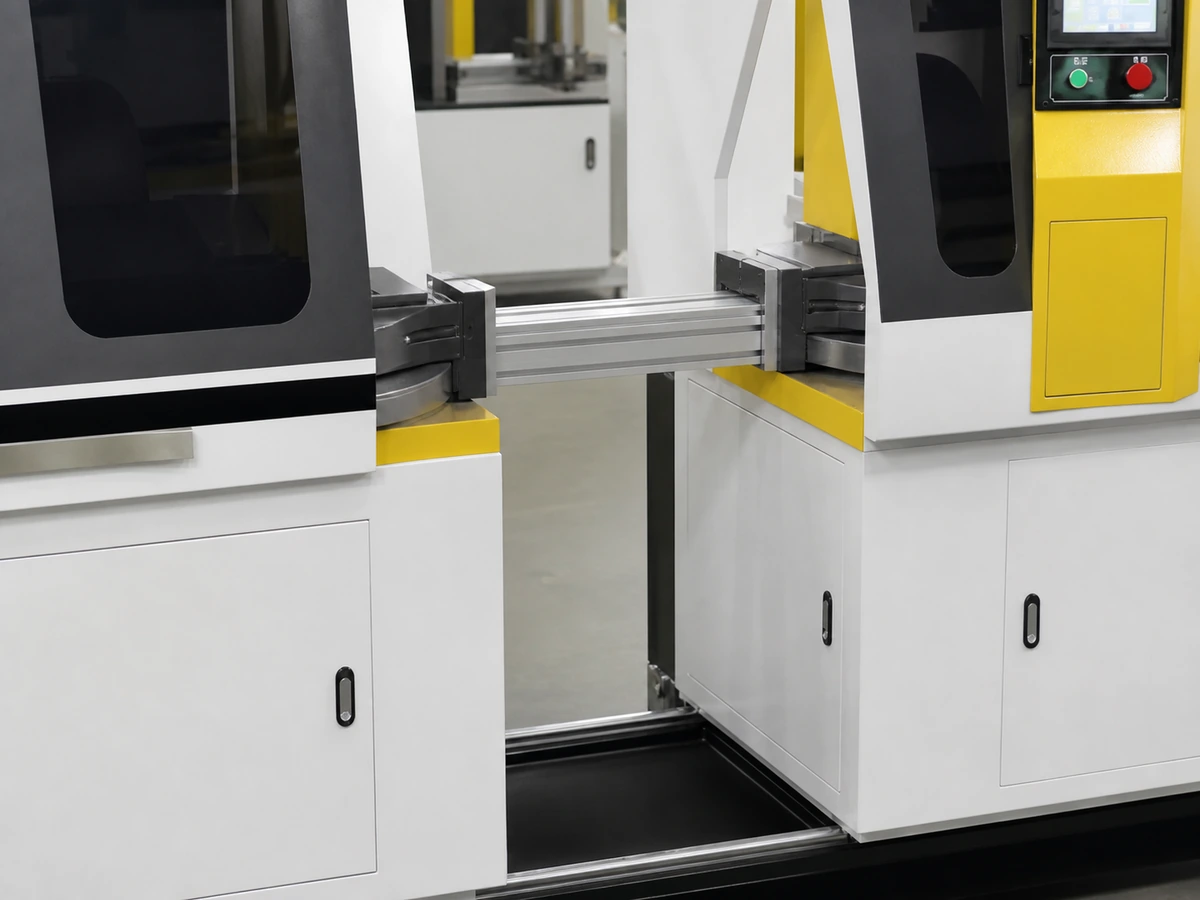
What to check at the saw and after the cut
Before a production batch, compare the physical extrusion with the part drawing. Confirm the top datum, the face that must remain presentable, the allowed cut end, and whether the profile can be clamped without crushing a visible or functional surface. Establish an approved trial piece for length measurement and end condition. The machine supplier can discuss workholding, feed, blade choice, and repeatability, but the wall OEM or its authorized installer must decide whether the resulting part meets the wall-system requirements.
At release, inspect measured length against the approved tolerance; check that the cut is square to the defined reference faces; remove hazardous burrs without altering a required interface; look for clamp marks, coating damage, and distortion; and segregate mismatched pieces. Record the inspection method and a sample frequency appropriate to the order. Do not infer an acoustic rating, fire classification, or installed-wall performance from the appearance of a cut sample.
If the extrusion has pre-punched holes, seals, inserts, or a shaped end, place those features on the drawing and confirm they survive the planned trim. A saw setup should not “correct” a length by moving the datum to a convenient feature that the installation instructions depend on. Where the approved drawings conflict with the field opening, pause that item and obtain a documented decision.
Shop cut, site cut, or complete wall supply?
These are three different buying decisions. A shop-cut order needs a controlled part and length schedule. A site-cut order needs the OEM’s written trim instruction, suitable access, and an installer who can verify the opening. A complete operable-wall order includes many components beyond the jamb and may require the OEM’s coordination, installation, and system acceptance. A cutting-machine quote covers the cutting process; it does not certify the completed partition.
If the project team cannot identify the exact jamb and approved trim end, request the OEM’s part schedule before placing a cut order. If it can, ask the cutting supplier how it will maintain the specified datum, protect the finish, label paired components, and document the first-article measurement. Those answers make quotes comparable and reduce the chance of receiving accurate pieces for the wrong drawing.
Questions to send with the RFQ
- Which wall, drawing revision, closure type, and exact extrusion part number apply?
- Is the jamb fixed or adjustable, and how many mating pieces are required?
- What is the protected top interface and which end, if any, may be trimmed?
- Is the ordered length a finished shop dimension or a blank with site allowance?
- Who approves tolerances, finish repair, and deviations found in the opening?
- How will pieces be labeled and measured before shipment?
Send the approved drawing and a sample or profile print with your inquiry. Ask JiurunCut about aluminum-extrusion cutting equipment with the profile, length range, tolerance target, and volume. For wall-system approval and field modification, consult the operable-wall manufacturer and the project’s authorized installer.