
Museum display case aluminum frame cuts begin with the case maker’s approved enclosure design, not a generic rectangular cut list. A table case, wall case and freestanding cabinet can place glazing, access hardware and seals in different locations. The saw supplier can quote aluminum cut blanks and a documented sample trial, while the museum case builder remains responsible for assembly, material compatibility and conservation performance. These seven RFQ checks keep those responsibilities clear.
For example, SmallCorp’s T-600 case uses an aluminum collar, removable vitrine, deck and silicone gasket. The Canadian Conservation Institute’s display-case airtightness bulletin explains why enclosure leakage needs its own measurement. These are examples of system design and testing, not specifications for Jiurun equipment or proof that any saw cut creates an archival enclosure.
1. Freeze the enclosure drawing and the cut supplier’s scope
Ask for a controlled assembly drawing and revision for every case size. Identify the cut supplier’s deliverable: straight extrusion blanks, miters, deburred pieces, drilled members or labelled frame kits. List the work that belongs to other parties, such as glazing, hinges, locks, gaskets, sealants, lighting, decks and environmental controls. An outside width and height alone cannot define a member length when the corner construction and glazing rebate remain unspecified. The buyer should approve the member schedule before it reaches the saw.
2. Identify every section and the face that must survive cutting
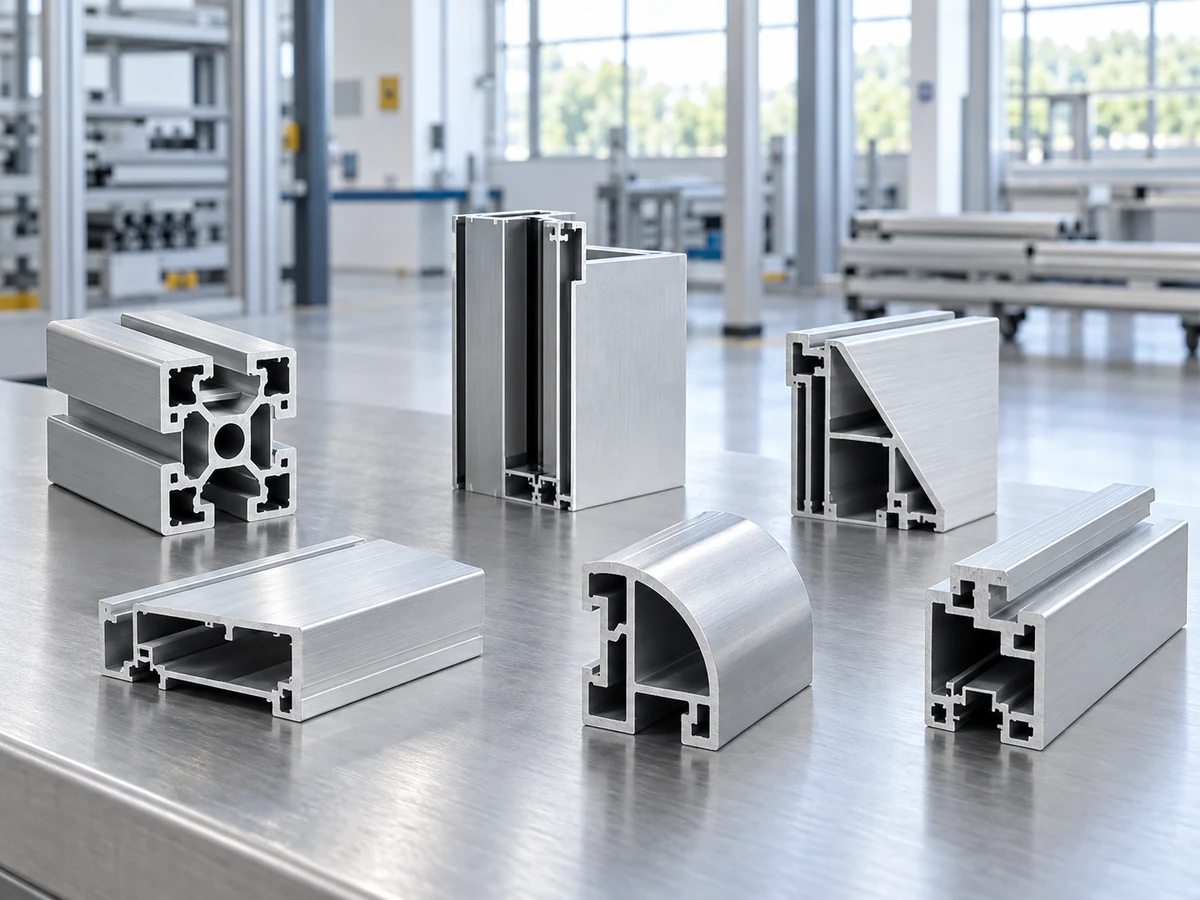
Provide a cross-section drawing, alloy and temper if specified, finish, part number and physical sample for each rail, upright and collar. Mark the visible face, glazing or gasket channel, fastener cavity and any surface that must not contact a clamp. A mechanically similar T-slot extrusion cannot be substituted for a proprietary case section on appearance alone. Record profile revision and coating state in the RFQ because both can change workholding and final dimension checks.
3. State the corner joint, datum and finished cut length
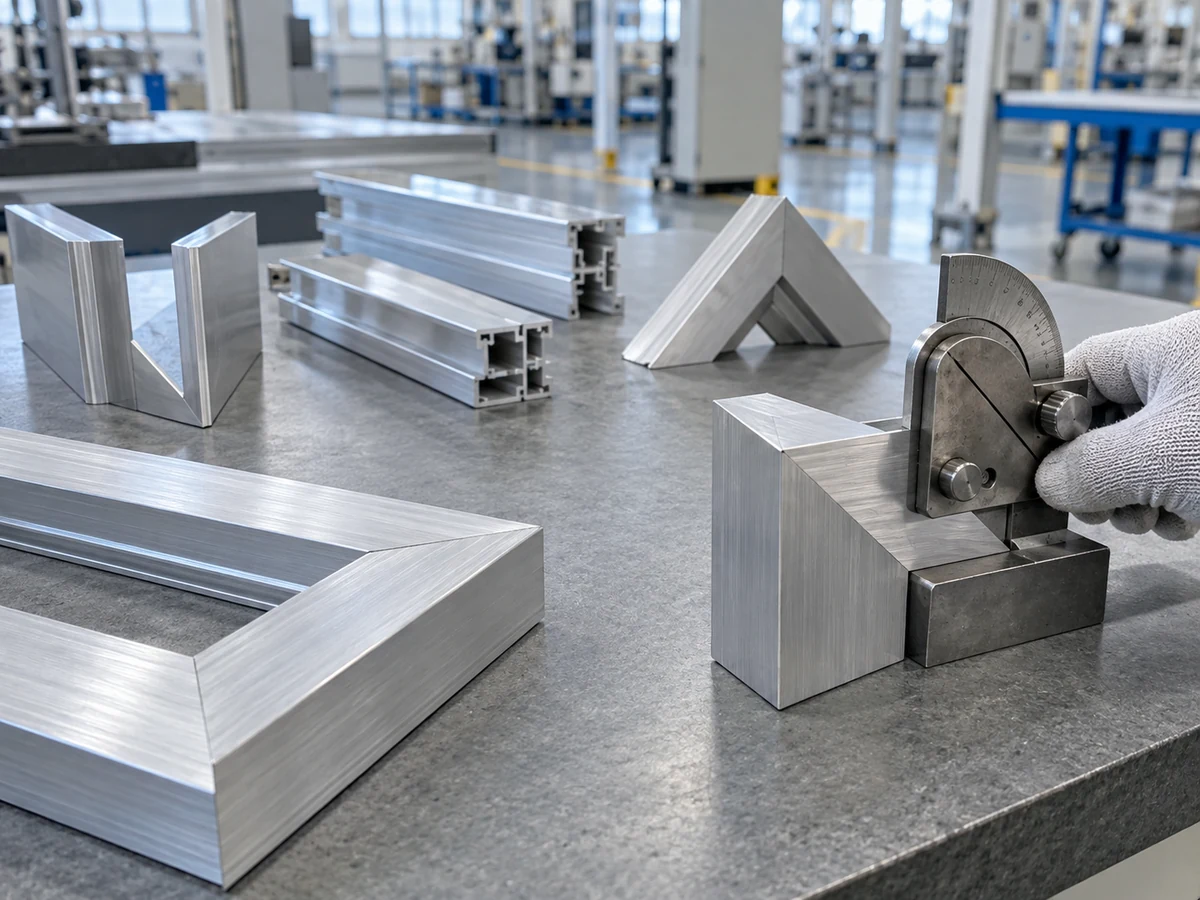
Do not assume every display case uses a 45-degree miter. The approved design may use square cuts, concealed connectors, a fabricated collar or a different corner detail. For each cut member, state the angle convention, long-point or short-point length where relevant, end orientation, quantity, tolerance and whether inspection occurs before or after finishing. Give left and right members separate identifiers when the sections are asymmetric. Request an assembled corner sample if the geometry or visible joint line is critical.
4. Keep the seal path in the case maker’s drawing
Where the case uses a gasket, the designer should mark its groove, compression direction, corner continuity and interfaces with doors or removable vitrines. Cutting can affect the rail end and joint fit, but a clean miter alone does not establish an airtight case. The Canadian Conservation Institute describes measured enclosure air exchange and leakage mechanisms; those checks belong to the assembled case and its responsible conservator or case maker. Ask the buyer to define any gap, corner-fit or surface-damage acceptance criterion that the cut supplier can actually inspect.
5. Separate finish quality from conservation claims
Specify burr limits, visible-face marks, edge damage, protective-film handling and any post-cut deburring responsibility. Preserve the approved coating and keep cutting debris away from gasket channels and glazed surfaces. Material emissions, archival suitability, humidity control, UV protection and display-case security are separate system decisions. A saw supplier should not infer those properties from the appearance of the cut blank, a machine video or an illustration.
6. Trial the actual profile and record workholding contact
Run the trial on the specified section and finish rather than a convenient substitute. Photograph the profile orientation, fence and clamp contacts, infeed and outfeed support, cut ends and any visible deformation. Record the drawing revision, target and measured dimensions, blade and setup used for the sample, plus the buyer’s acceptance decision. A narrow glazing lip or hollow fastener channel may require a different support point from a solid rectangular bar. The trial record is specific to those conditions, not a general promise across all museum case profiles.
7. Release labelled kits with an inspection trail
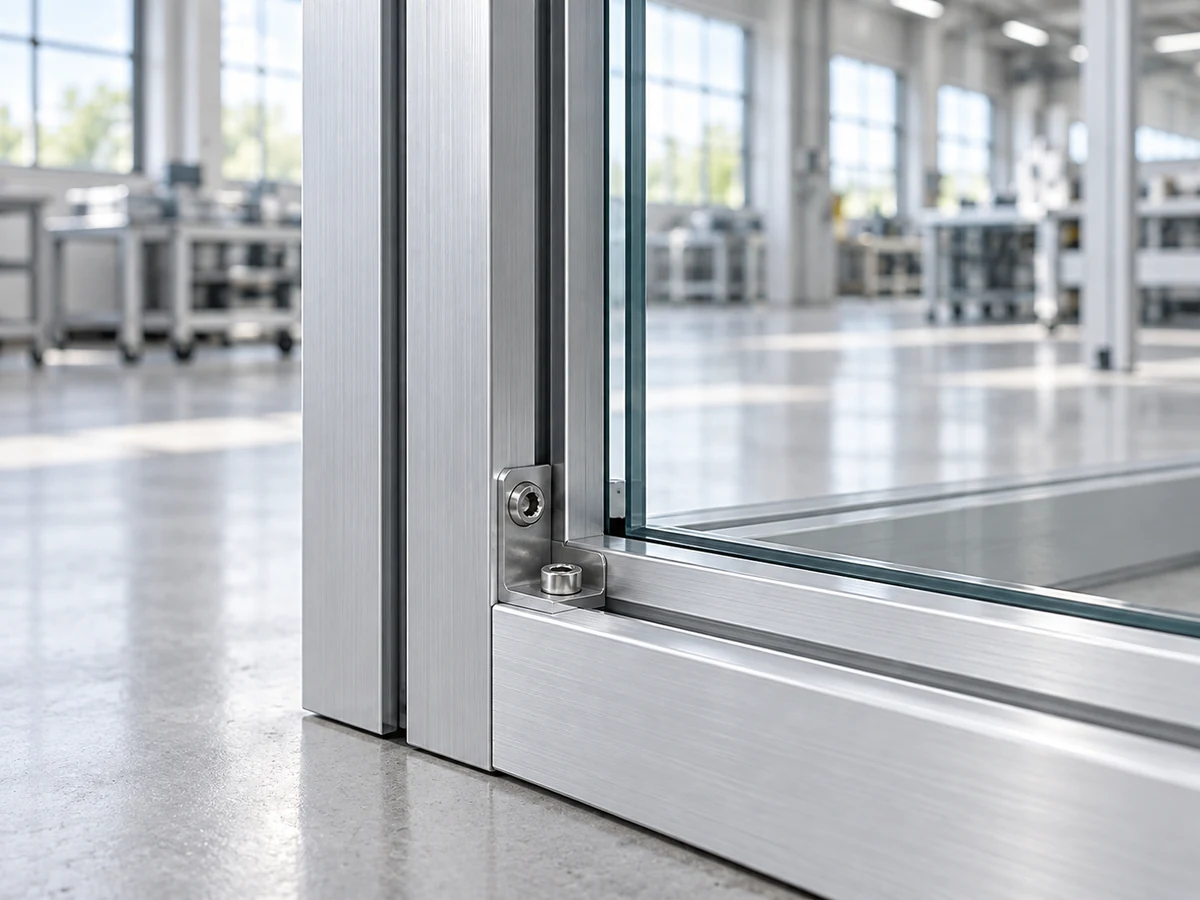
Each kit should identify case type, drawing revision, section number, member orientation, finish, quantity and the destination case. Keep sample measurements and acceptance notes with the corresponding cut batch. Agree who protects finished faces, removes chips, packages rails and checks the kit before glazing or assembly. If the case maker later revises a hinge, lock or gasket channel, prevent mixed-revision members from entering the same build. Traceability helps isolate a fit problem without treating every similar-looking blank as interchangeable.
Museum display case aluminum frame cuts: the RFQ packet
A useful museum display case aluminum frame cuts packet contains approved assembly and section drawings, a physical extrusion sample, finish and protected-face marks, a cut list with angle and length datums, required kit quantities, inspection criteria and a trial schedule. State who owns glazing, gasket design, conservation testing and final enclosure acceptance. Jiurun can review the cutting workflow against these inputs, then quote the saw operation within that defined scope.
Frequently asked questions
Does every museum case frame need mitered corners?
No. The approved case design determines whether members are mitered, square-cut or joined by another method. Quote the drawing, not an assumed corner style.
Can a saw trial prove an airtight or archival display case?
No. It can show cut-member geometry and visible workmanship under stated trial conditions. Airtightness and material suitability require separate assembled-case evidence.
What should the buyer send first?
Send the controlled section and assembly drawings, a sample profile, target cut list and acceptance criteria. For fixture handoff considerations, see our saw fixture transfer guide.
Have a case drawing package ready? Contact Jiurun with the profile section, cut list and trial quantity to discuss a scoped cutting review.
The Jiurun channel video below shows an industrial angle-saw workflow only. It does not show the museum-case profile, approved machine configuration, customer installation, qualifying trial or conservation performance.