
MQL saw nozzle selection starts with the blade and the location that needs lubrication. Identify the proposed nozzle, its intended target and how it fits the actual saw before treating “MQL included” as a complete specification.
This guide organizes four decisions for a new machine quotation or an approved replacement. The machine and lubrication suppliers should confirm the compatible arrangement and provide the applicable installation instructions.
On this page
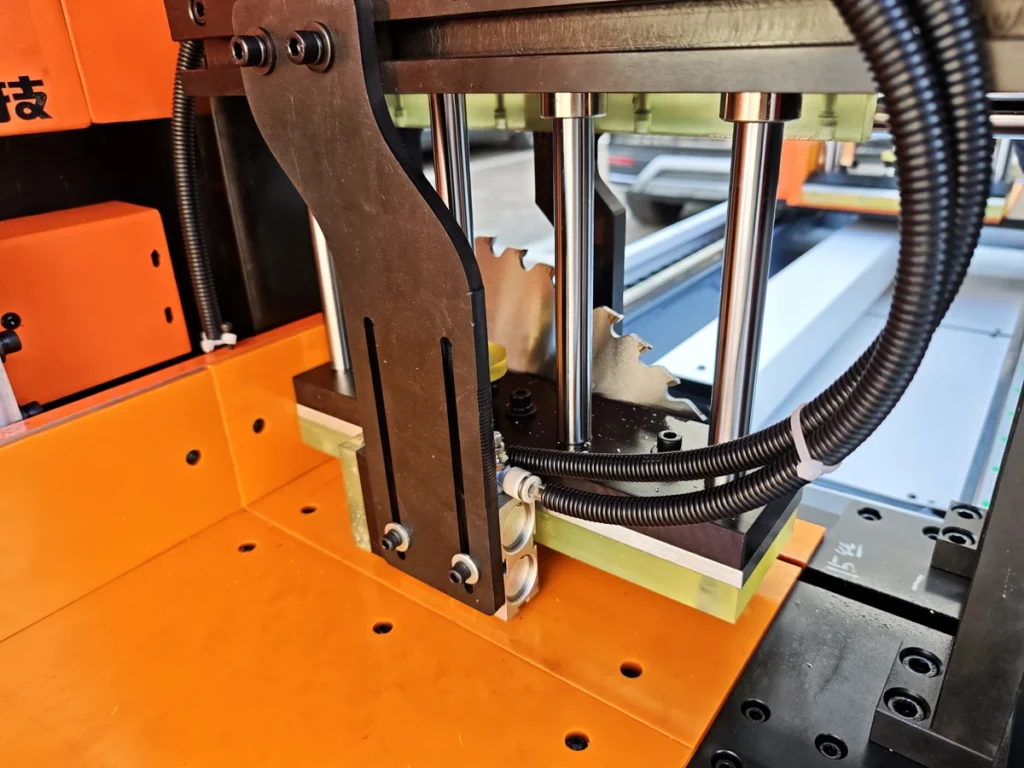
MQL saw nozzle selection: match the blade type first
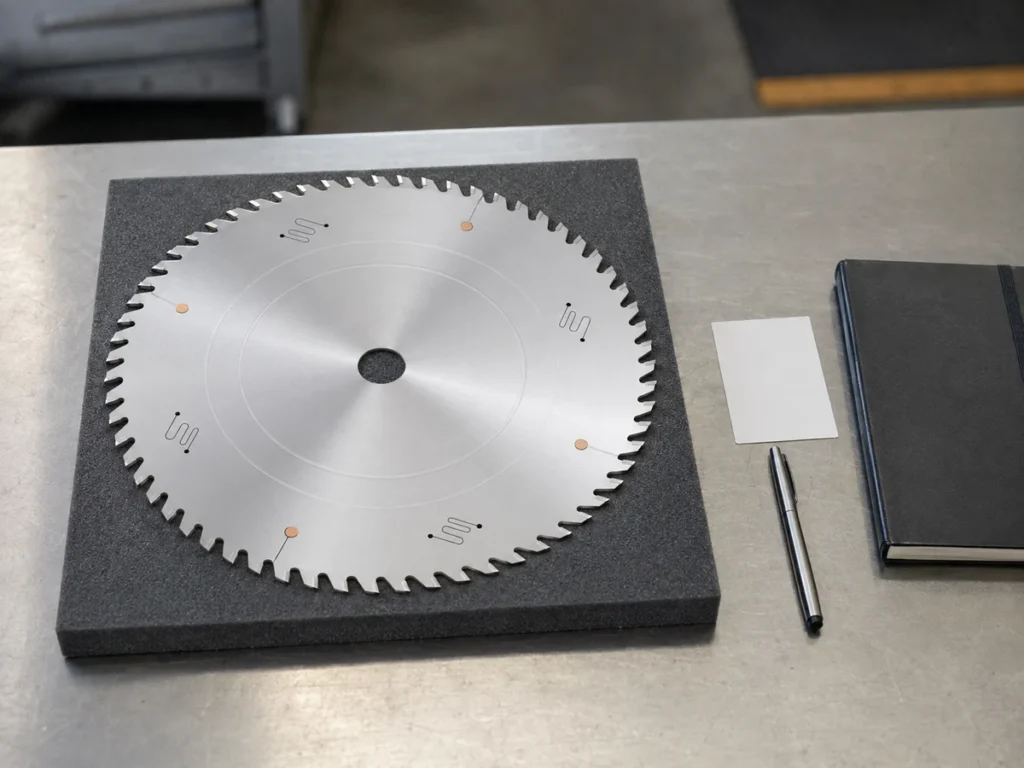
State whether the order concerns a circular saw or a band saw. Record the blade identity and the approved machine version. A nozzle described simply as “for saws” leaves the application unresolved.
Unist’s MQL saw-nozzle overview distinguishes its BAT nozzle, horizontal band-saw blade nozzle and band-saw guide nozzle. It also lists custom OEM nozzles. Those are distinct application choices.
Request the proposed component identity and the supplier’s compatibility confirmation. Do not substitute a component because its connection looks similar or because another saw uses the same general fluid.
If the blade changes, retain the complete replacement identity. Our blade-size guide helps organize the cutting-tool information. Blade compatibility and nozzle compatibility both need to be resolved for the actual arrangement.
Identify what the nozzle is intended to lubricate
Ask the lubrication supplier to identify the target on a drawing or approved installation illustration. Keep the target tied to the selected nozzle, rather than describing every fluid outlet as serving the same purpose.
Unist describes saw nozzles that apply fluid to blade teeth and gullets. Its guide nozzle is described as lubricating the blade sides for guide-block friction. This distinction matters when comparing replacement parts.
A clear quotation should state the intended function. Where several outlets are included, ask for each outlet’s identity and purpose. The purchasing team should be able to tell which item belongs to which function.
Do not assign a hidden hose in a photograph to the lubrication system. Request an explanation for the actual quoted assembly, with the relevant component references available.
Review the installed arrangement with the supplier
The nozzle is part of a delivery system. Unist’s MQL overview identifies a dispensing system, tubing and a nozzle, and highlights blade type, spray pattern, adjustment and machine vibration as selection considerations.
Ask the supplier to show how the proposed nozzle and support fit the saw version. Include the permitted blade sizes and the access needed for approved maintenance. A separate nozzle catalogue does not confirm integration into the machine.
Request the applicable installation and operating documents. Have the qualified installer resolve clearance, mounting and protective-function questions according to those instructions and the machine documentation.
Keep commissioning responsibility explicit. Purchasing should obtain the approved arrangement and evidence that the required checks were completed, rather than inventing a nozzle gap, direction or delivery setting.
For the overall fluid and service scope, our saw-lubrication purchasing guide provides the broader checklist. This review focuses on identifying the correct nozzle and its role.
Retain the review needed after a component changes
Ask which checks apply when the blade diameter, nozzle or delivery component changes within the approved configuration. Keep the relevant instructions with the maintenance record.
Record the replacement identity and the person responsible for the review. If the substitute differs from the documented part, obtain the required approval before it becomes the new standard component in the spare-parts list.
A useful handover identifies the original component, the approved alternatives and the checks that follow replacement. Avoid leaving the next technician to infer those details from an old photograph.
Keep fluid identity linked to the system as well. A nozzle selection does not approve every cutting fluid, and a fluid approval does not settle every installation question.
Use a representative cutting review when the accepted part is part of the commissioning scope. Record the actual material, tooling and installed configuration with the relevant results.

What to request at handover
Keep the nozzle information compact enough for purchasing and maintenance to use. The following is an editorial handover checklist, adapted to the actual supplier documentation.
| Handover item | What the record should identify |
|---|---|
| Component identity | Nozzle part number, system identity, compatible blade and machine version. |
| Installed role | The intended target, approved mounting arrangement and relevant instructions. |
| Replacement review | Approved alternatives, responsible personnel and required checks after a change. |
Consider a hypothetical replacement inquiry, not a JiurunCut customer result. The technician has a nozzle photograph but no part number. The purchasing team requests the machine serial number, system identity and installation reference before ordering.
That record gives the supplier a specific component to review. Describing it only as a small saw nozzle leaves the application and approval questions open.
Send JiurunCut your machine and cutting requirements to discuss the proposed arrangement. For a replacement inquiry, include the component identity and existing documentation where available.
Questions buyers ask
Does “MQL included” identify the nozzle?
Ask for the actual component, application and system identity. The general system label does not provide those details.
Do blade and guide nozzles serve the same target?
Confirm the intended function. Unist distinguishes blade application from band-saw guide lubrication in its product information.
Can purchasing choose a universal nozzle gap?
Obtain the approved installation instructions for the actual system and machine. This guide does not specify a setup dimension.
Does a photograph prove correct fluid delivery?
No. Request the documented arrangement and the applicable commissioning checks from the responsible supplier.