
Motor torque vs power is a useful distinction when reading a cutting-machine proposal. Torque and mechanical output power describe different quantities. A power value without its shaft speed leaves the buyer unable to make a complete torque comparison.
Start with the component, shaft and operating condition behind the numbers. Keep electrical input, motor output and the complete machine’s production results separately labeled.
Motor torque vs power: connect the numbers with speed
Oriental Motor’s output-power explanation gives the mechanical relationship between torque, speed and output power:
P = 2π × T × n ÷ 60
- P is mechanical output power in watts.
- T is torque in newton meters, written N·m.
- n is rotation speed in revolutions per minute.
Use values at the same shaft and operating point. The equation relates the three quantities; it is not a complete motor-selection procedure. Oriental Motor notes that equipment conditions such as load torque, inertia and operating pattern also require consideration.
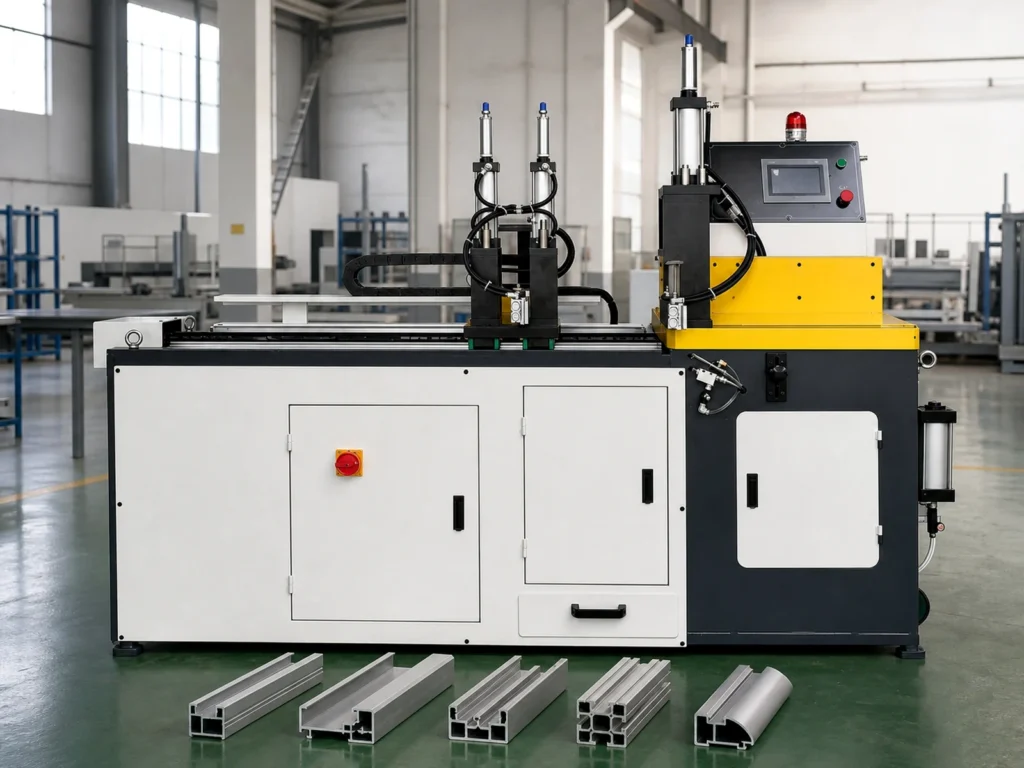
For procurement, that means the supplier should explain what its listed value describes. Do not fill an unreported torque field by combining a power rating with an unrelated speed from a machine photograph or another model.
Check 1: identify the shaft behind the rating
A proposal can refer to the motor shaft, the output of a geared assembly or another location in the drive arrangement. Ask the supplier to identify the actual boundary for each figure. A number copied into a spreadsheet should retain that label.
Keep the offered motor reference and associated technical document with the quote. If a drive or transmission is included, ask the supplier to describe the complete supplied arrangement. Do not assume that a motor datasheet describes every downstream shaft.
Also ask whether the stated figure is a rating, a calculated estimate or an observed value. Those records answer different questions. A test record needs the identified setup and conditions; an estimate needs its assumptions.
Our motor efficiency and power-factor guide separates mechanical output from electrical input quantities. This article addresses the further relationship between the output power, torque and speed.
One fictional calculation: same power, different speed
Assume two invented operating points each have 1,000 W of mechanical output power at the identified shaft. One point has a speed of 1,000 r/min; the other has a speed of 2,000 r/min. These are teaching inputs, not specifications for a JiurunCut machine.
Rearranging the relationship gives:
T = 60 × P ÷ (2π × n)
- At 1,000 r/min: T = 60 × 1,000 ÷ (2π × 1,000), approximately 9.55 N·m.
- At 2,000 r/min: T = 60 × 1,000 ÷ (2π × 2,000), approximately 4.77 N·m.
The example compares two assumed points. It does not show that one real motor can deliver a constant 1,000 W across those speeds. It also does not define starting behavior, a permitted duty cycle or the output of an unspecified transmission.
The practical lesson is small: attach the speed to a torque-and-power comparison. Equal mechanical power in the example does not mean equal torque at different assumed speeds.

Check 2: ask how the offered drive matches the intended work
Give the supplier a representative description of the job. Include the aluminum section, intended cuts, planned production pattern and supplied options. Ask for the basis of the proposed drive selection for that configuration.
Request the relevant manufacturer data when the proposal describes performance at different operating points. Keep any stated restrictions with the data. A headline power value should not silently become a claim about every speed or every part.
If an offer describes more available torque, ask where and under which documented conditions. If it describes more power, ask the same questions. Compare like quantities before deciding whether the change addresses your actual production requirement.
A proposed motor replacement needs its own approval. A matching power entry is not the complete replacement specification. Our spare-parts request guide helps connect the review with machine identity and the component being replaced.
Keep a question open rather than inventing the missing value
For example, a quotation may identify a motor and its output power but provide no documented shaft speed for the stated condition. The buyer can ask the supplier to complete that entry. Calculating with a convenient speed found elsewhere would conceal the missing information.
When a revised proposal changes a component, ask whether the existing supporting documentation still applies. Retain the approved configuration and its revision together so later parts orders refer to the delivered arrangement.

Check 3: keep drive evidence separate from accepted-part output
The purchasing decision also needs evidence about the intended finished part. Define the required cut and acceptance checks, then agree what the supplier should demonstrate for the proposed configuration.
A motor data entry does not state how many acceptable parts a complete saw produces during a particular shift. Keep the material, sequence, handling and inspection basis attached to any production claim.
A useful comparison file has three short sections:
- Component data: the offered reference, mechanical quantities, shaft location and stated conditions.
- Selection explanation: the representative job, configuration and supplier’s supporting basis.
- Production review: the agreed trial or demonstration scope, part requirements and actual recorded results when available.
That separation gives the technical reviewer a defined question and the buyer a traceable decision. Mark unavailable evidence as pending instead of treating a general running video as a measurement report.
Buyer questions about motor torque vs power
Does a higher power number alone prove higher torque?
The mechanical comparison also needs speed and the identified operating point. Use supported data for the actual offered arrangement.
Can the fictional calculation choose a motor for my saw?
No. It explains the quantity relationship. Request selection evidence for the actual task and configuration from the responsible supplier.
What should I send for a quotation?
Send the profile drawing, cut requirements, quantities and intended production pattern. Explain which drive information you need included in the proposal.
Contact JiurunCut to discuss your cutting requirements. Ask for motor torque vs power information with its shaft, speed and supporting conditions so the comparison stays understandable.