
An instrument enclosure revision caused by a new board or connector does not automatically require a new saw-cut aluminum housing. The buying question is which released physical item changed: an end panel, the extrusion length, the extrusion cross-section, or the complete enclosure assembly. If a supplier quotes a new cutting machine before that boundary is settled, the trial can demonstrate a clean cut on the wrong part.
This guide is for a buyer or production engineer comparing retained aluminum-profile cutting with prepared enclosure supply. It treats electronics, sealing, electrical compliance, and finished instrument qualification as separate responsibilities. The saw decision concerns an approved metal blank and its handoff to the next operation.
Start with the assembly, then identify the changed item
Put the current and proposed enclosure assemblies side by side. Record the instrument model, assembly revision, housing profile, end-panel versions, board and connector versions, and the date from which each combination is permitted. Ask the design owner to mark what actually changes on the released drawings. A new connector opening may be confined to a replaceable end panel. A longer board may change the required extrusion length while leaving the section unchanged. A board that no longer fits the internal guide may require a different section or a redesign. Those are different purchase routes.
Commercial enclosure catalogs show why the distinction matters. Hammond’s 1455 extruded enclosure range describes internal board slots and separate end-panel options. Takachi’s UC enclosure range describes grooves that can locate a board or panel. These are examples of component architecture, not specifications for a JiurunCut machine or proof that your revised instrument uses either system.
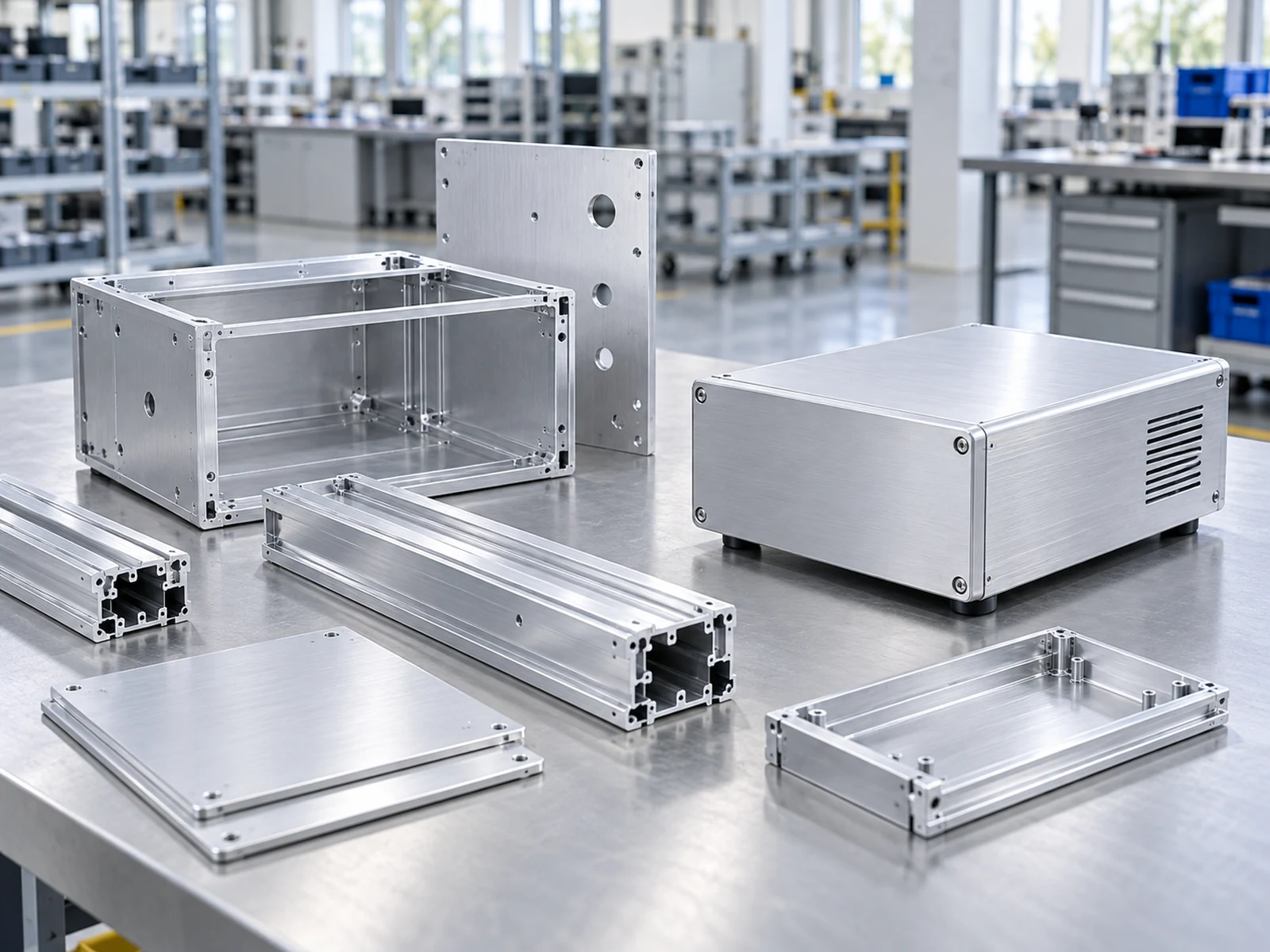
Use four routes, not one blanket recut instruction
1. Keep the extrusion and revise only the end panel
If the approved change is only a connector opening or label area in a removable panel, first check whether the existing extrusion length, section, internal guides, and attachment features remain valid. Compare a replacement panel, a prepared panel kit, and a complete enclosure supplied to the new revision. A saw quote has no value if there is no new aluminum blank to cut. Confirm that an old panel cannot be mixed with a new board merely because the outside case looks identical.
2. Keep the section but change the cut length
If the board, internal carrier, or component stack changes the required enclosure length, request a released blank drawing with explicit length datum, end condition, required quantity, acceptable measurement method, and identification. Confirm whether downstream facing, deburring, coating, drilling, or panel fitting is included in the cut-part purchase or done elsewhere. The finished instrument’s outside dimension is not automatically the saw stop setting: panels, fasteners, and subsequent operations may affect that relationship.
3. Change the extrusion section or its orientation
A change to internal guide geometry, mounting features, or outside shape can make the current profile unsuitable even if its nominal width is similar. The purchasing team must obtain the new profile drawing and sample, not merely revise a length on the old cut list. Compare approved stock availability, section orientation at the clamp, support under thin or open walls, and the receiving operation. A blade trial on the previous section does not qualify the new one. If the revised profile cannot be supplied as suitable stock, the saw purchase cannot solve that upstream problem.
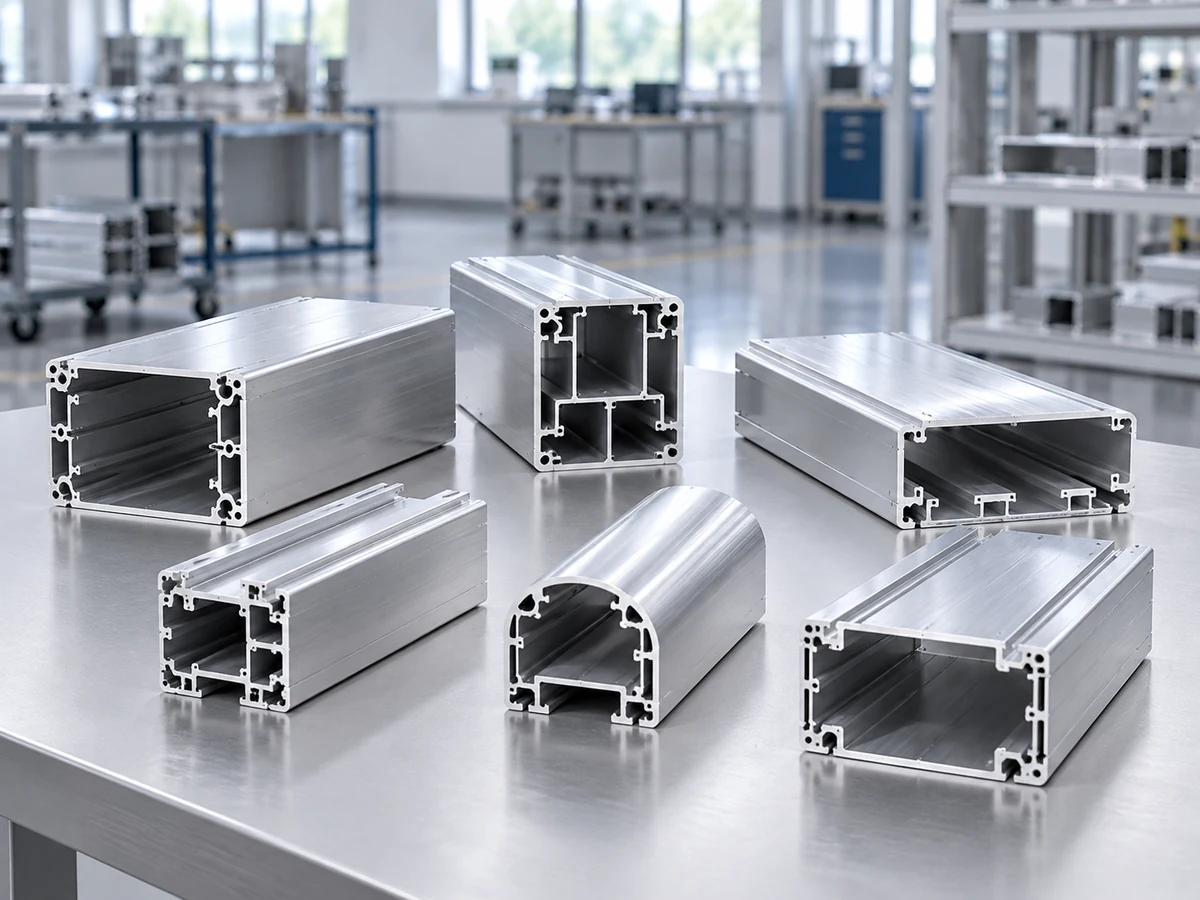
4. Buy a prepared or complete enclosure
If the retained work would include very few accepted blanks, or if the receiver needs panels, holes, finish, identification, and verified assembly together, compare a prepared housing or complete enclosure against an in-house cut route. Quote both at the same accepted stage. A bare-cut price should not be compared with a complete-case price without listing the work and purchased components between them. Record who owns each remaining operation and who releases the assembled instrument.
Build the instrument enclosure revision matrix before inviting saw proposals
For each instrument variant, use one row showing: old and new assembly revision; extrusion section and drawing revision; stock condition; blank length and datum; end-panel part numbers; board or carrier identity; connector location owner; required cut-end condition; downstream features and finish; batch quantity; and receiving department. Mark each row as no new cut, same section/new length, new section, or prepared enclosure. Do not combine these rows into one assumed average part.
A change notice may permit a transition period in which old and new versions both ship. In that case, plan separate stock, cut-part labels, pack lists, and acceptance samples for each released combination. Set a clear disposition for remaining old-version blanks: use against approved orders, return, rework only if engineering authorizes it, or hold. The saw operator should not decide compatibility from appearance or use a customer-visible part number without its revision.
For a machine RFQ, send the relevant profile section and stock length, approved blank drawing, angle and length requirements, acceptable end condition, expected batches by variant, and a representative physical sample when available. State the intended incoming and outgoing material handling. If a supplier proposes a fixture, automatic feed, or part discharge option, ask it to identify the exact profile and release state used in the demonstration. Ask separately what is included in the quote, what changeover is needed, and what the buyer supplies for the trial.
Run an acceptance trial against the revised blank
Choose trial samples from the actual approved stock family. Include the longest and shortest relevant blanks, the most delicate section orientation, and any version that must be kept separate during transition. Agree in advance how length is measured, where the reference face is, which end is inspected, and what edge condition the downstream receiver will accept. Photograph and label each accepted or held sample by drawing revision. A good-looking cut on a generic extrusion is useful for demonstration but does not answer whether a released enclosure blank is usable.
Then take the labeled blank through the intended downstream fit check. Check that the correct panel attaches and that the board or carrier can be located as the design owner requires. Treat this as an interface check, not an electrical or environmental certification. If slots, panel seating, or mounting features fail, determine whether the problem comes from the stock section, drawing, saw setup, secondary processing, or assembly revision before changing the saw specification. For a focused example of blank-end and interface trial questions, see our instrument-enclosure extrusion saw trial guide.
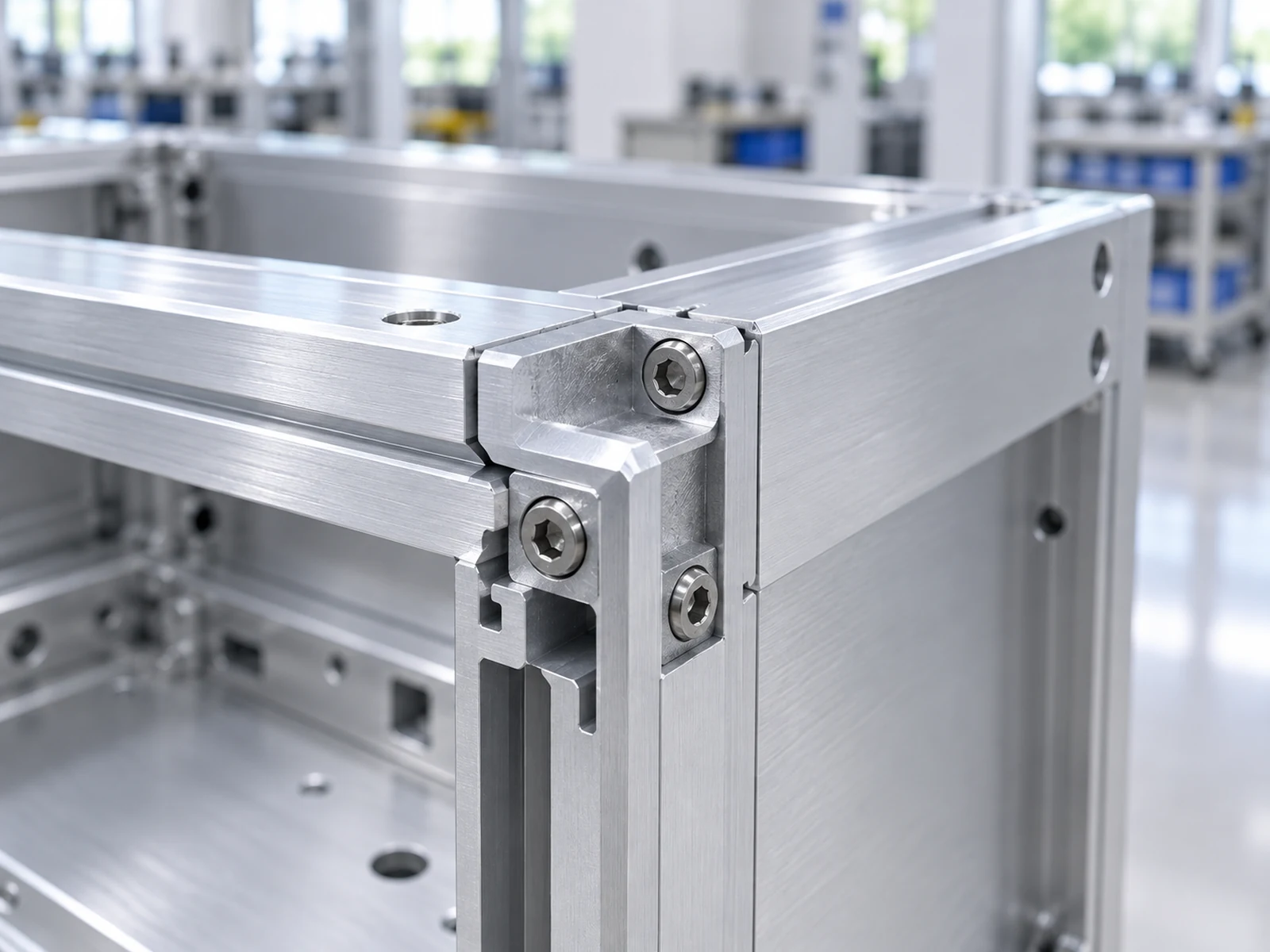
Compare the full cost and schedule of each route
A fair comparison includes approved stock and minimum order quantity, machine and fixture scope, changeover work, operator handling, trial material, inspection, cut-part labeling, scrap disposition, secondary machining, finish, panel procurement, assembly, and the lead time of each responsible supplier. Keep one-time engineering changes separate from recurring cut cost. A low unit cut price can lose its advantage if a new section requires frequent setup or if the buyer still has to purchase and inspect a separate panel kit.
Also identify the decision owner. Engineering releases geometry and permitted revision combinations. Procurement buys the specified stage of supply. Production demonstrates the proposed cutting workflow. Quality and the downstream receiver accept the physical blank under the agreed criteria. The equipment supplier can demonstrate what its quoted configuration cuts; it cannot approve a customer’s circuit-board fit, connector design, sealed enclosure, or finished instrument performance.
Watch a general cutting-equipment example
The Jiurun Machinery channel video below shows general aluminum cutting equipment footage. It is an example of equipment motion only. It does not show the instrument housing in this article, a particular board or connector revision, the quoted machine configuration, a customer trial, or a performance result.
What to send for an instrument enclosure revision cutting recommendation
Send the old and new released member drawings, profile cross-section, stock lengths, required cut blanks by variant, transition quantities, cut-end acceptance criteria, and a sample or clear photographs. Include the downstream receiver and the remaining operations after sawing. Ask the supplier to quote a defined accepted blank and state the evidence it can provide in a trial. If only a panel or prepared case changes, say so before requesting a new saw.
For the broader make-or-buy boundary, read how to compare cut extrusion blanks with finished cases. If your approved revision does require in-house aluminum cutting, send JiurunCut the profile and blank drawing for a configuration and trial discussion. The recommendation should follow the released part and production route, not a guessed enclosure size.