
On an inline skate, the frame is the metal structure that positions the wheels under the boot. A product photograph can show the assembled skate, but it cannot tell a saw supplier what stock enters the buyer’s factory. For inline skate frame cutting, the useful purchasing question is narrower: does the plant receive a separable aluminum extrusion or other metal blank that must be cut to length before frame machining, or does it receive a prepared frame that needs no saw operation?
That difference affects equipment scope, sample testing, and who owns the final frame dimensions. A saw quotation can address a defined cut blank. It cannot establish wheel spacing, axle-hole location, boot mounting geometry, strength, braking behavior, or finished-skate life.
What a real skate-frame example does and does not prove
Powerslide’s Kizer Element 80 product page describes its aluminum frame as extruded and CNC machined. That is a useful example of a route in which an extrusion and a machined frame are distinct objects. The same page describes a specific product, not the incoming supply condition at another factory. It does not prove that every inline skate frame starts as a cuttable extrusion, that the buyer cuts the extrusion in house, or that a particular Jiurun saw has been tested on it.
Ask for the released frame component number and revision. Then locate the exact purchase boundary: raw section, precut blank, machined frame, populated chassis with axles or wheels, or complete skate. For each stage, list which work is bought, which work is retained, and which supplier is responsible for a rejected part. This is the point at which a saw requirement either becomes real or disappears.

Separate the blank, finished frame, and assembled skate
| What arrives | What may remain in house | Meaning for a saw RFQ |
|---|---|---|
| Extruded or other separable metal stock | Blank cutting, followed by operations defined by the frame drawing | Assess the actual stock section and cut-piece acceptance. |
| Precut metal blank | Machining, finishing, inspection, or outsourcing | Check whether any cutting remains; do not quote the purchased blank cut twice. |
| Finished machined frame | Inspection and skate assembly | No frame-blank saw assumption without a separate retained metal part. |
| Frame with wheels, bearings, axles, or boot attached | Subassembly or final assembly checks | Do not treat the populated chassis or complete skate as saw stock. |
Use the same accepted stage when comparing equipment offers. A quote that includes feeding and cutting full-length extrusion is not comparable with a quote that begins from purchased precut blanks. Finished-skate size and wheel layout may determine design choices, but they are not a substitute for the physical blank drawing.

Define an inline skate frame cutting blank from actual input
If the factory buys long metal stock, send the machine supplier a released blank drawing and representative material. Identify alloy and temper when controlled, cross-section and wall ranges, supplied length, surface condition, straightness, batch variation, and any features already present before cutting. State whether the section is open, hollow, asymmetric, or prone to marking. An image of a finished frame will not reveal all of these inputs.
Define the cut piece independently: required length and tolerance, cut-face angle or squareness, burr and edge condition, handling of the offcut, visible-surface limits, and the measurement datum. Say which later machining or finishing operation uses the end face as a reference and which surfaces may be reworked. The frame engineer owns these criteria. The saw vendor can then respond to them rather than guessing from wheelbase or boot size.
For paired left and right frames, identify whether both sides share one blank drawing, whether the downstream machining creates the handed geometry, and how replacements are identified. Keep model, size, frame revision, and replacement-part identity aligned. A stocking or fixture decision based on an obsolete frame revision can invalidate a good-looking cutting trial.
Test locating and support on the real section
A frame extrusion may have ribs, cavities, cosmetic faces, or a section that does not sit naturally on a flat bed. Ask where the proposed fixture contacts the actual stock, how it locates the datum, and how it supports the section around the cut. A controlled sample trial should record the sample lot, section revision, cut list, inspection method, and any visible marking or deformation. It should also distinguish one demonstrated cut from a proven production rate.
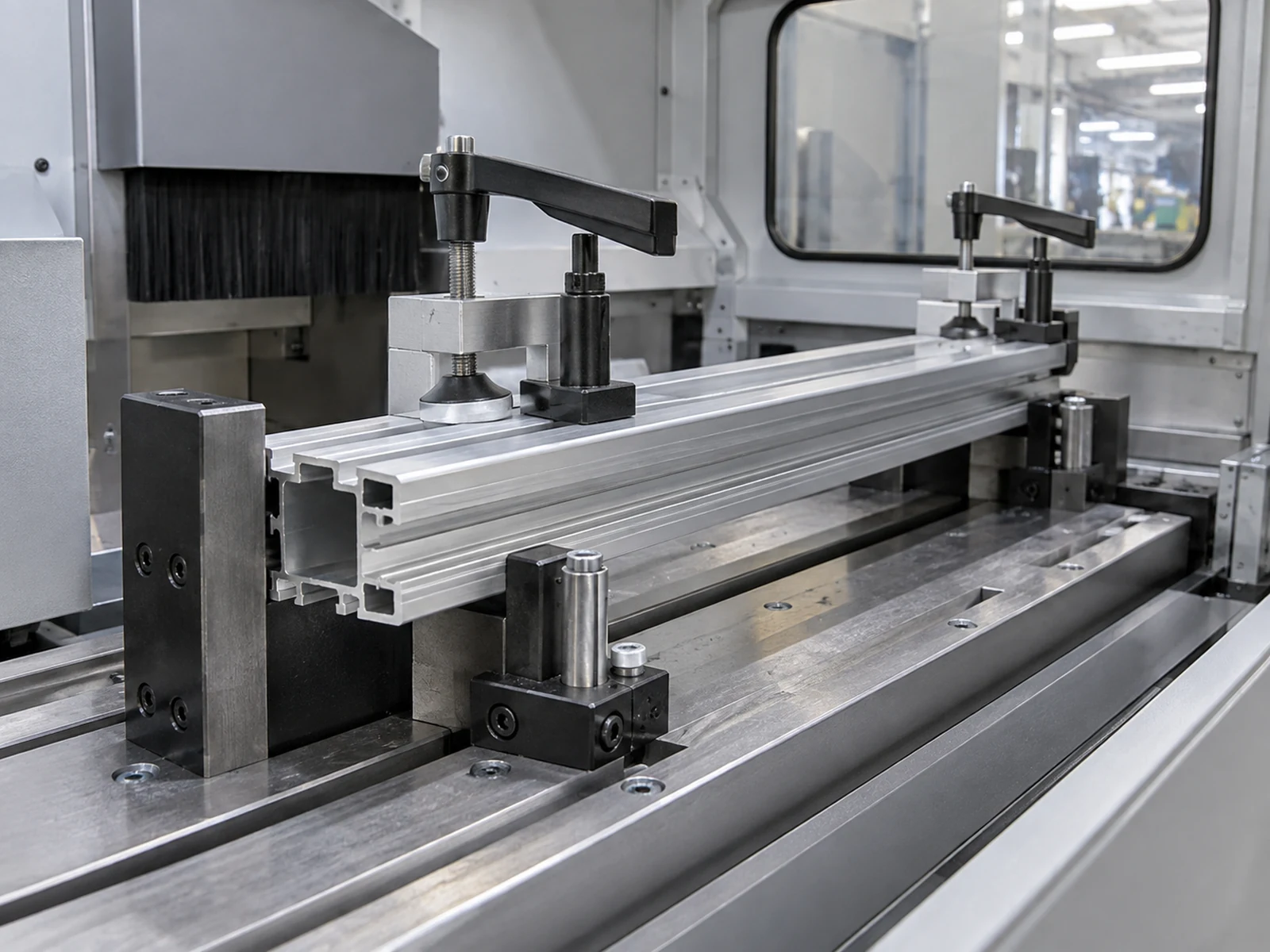
Keep the cut sample traceable into later operations. If the blank will be CNC machined, the process owner must decide whether a cut end is a datum, a machining allowance, or only a handling boundary. A saw supplier should not infer axle-hole spacing, wheel clearance, mounting geometry, or machining offsets from the cut length. Those are design and downstream process decisions.
Specify acceptance evidence before ordering
An RFQ packet should include the frame component and product identifiers, revision history, actual supply stage, drawing, stock sample, required cut-piece count per skate, cut list, material condition, cosmetic limits, end-face acceptance, inspection owner, and remaining outsourced operations. Include the planned batch mix and any changeover between frame versions. If replacement frames are sold independently, state whether they use the same blank and acceptance route as new-build frames.
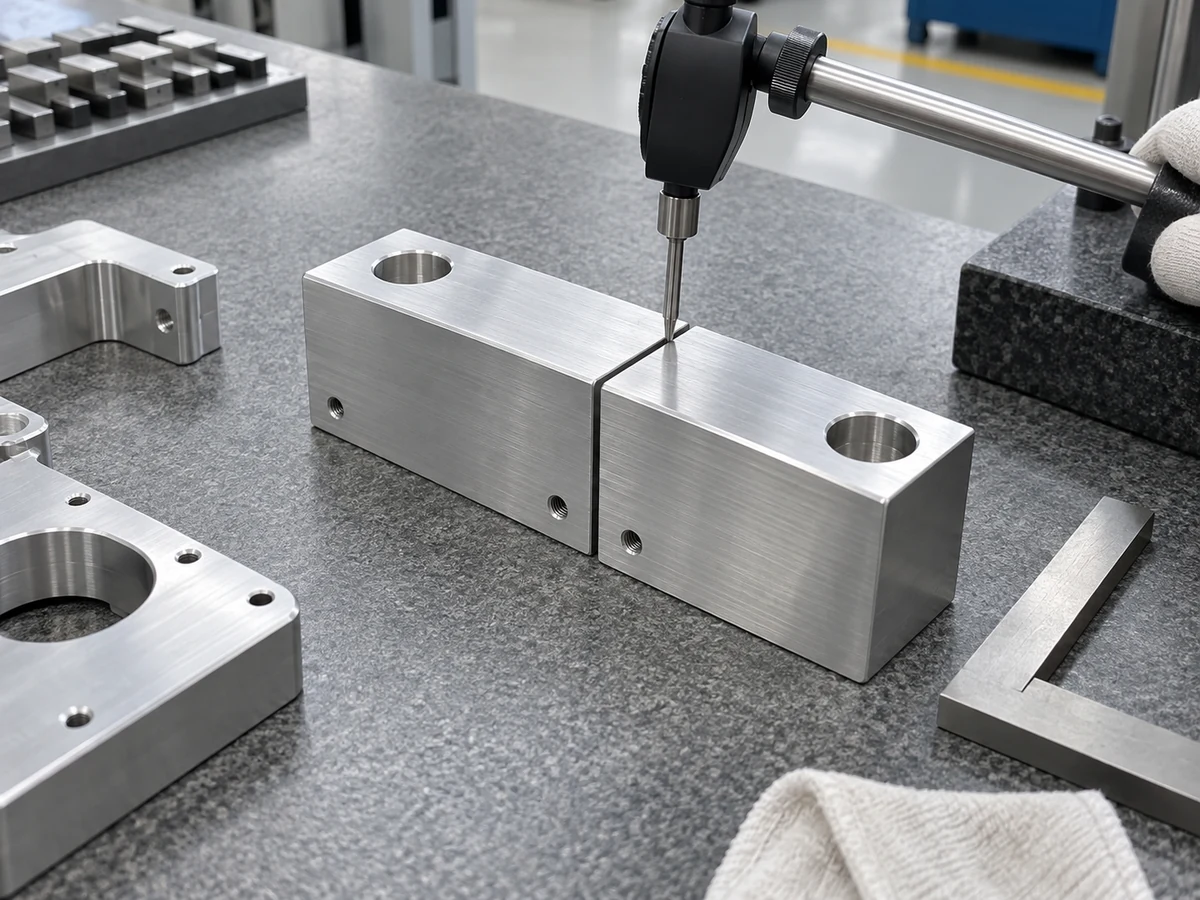
Request a response that identifies the assessed stock, proposed locating and support approach, cut sample, measured results against the approved criteria, unresolved tests, and quotation exclusions. A numerical capacity claim or a clean looking end face in a generic photo does not prove this frame’s acceptance.
Equipment video, not product proof: this playable video from Jiurun’s own channel shows general aluminum sawing equipment. It does not show an inline skate frame, confirm the buyer’s stock, validate a clamp configuration, or establish skate performance.
Decision: quote the retained cut, not the skate
Inline skate frame cutting belongs in the machinery RFQ only if the buyer retains a defined metal blank cut. If the frame is purchased machined or the chassis arrives populated, resolve the remaining scope before asking for a saw proposal. Keep wheel positioning, boot mounting, rigidity, braking, load, life, and certification claims with their respective engineering and validation owners.
To discuss a real metal-cutting requirement, contact Jiurun with the approved blank drawing, representative stock, cut-piece criteria, batch mix, and the accepted supply stage. Those inputs support a focused feasibility review without promising an entire inline skate production line.